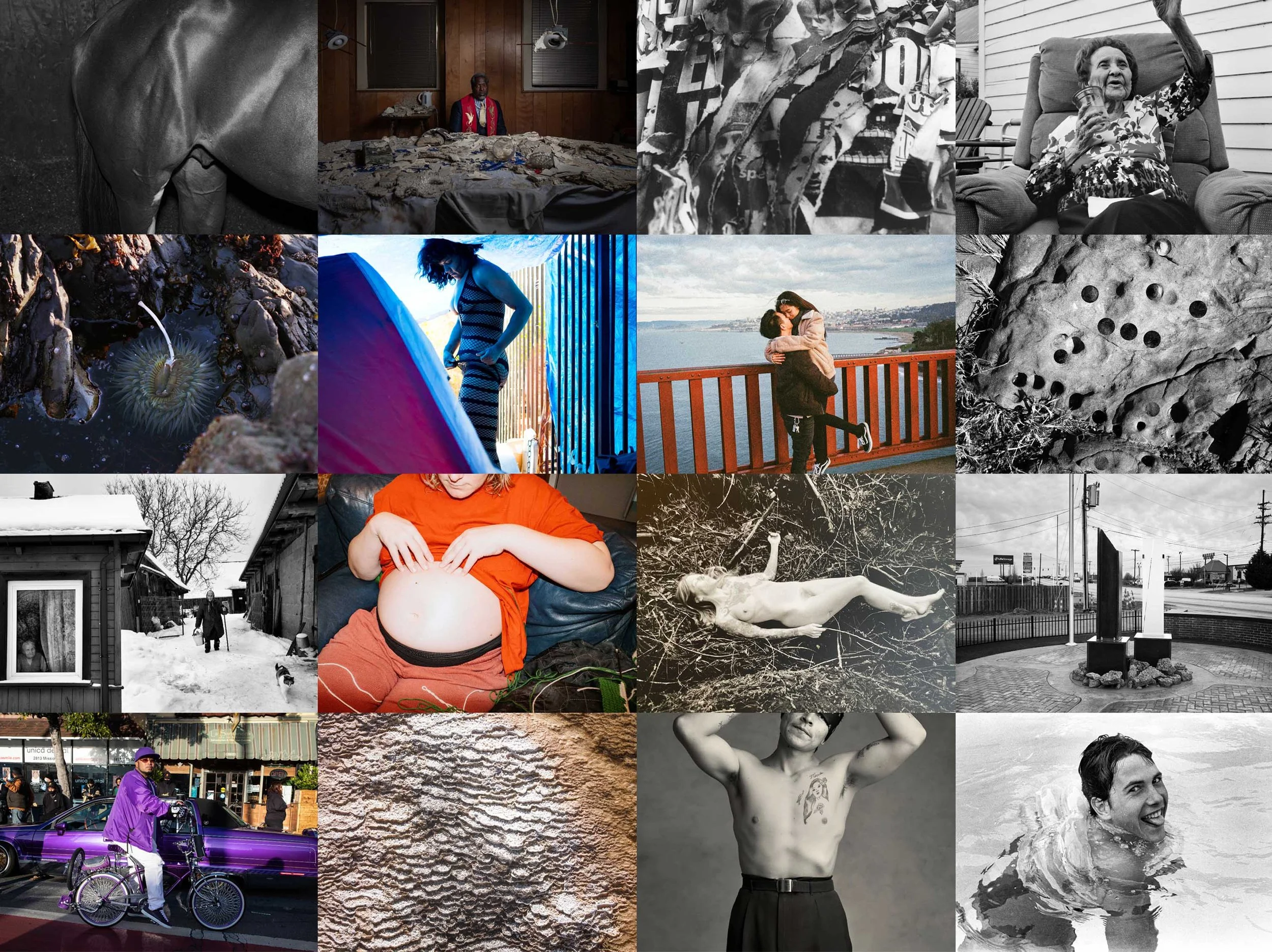
2026 SLIDE SLAM:
SO Slammed, A Necessarily Excessive Group Photography Event
A live photography event presented by PhotoAlliance and Pretty Gritty
PhotoAlliance and Pretty Gritty are proud to present So Slammed: A Necessarily Excessive Group Photography Event, a high-energy live slideshow presentation celebrating contemporary photography and artist storytelling.
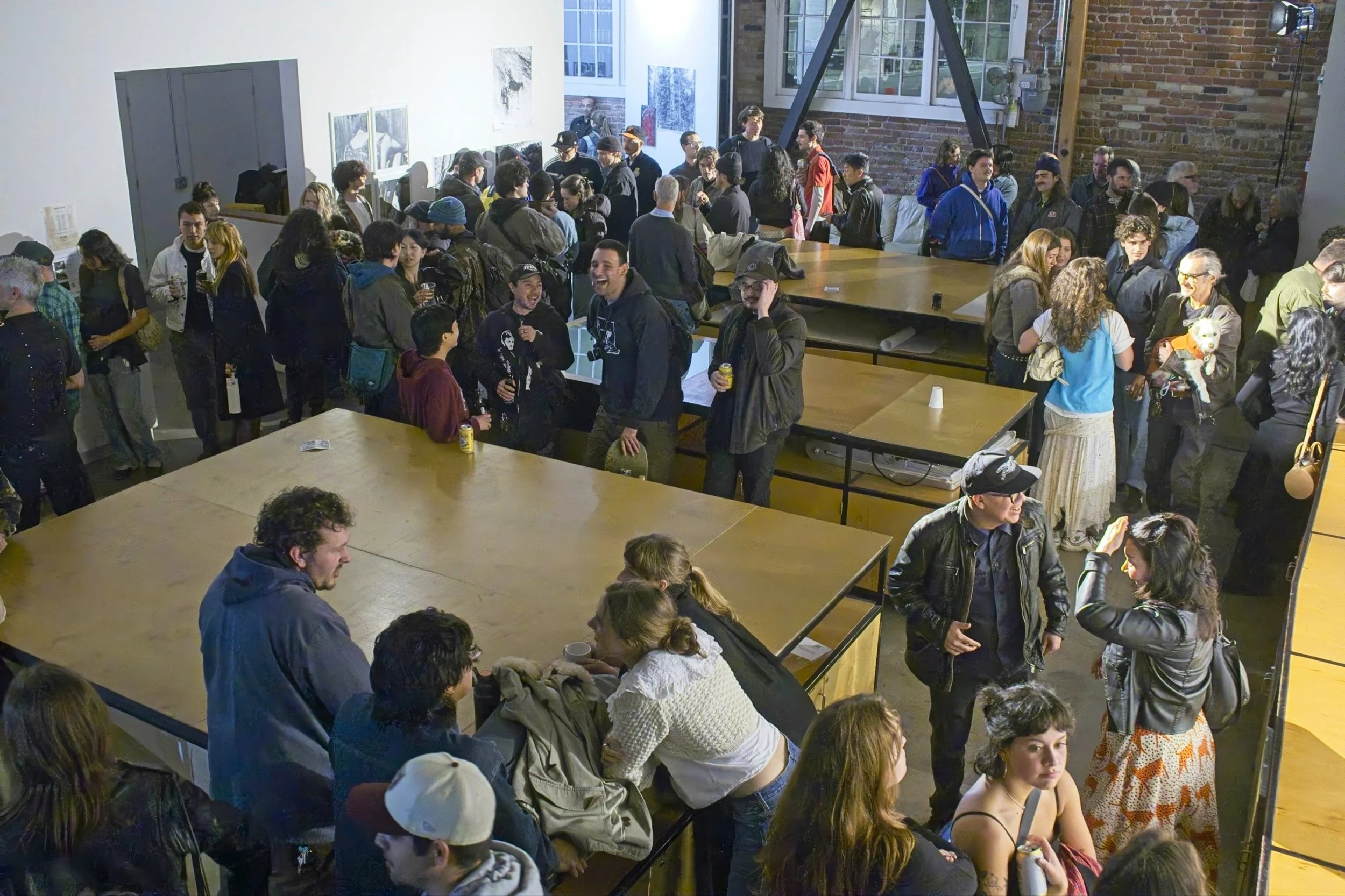
16 local photographers each presented a 10-image series from a single body of work during a live event on April 25 at Pretty Gritty in San Francisco. This fast-paced format is part artist talk, part performance, and part community party — similar in spirit to a poetry slam, karaoke, or a short-form lecture — where photographers present their work live in front of an audience, then enjoy a meet-and-greet followed by musical performances at Pretty Gritty.
A huge thank you to everyone who submitted!
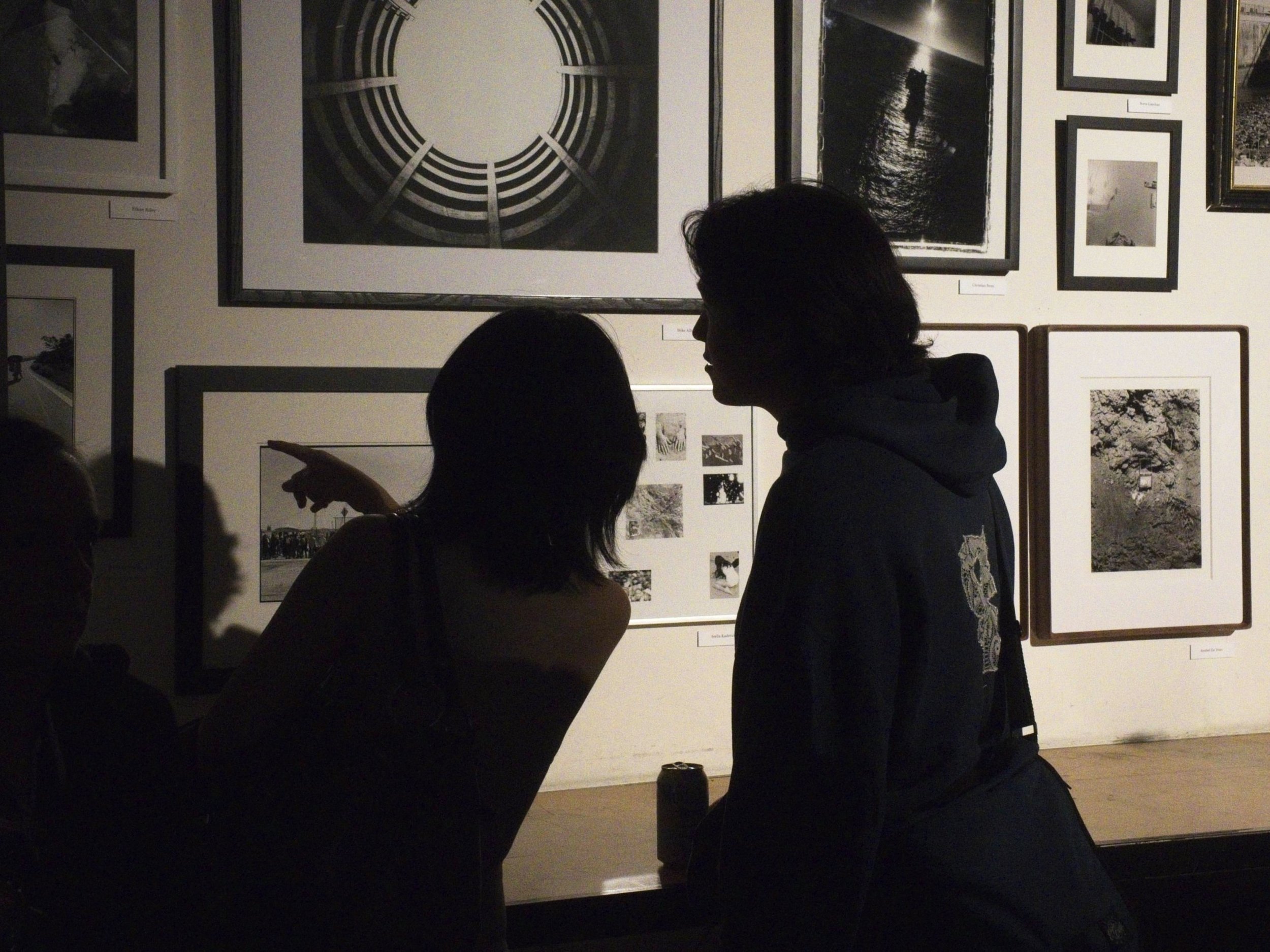
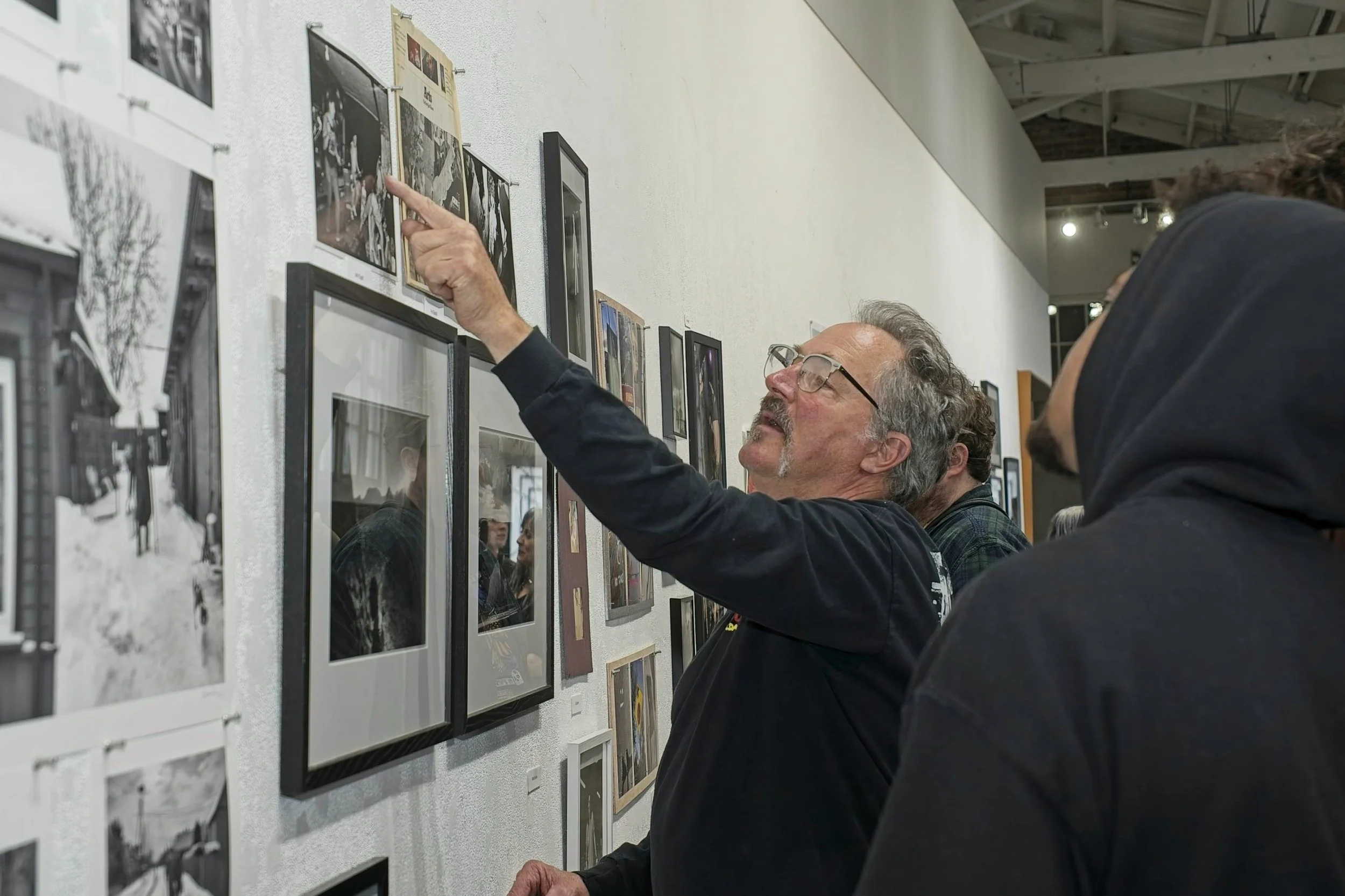
PHOTOS FROM THE EVENT:
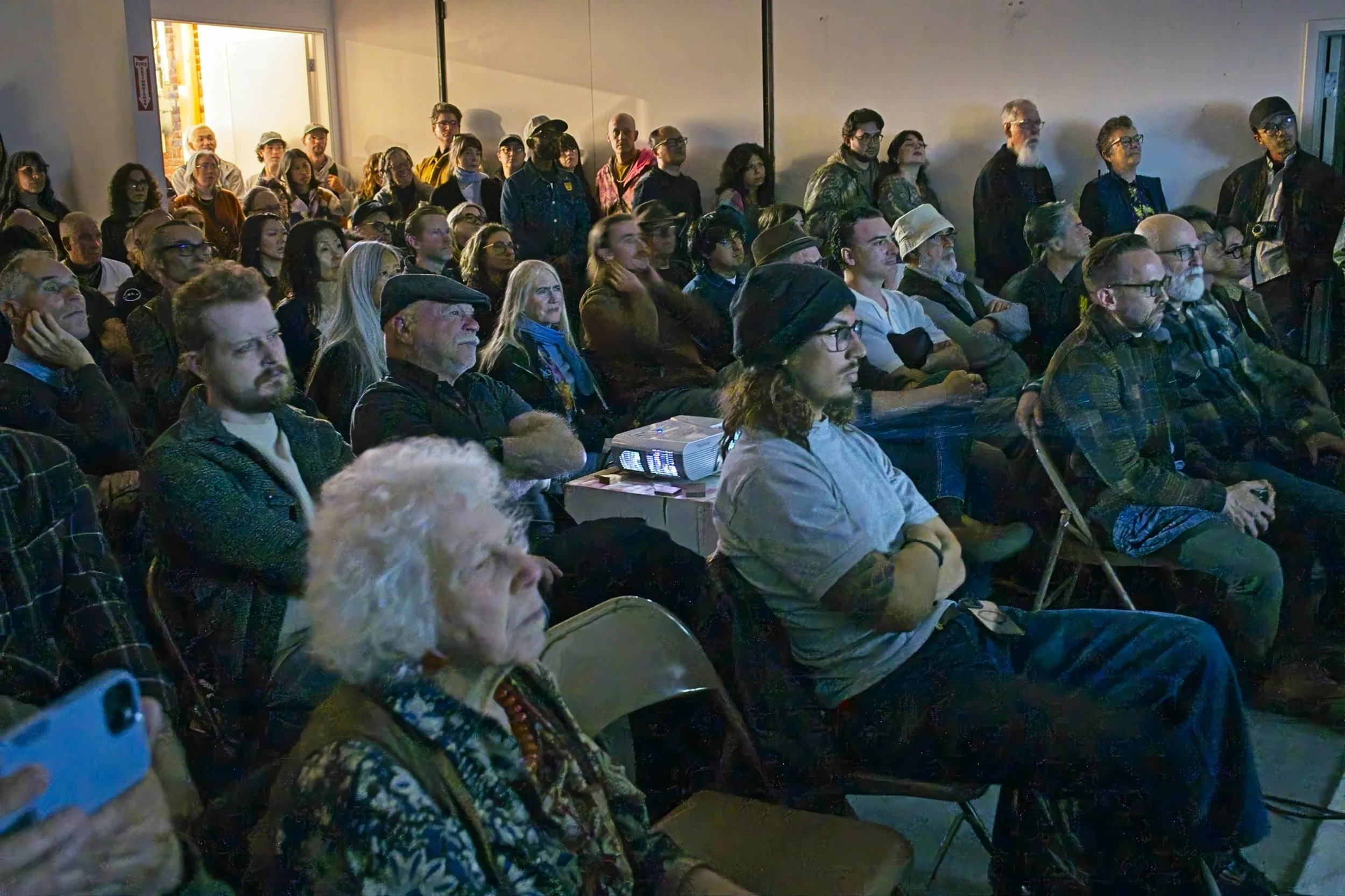
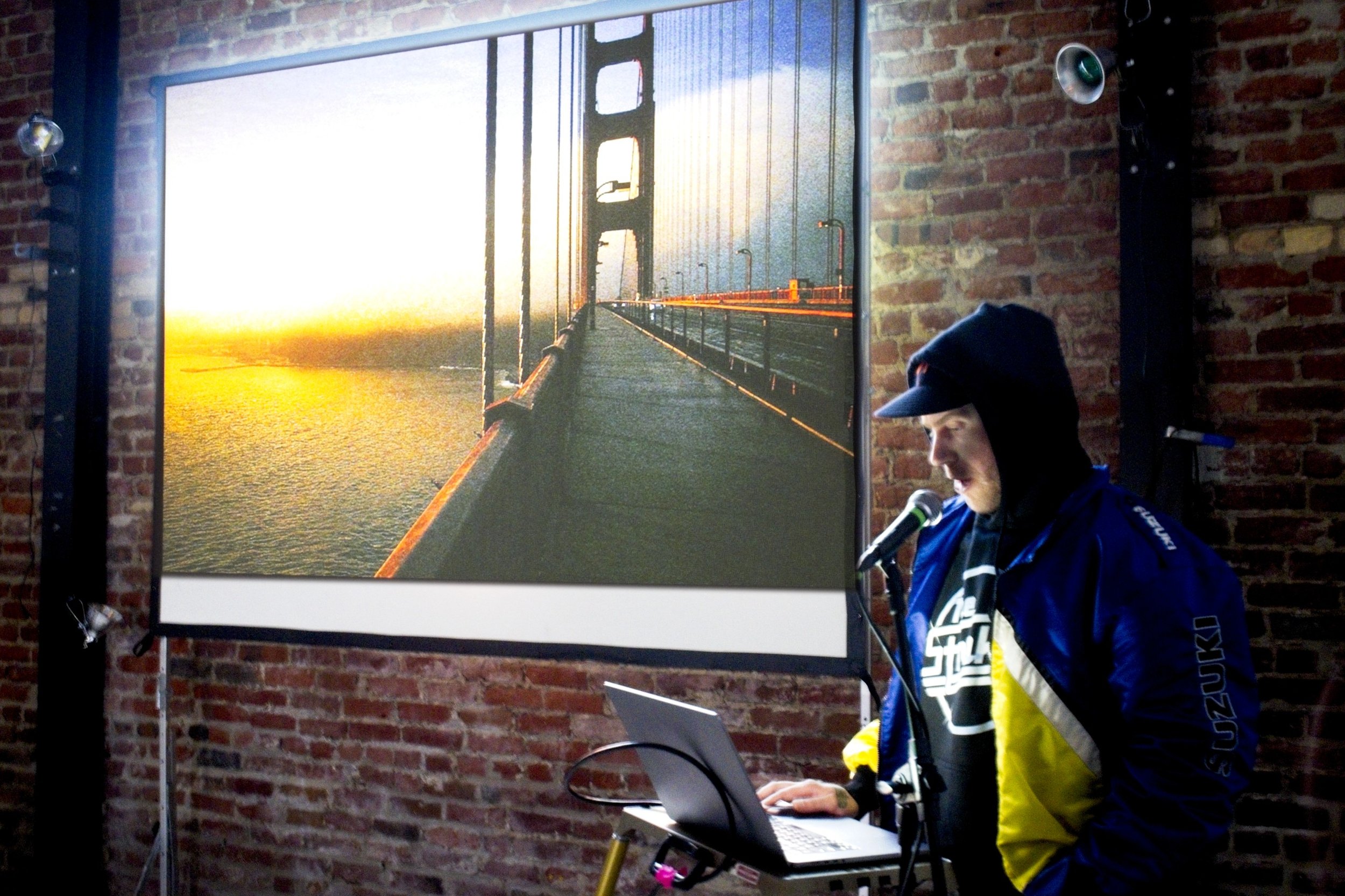
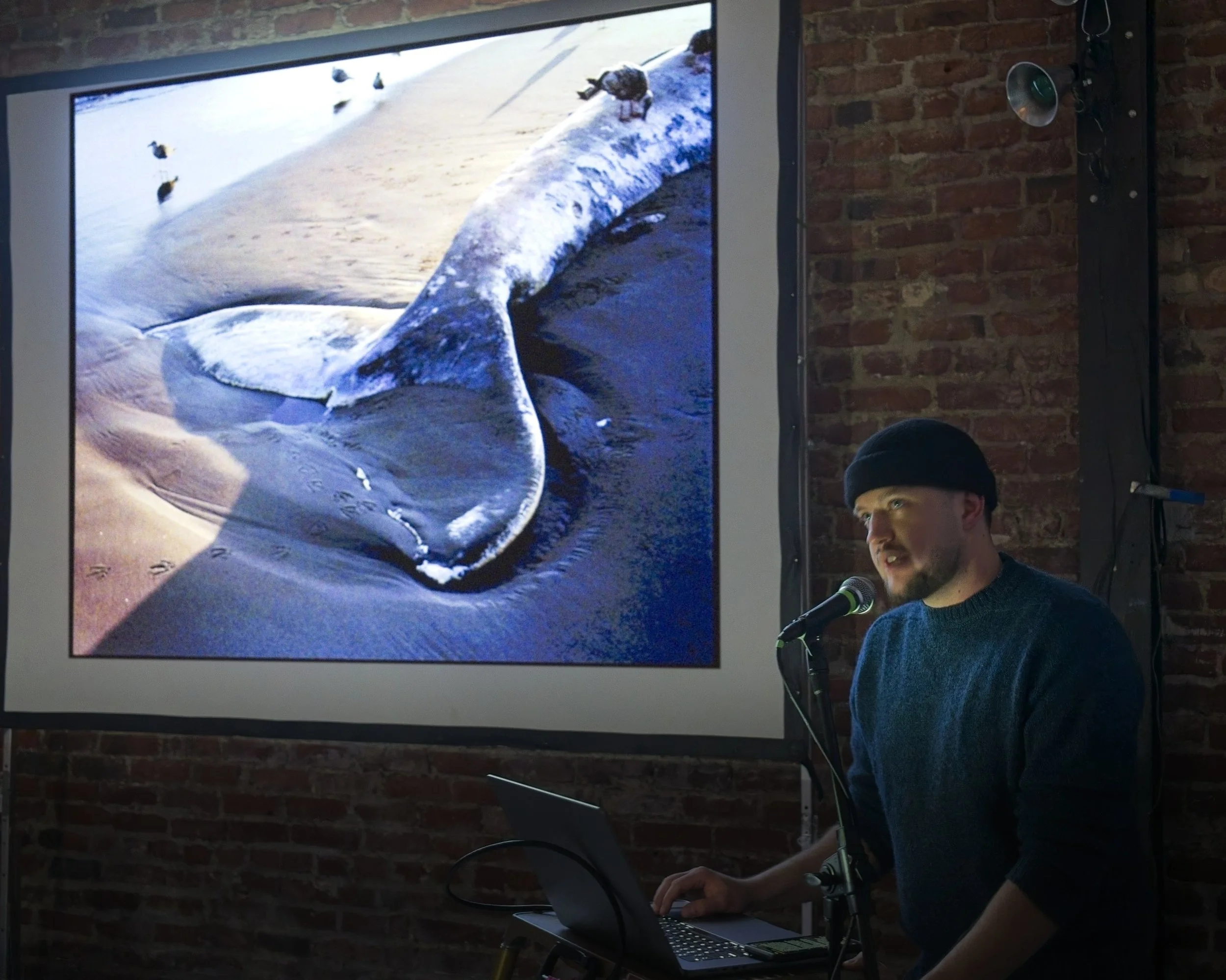
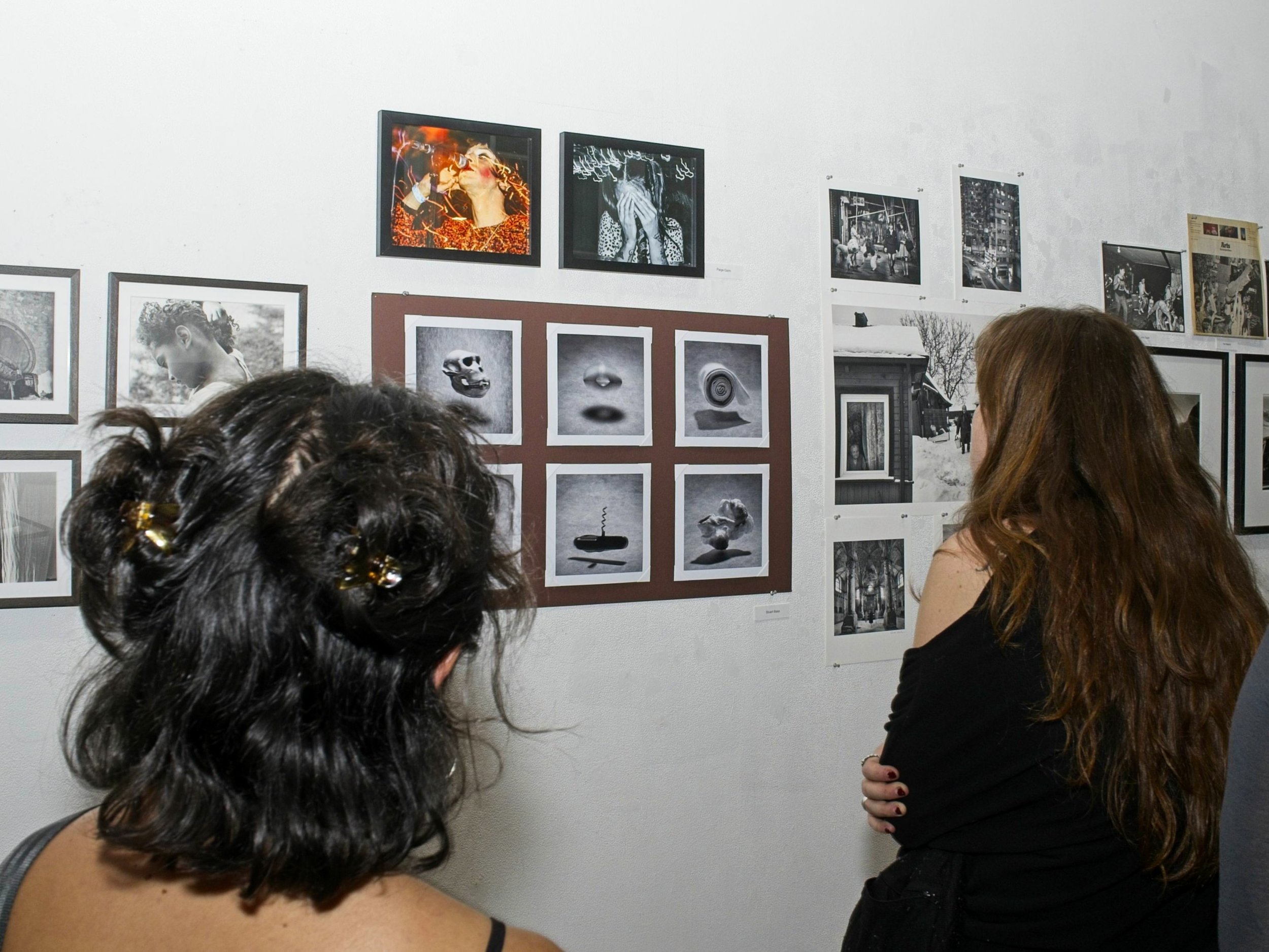
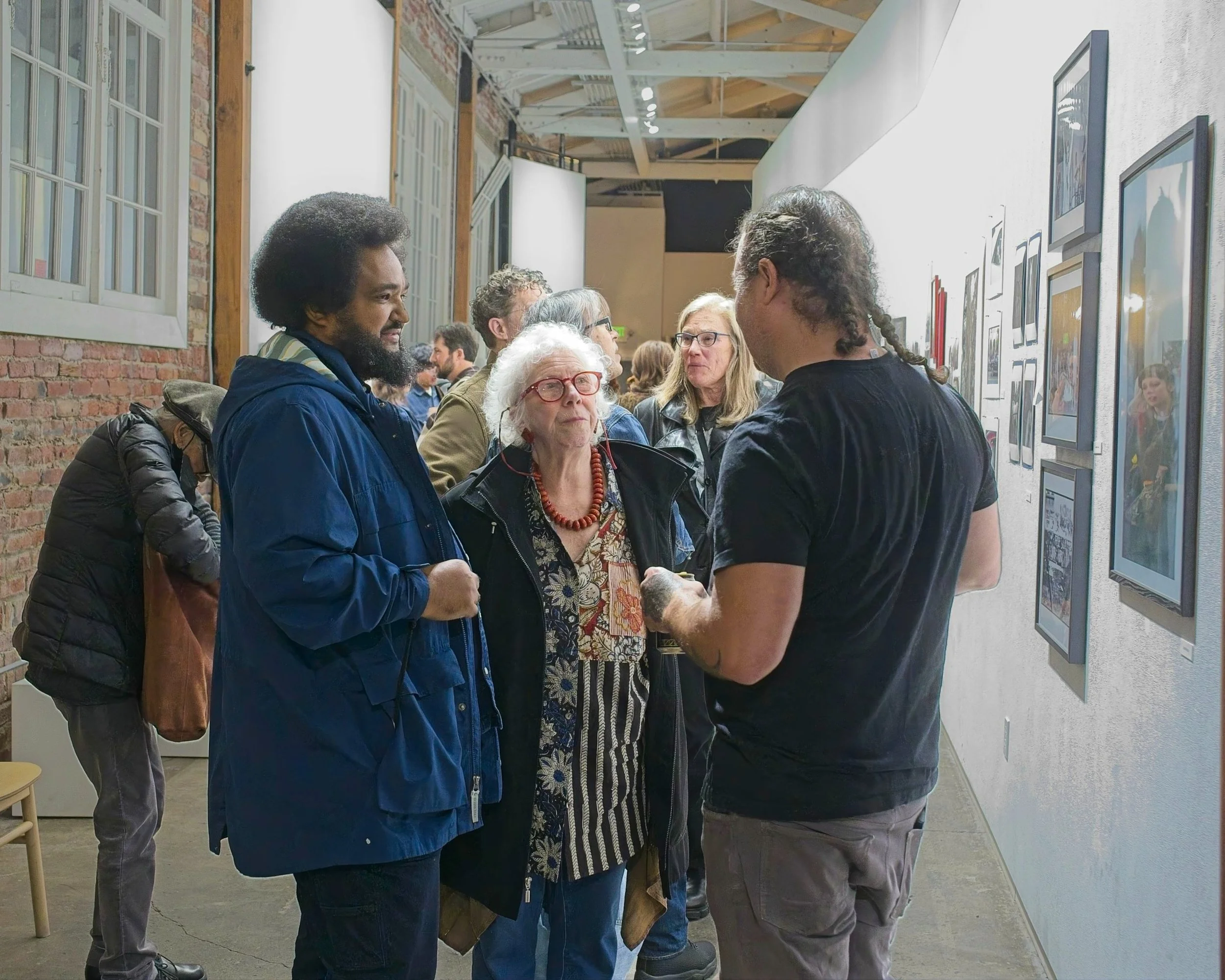
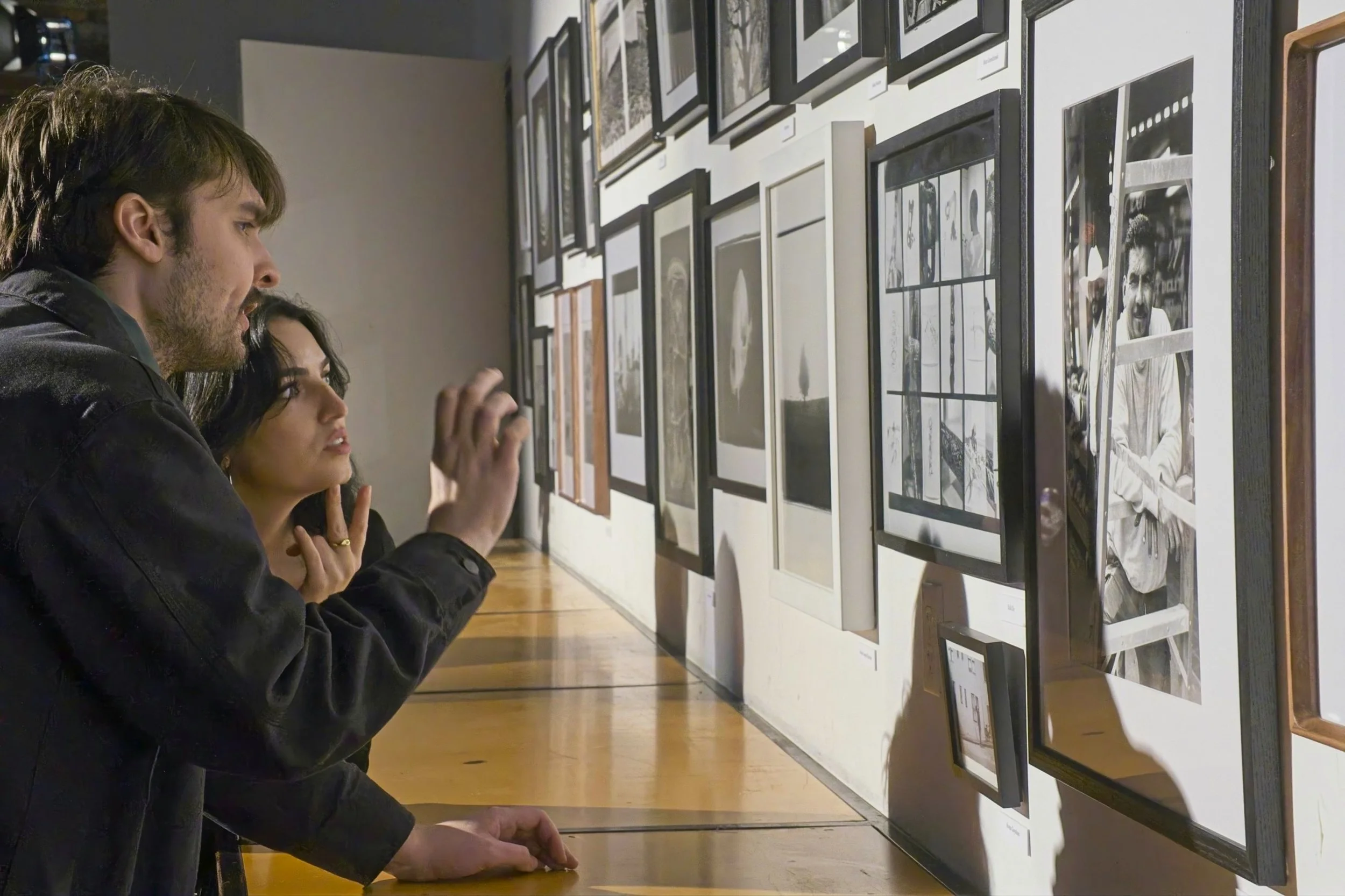
ARTISTS PRESENTING:
Adam Thorman
Amber Crabbe
Austin Schermerhorn
Cheryl L. Guerrero
Chris Gibbons
Dean Snodgrass
Hector Franco
Jake Ricker
Jared Radin
Jude Mooney
Matt Mimiaga
Nathan Cordova
Nicolo Sertorio
Oliver Klink
Stuart Goldstein
Tom Zimberoff
PROJECTS PRESENTED BY THE ARTISTS:
Adam Thorman
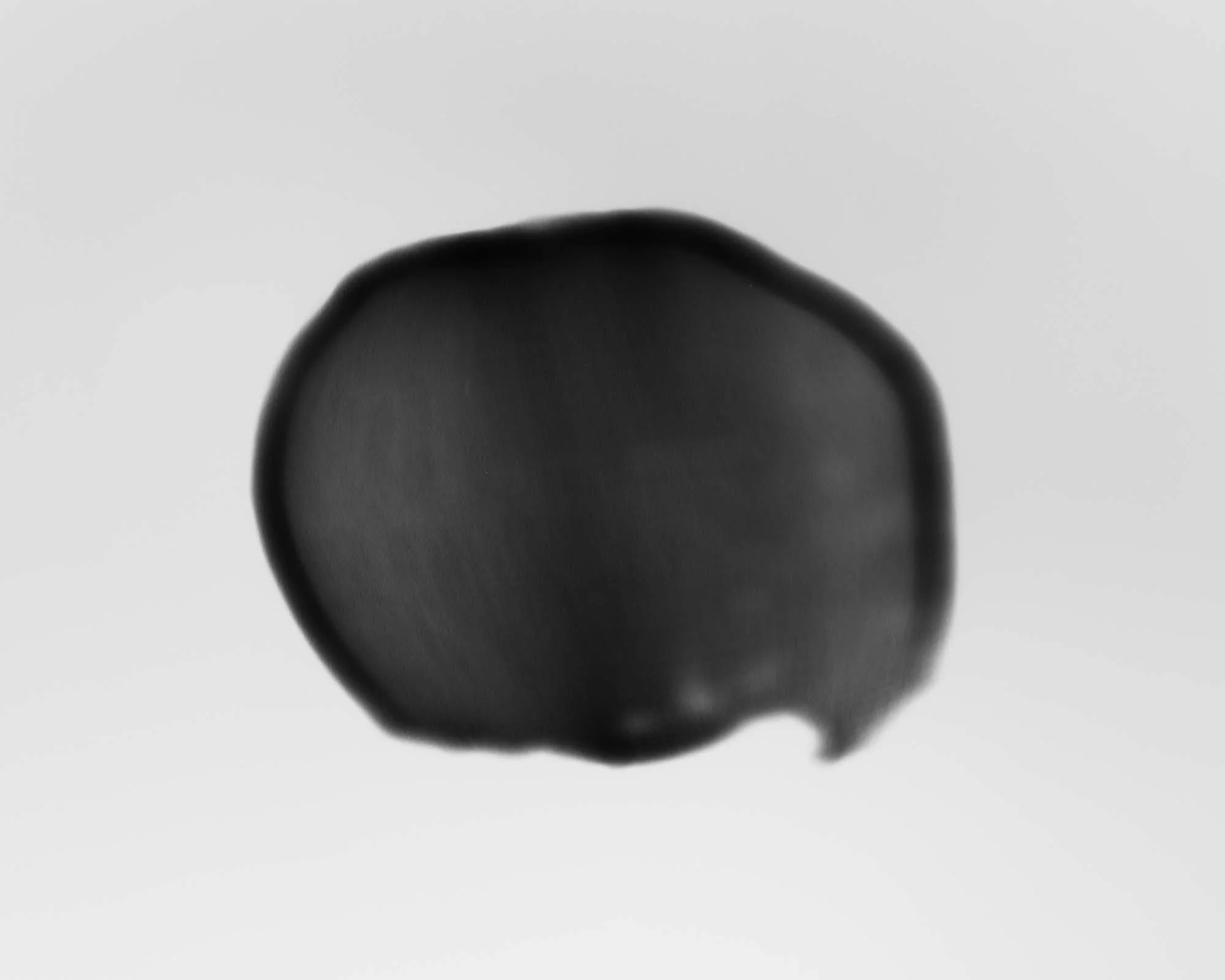
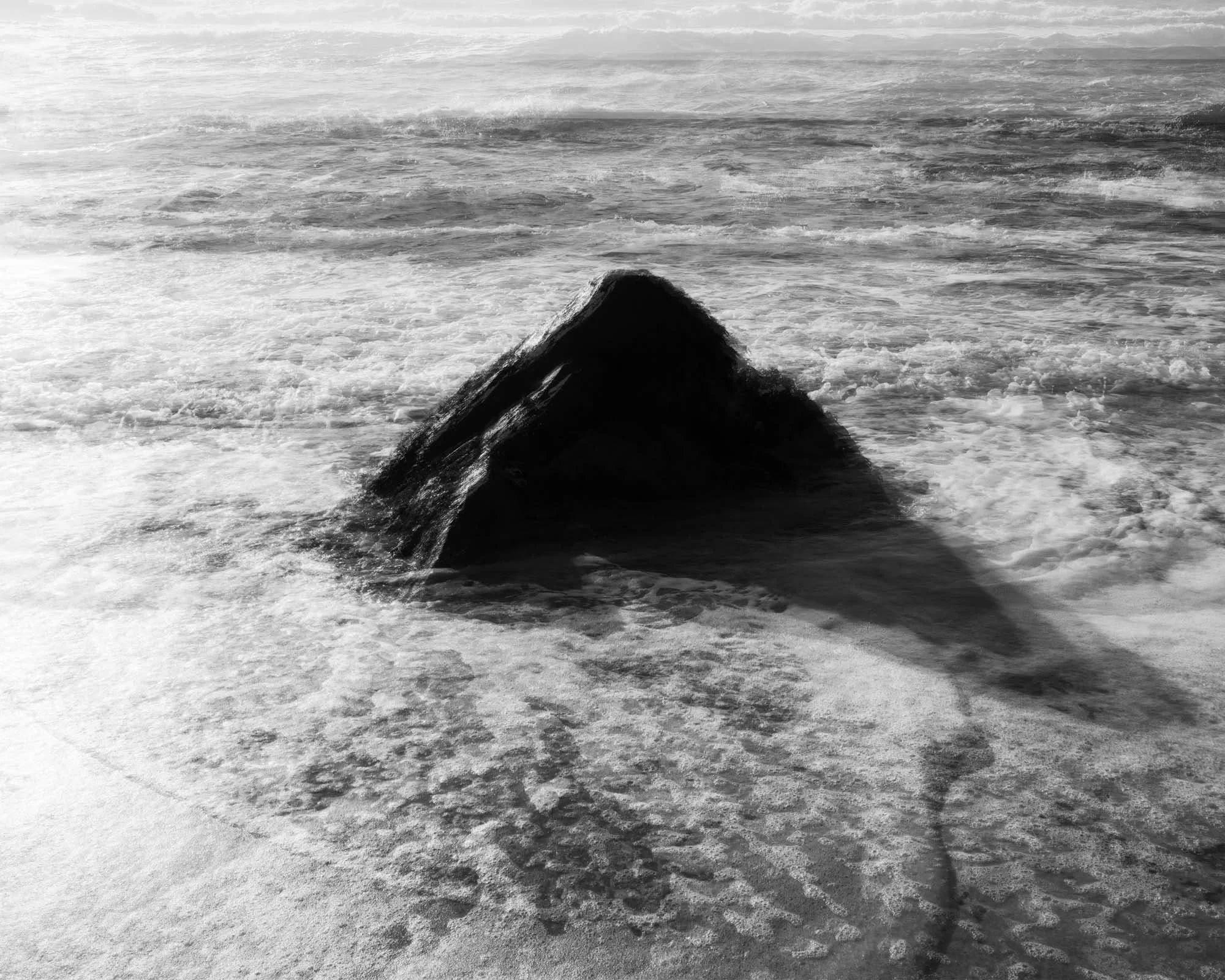
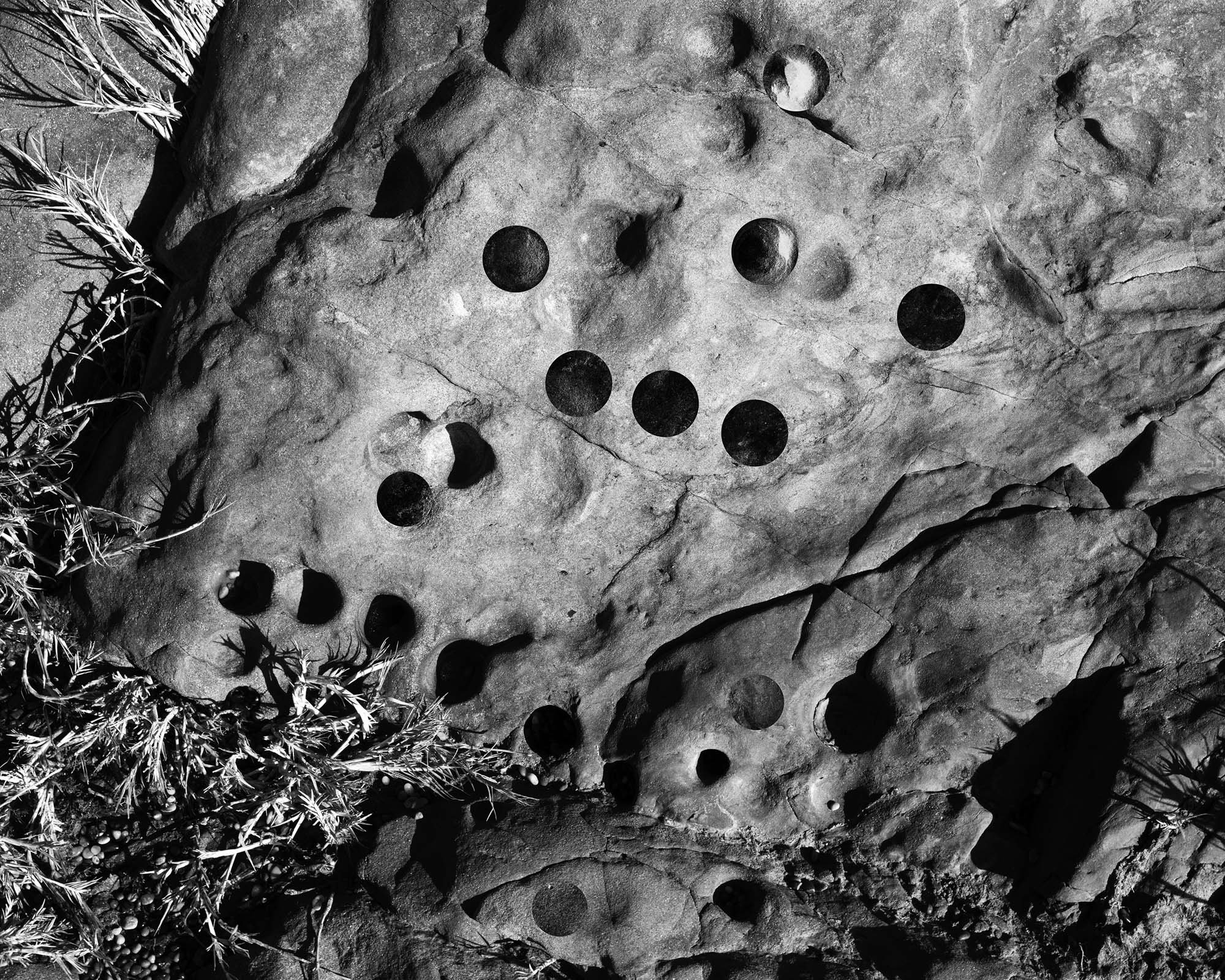
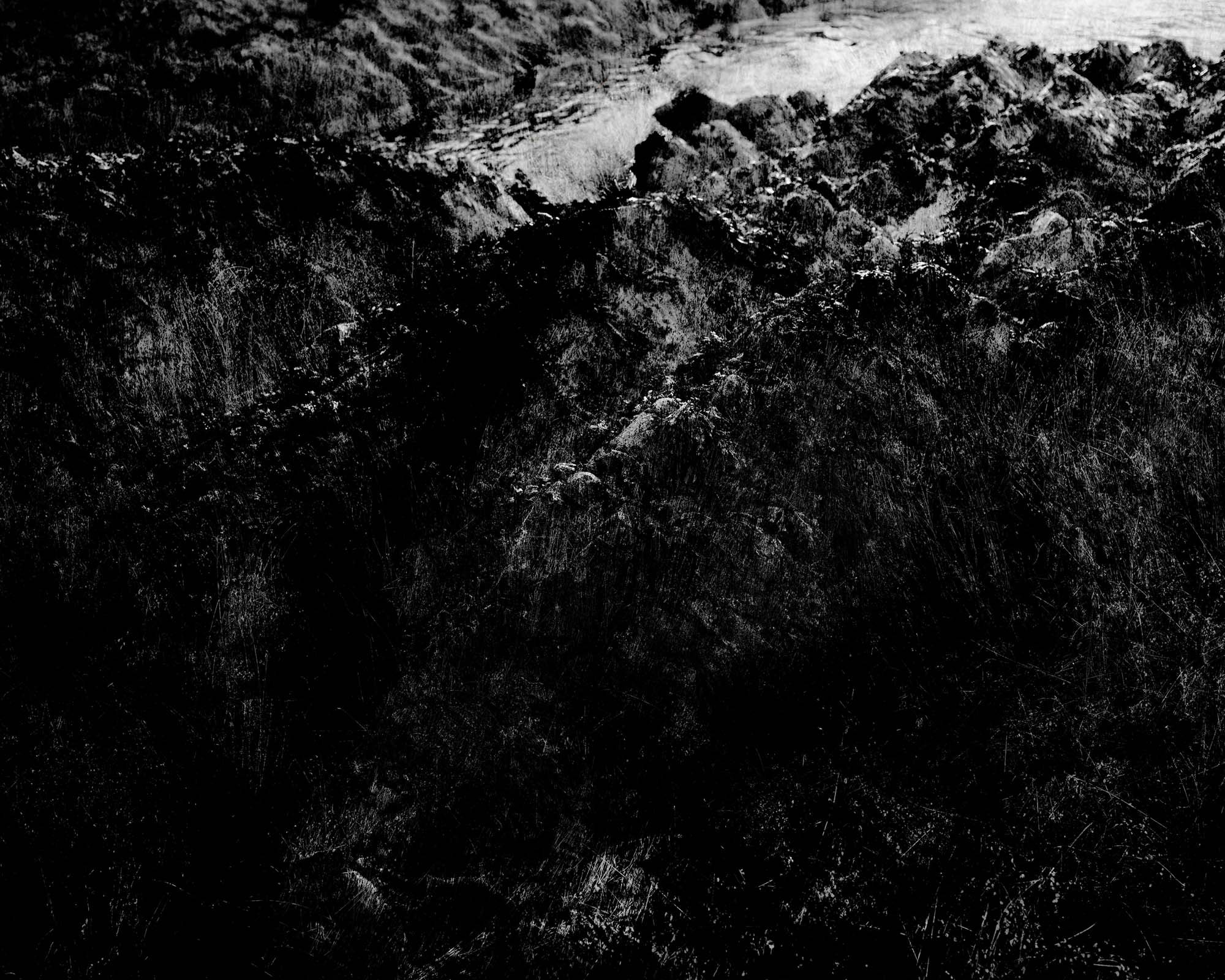
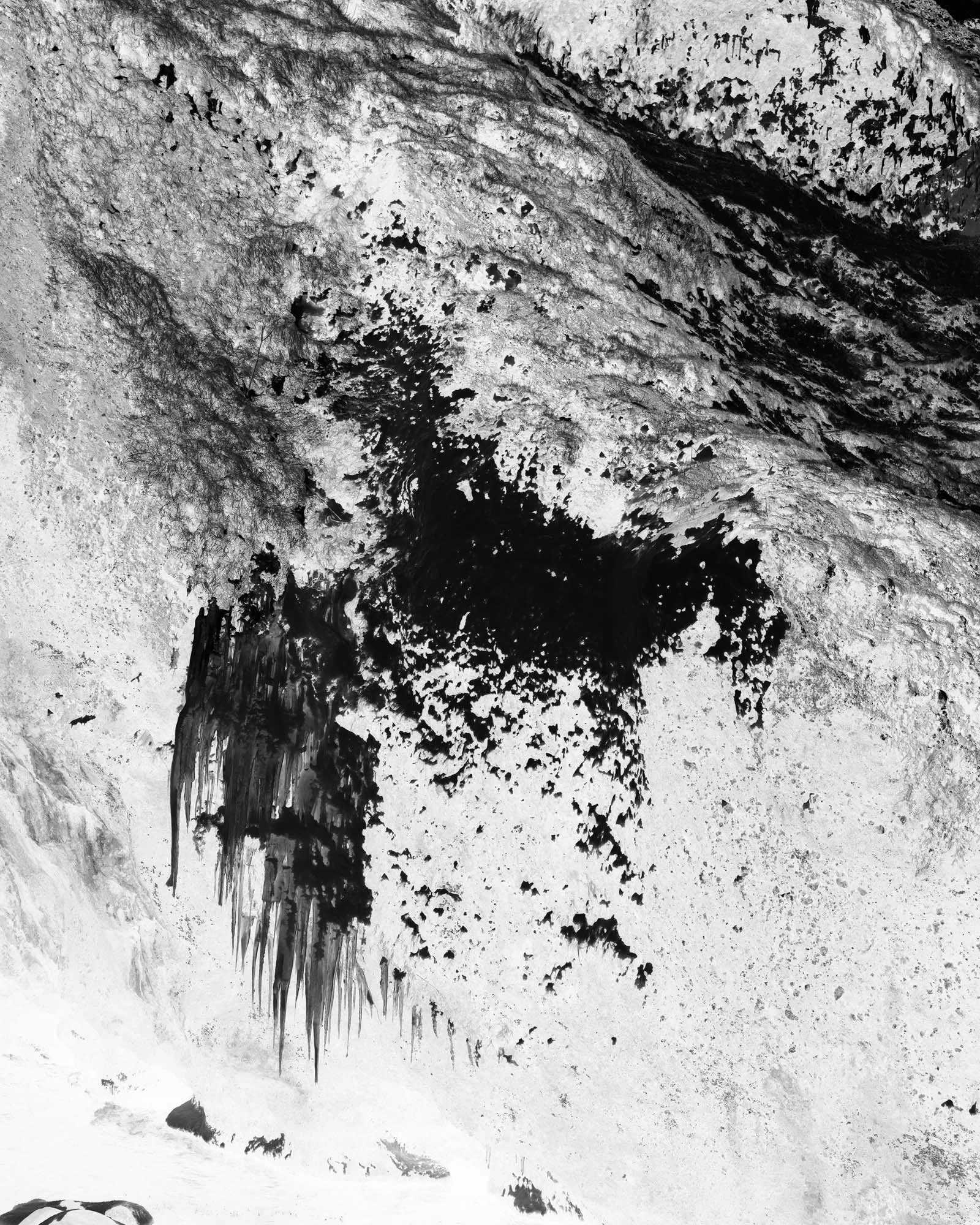
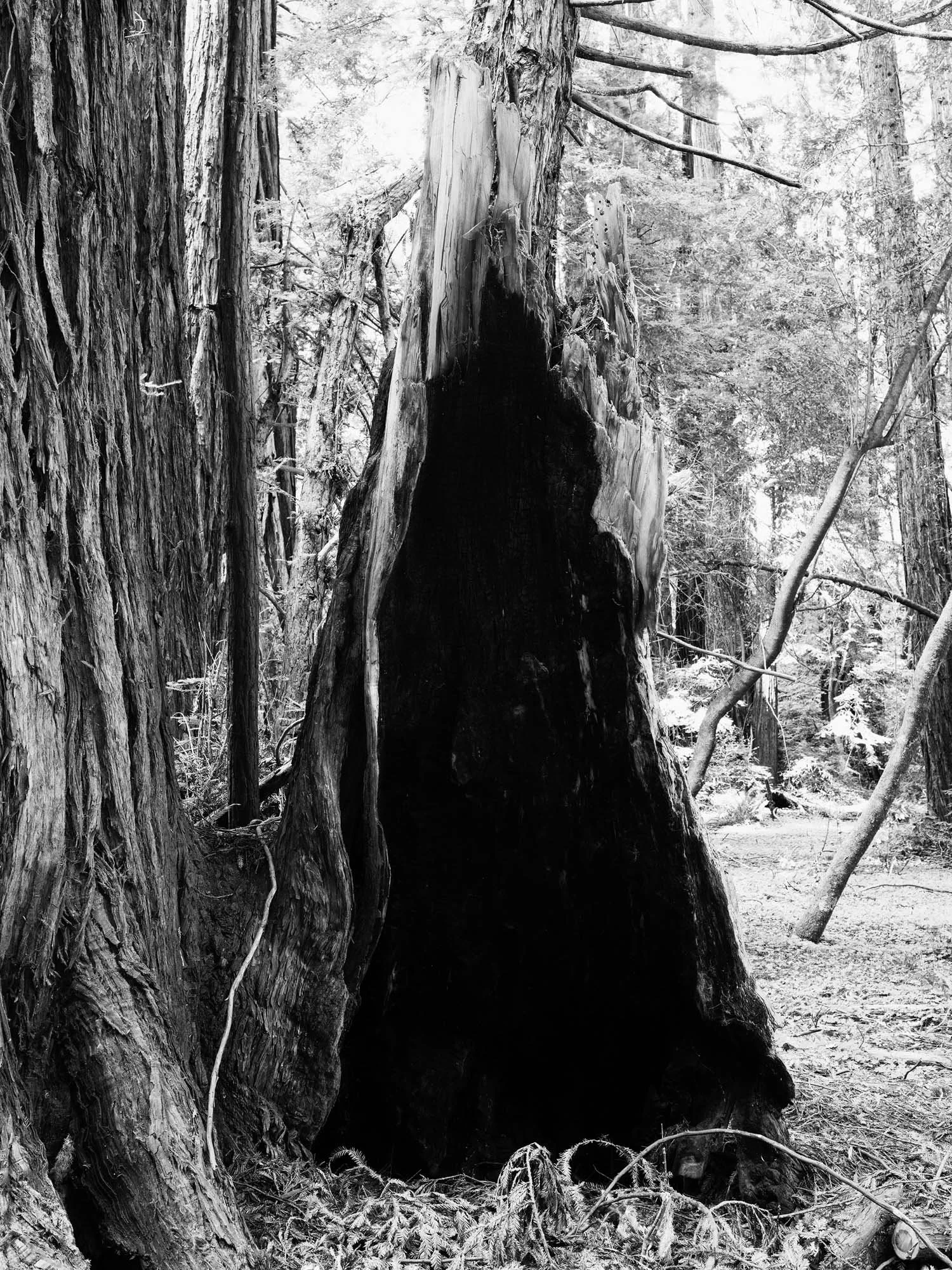
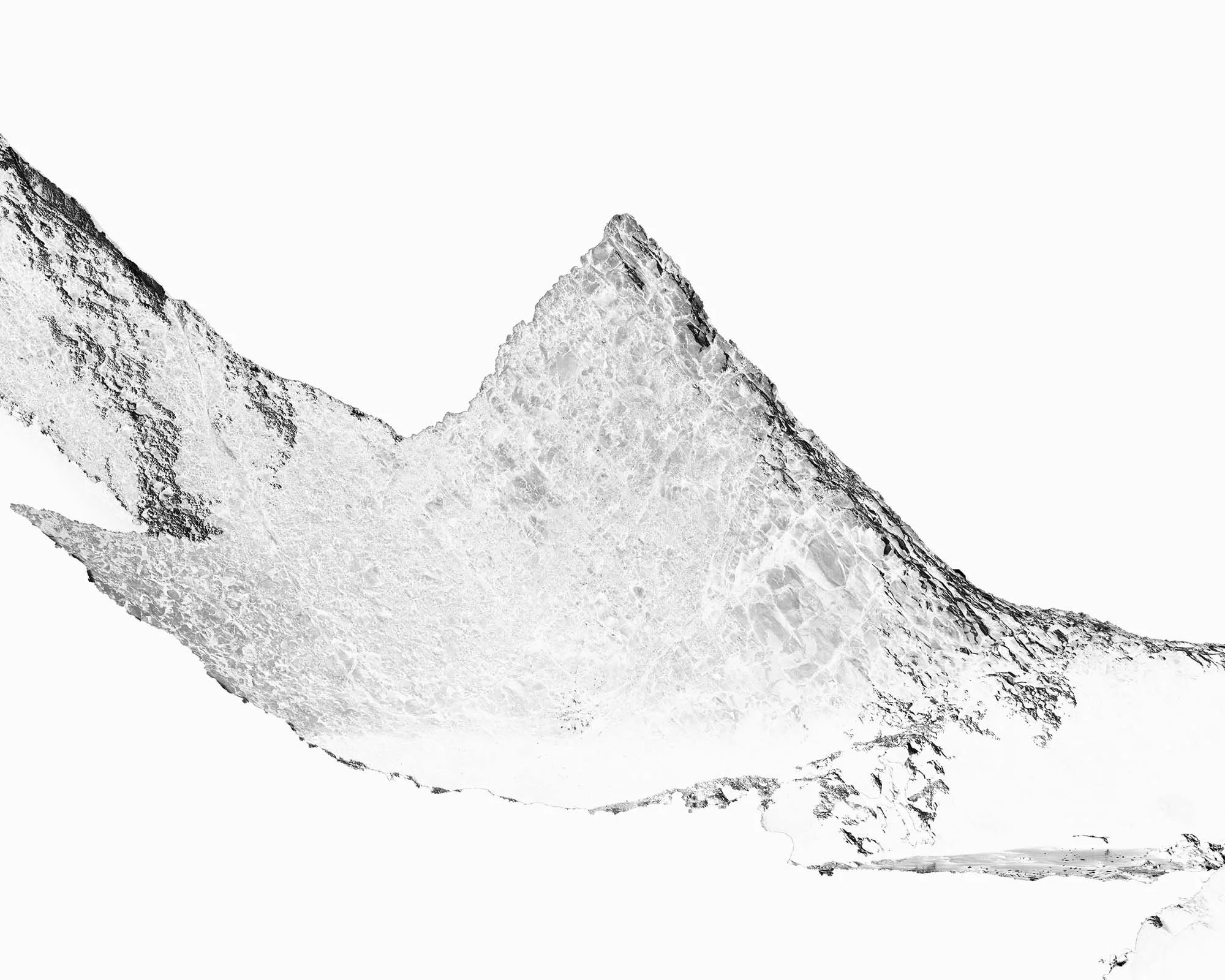
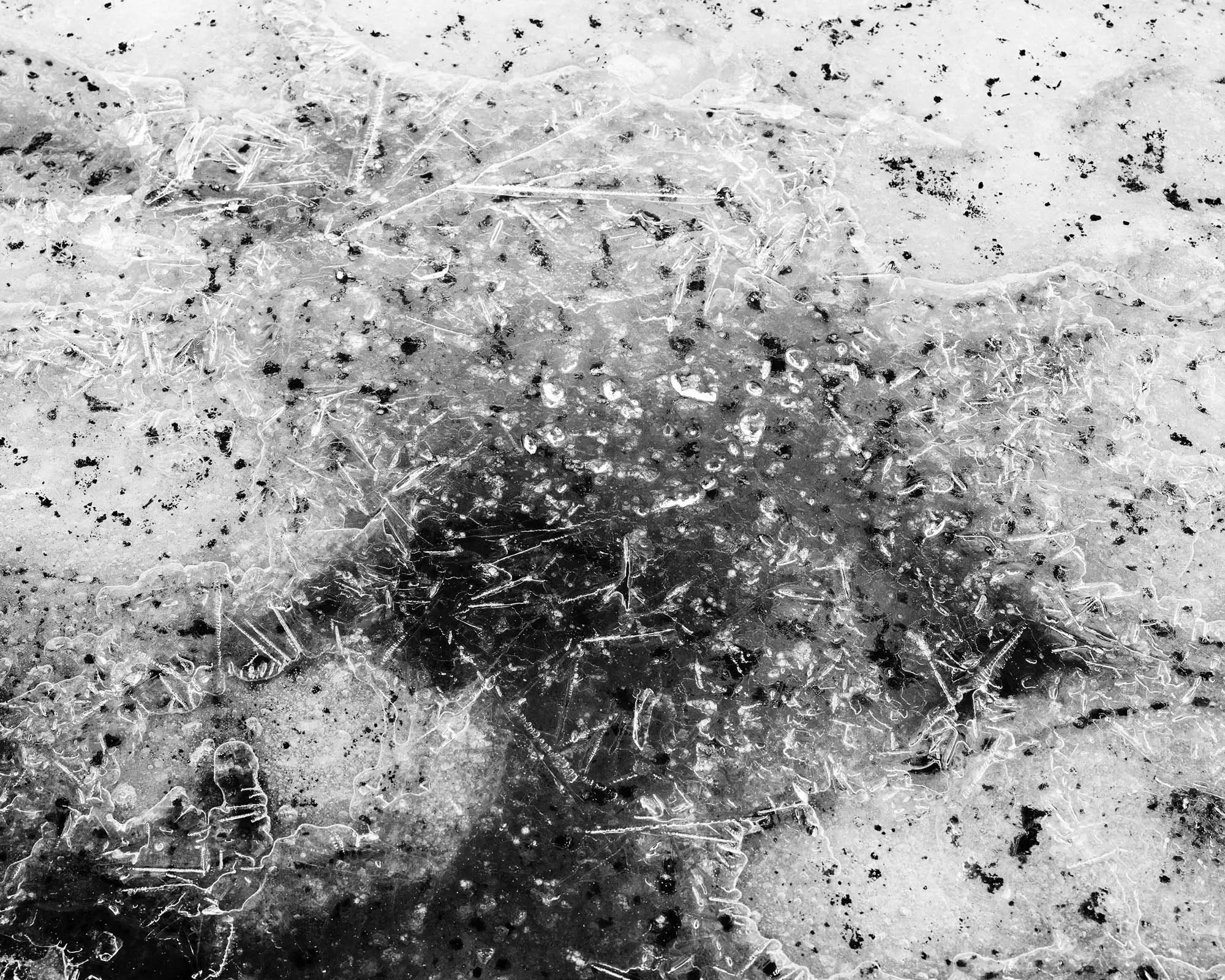
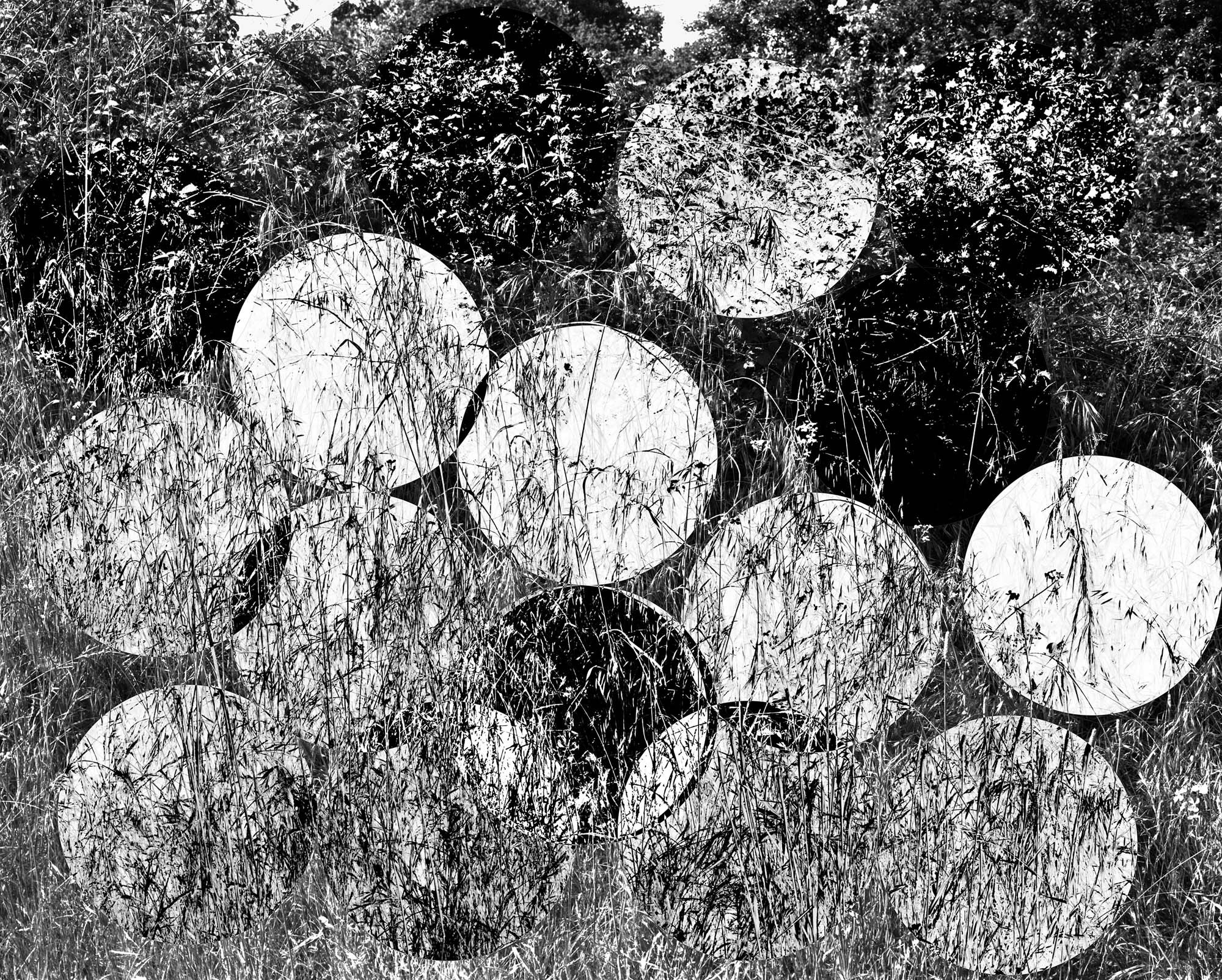
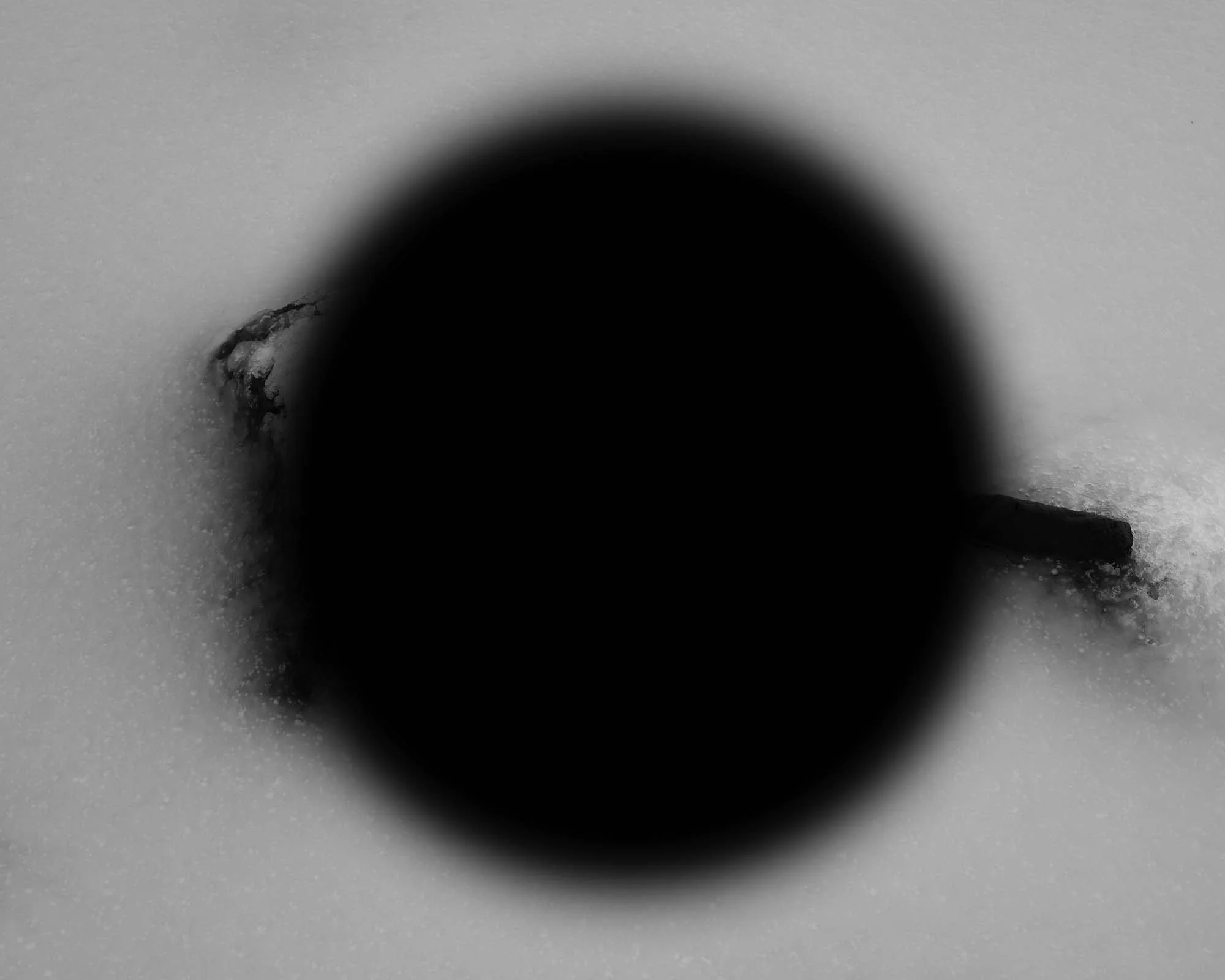
STATEMENT: VOIDS is a project that aims to find a visual language to address the damage we’re doing to the land that isn't always visible. It uses a metaphorical approach to talk about a subject that a documentary approach doesn’t always effectively communicate. The series uses the concept of the void in the landscape to evoke the things we sense, but can't see and the images bring those scars to the surface, creating the felt experience of living in the land during this time of environmental crisis.
BIO: Adam Thorman is an artist, photographer and educator based in Oakland, CA. His first book "Creatures Found" was published by The Eriskay Connection in 2024 and his next book "Voids" is scheduled to be released by them in Spring 2027. His work has been written about in the LA Times, SF Chronicle, New York Times and KQED and is in the collection of SFMOMA. Influenced by the post-war Japanese photographers like Kikuji Kawada and Shomei Tomatsu and by his youth in the Bay Area amongst the tide pools and redwoods, he approaches the landscape as an interpretive space where meaning is expansive.
Amber Crabbe
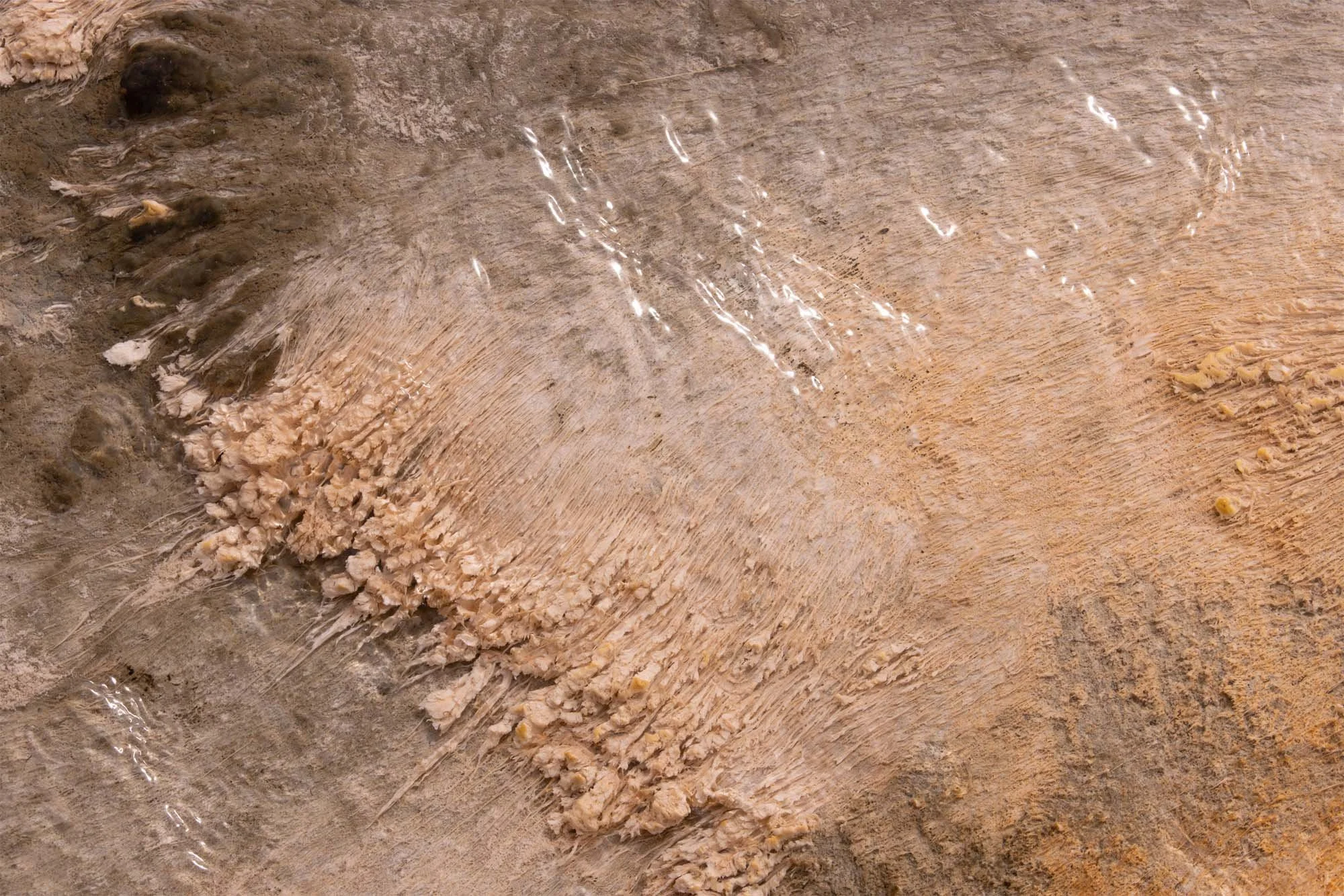
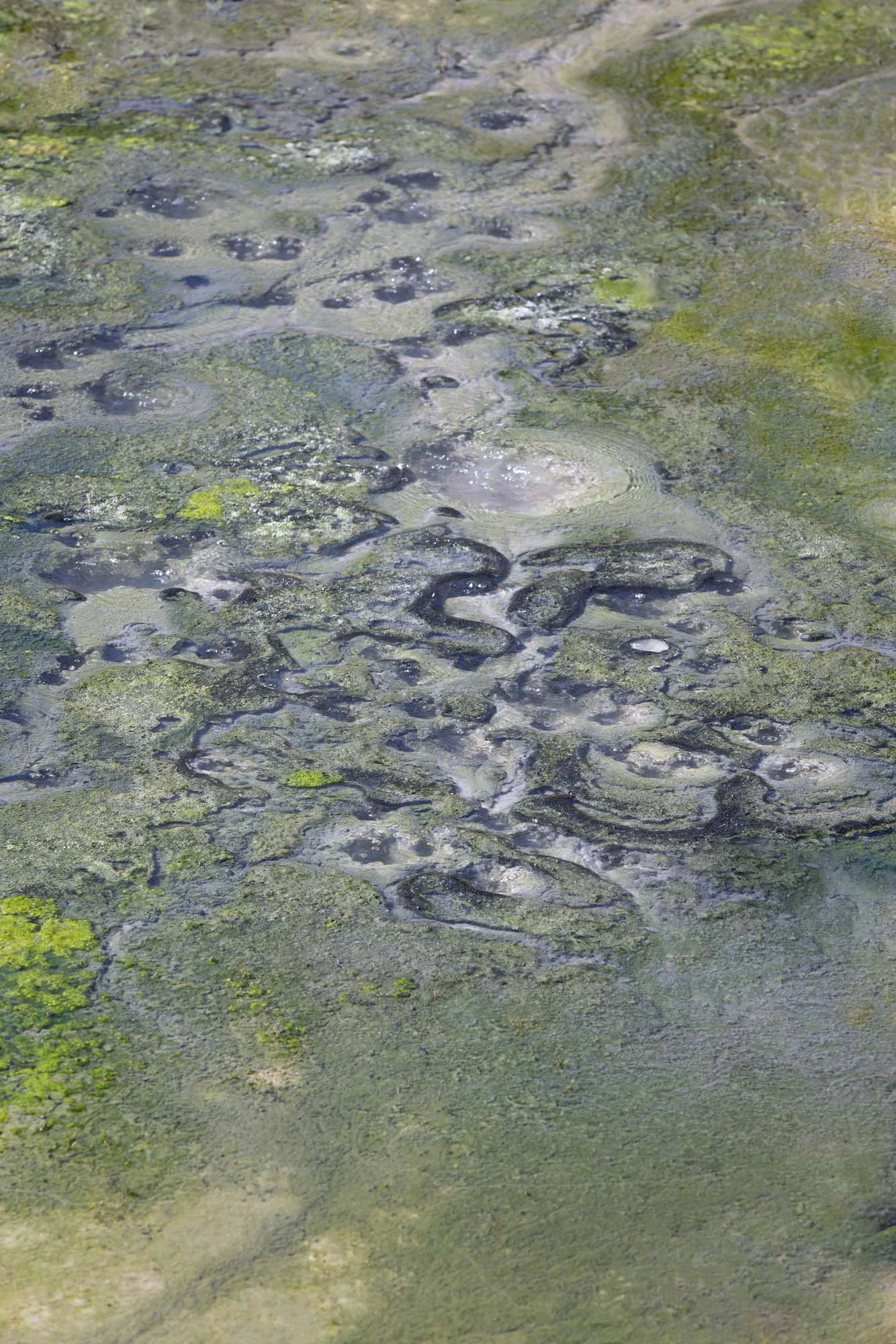
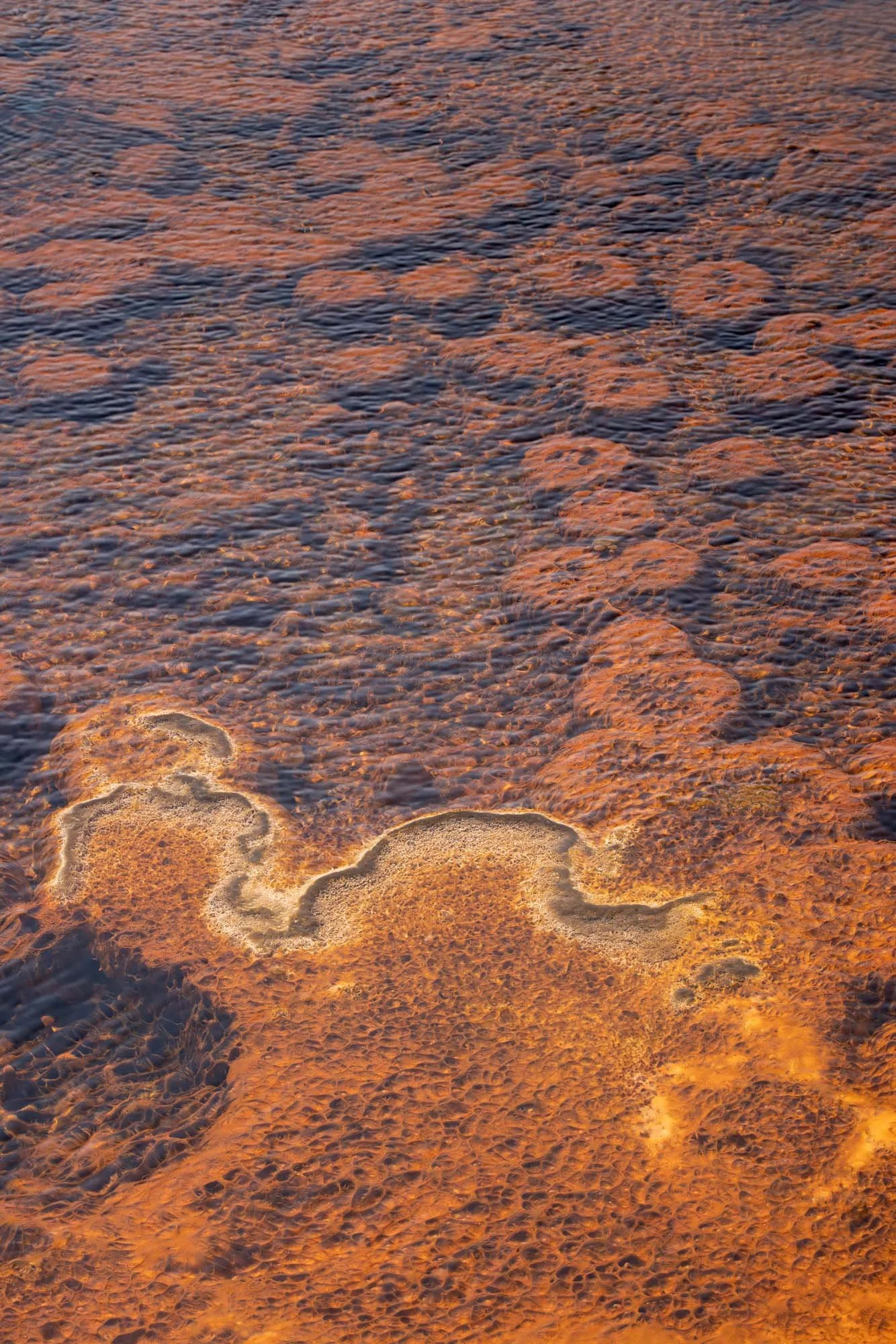
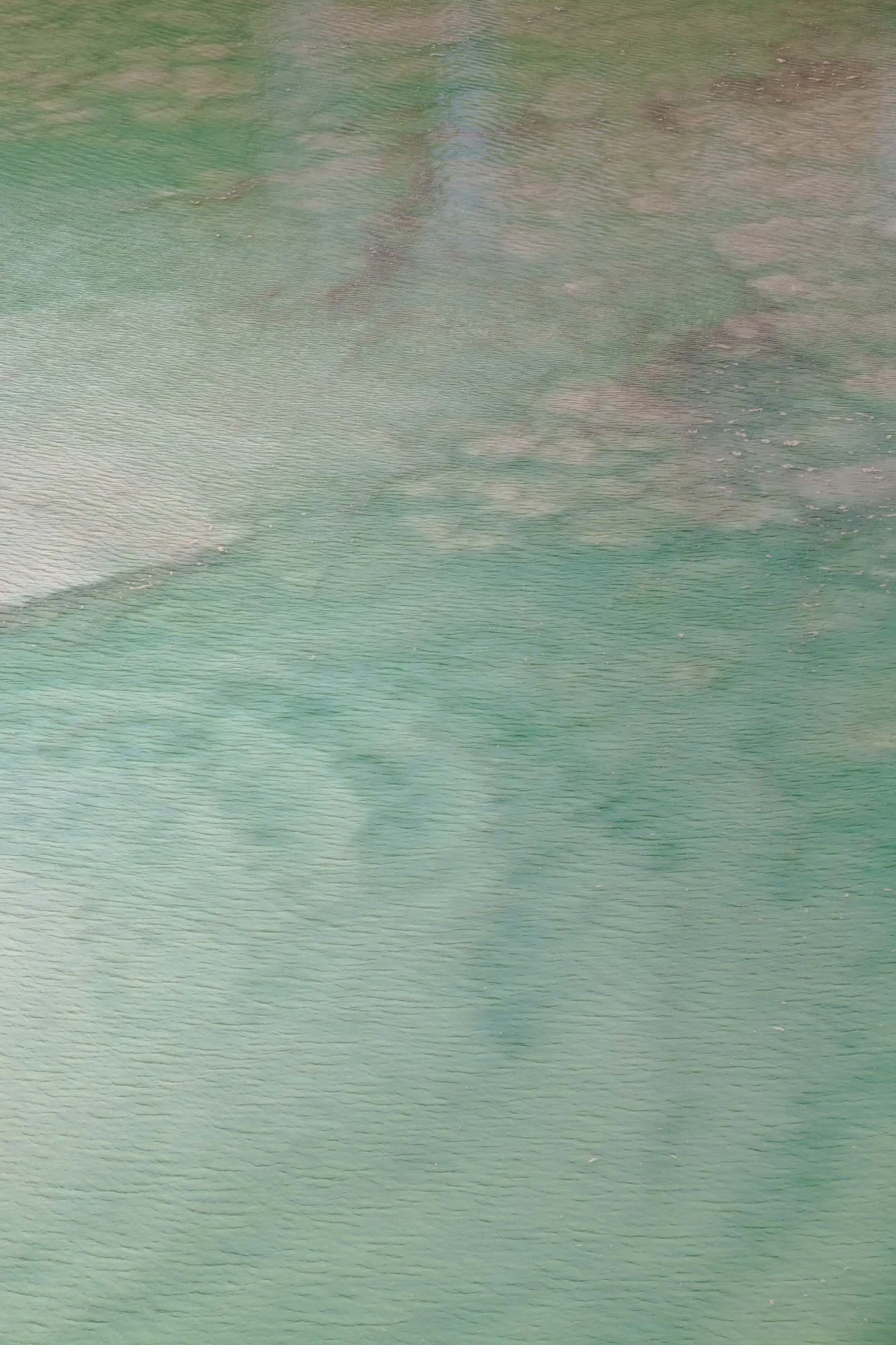
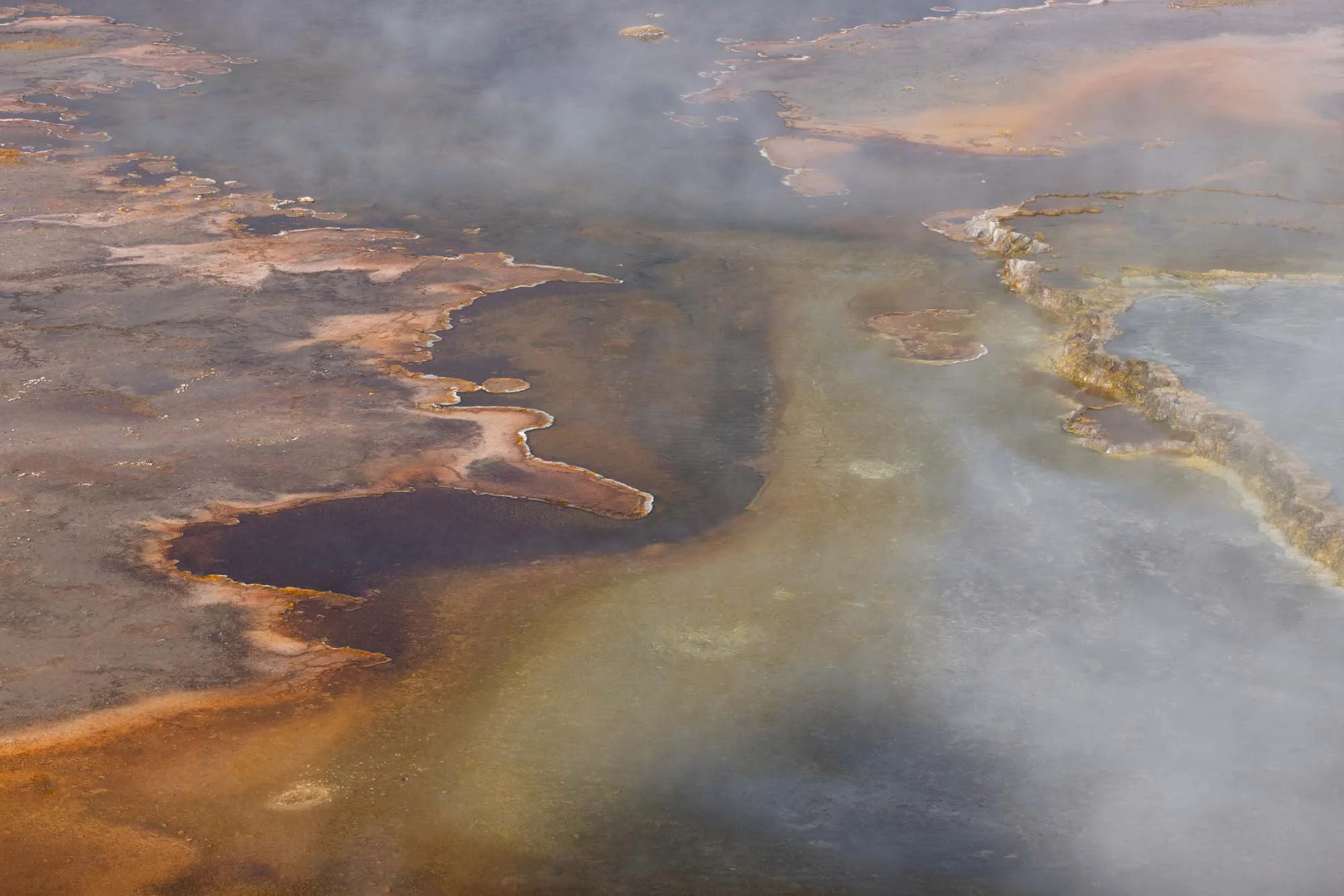
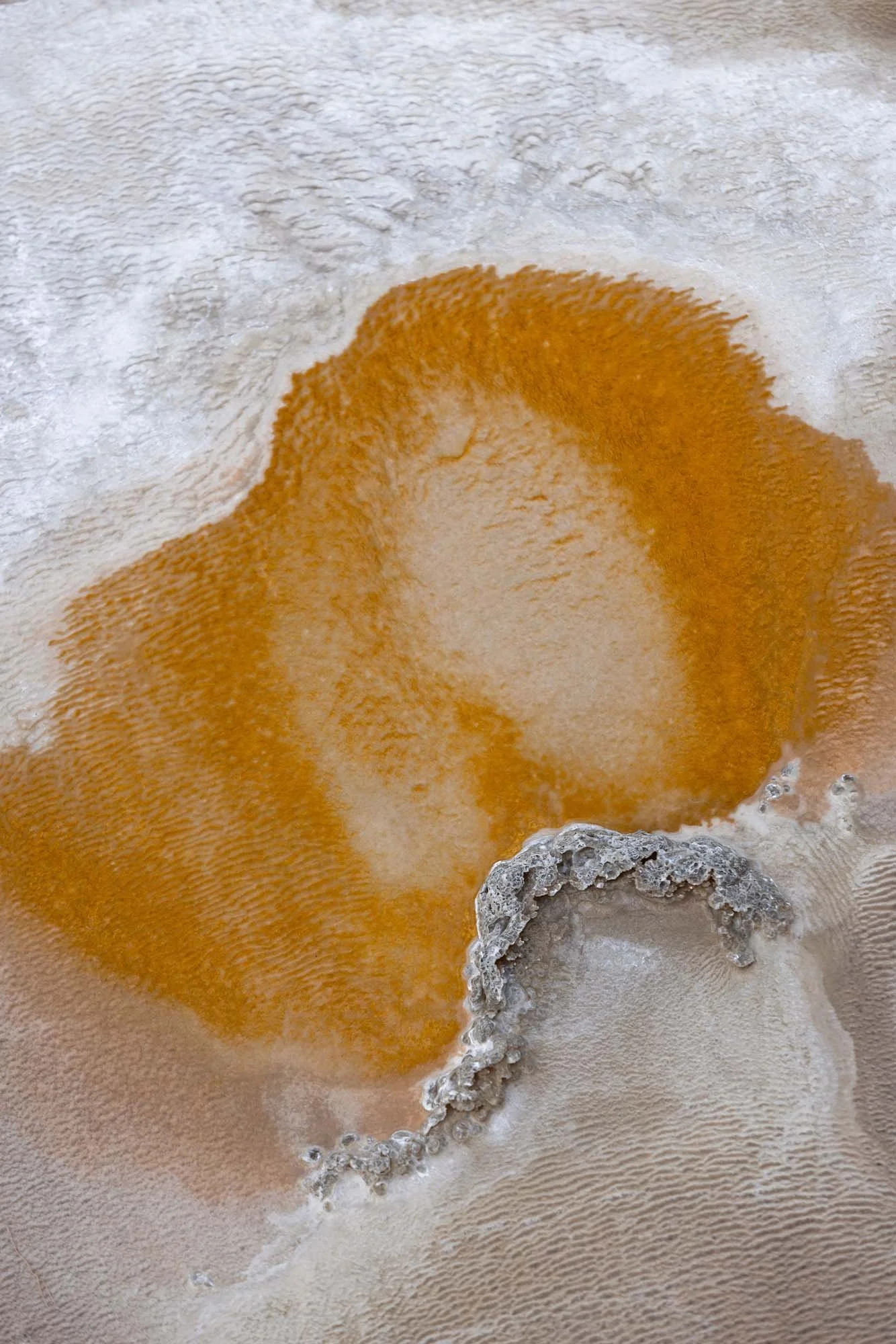
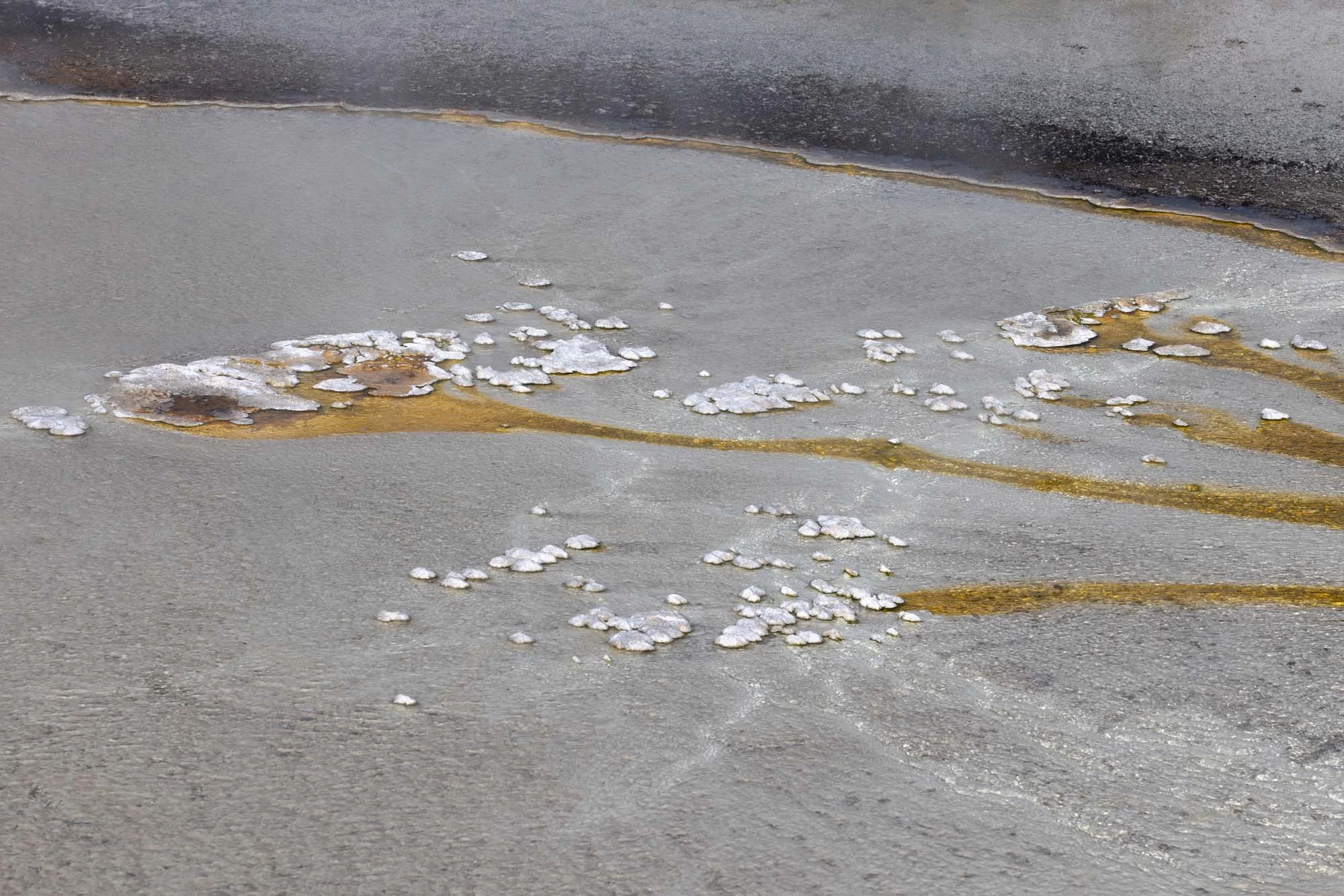
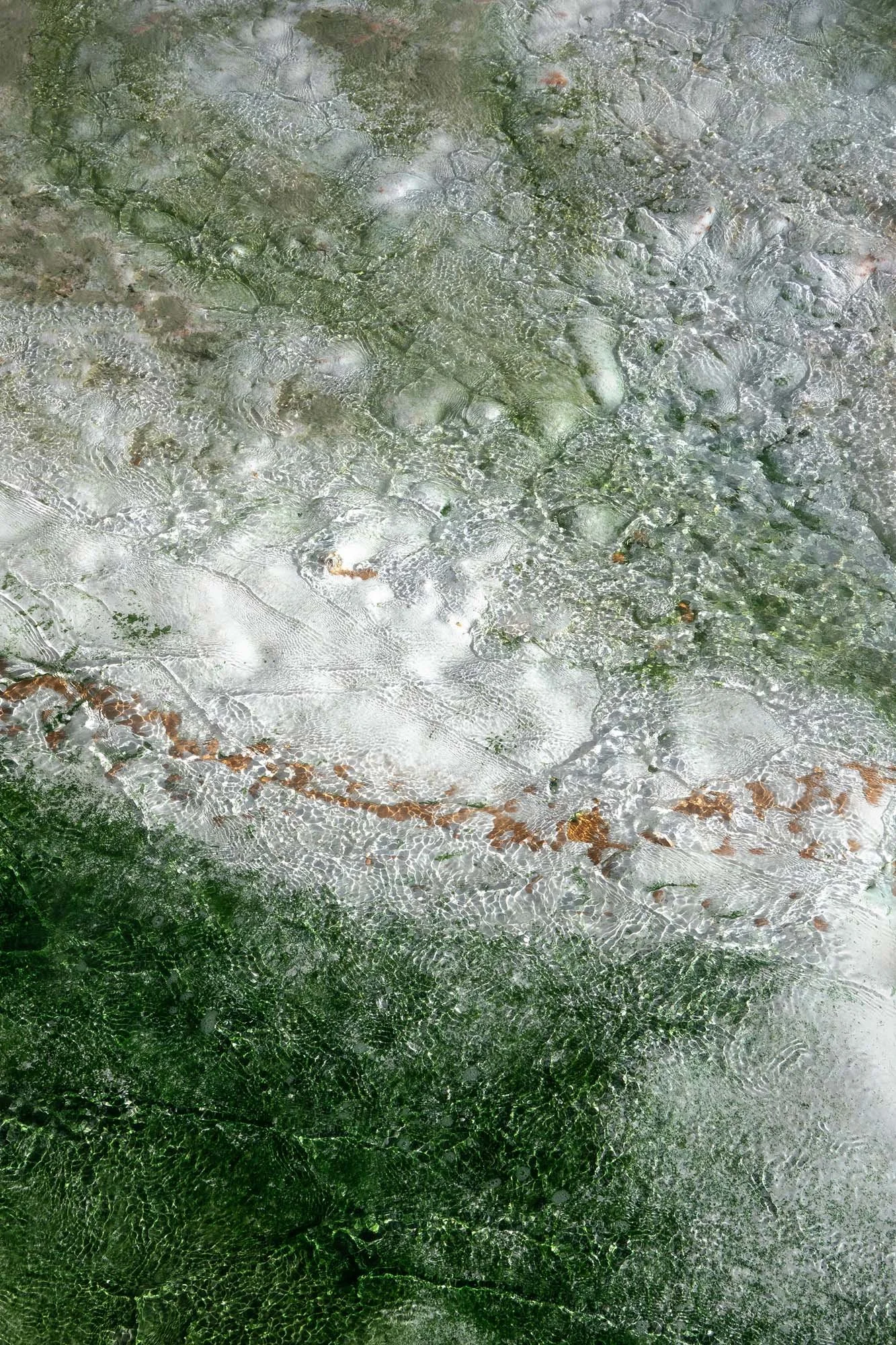
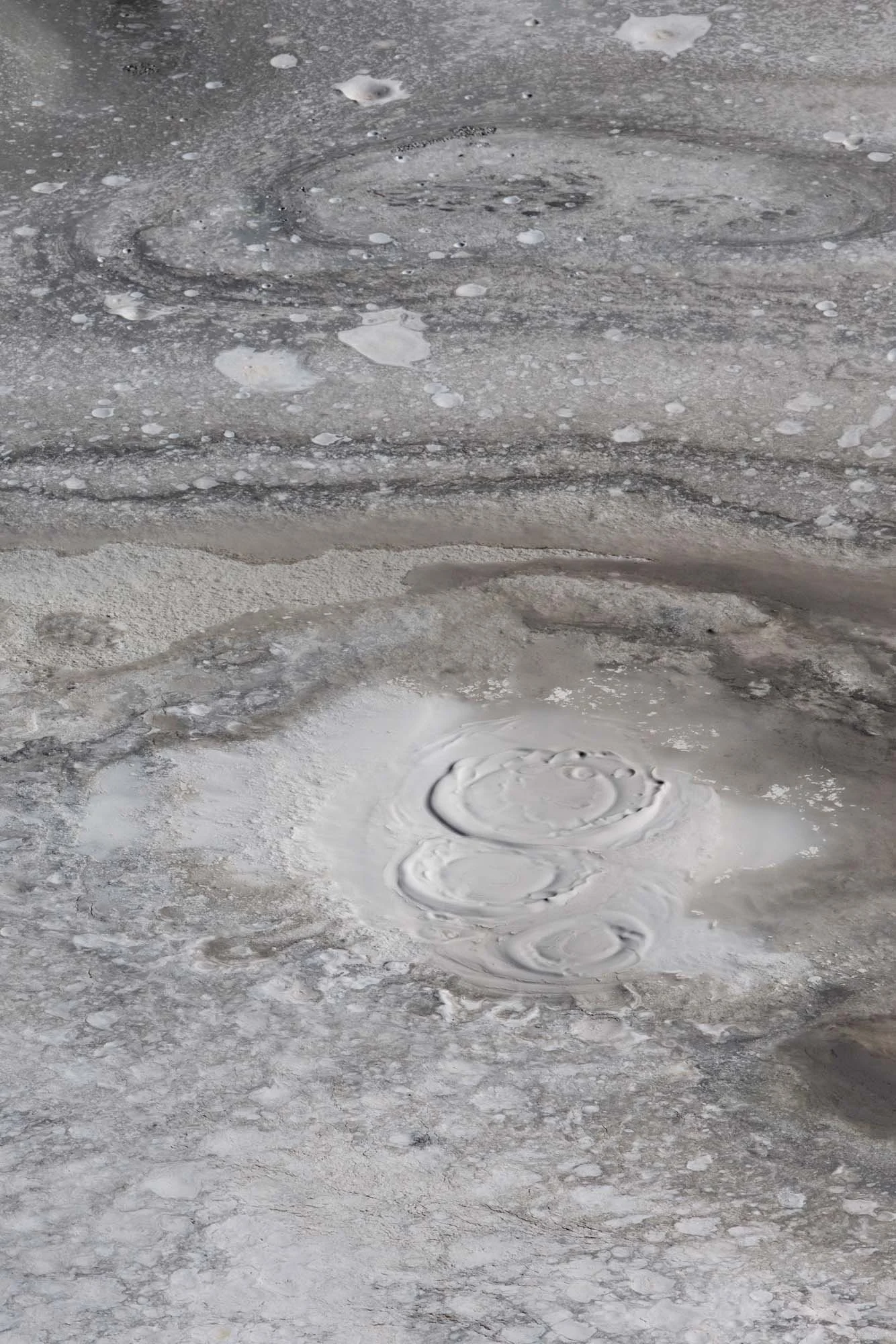
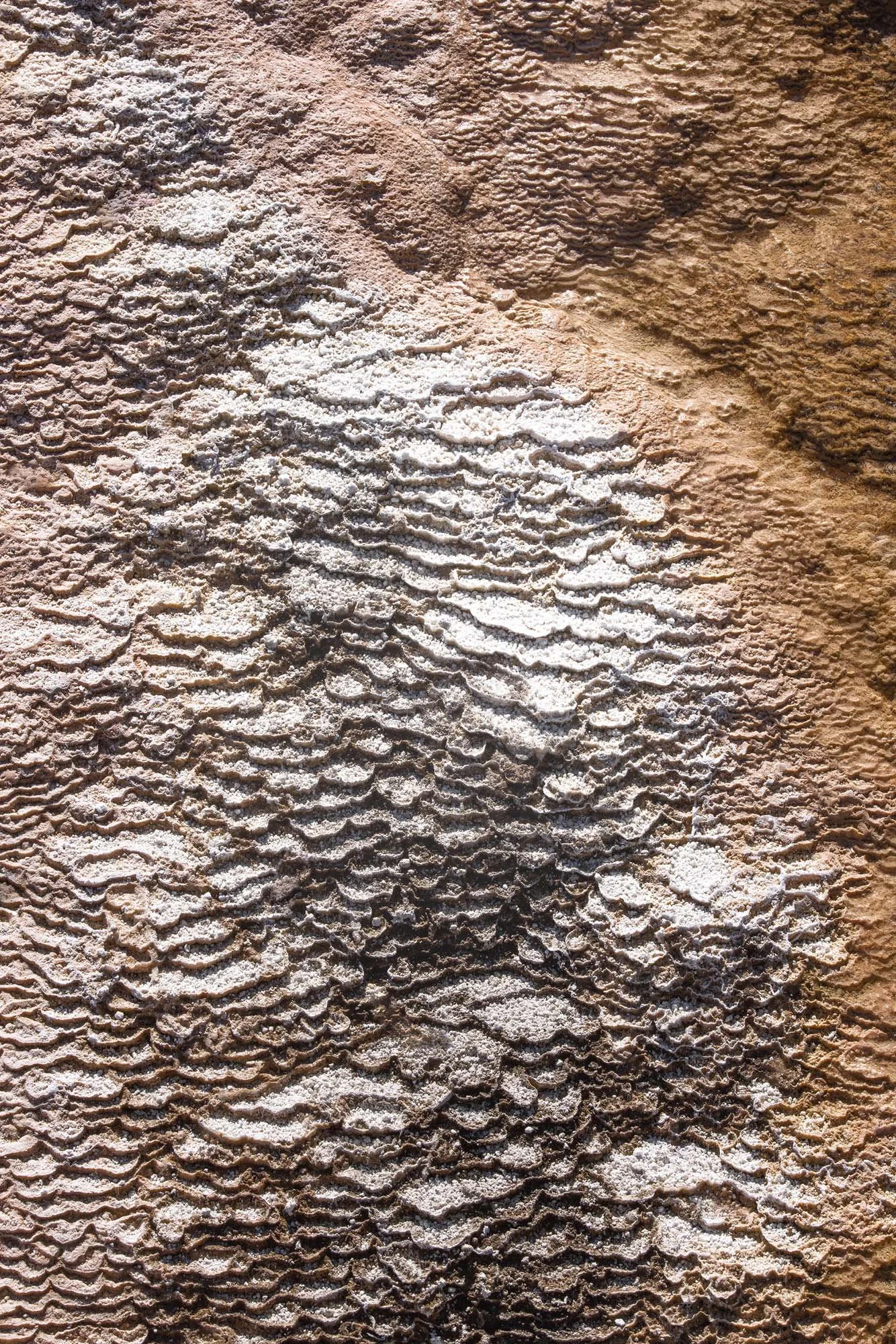
STATEMENT: Where can one find someplace unmapped, something truly unknowable? In my project I Dreamed We Could Stand Still, I reimagine dynamic natural environments such as volcanic areas and geothermal pools. I witness the flow and shift and churn and steam of these areas over milliseconds, minutes and years. I visually isolate and still the chaos, breaking it down into texture, color, lines, and geometry. I transform these fluctuating landscapes into something familiar, to recognize them in a way, even if I will never truly know them.
BIO: Whether exploring novel landscapes or her everyday surroundings, Amber Crabbe uses photography to create vignettes into new worlds, transforming everyday scenes into something unexpected. Her propensity to daydream and escapist tendencies introduce a cognitive process into the imagemaking. Ms. Crabbe holds a Master of Fine Arts in Photography from the San Francisco Art Institute and received a Bachelor of Science in Art and Design from the Massachusetts Institute of Technology. In 2018 she participated in the Yerba Buena Center for the Arts Fellows Program and in 2012 she received the Jack and Gertrude Murphy Contemporary Art Award. She has participated in numerous curated and juried exhibitions at venues throughout the U.S., including the San Francisco Arts Commission Gallery, the Griffin Museum of Photography, SF Camerawork, SomArts, the Pacific Film Archive, Gallery Route One, the Berkeley Art Center, the Gray Loft Gallery, and the Whatcom Museum. She lives and works in San Francisco, California.
Austin Schermerhorn
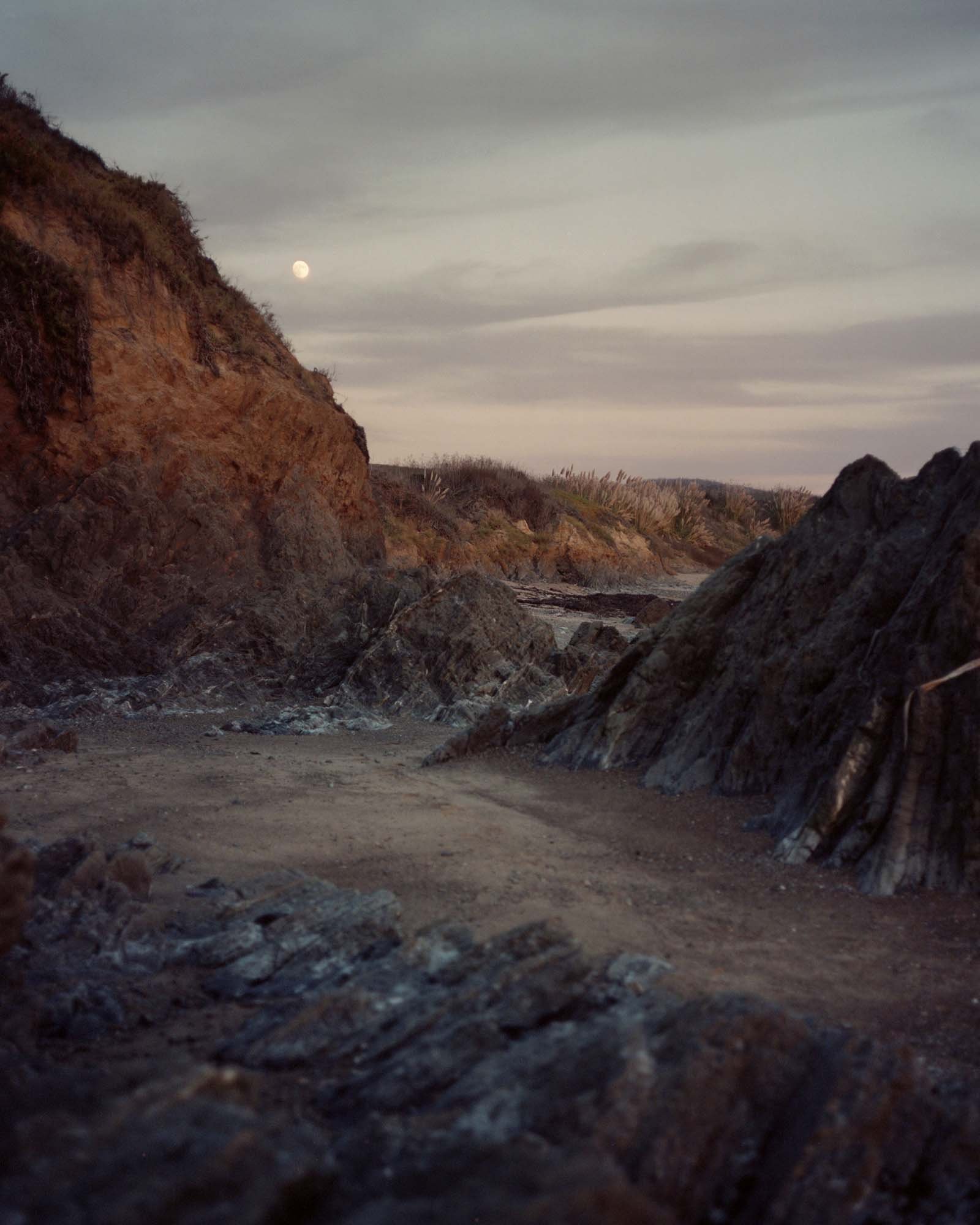
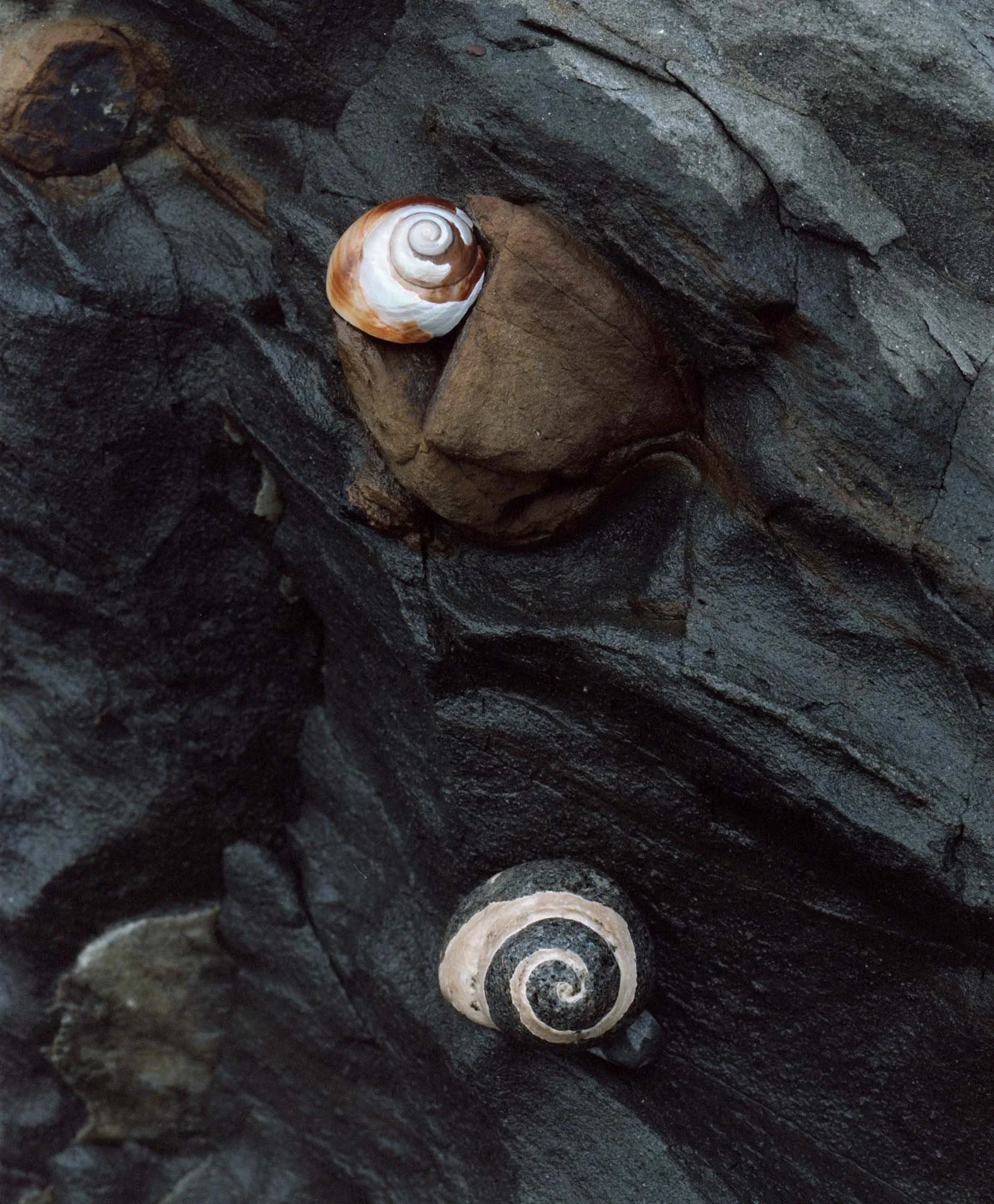
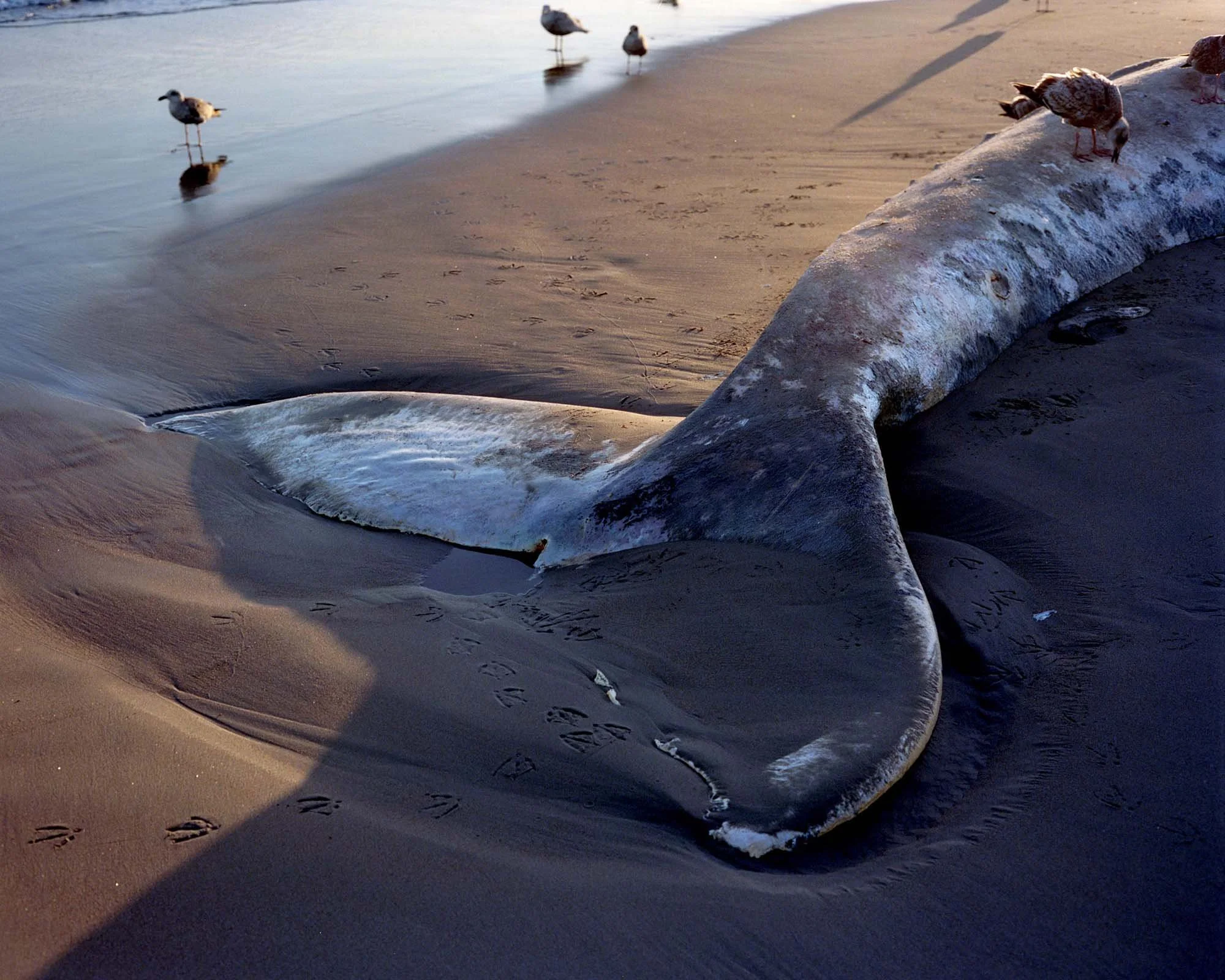
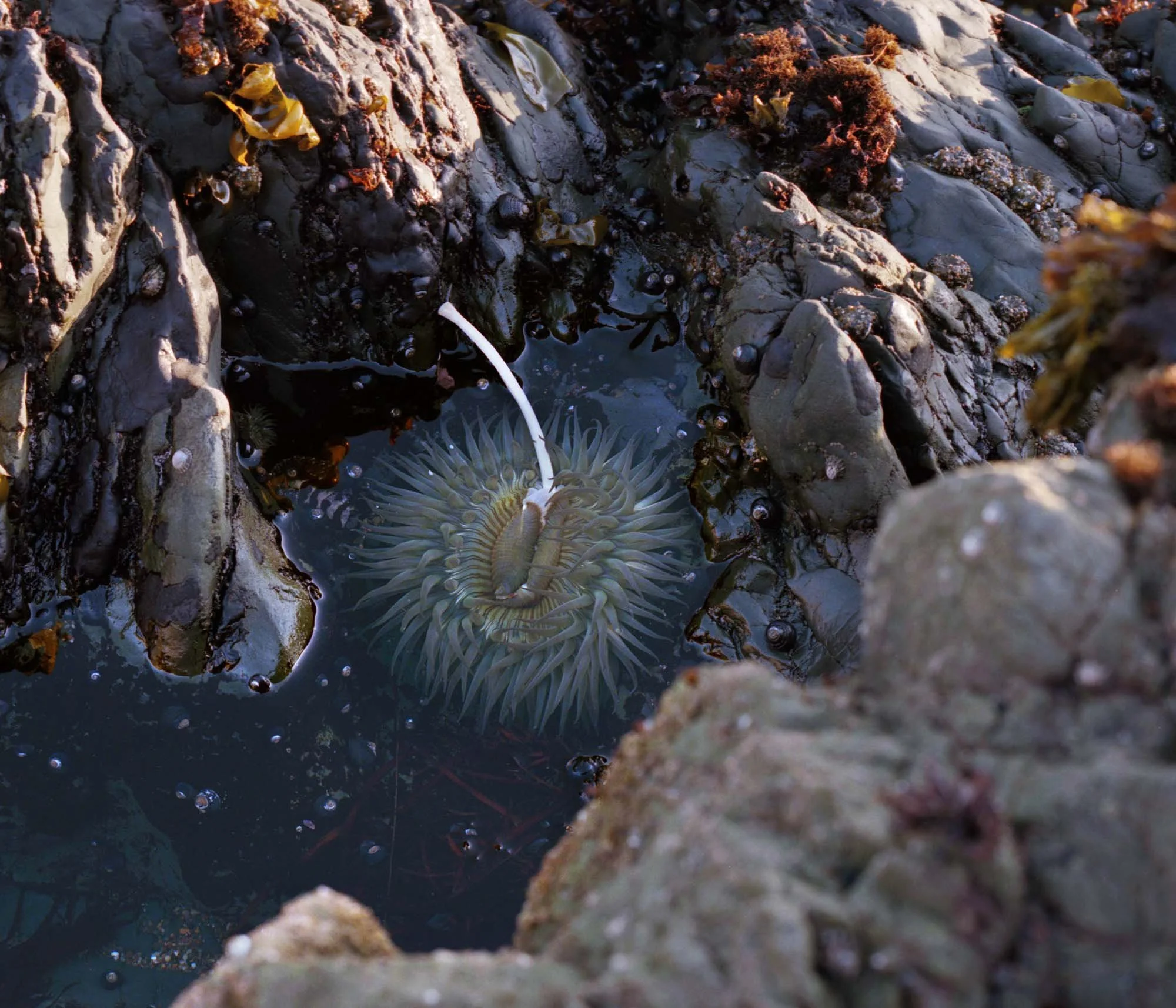
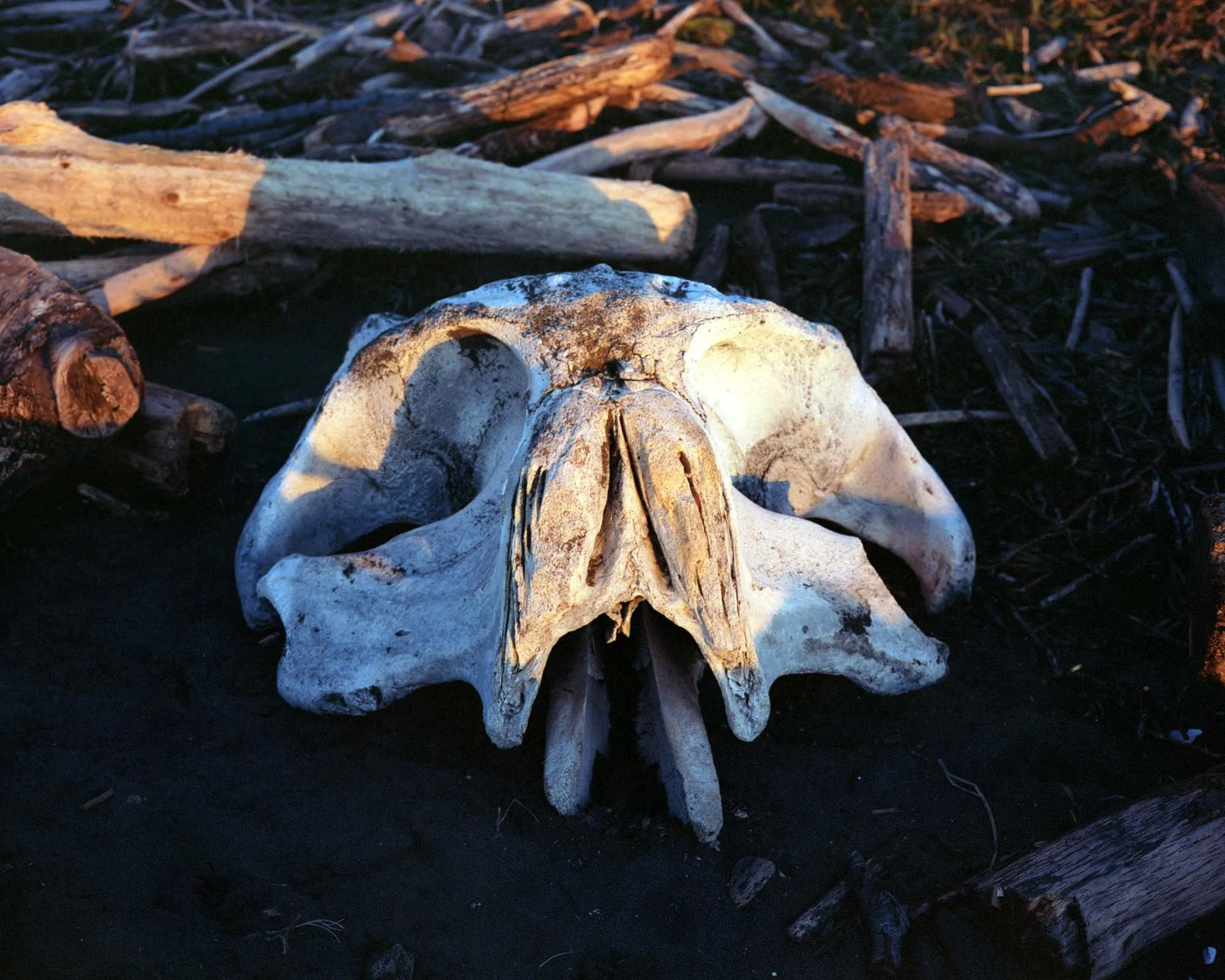
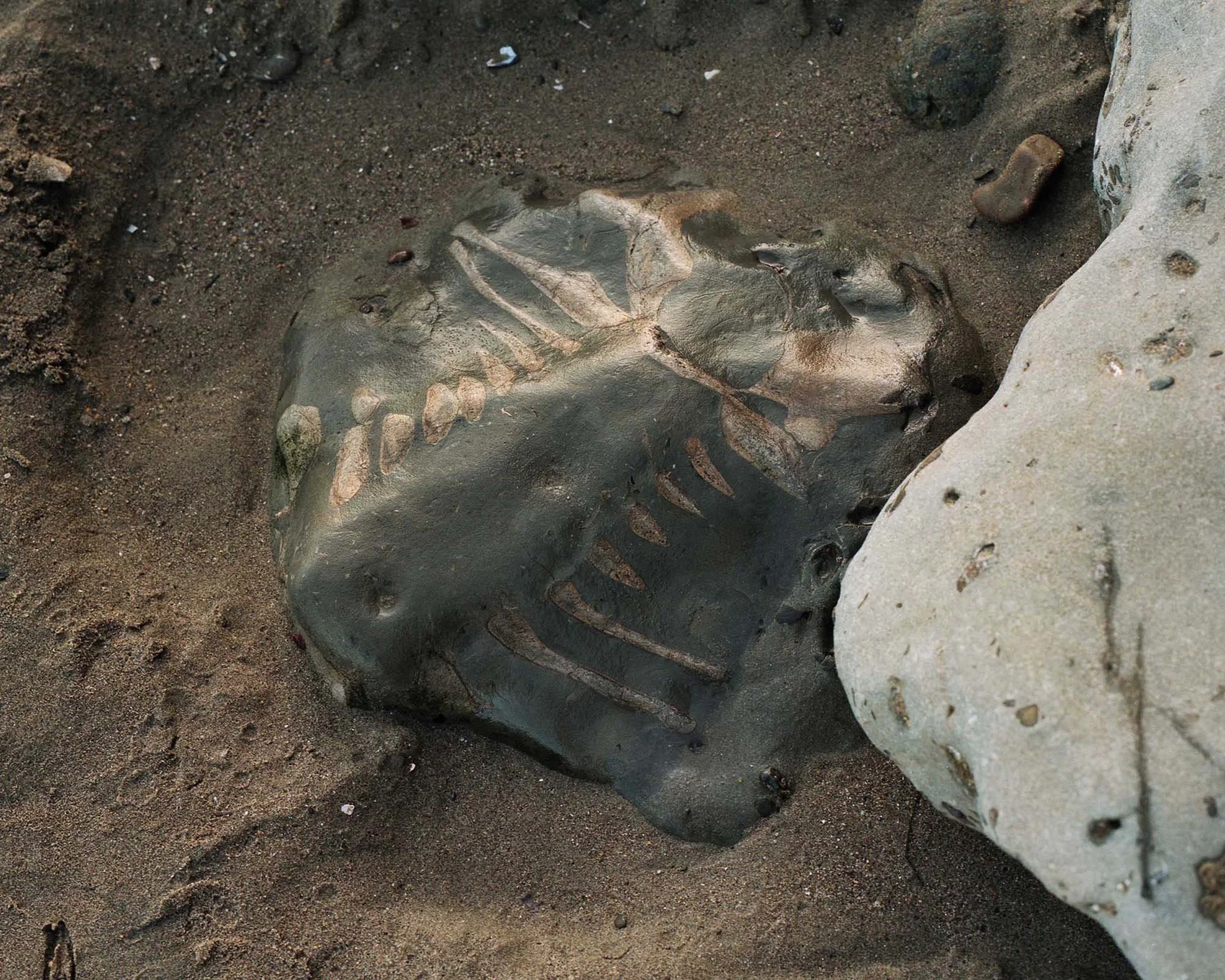
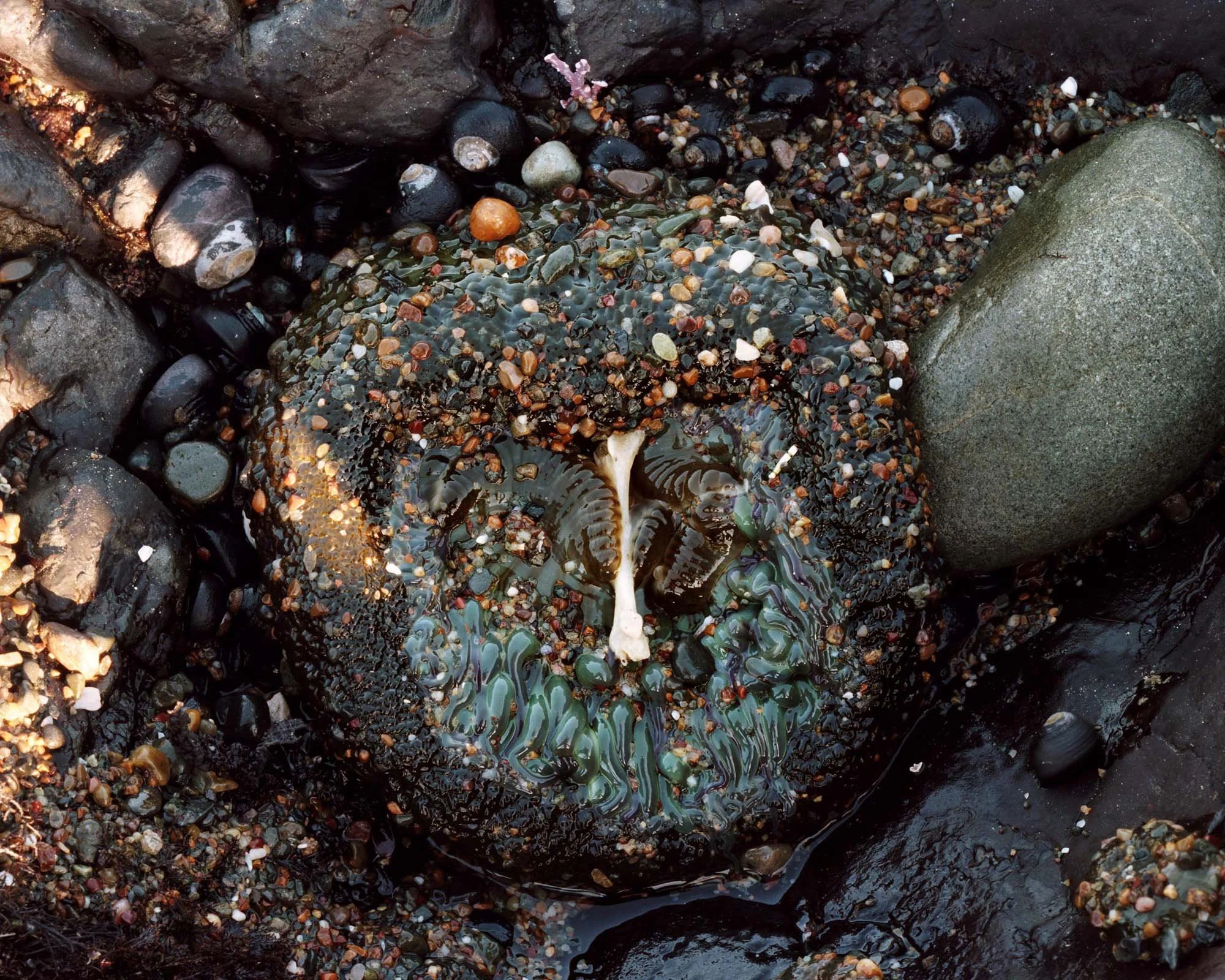
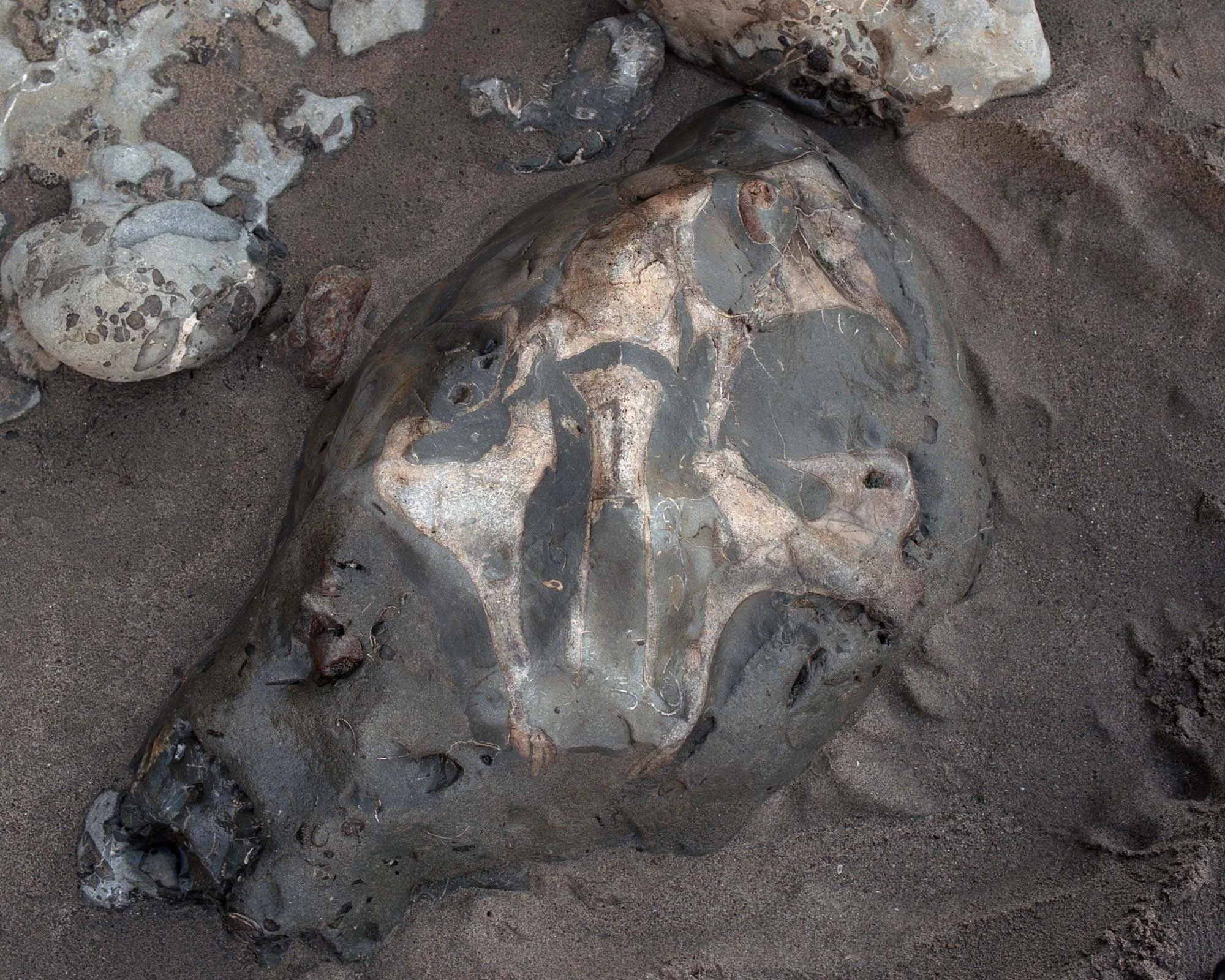
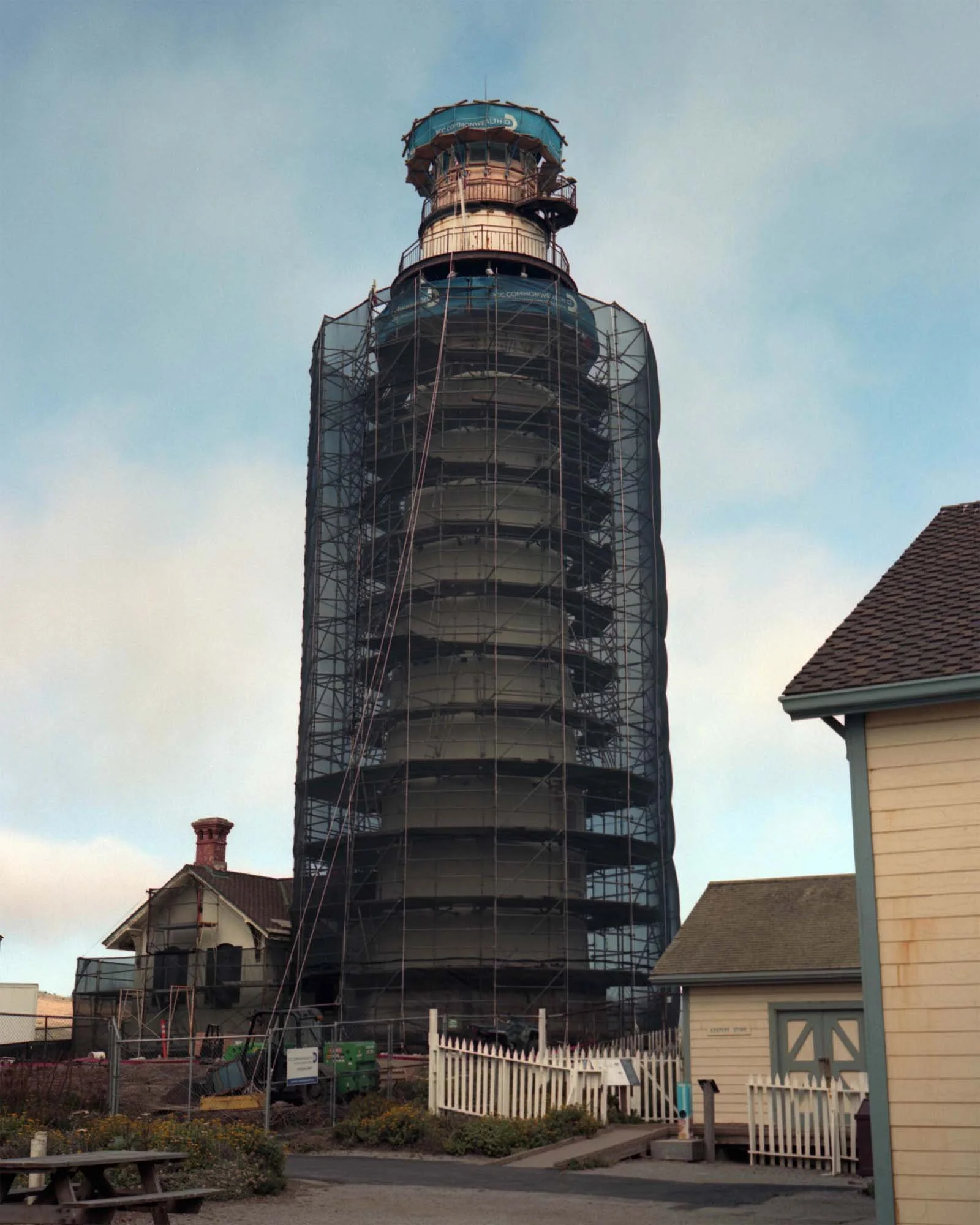
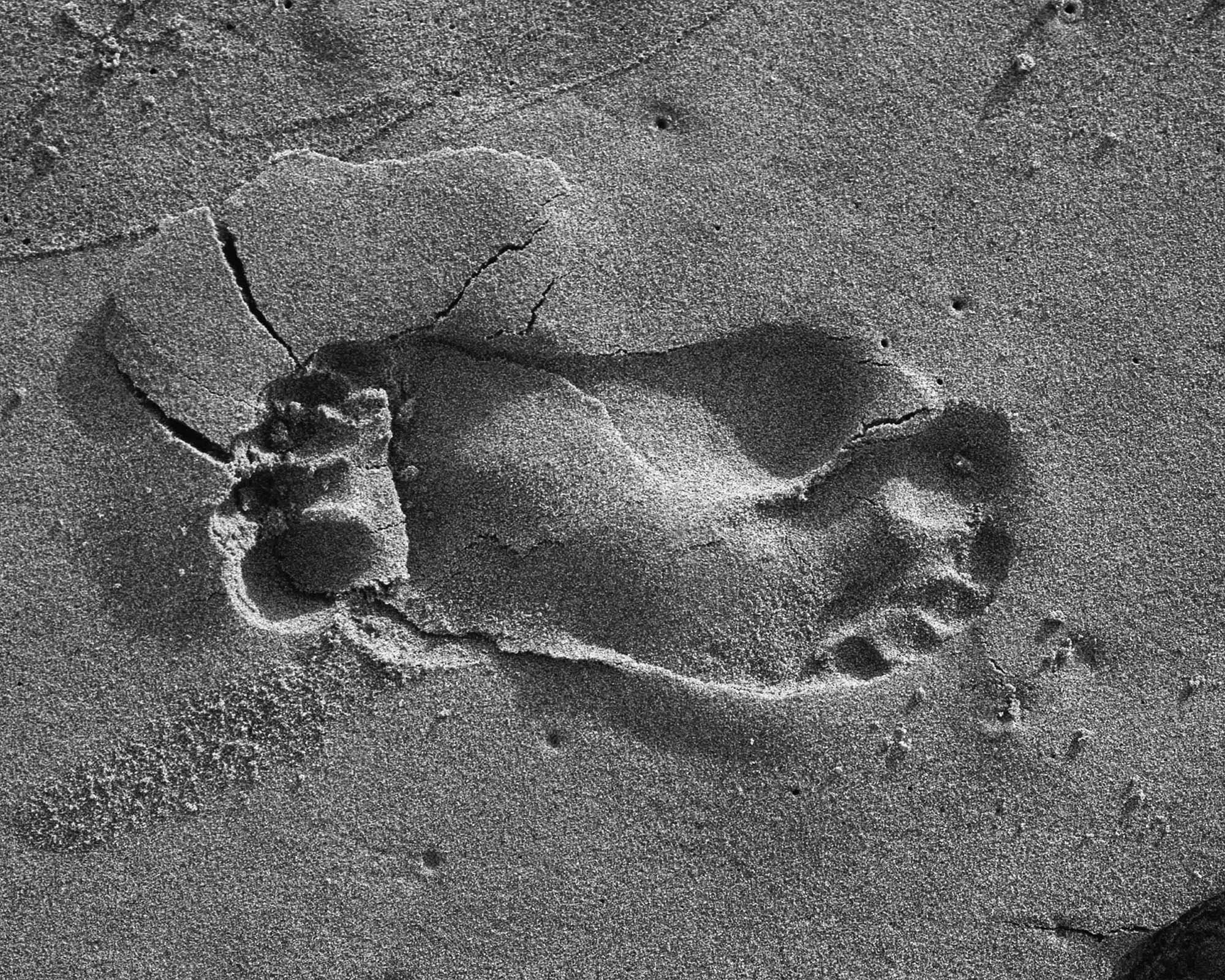
STATEMENT: Tide Pool / Loop Edit, (a palindrome): This project deals with the cyclical nature of life and death, played out in forgotten corners of the tide pools of the California coast. Spiral shell forms, million year old fossils, crawled over today by snails and crabs who bear their resemblance. The life and death of larger species is shown, who in turn become subsistence to uphold the cycle. Their forms too become echoed in the fossils of the shore, which they swim past, unknowing.
BIO: Austin Schermerhorn is a photographer and artist based in the Bay Area. He uses traditional photographic media to capture fleeting moments that hint at a deeper, unconscious significance, as well as the interplay between humans and nature. His work is especially focused on the traces of human action in the American West, and the innate tendency to project human emotions, dreams, fears, and visions onto the landscape. He received his BFA in Photography from the San Francisco Art Institute.
Cheryl L. Guerrero
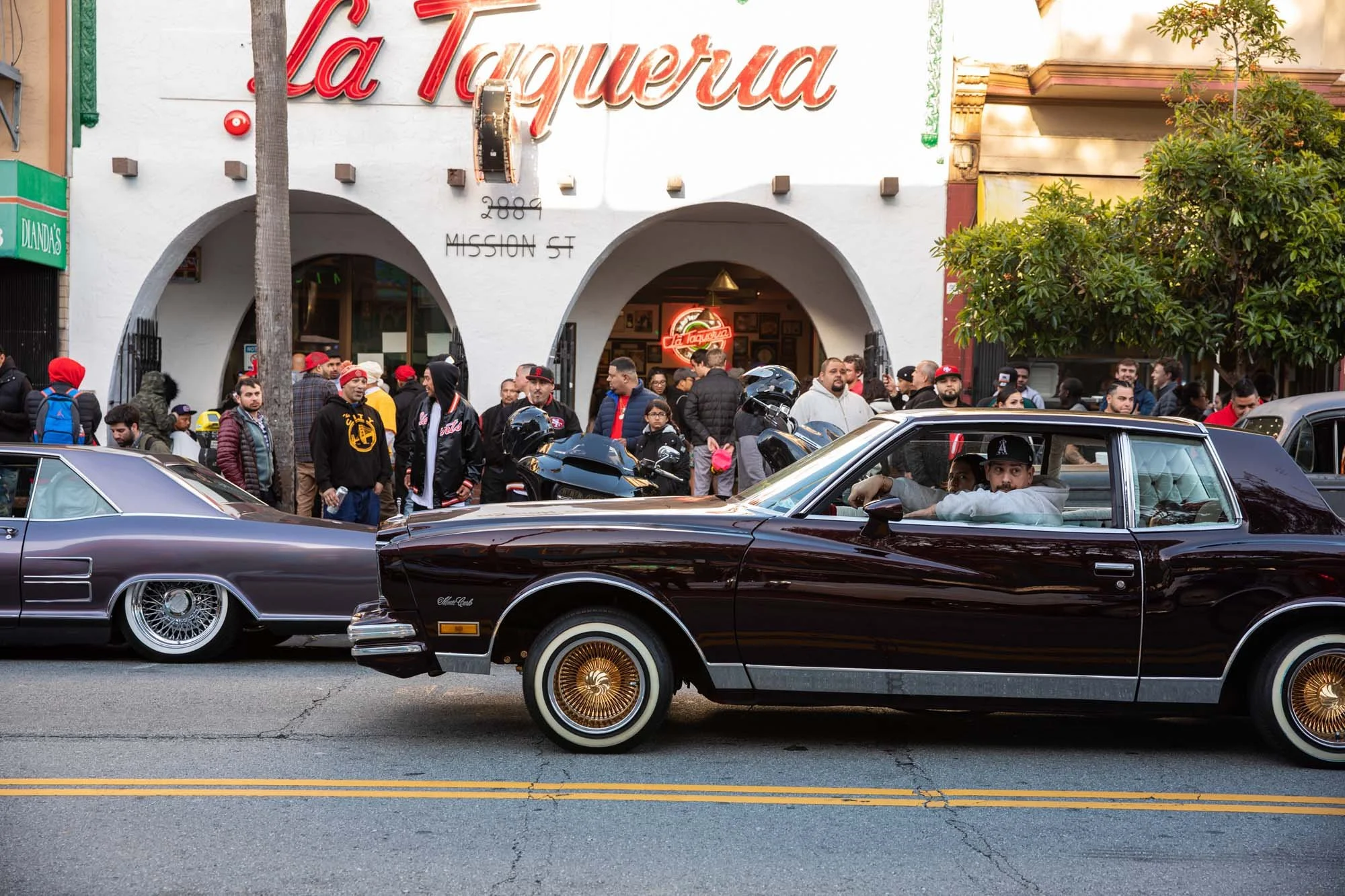
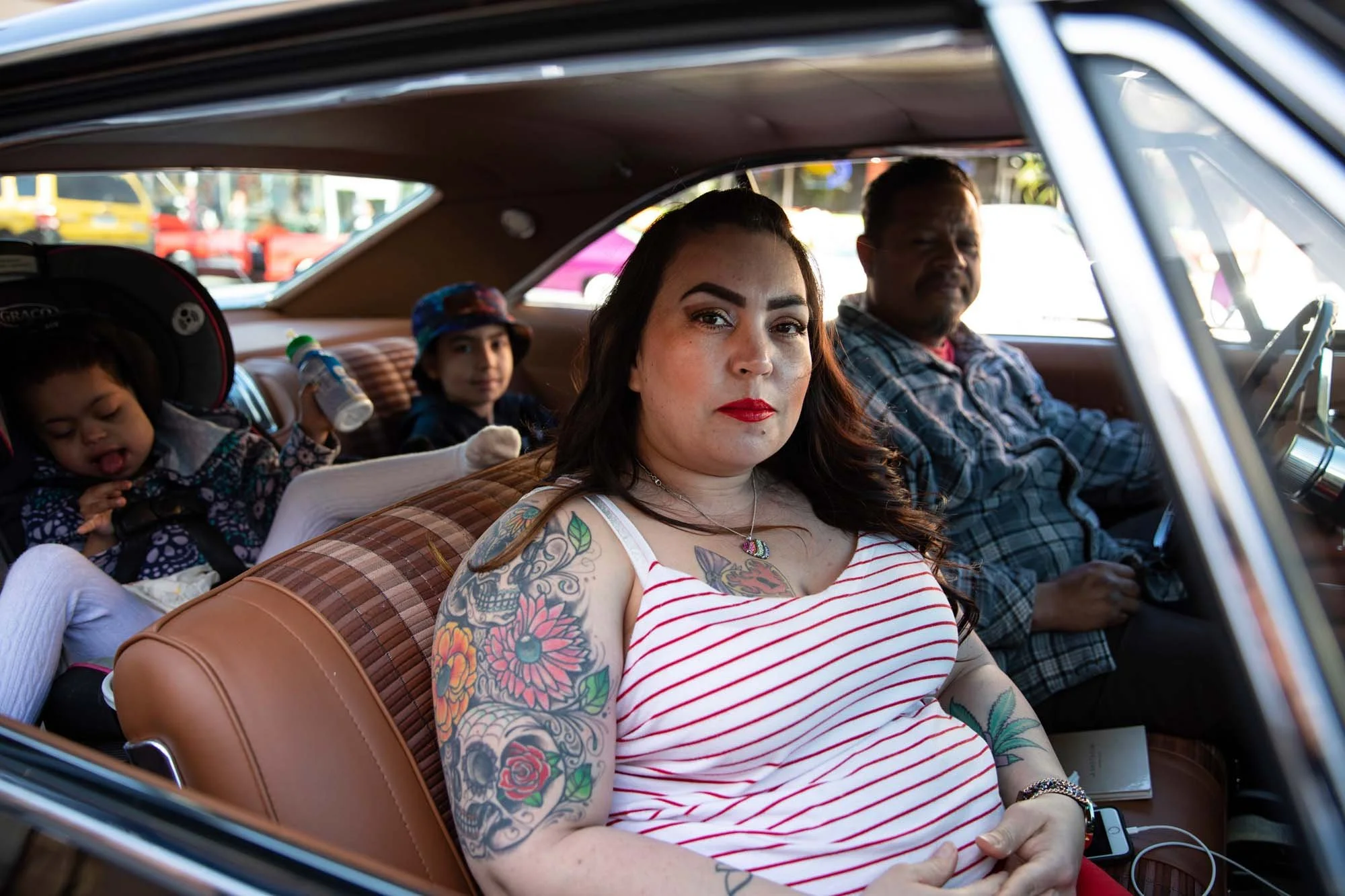
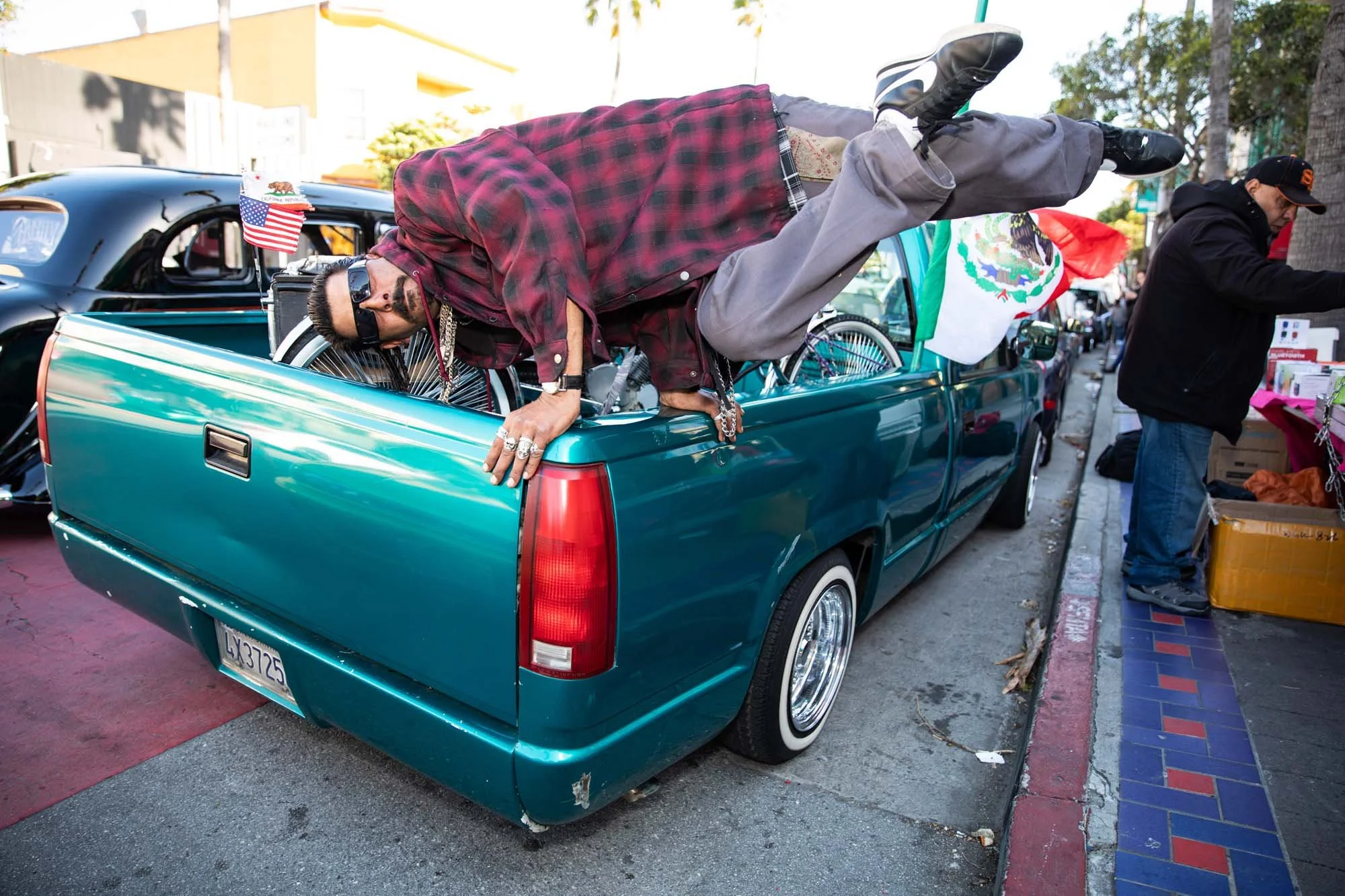
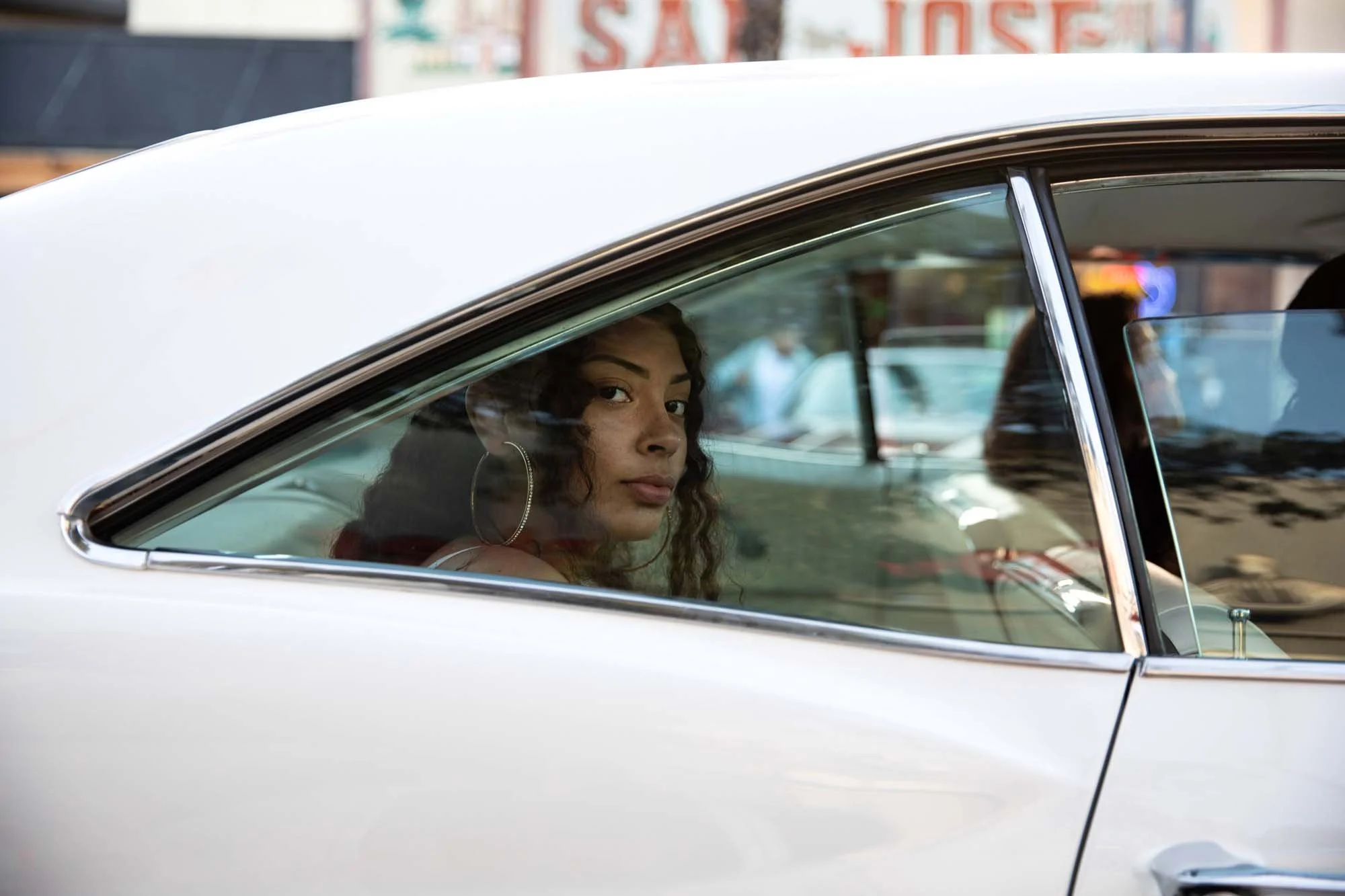
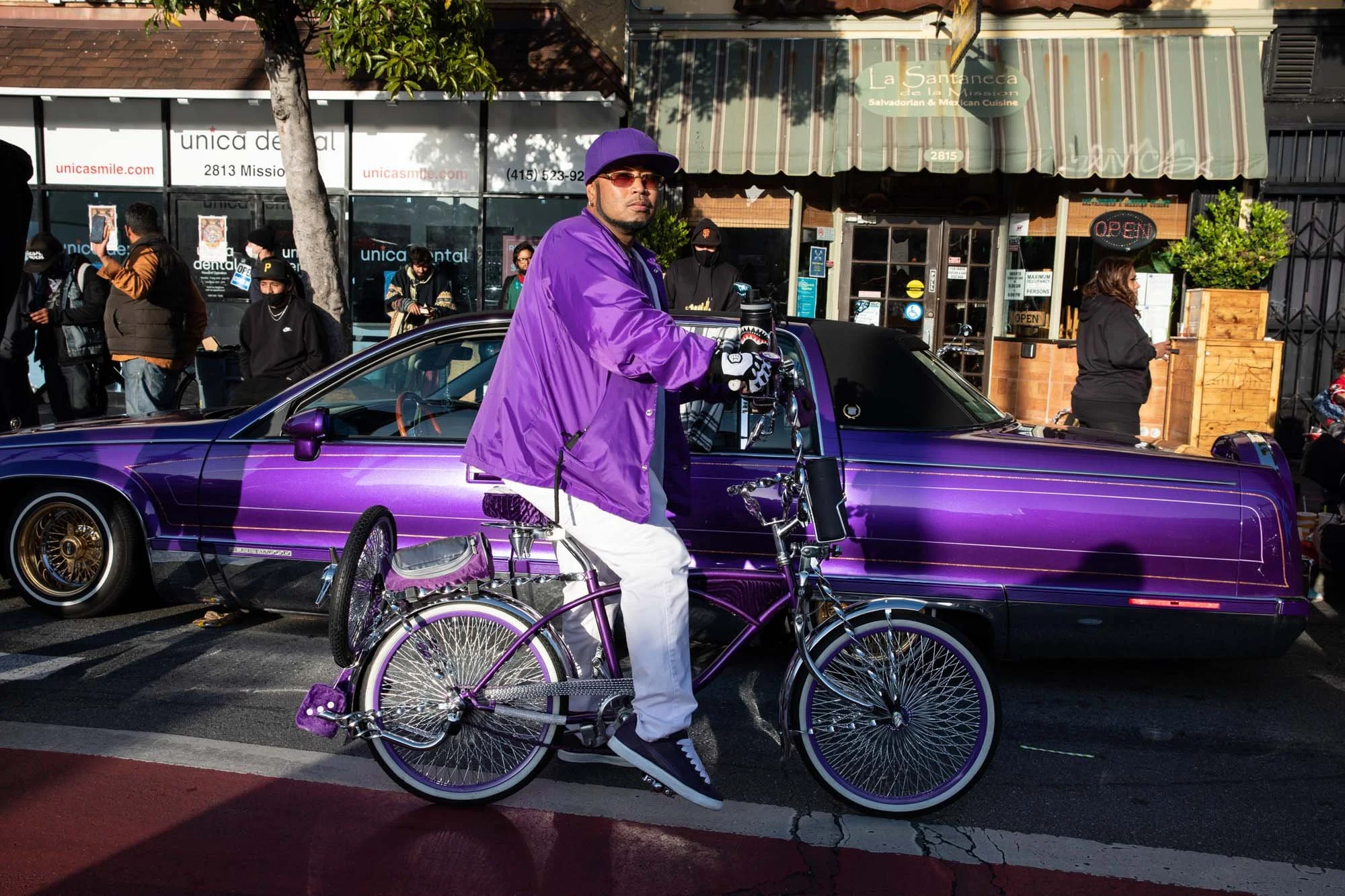
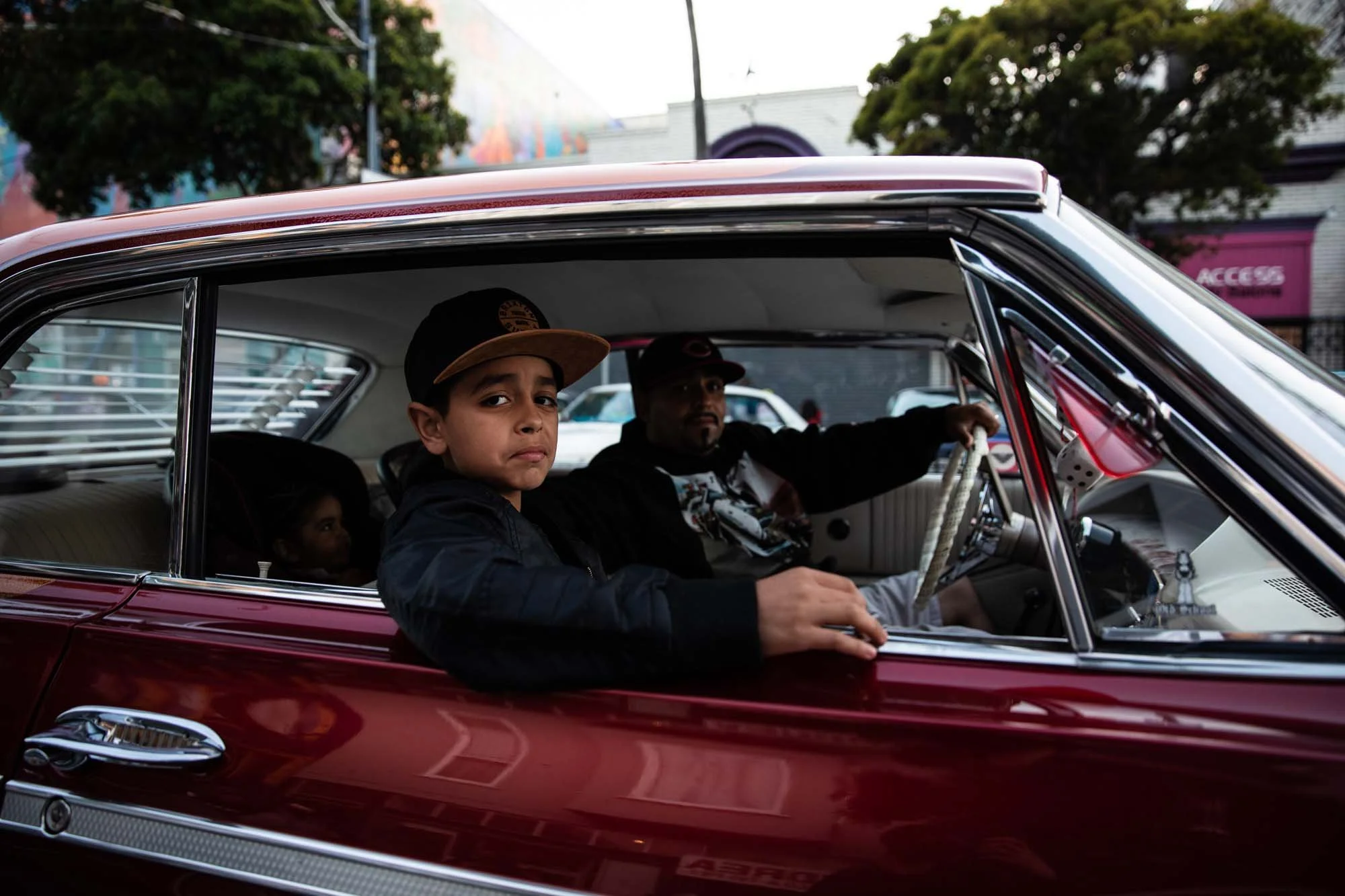
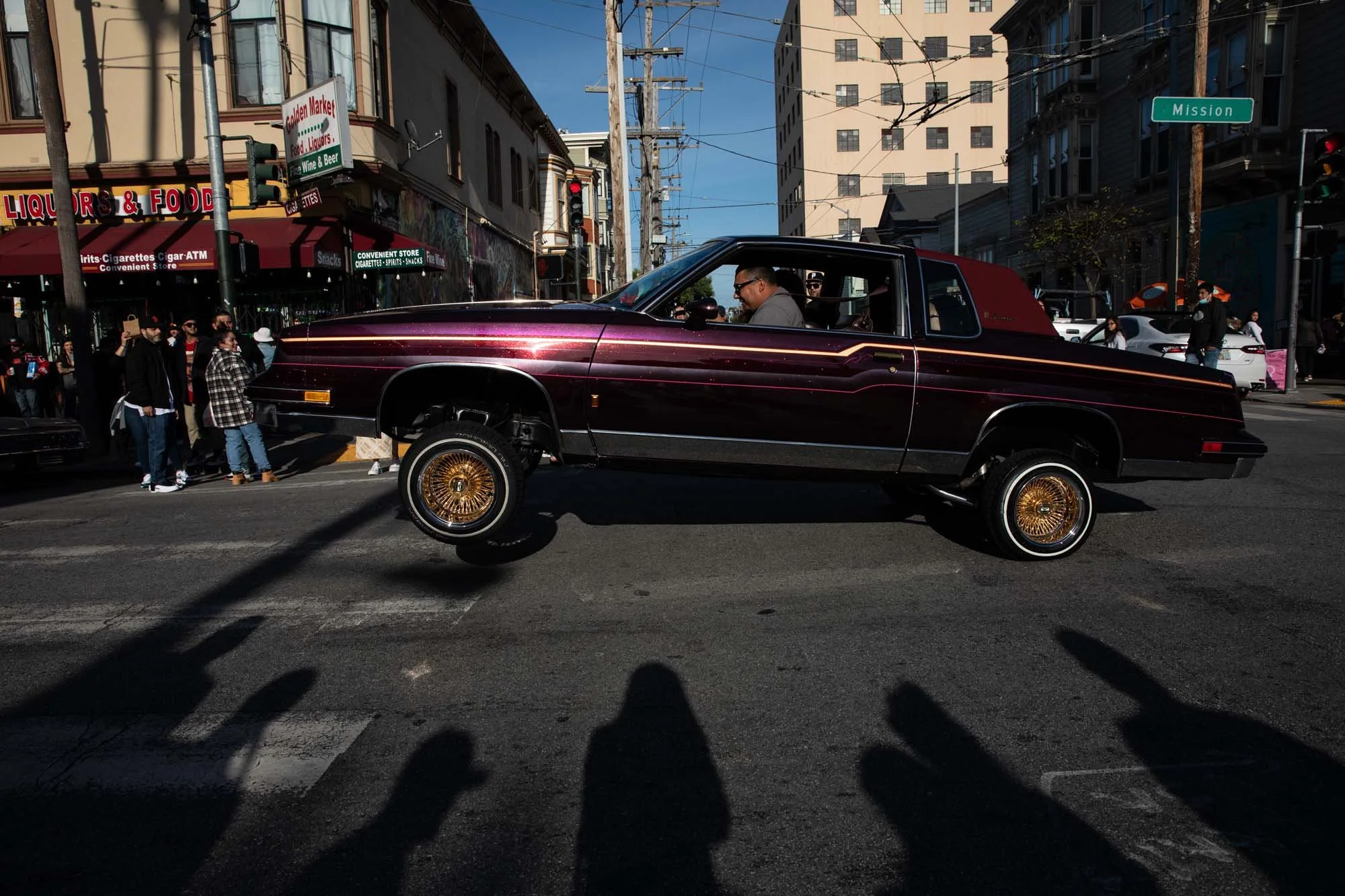
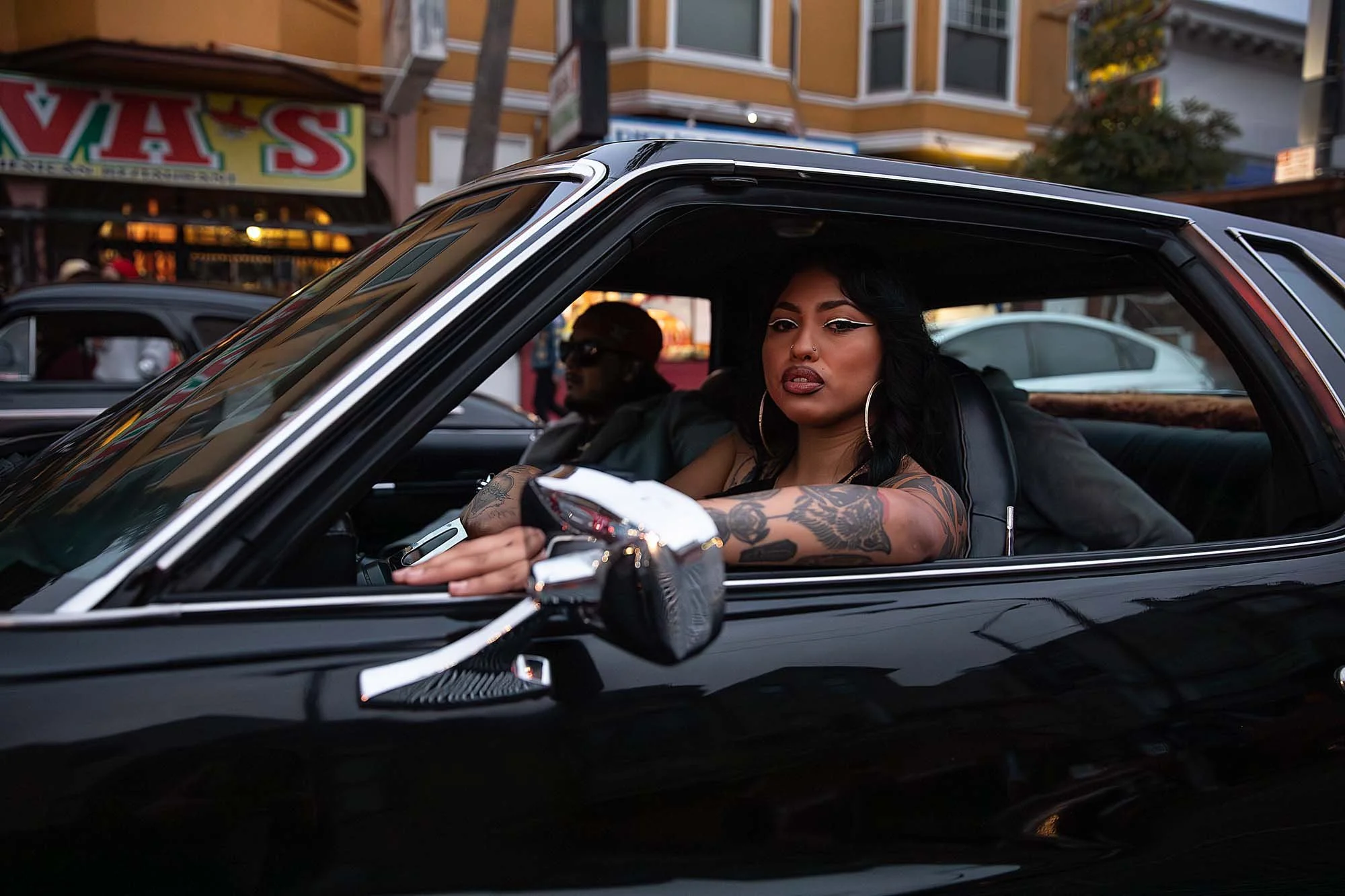
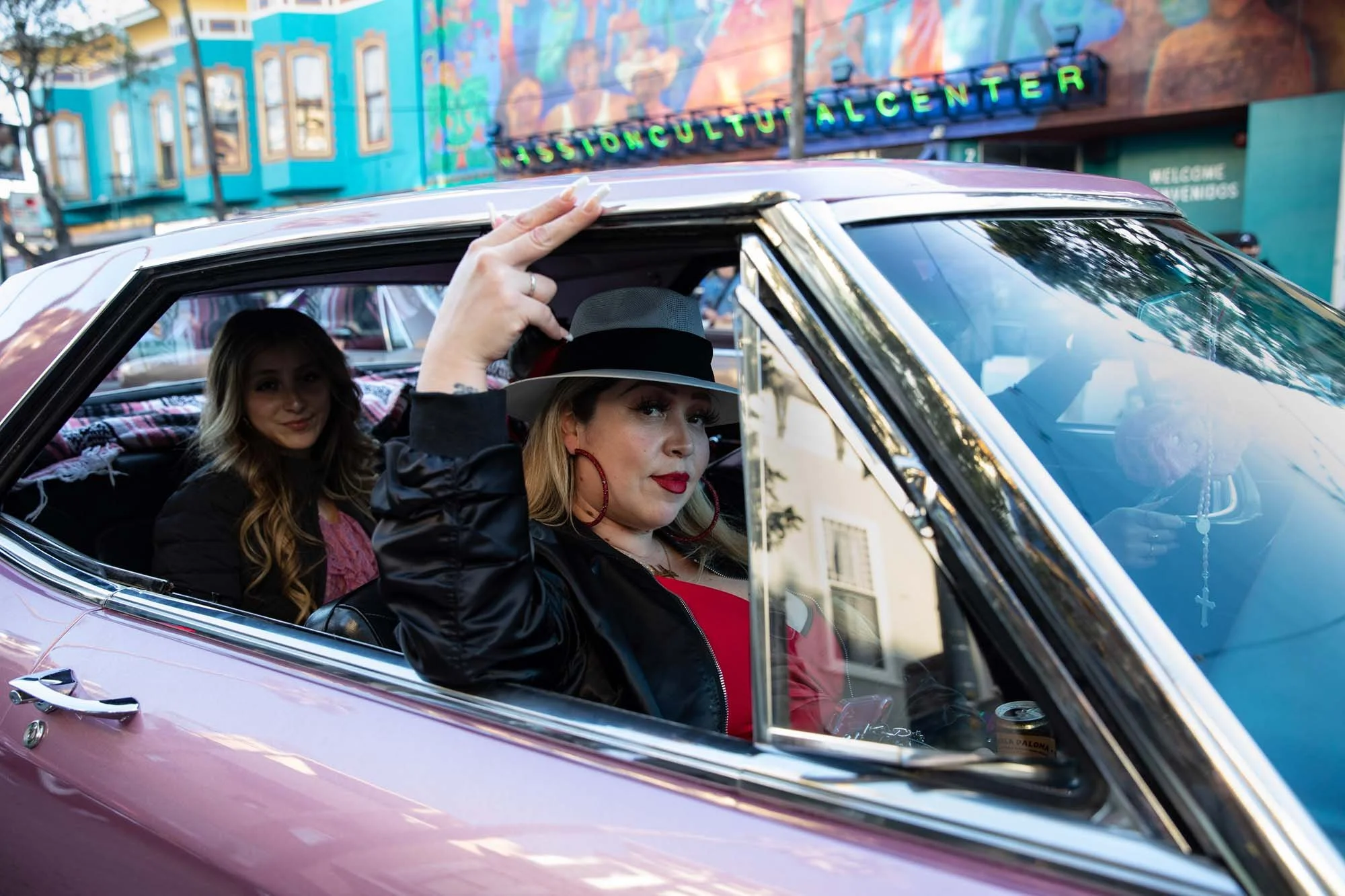
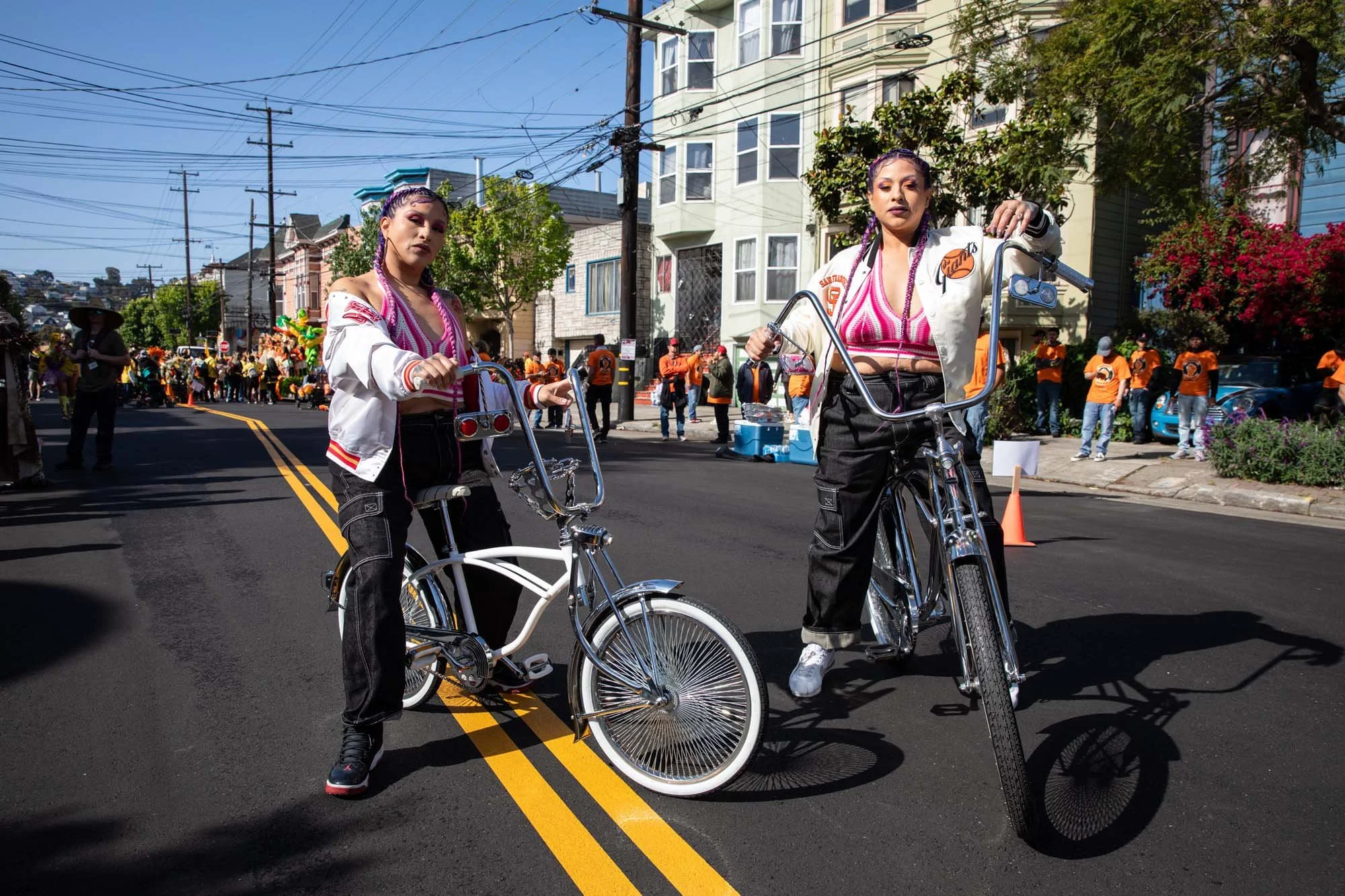
STATEMENT: Lowriding in the Mission District of SF reflects the community’s cultural pride and connection to the neighborhood. At the same time, it grapples with loss and displacement due to gentrification. Cruising then becomes both an enduring tie to the community and an act of resistance, especially for those who have been pushed out. Audrey, who grew up here, explains that it’s “our chance to take it back and to … show that we’re still here. Even if we can’t afford to live in the city that we were born and raised in, we’re still here.”
BIO: Cheryl L. Guerrero is a San Francisco-based photographer. Locally, she contributes to online media publications, chronicling life in the SF Bay Area. Photography is a way for her to create and explore, while documenting life and relaying important stories. Her work revolves around people and the underlying themes of community, culture, and tradition.
Chris Gibbons
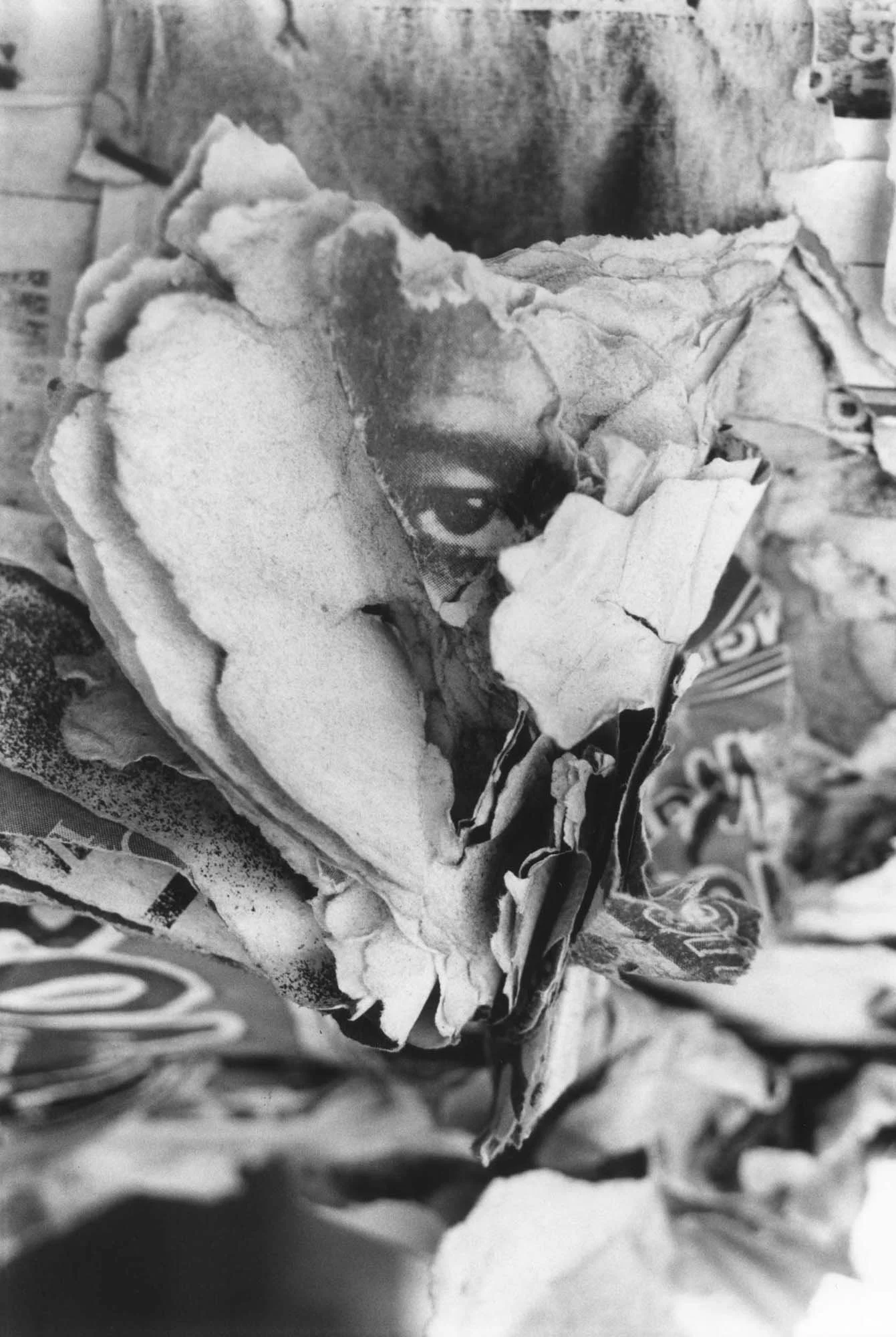
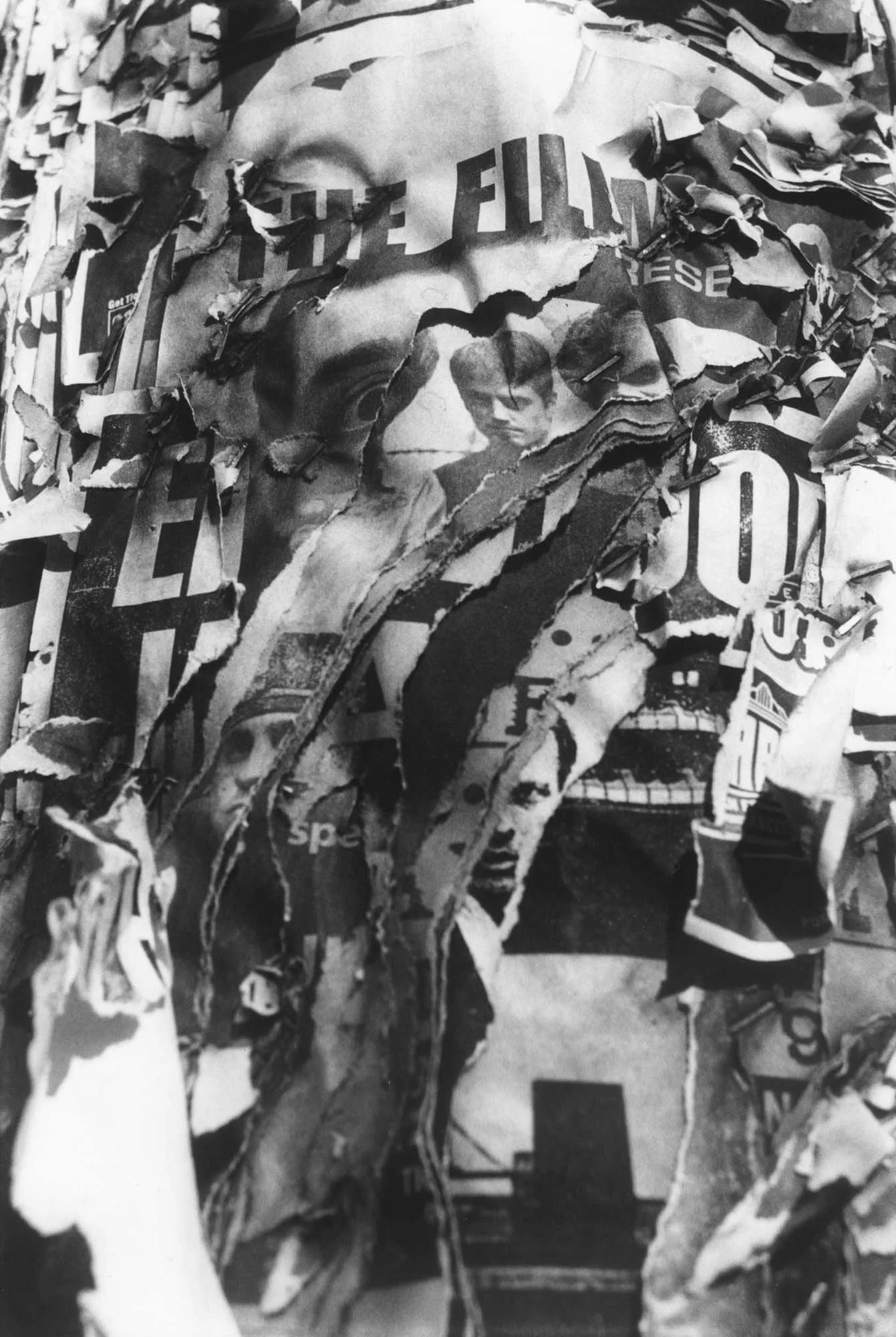
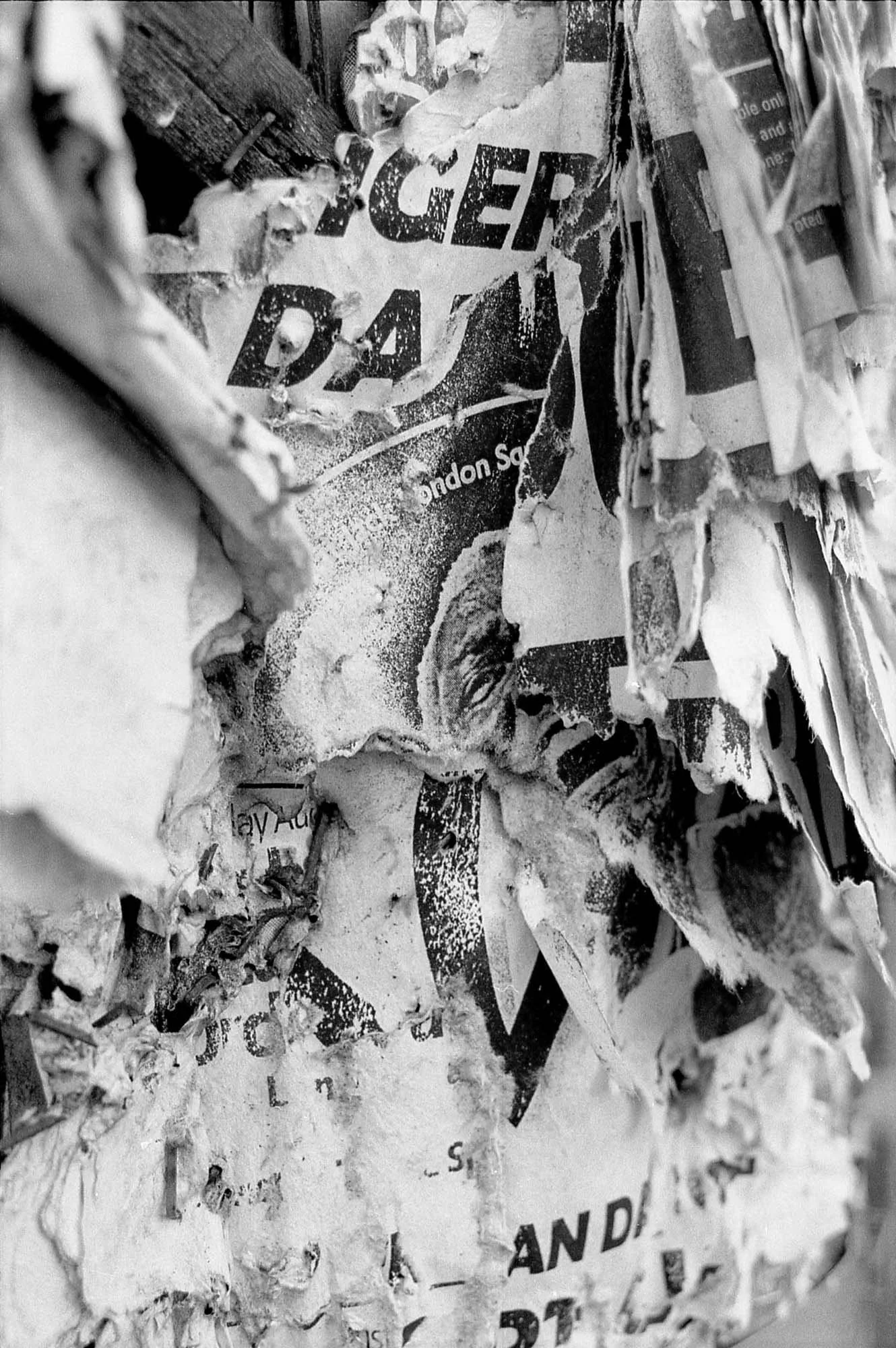
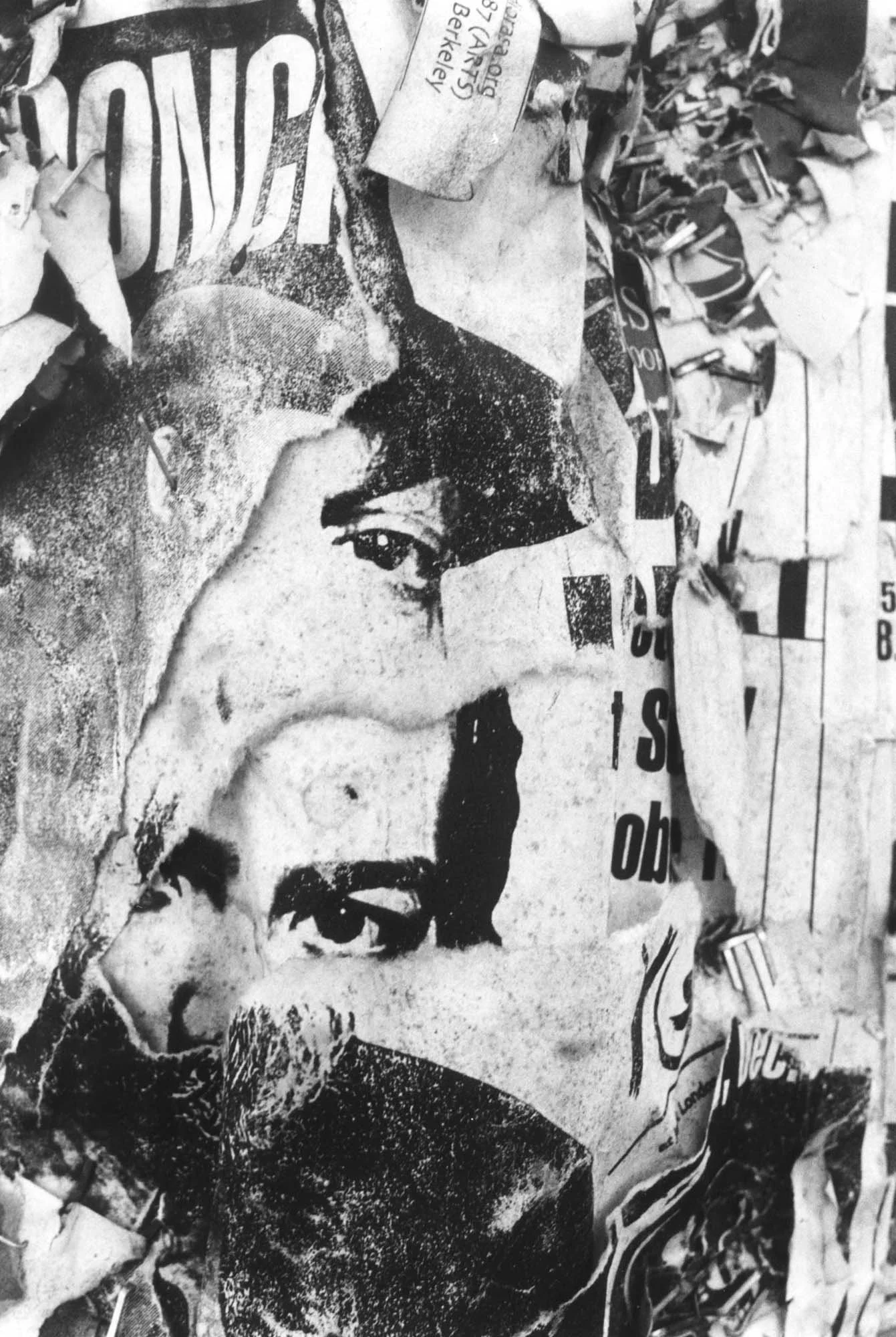
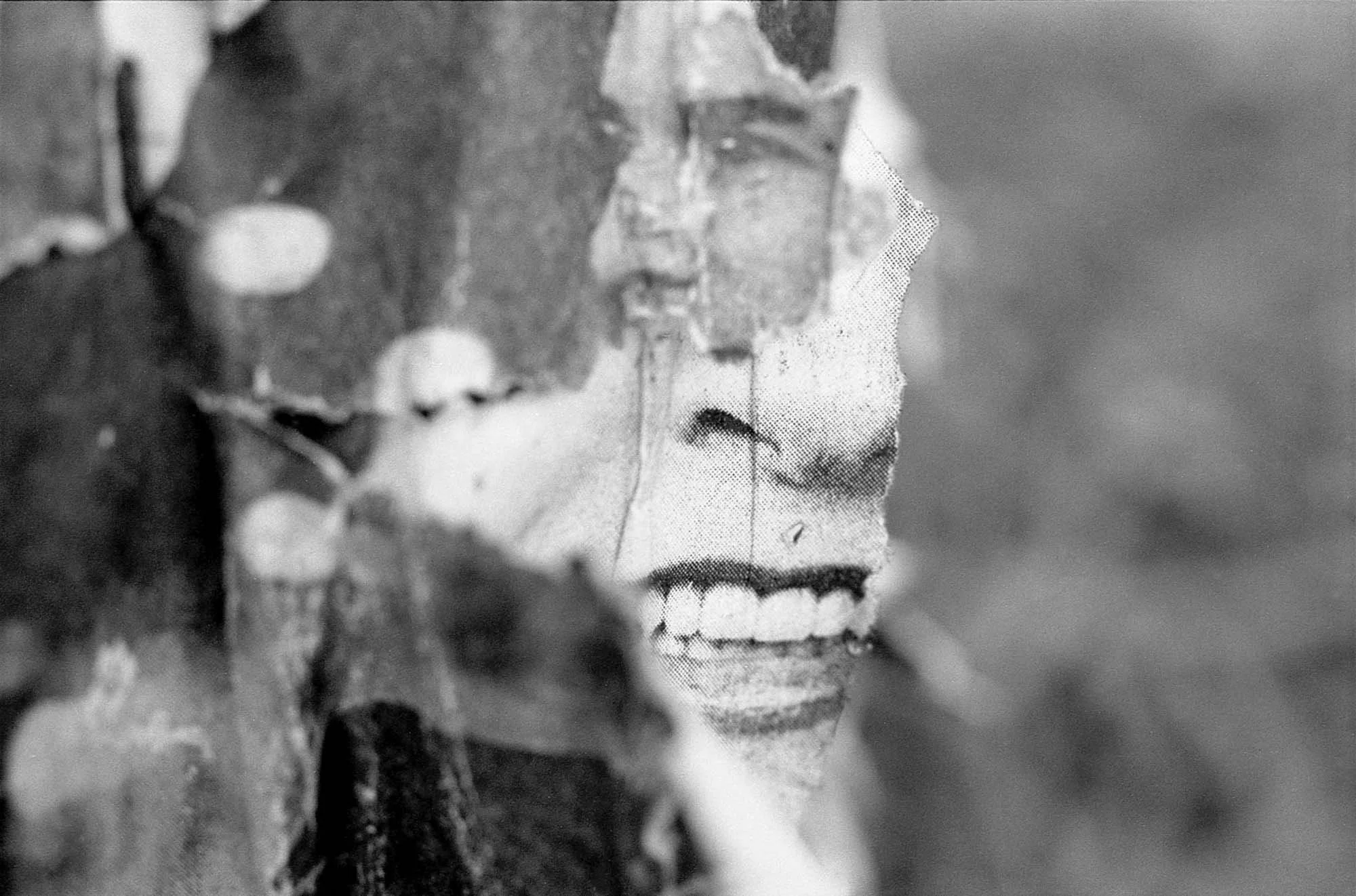
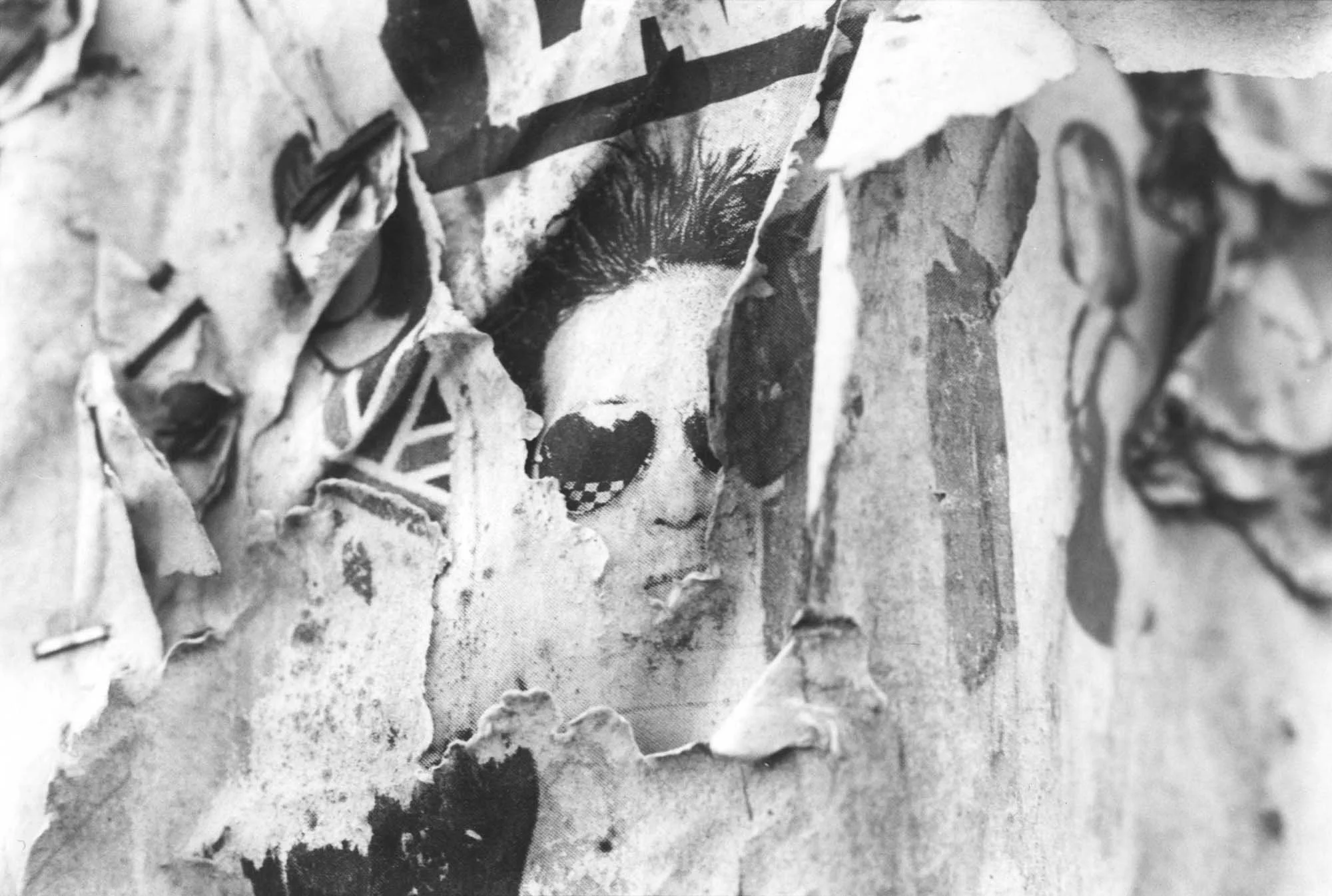
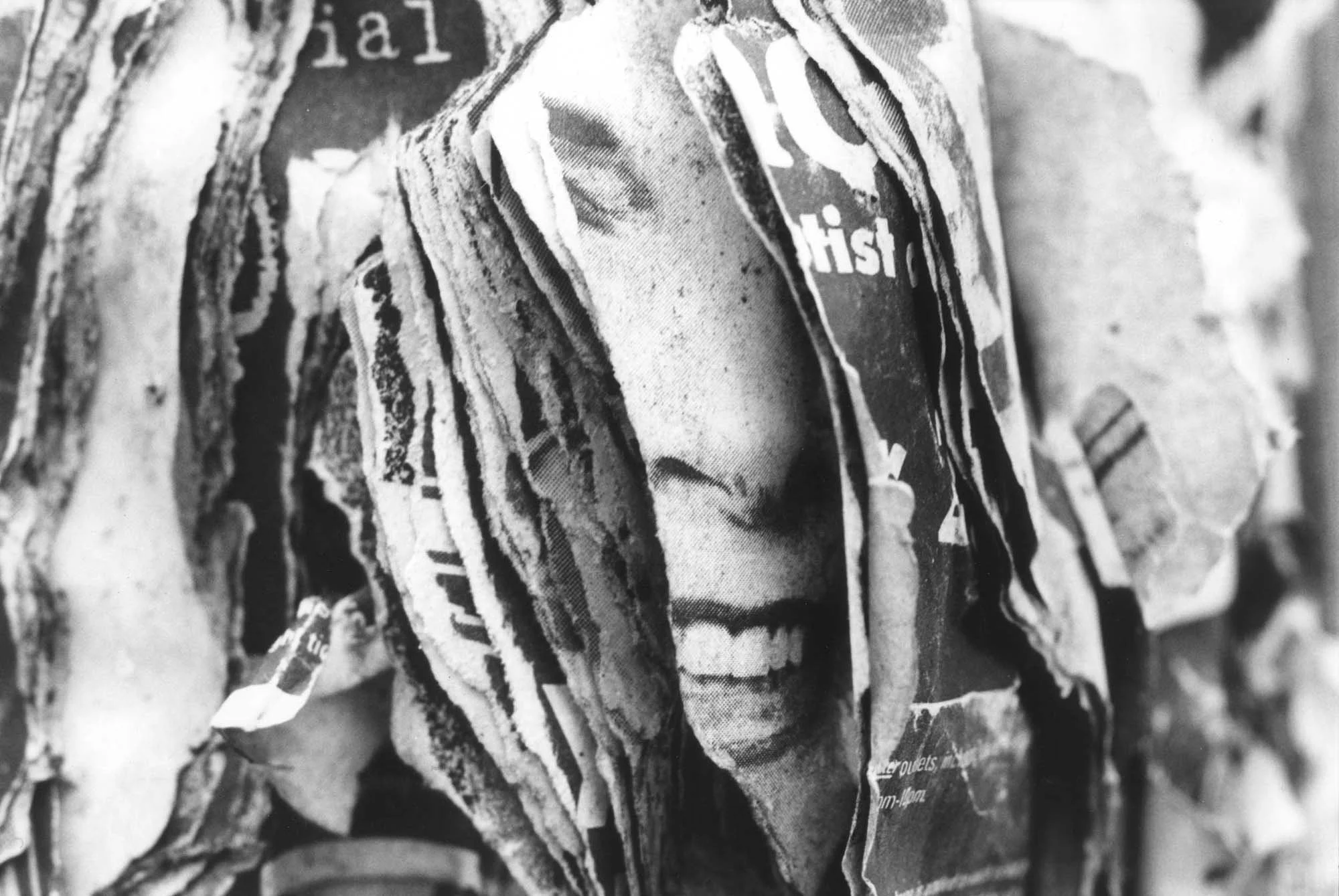
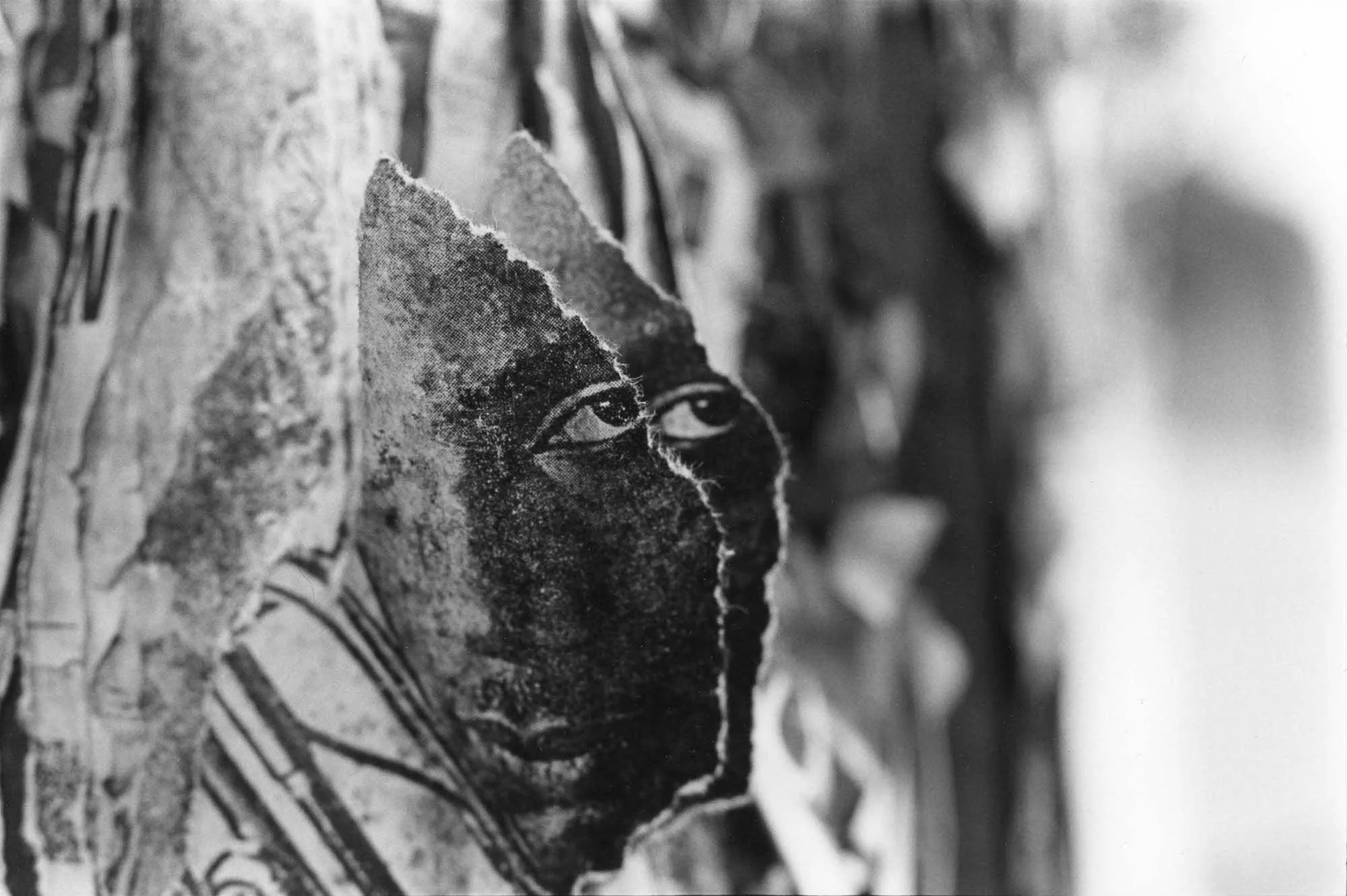
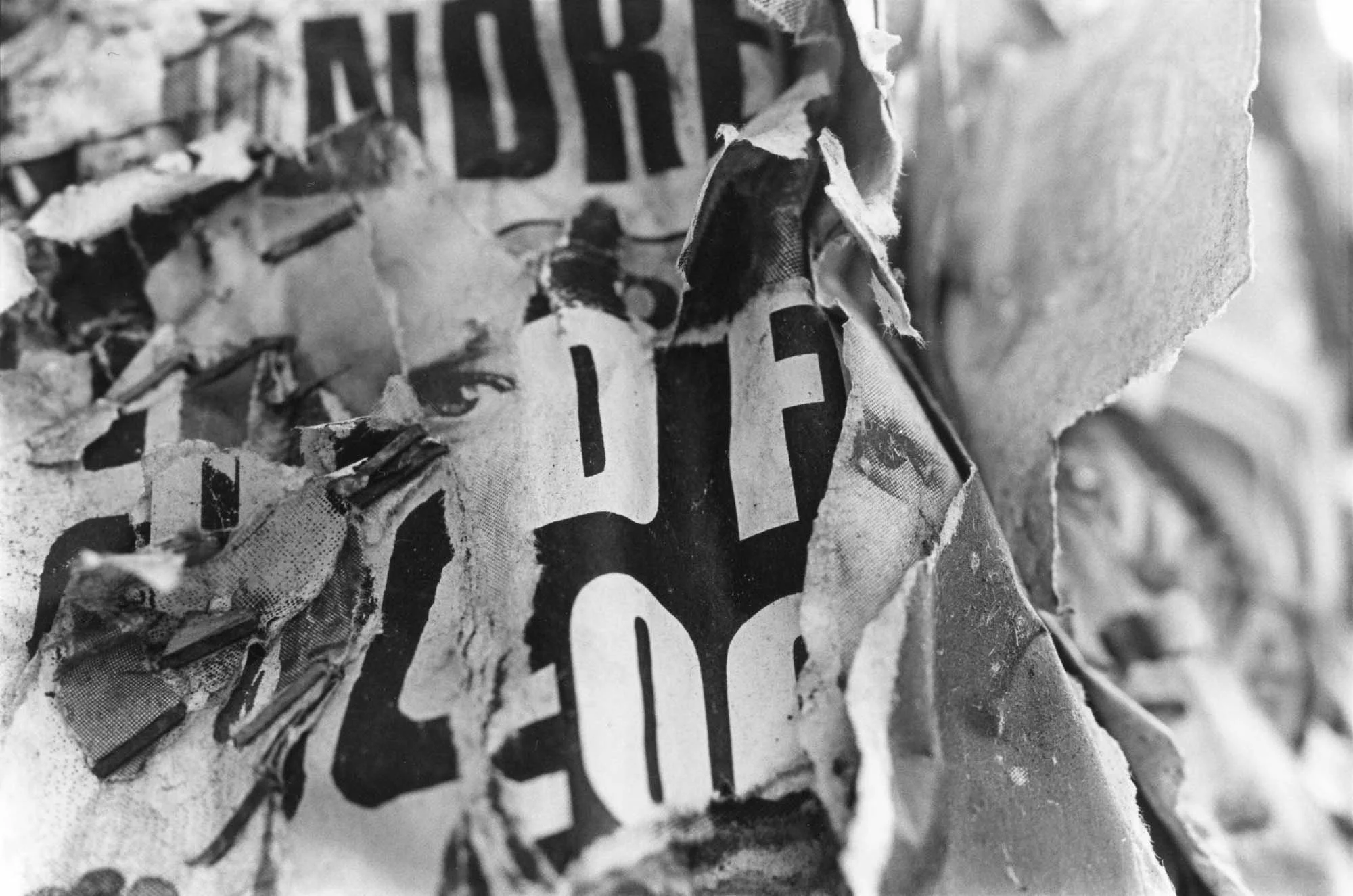
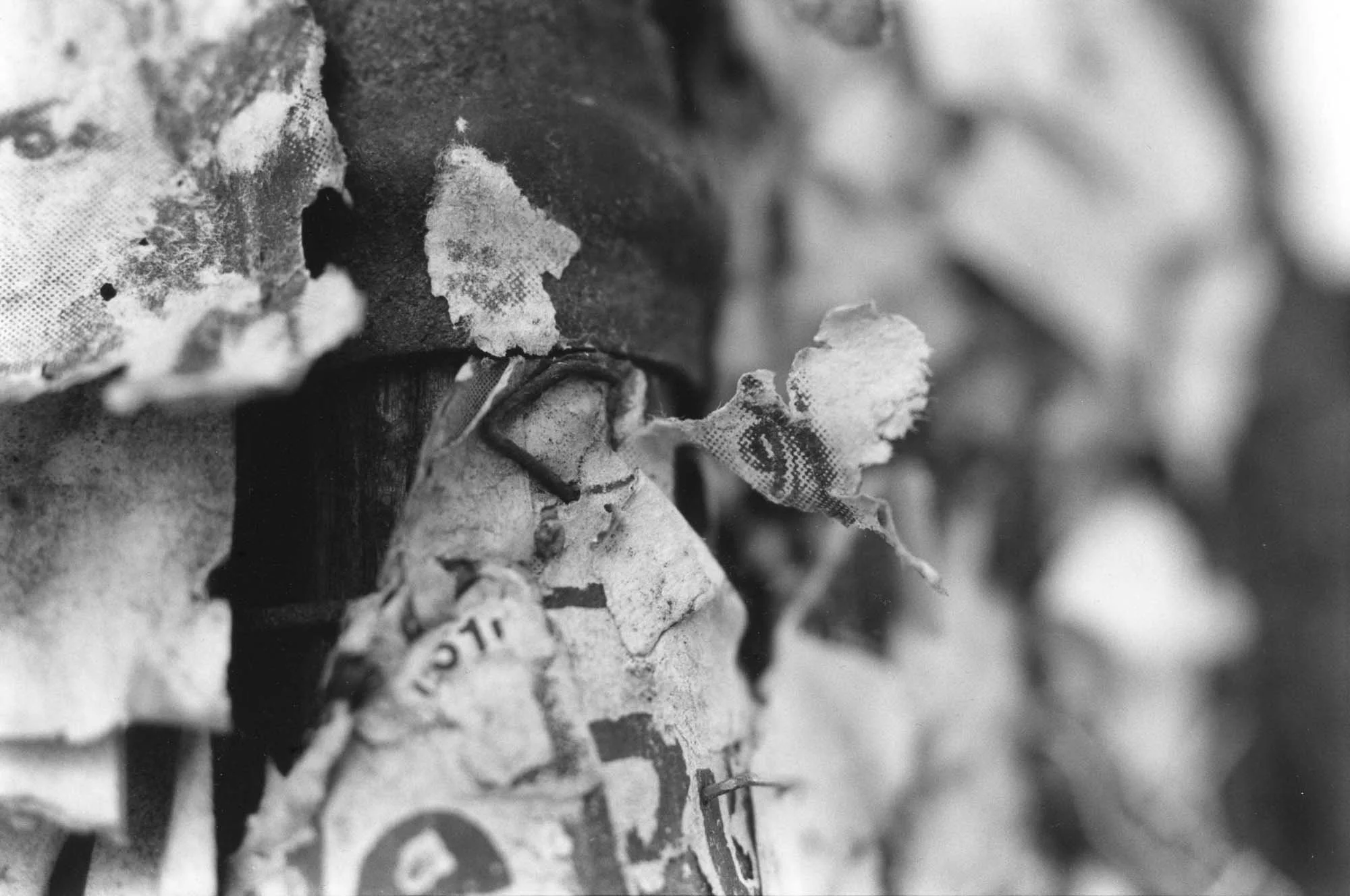
STATEMENT: These are (or should I say were) subjects that existed in plain sight but were also overlooked, ignored, seen but not seen, existing only briefly before disappearing forever. Shot on film, and without retouching or fakery.
BIO: Chris Gibbons’ background is that of a video, film and sound professional of many years. His personal photography is completely self-directed, learning freely from the work and ideas of others rather than through traditional academic training. Inspiration in the first instance came from seeing the work of Bill Brandt and Angus McBean. Here was work that didn’t simply illustrate a story in a newspaper, but rather created a visual idea in the form of a photograph. Further inspiration came from the works of John Cage and Merce Cunningham, helping to expand notions of how one sees the world.
Dean Snodgrass
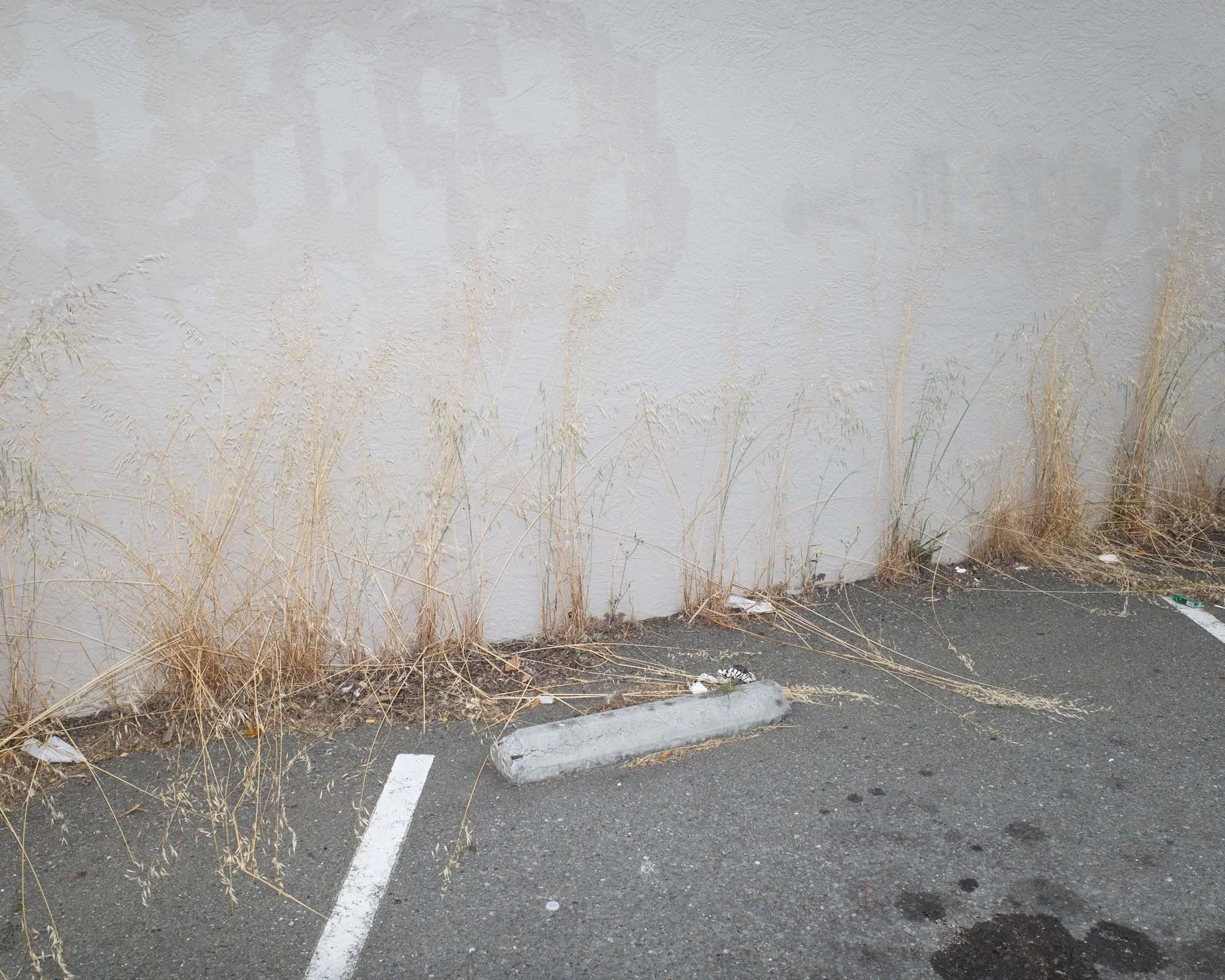
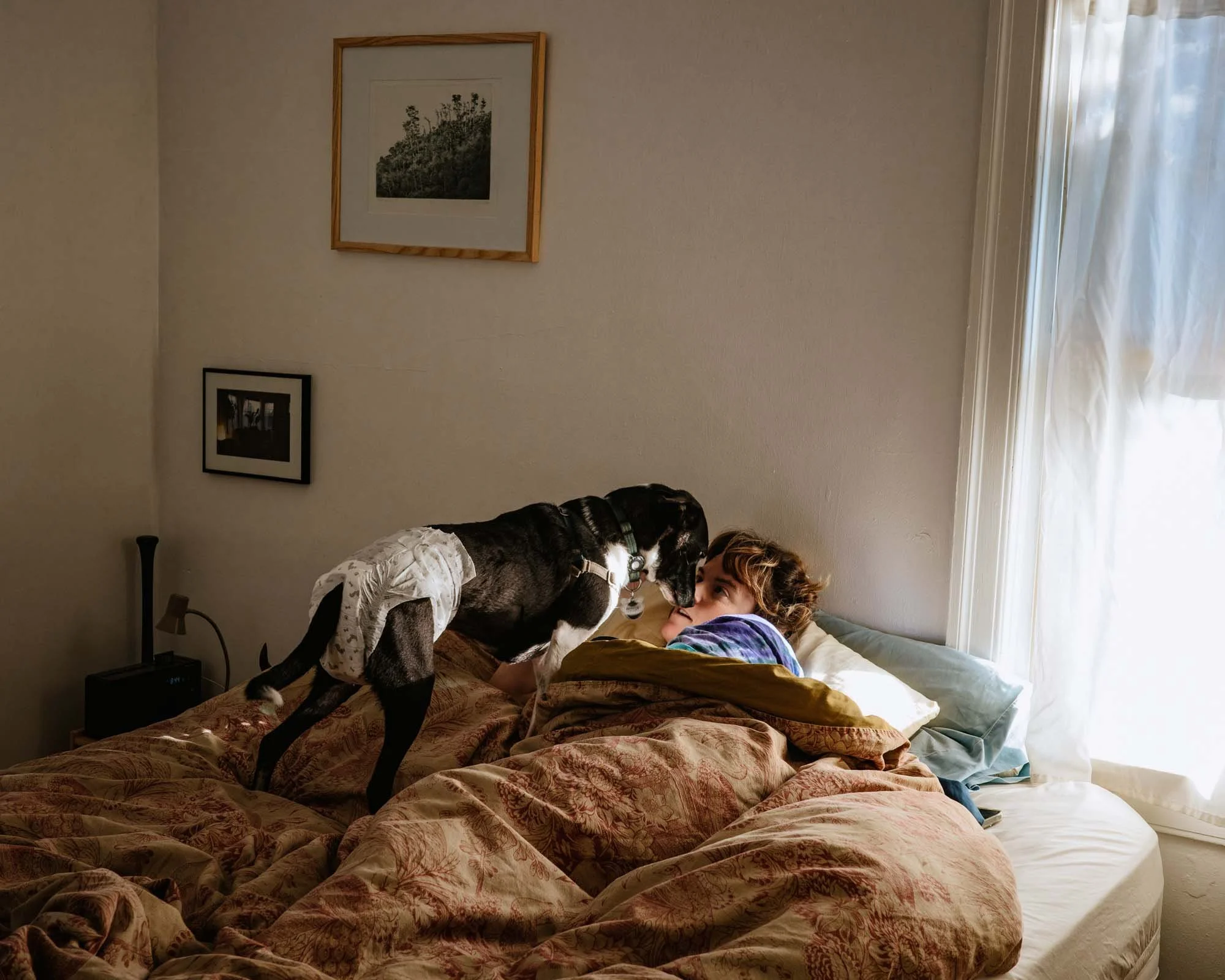
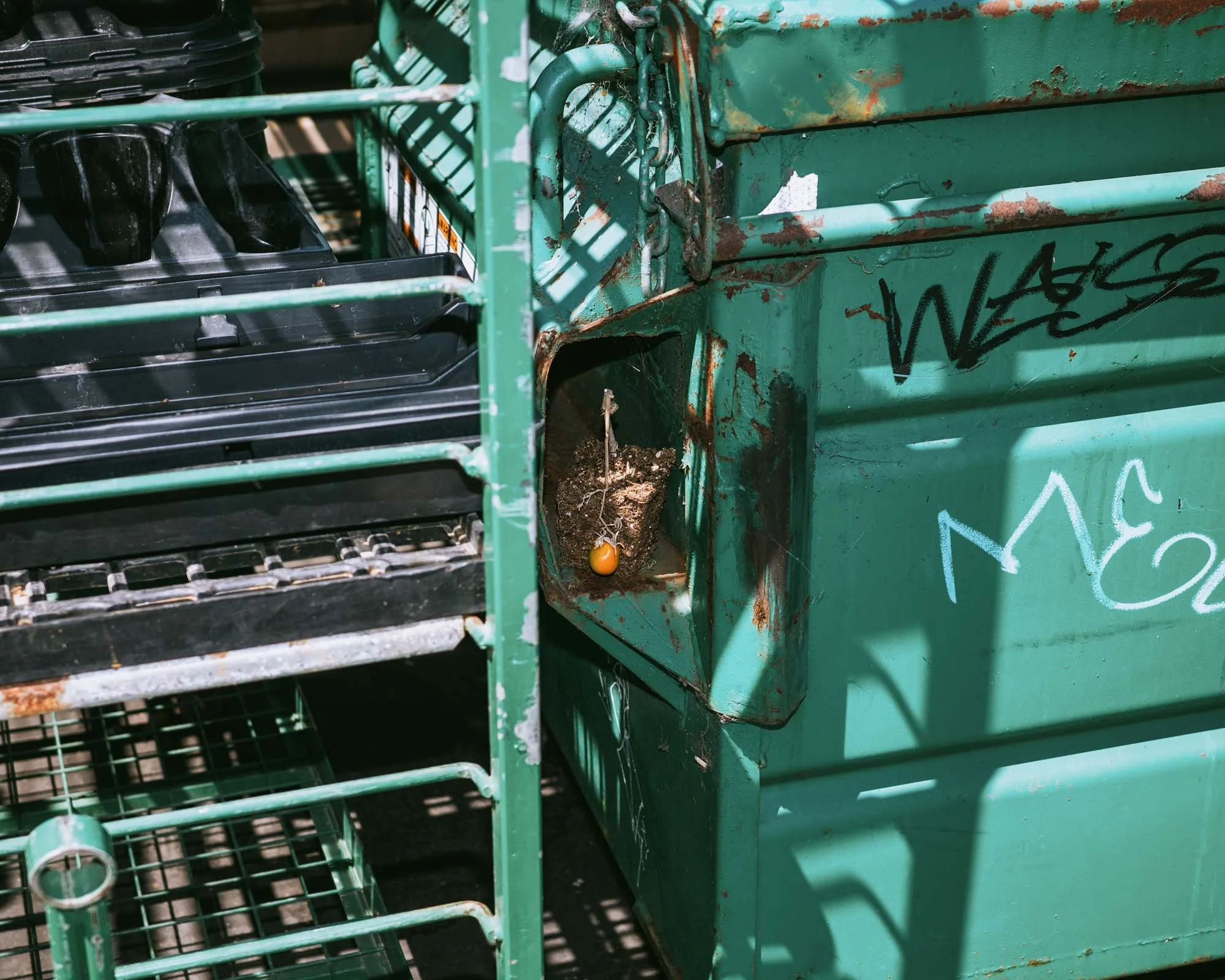
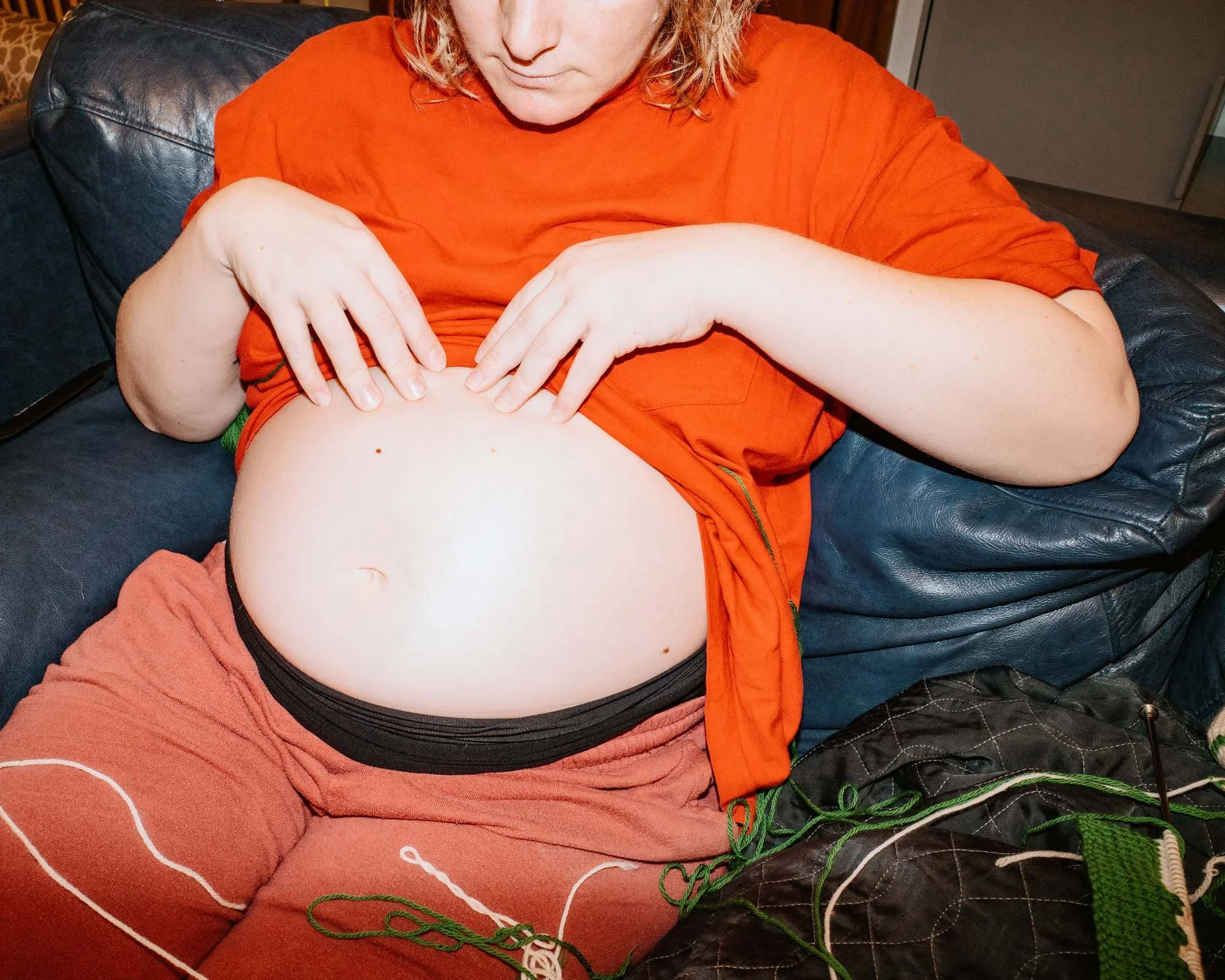
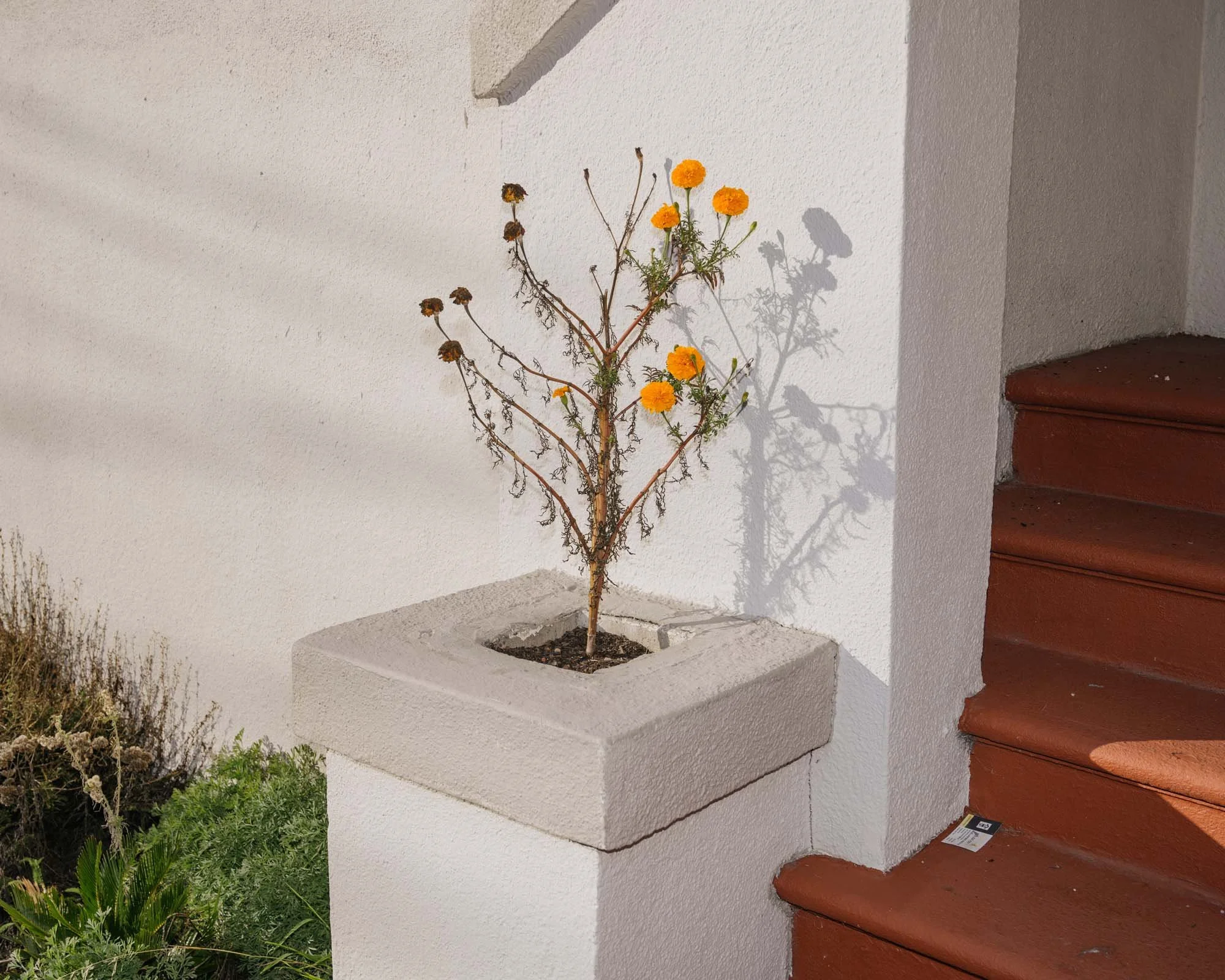
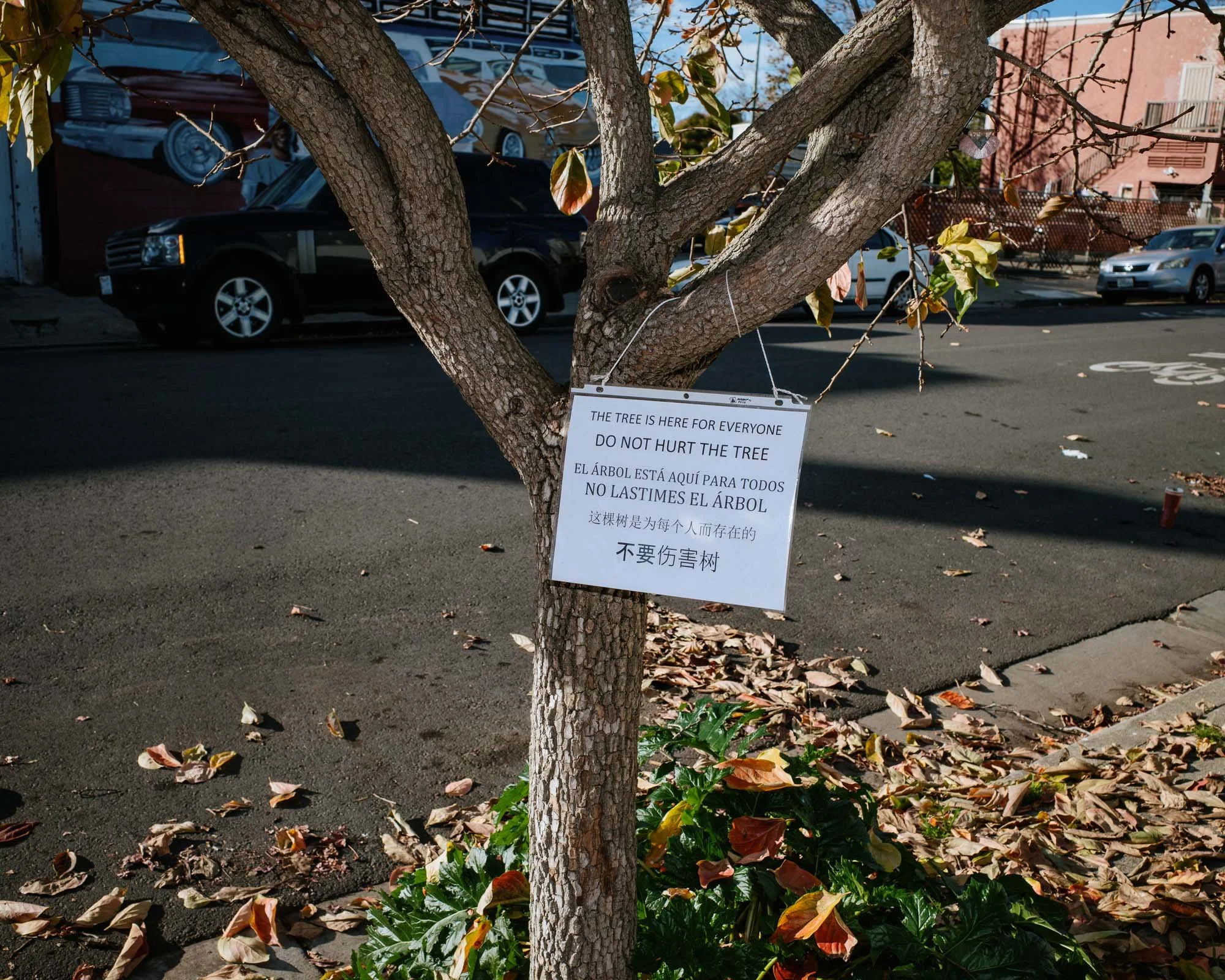
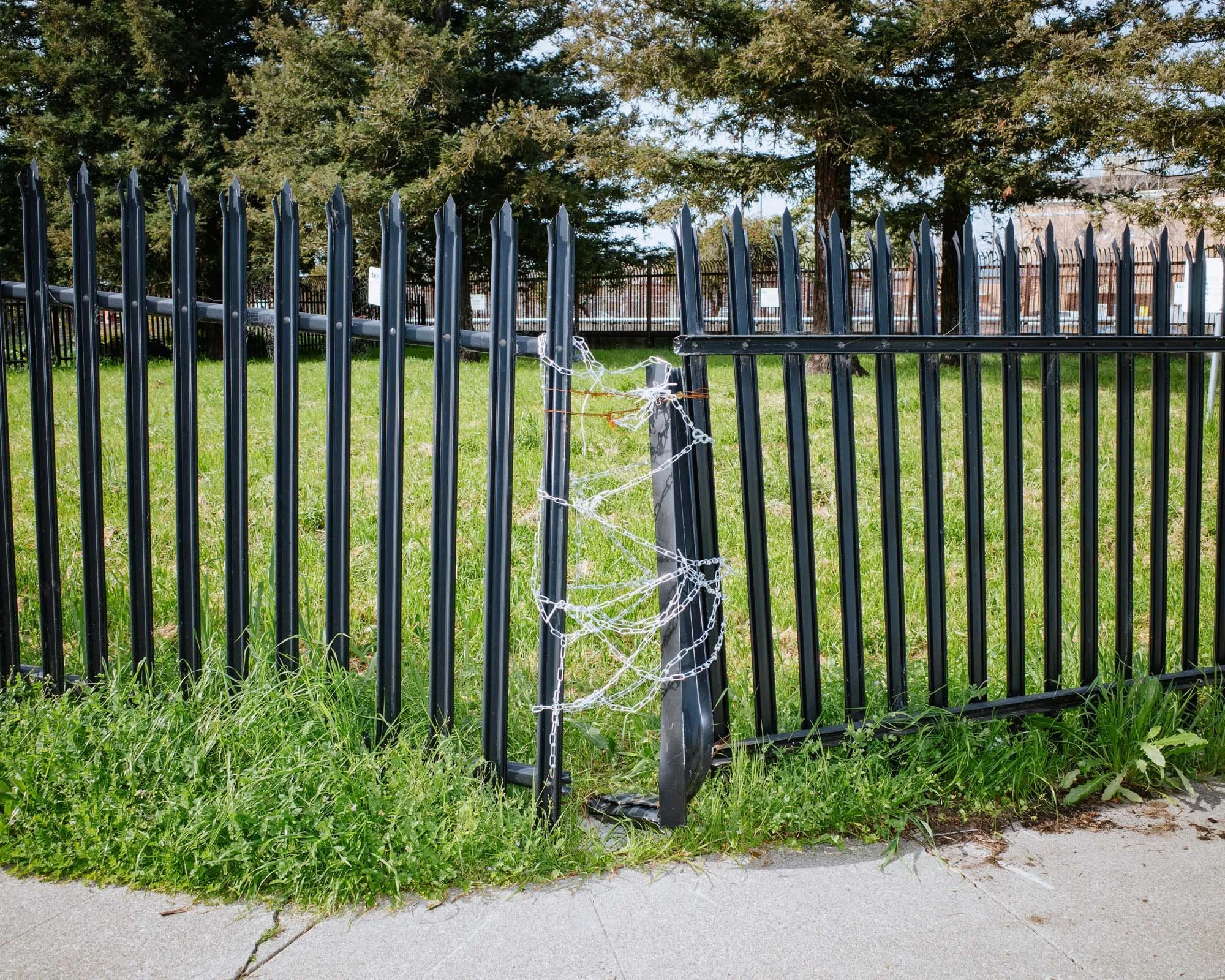
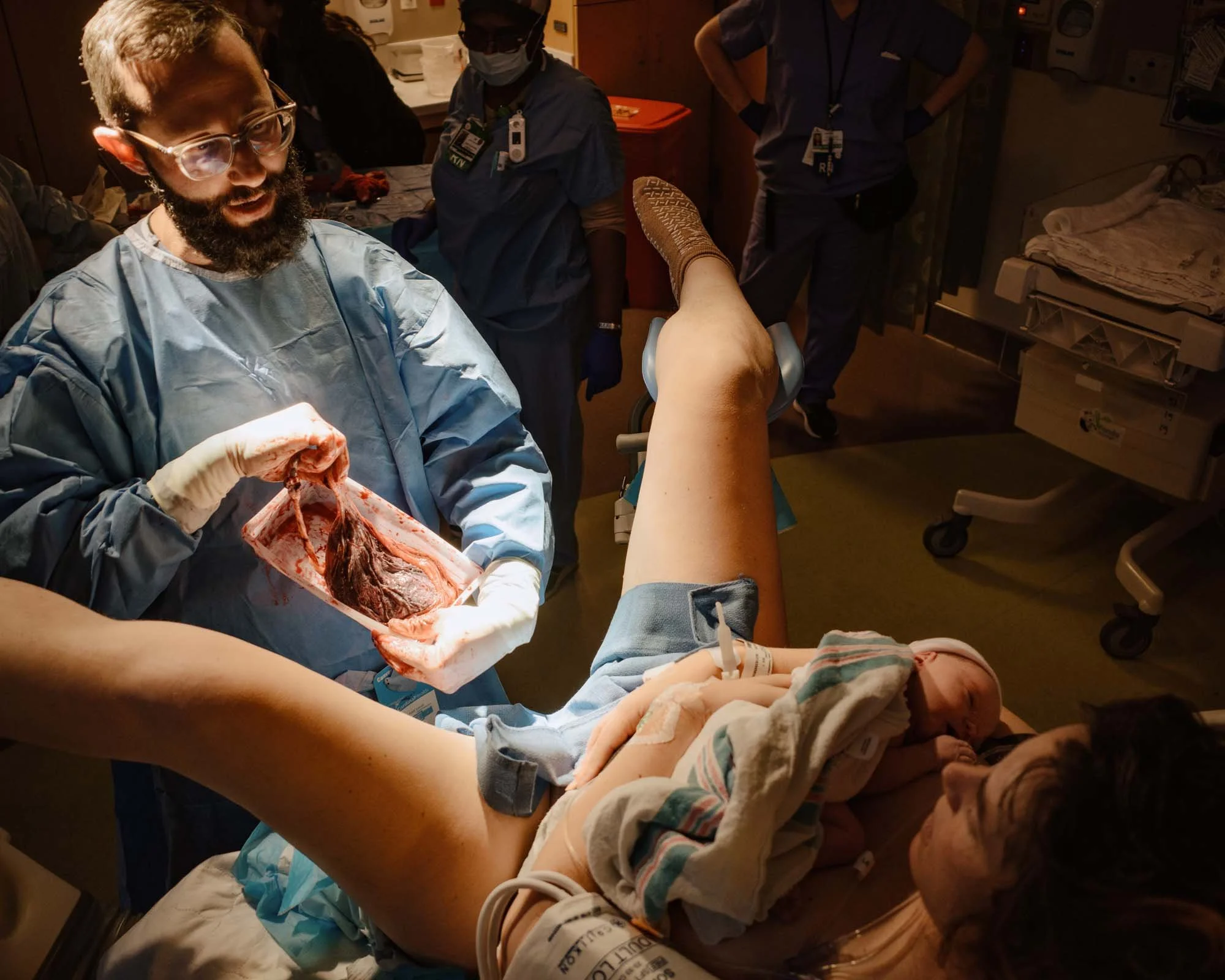
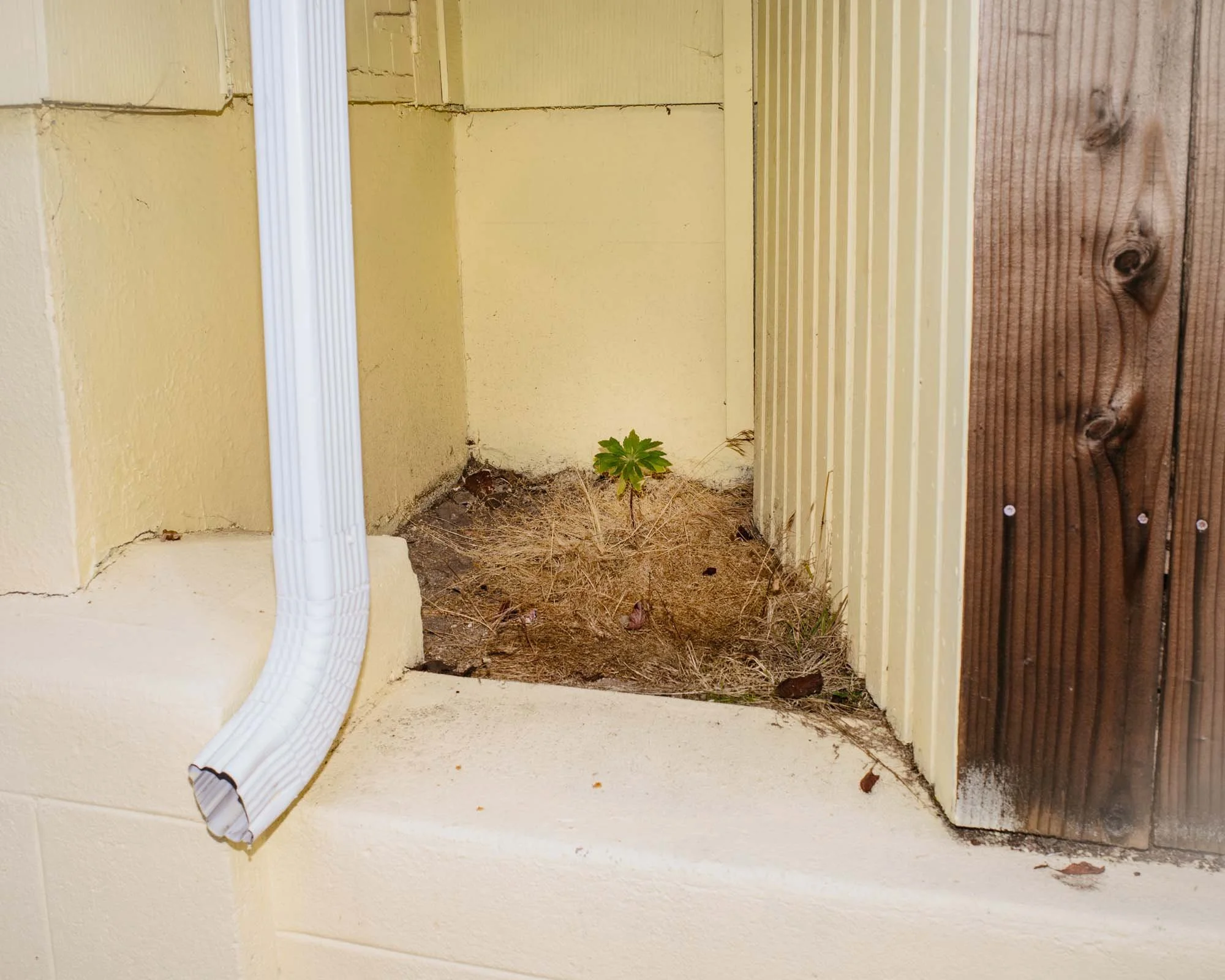
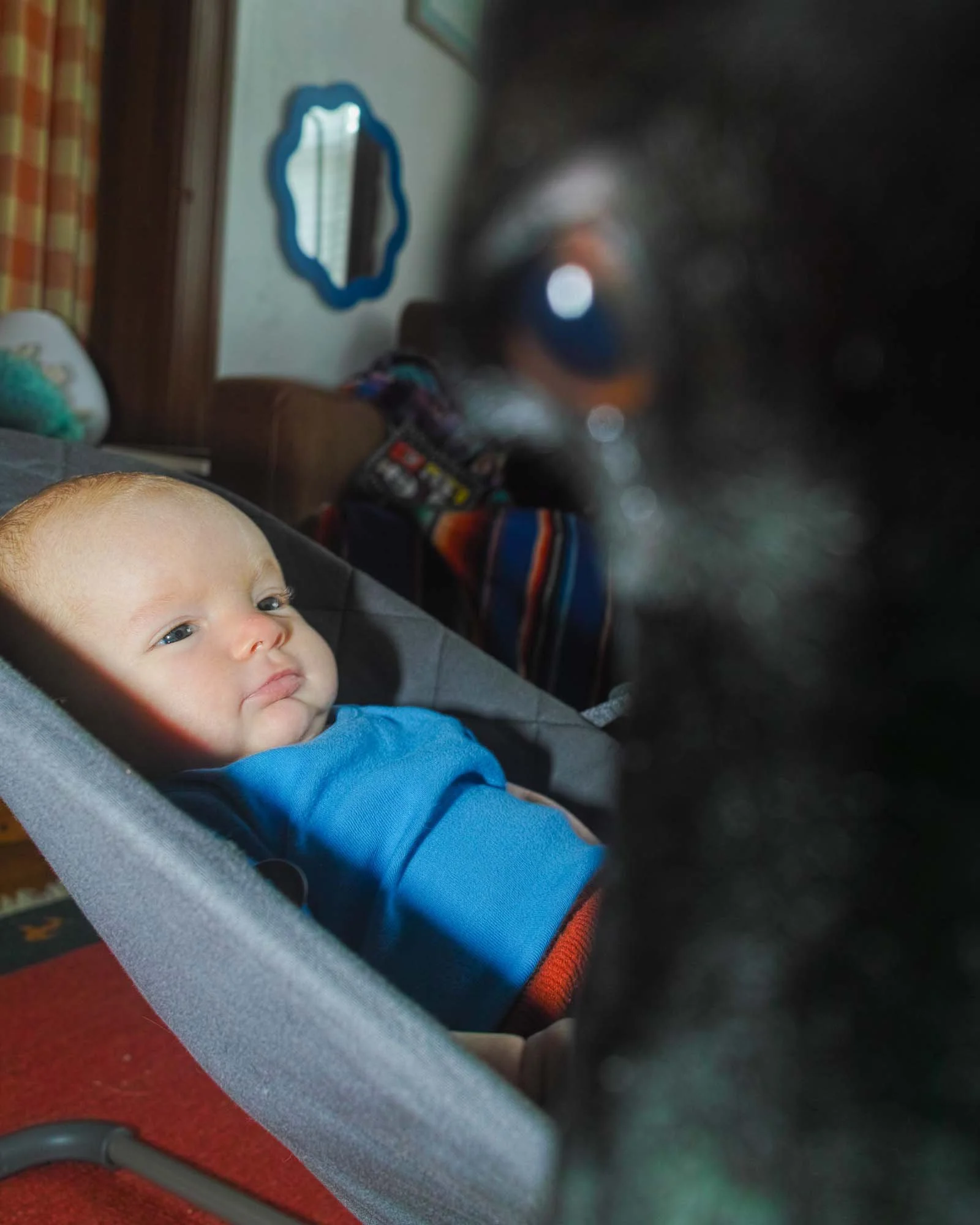
STATEMENT: I have lived in north Oakland since 2010. In that time I have become fascinated with the plants in my neighborhood, their odd beauty, humor and resilience. About 4 years ago I started to photograph these plants while on walks with my dog. Meanwhile, in 2024 my wife became pregnant and in 2025 we became parents to a little baby girl. Now with baby here our apartment is feeling smaller than ever and we are looking towards the exit, with the understanding that our time in our neighborhood is coming to an end. This project weaves together a "New Topographic" look towards our neighborhood with an intimate family narrative creating a love letter, or rather, thank you card to Oakland.
BIO: Dean Snodgrass is an Oakland-based photographer on his own time and 1st assistant Camera on company time. Born and raised in San Anselmo, California. He graduated University of California, Santa Cruz in 2010 and has lived in Oakland ever since.
Hector Franco
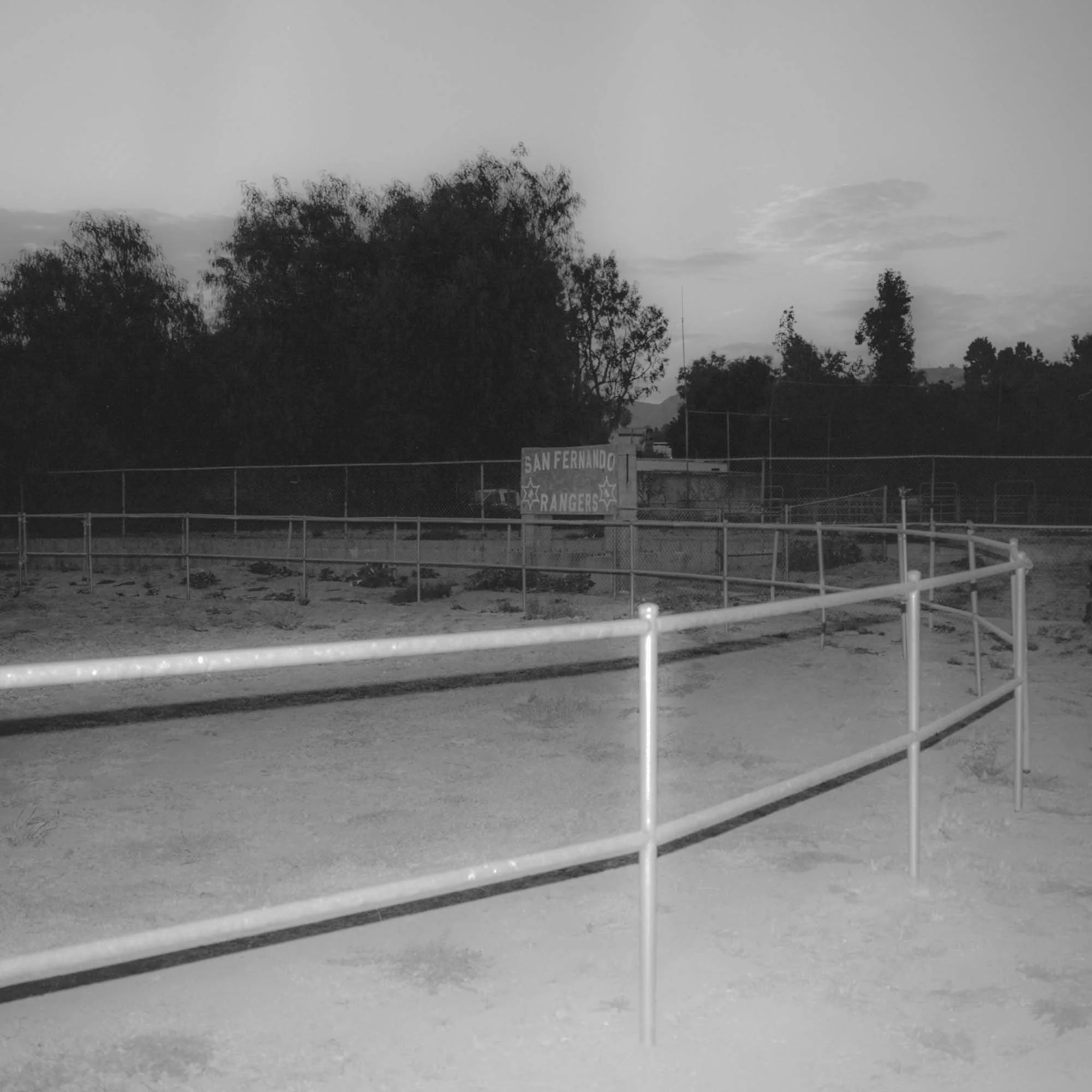
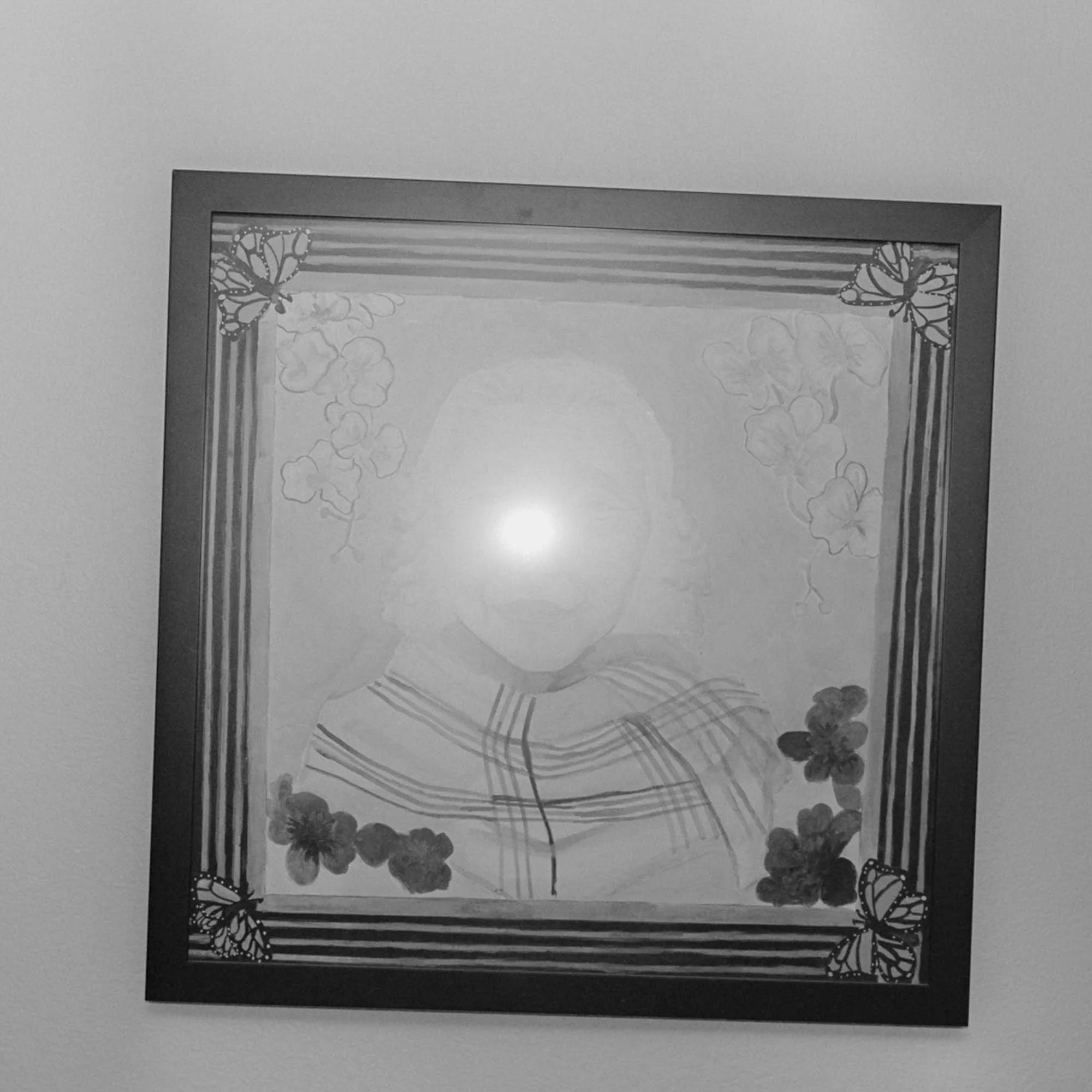
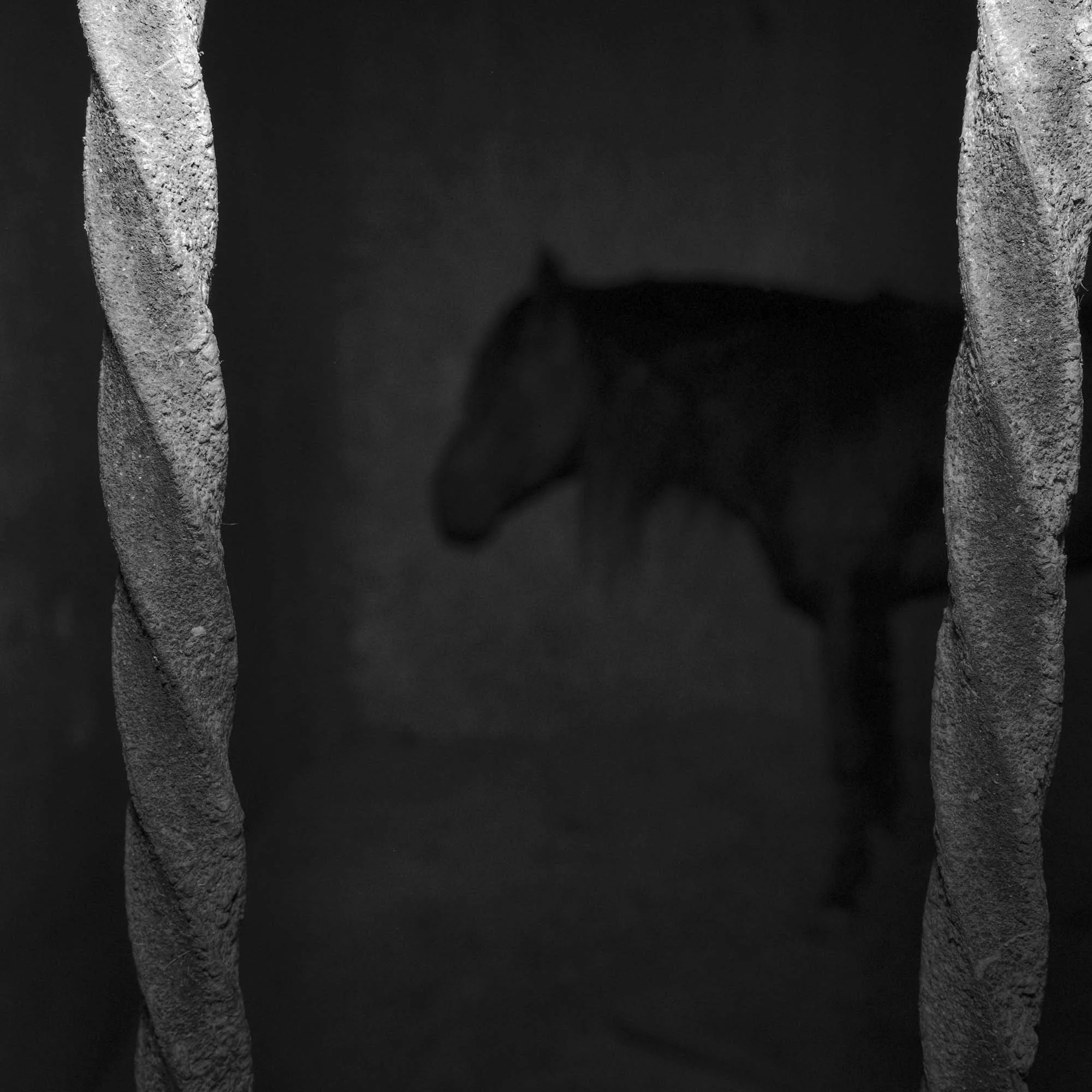
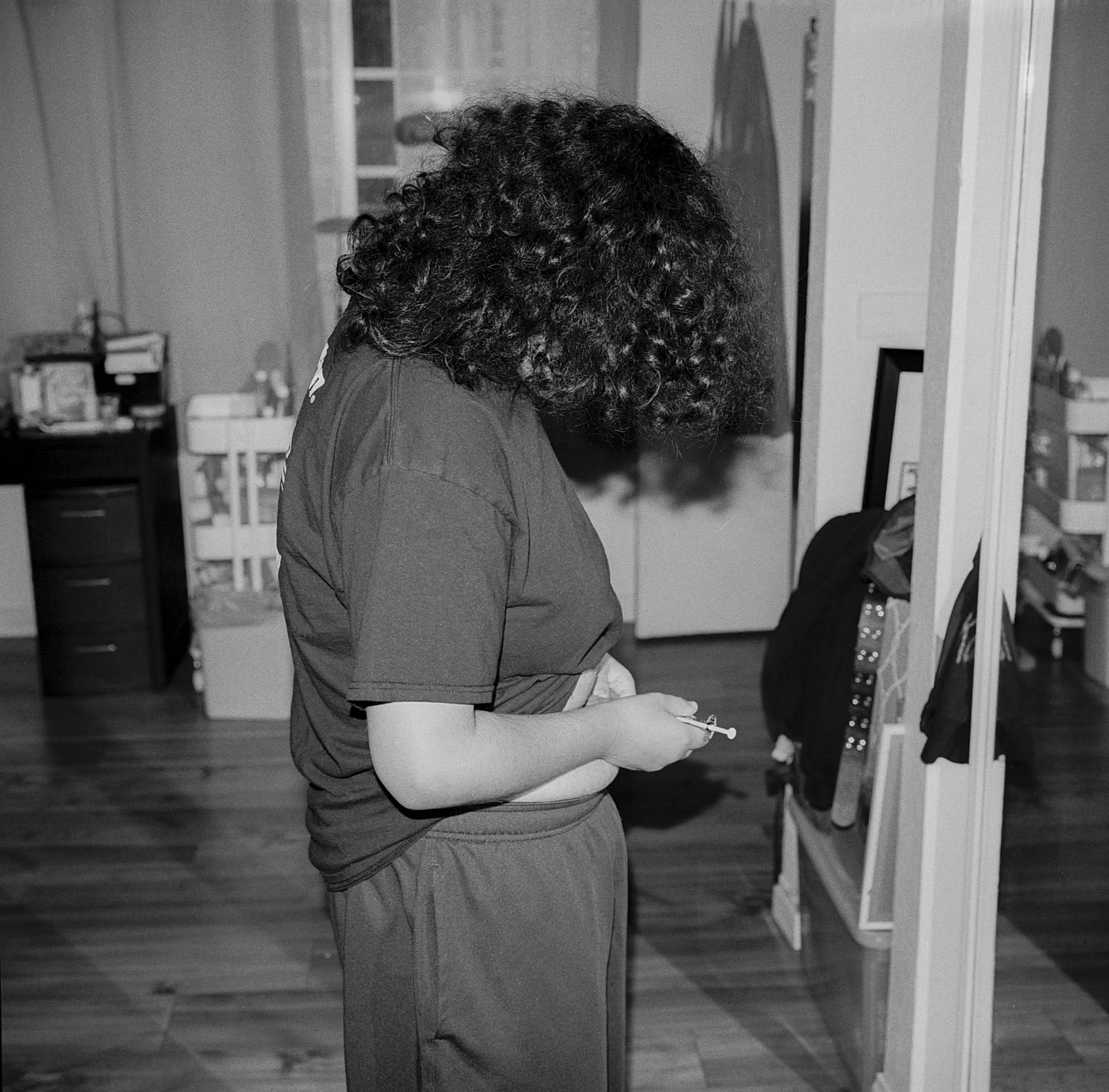
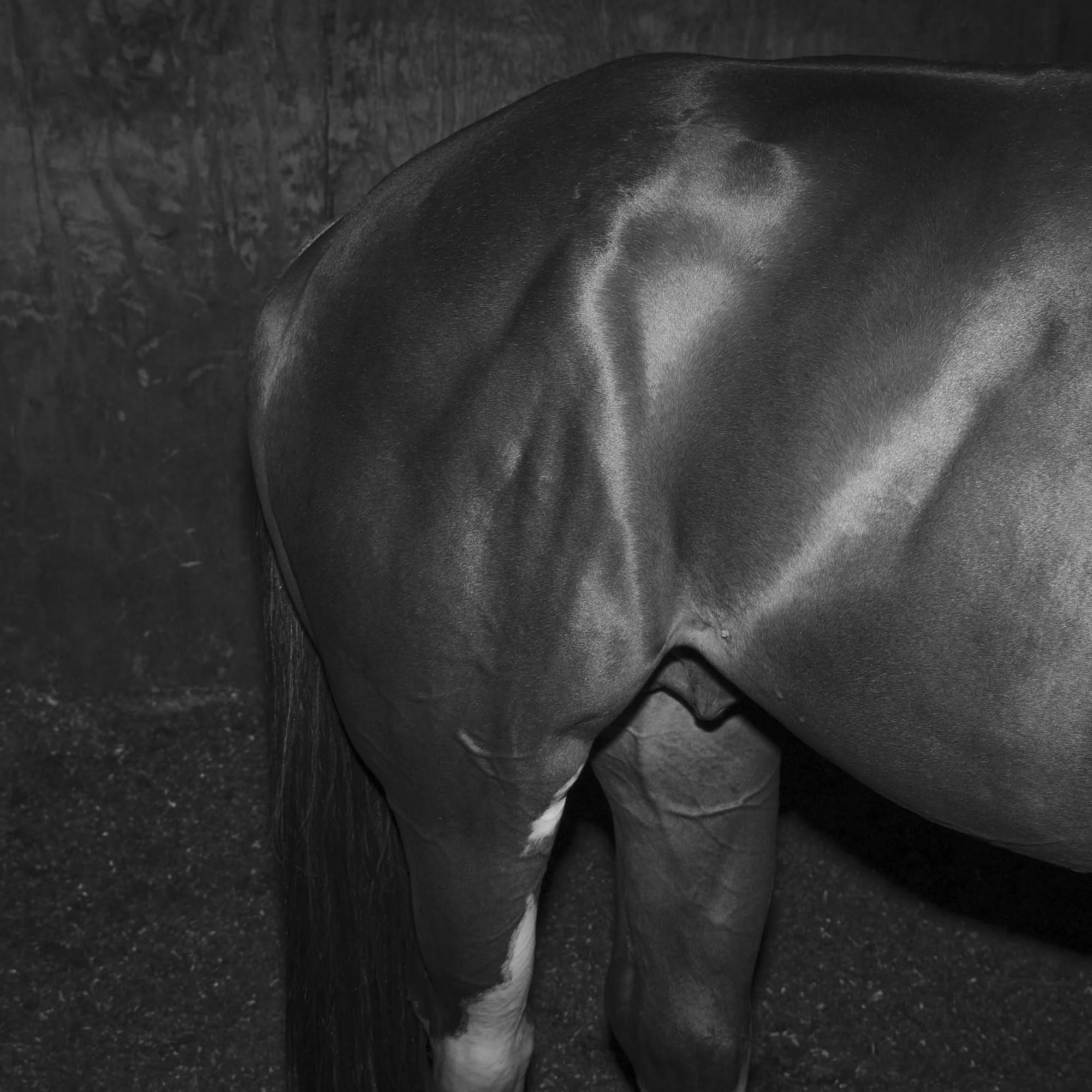
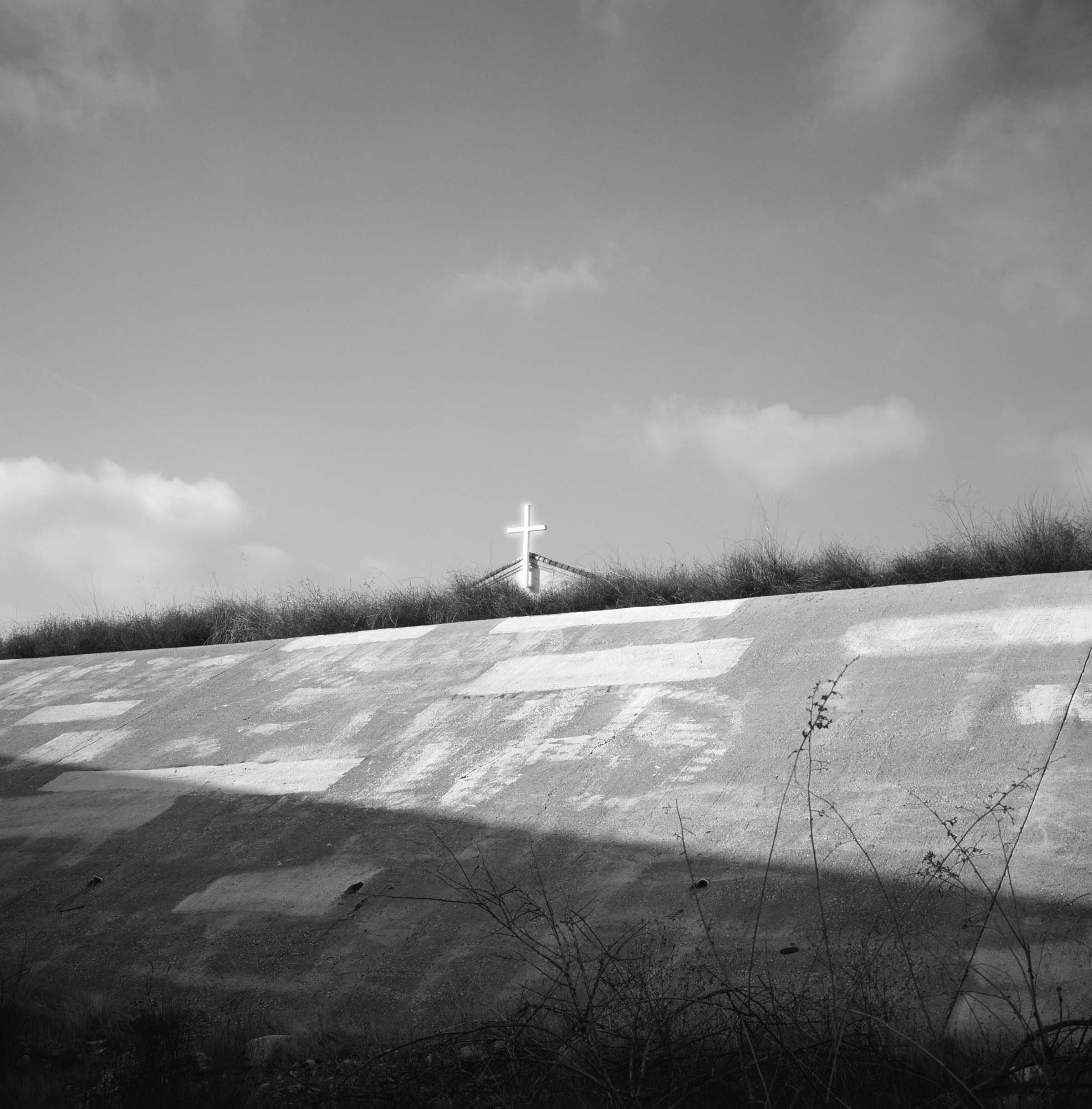
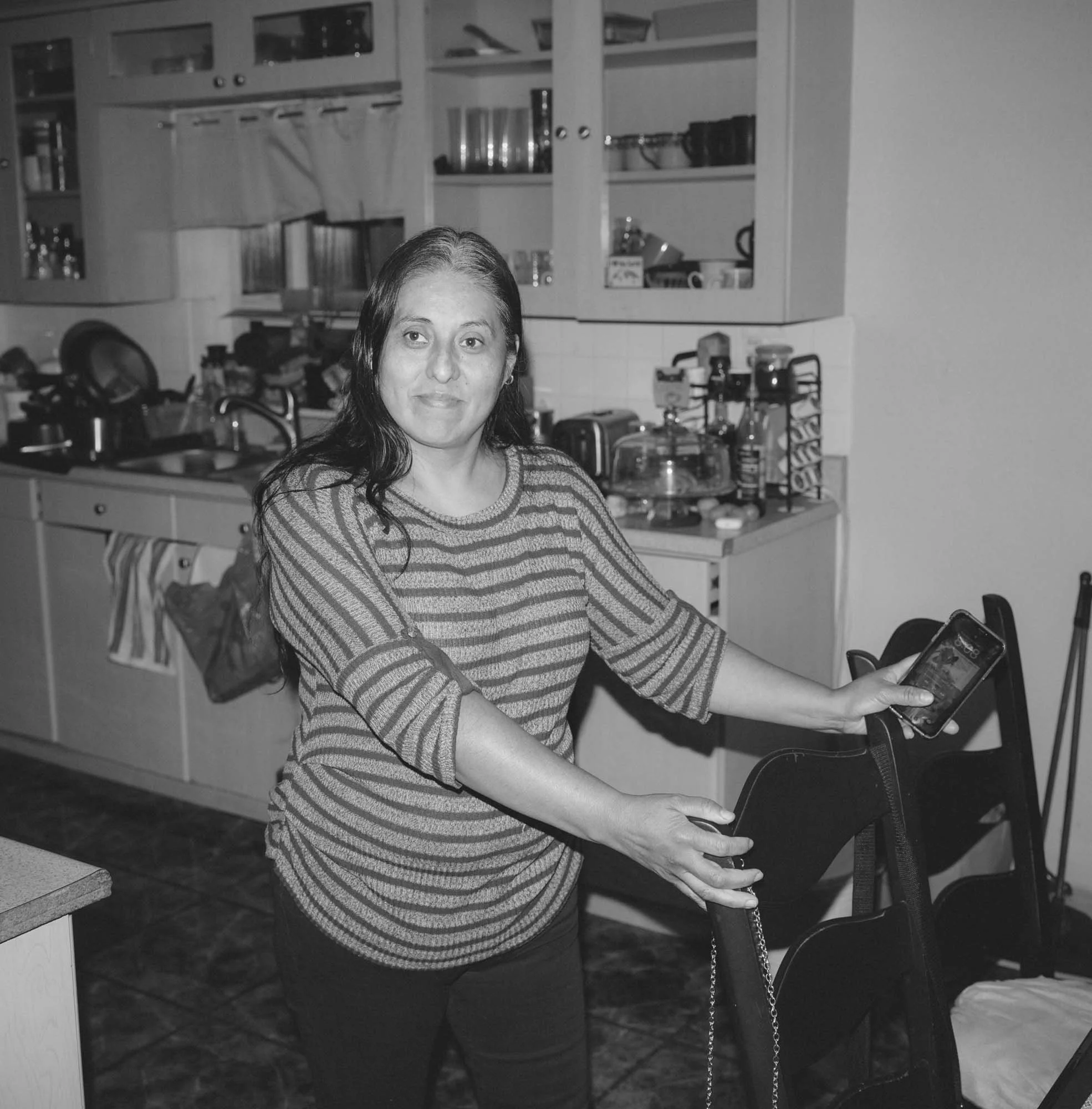
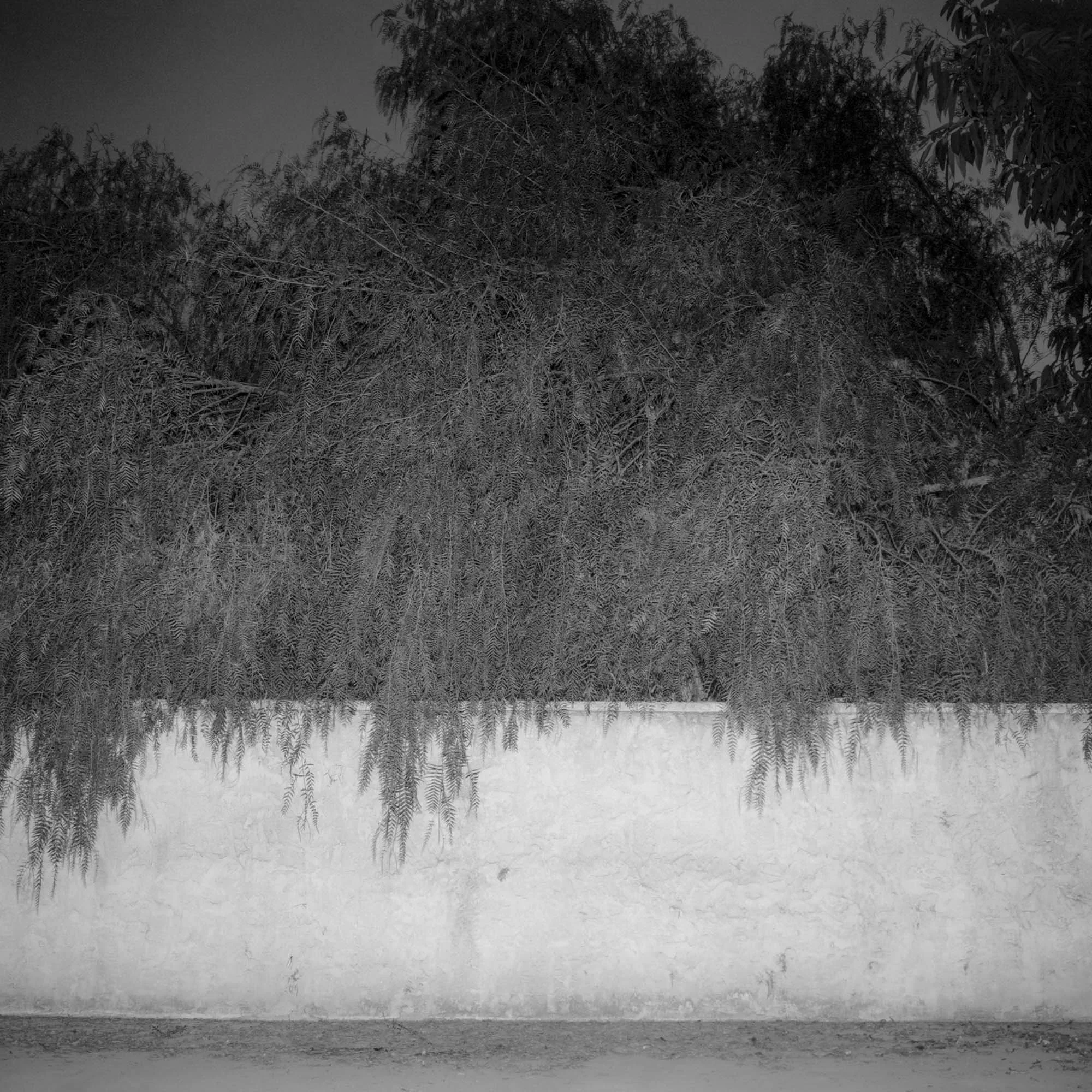
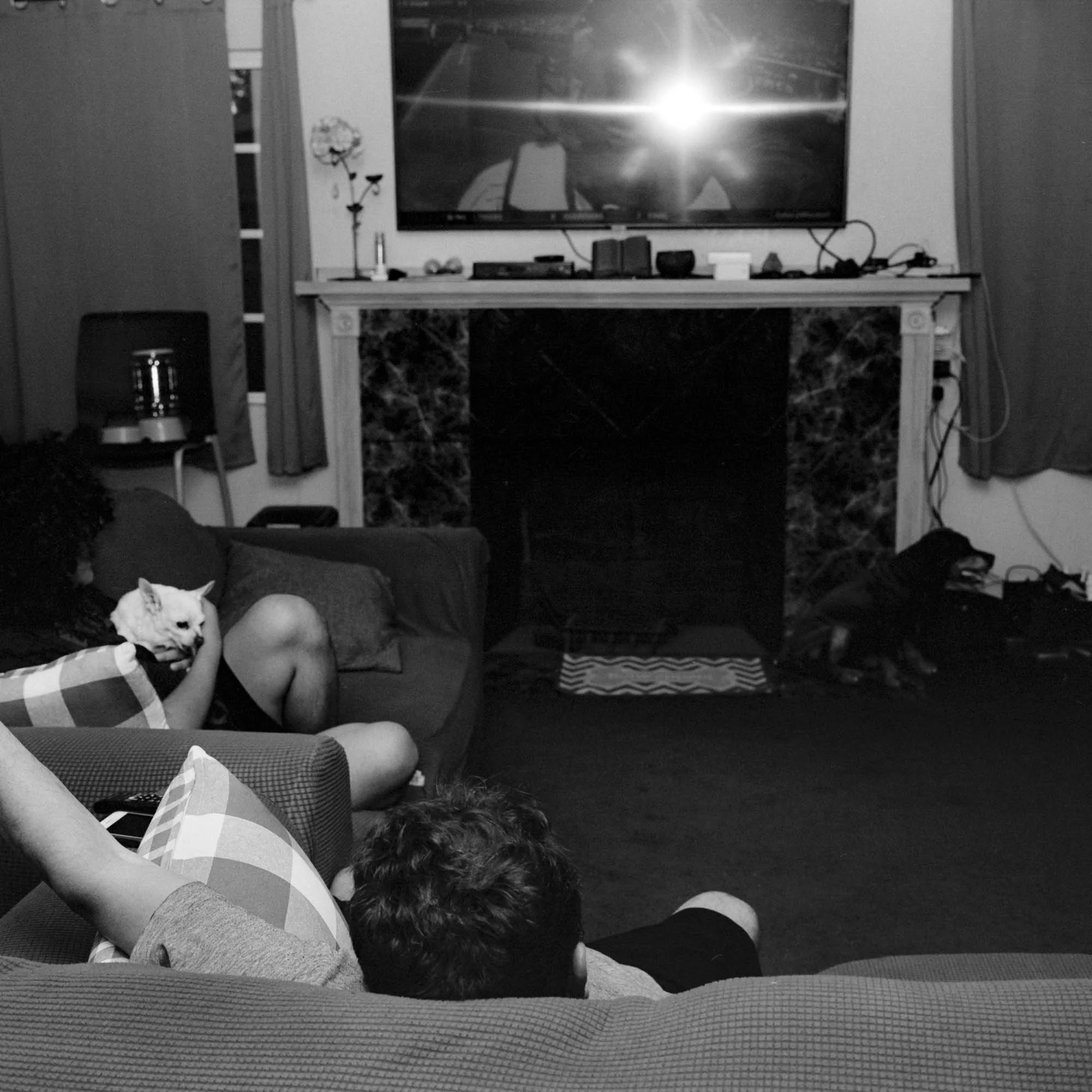
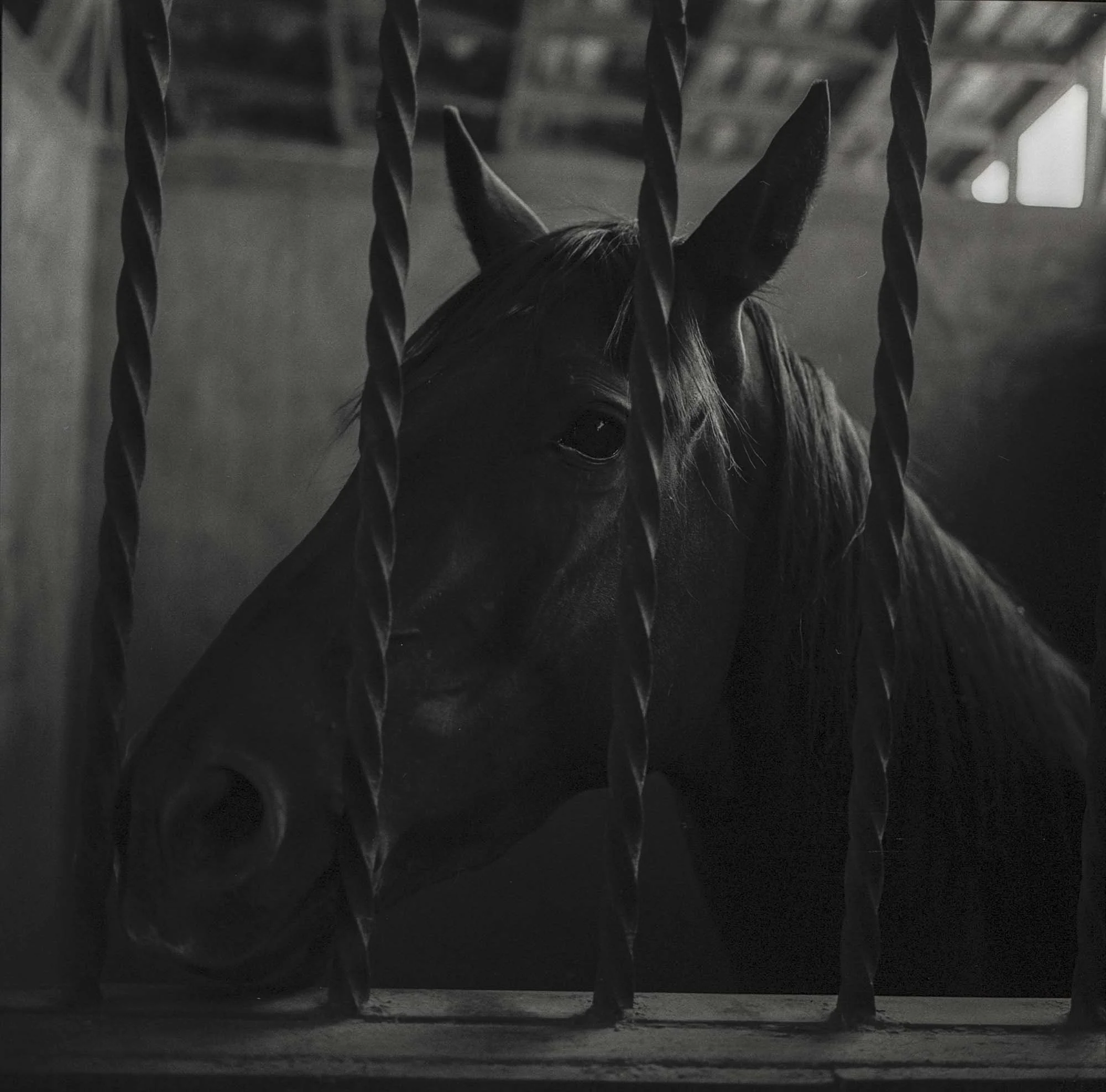
STATEMENT: I photograph in my hometown of Lake View Terrace, through its attempt of being something more than a silhouette of the American West. On these 2+ acres of land, I explore what it means to weave between identity, transitions, and family by surveying the land and questioning the animals. Sometimes they answer my questions, sometimes they question my motives.
BIO: Hector Franco is a self-taught photographer, from the San Fernando Valley of Los Angeles. His work is informed by the immigrant experience, and seeks to explore the physical and metaphorical anxieties that revolve around identity.
Jake Ricker
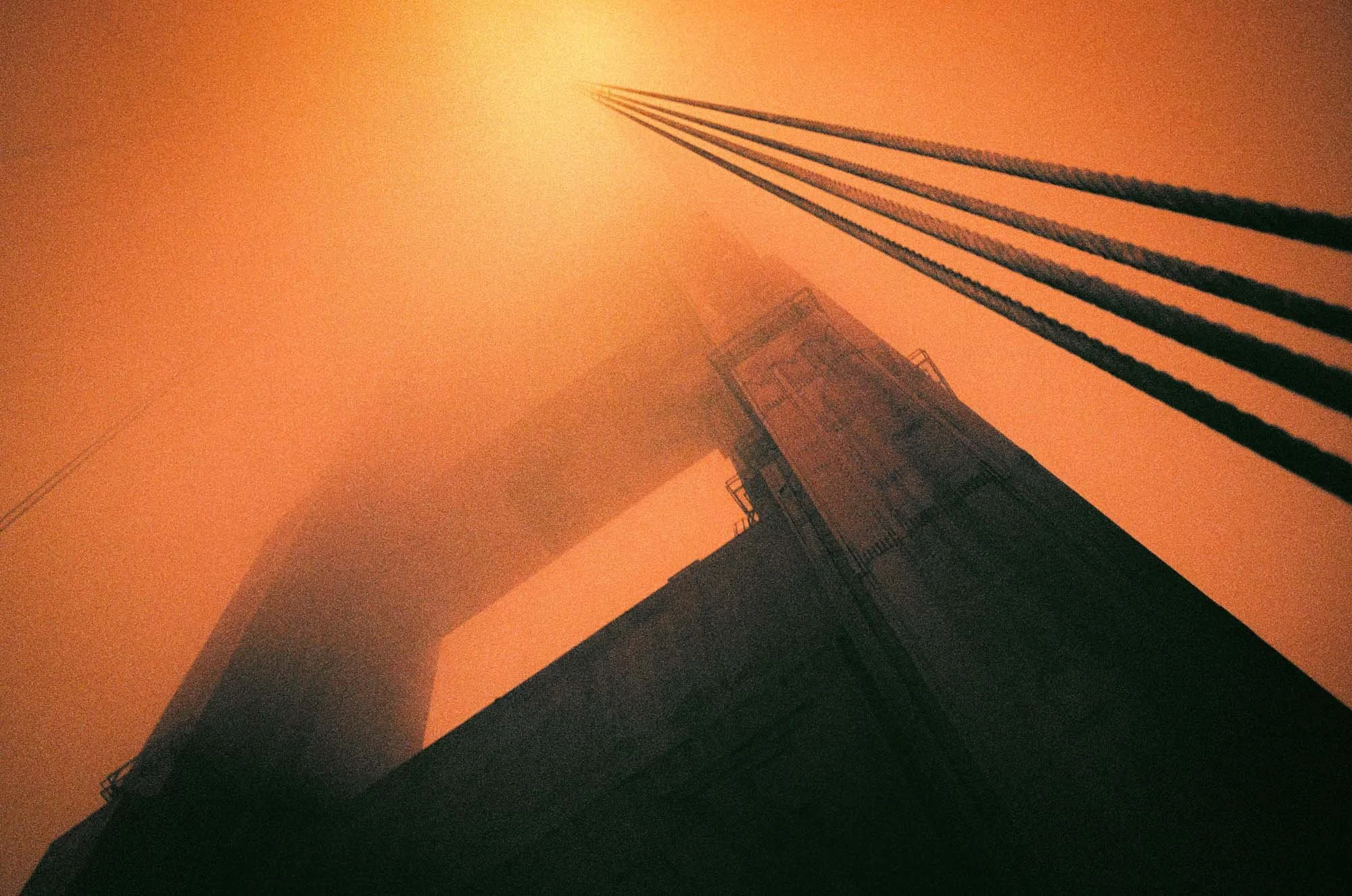
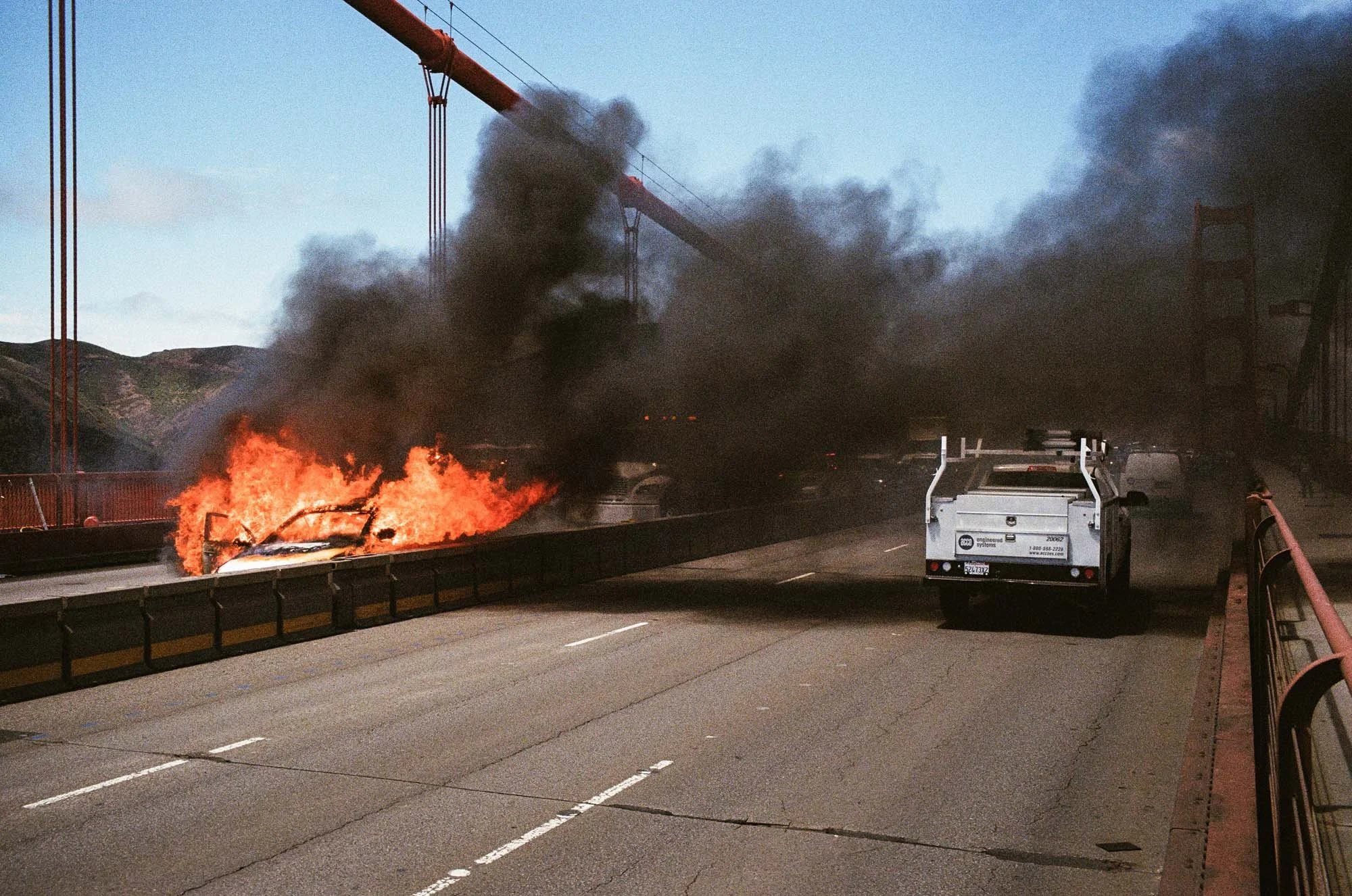
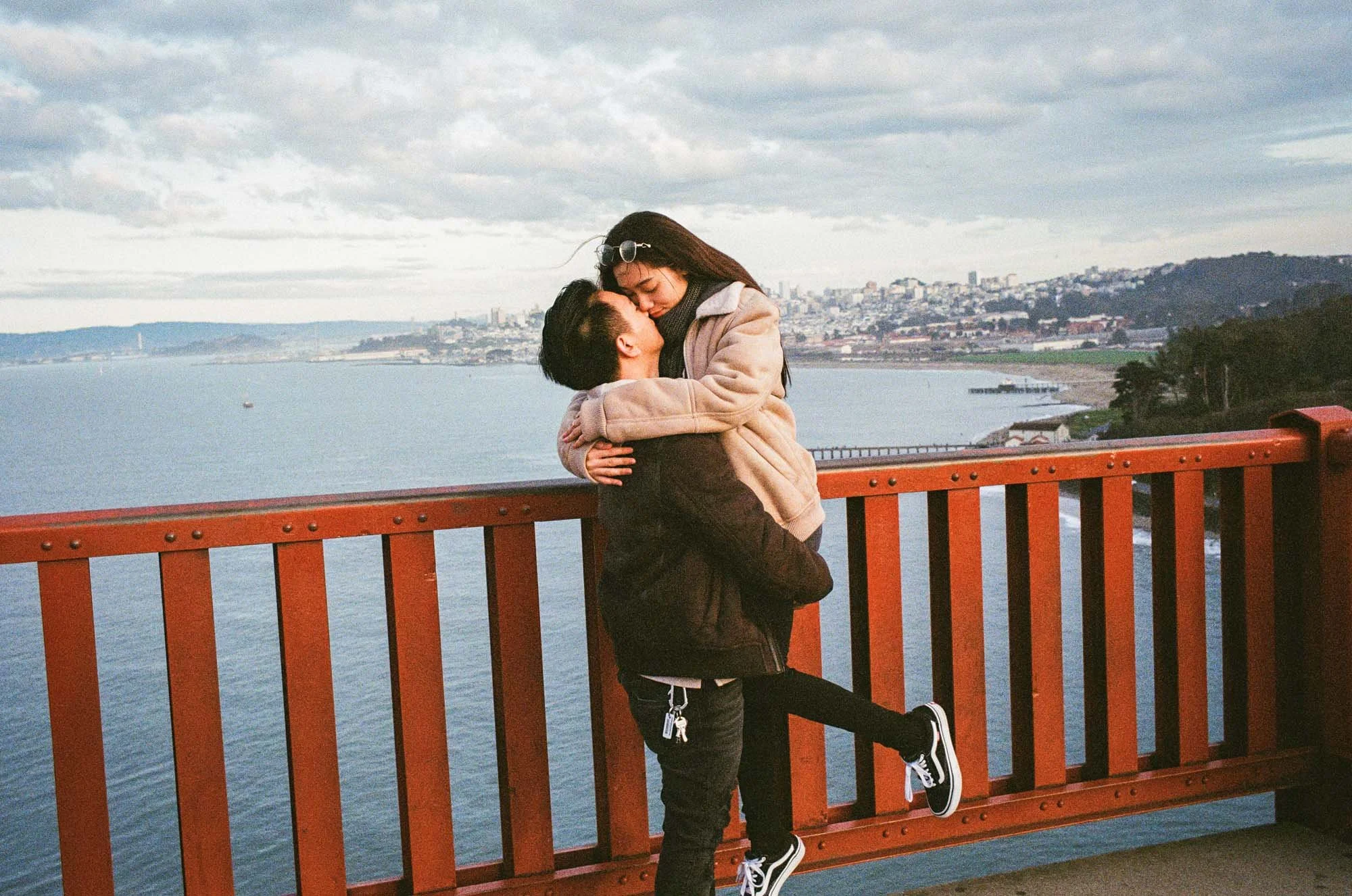
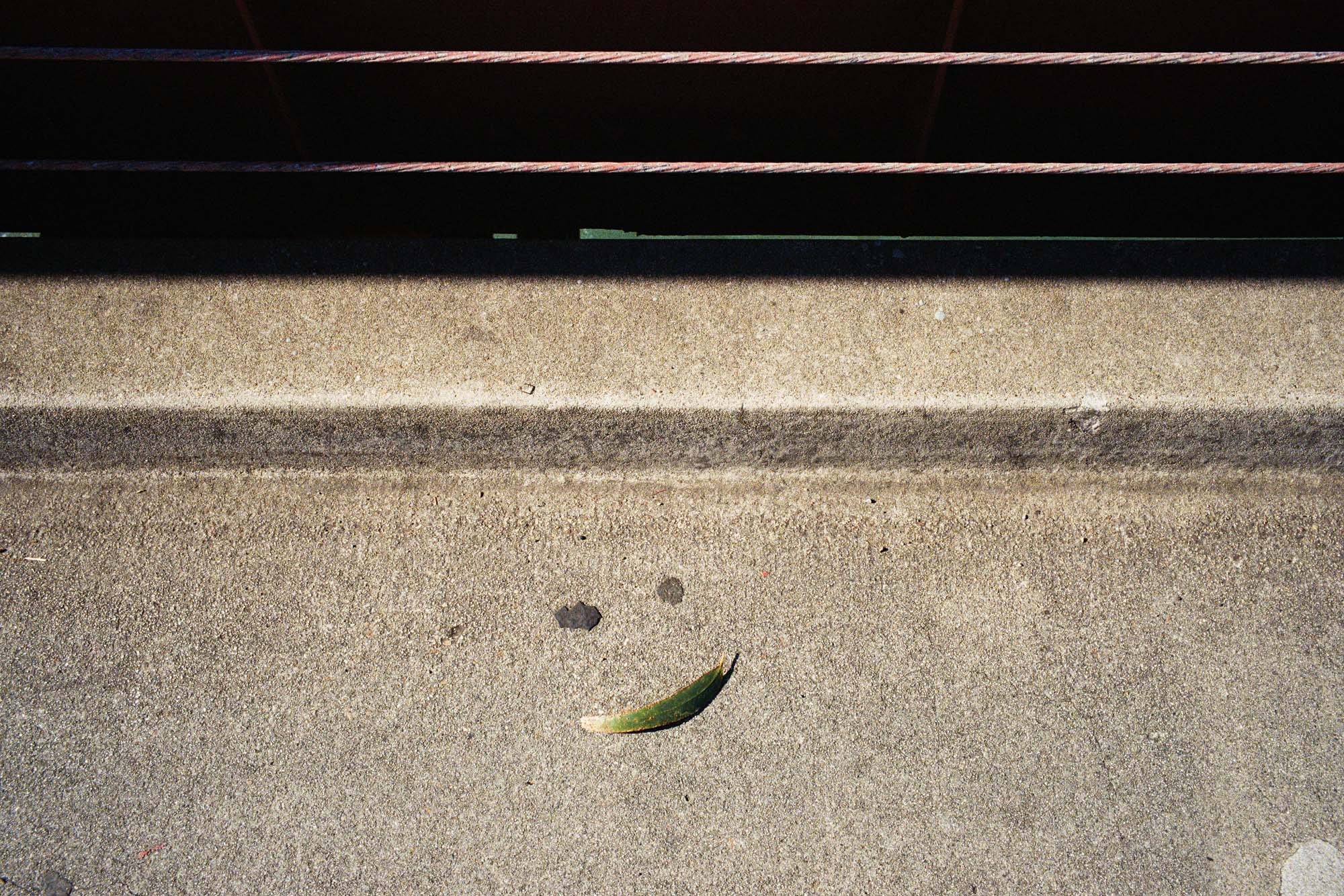
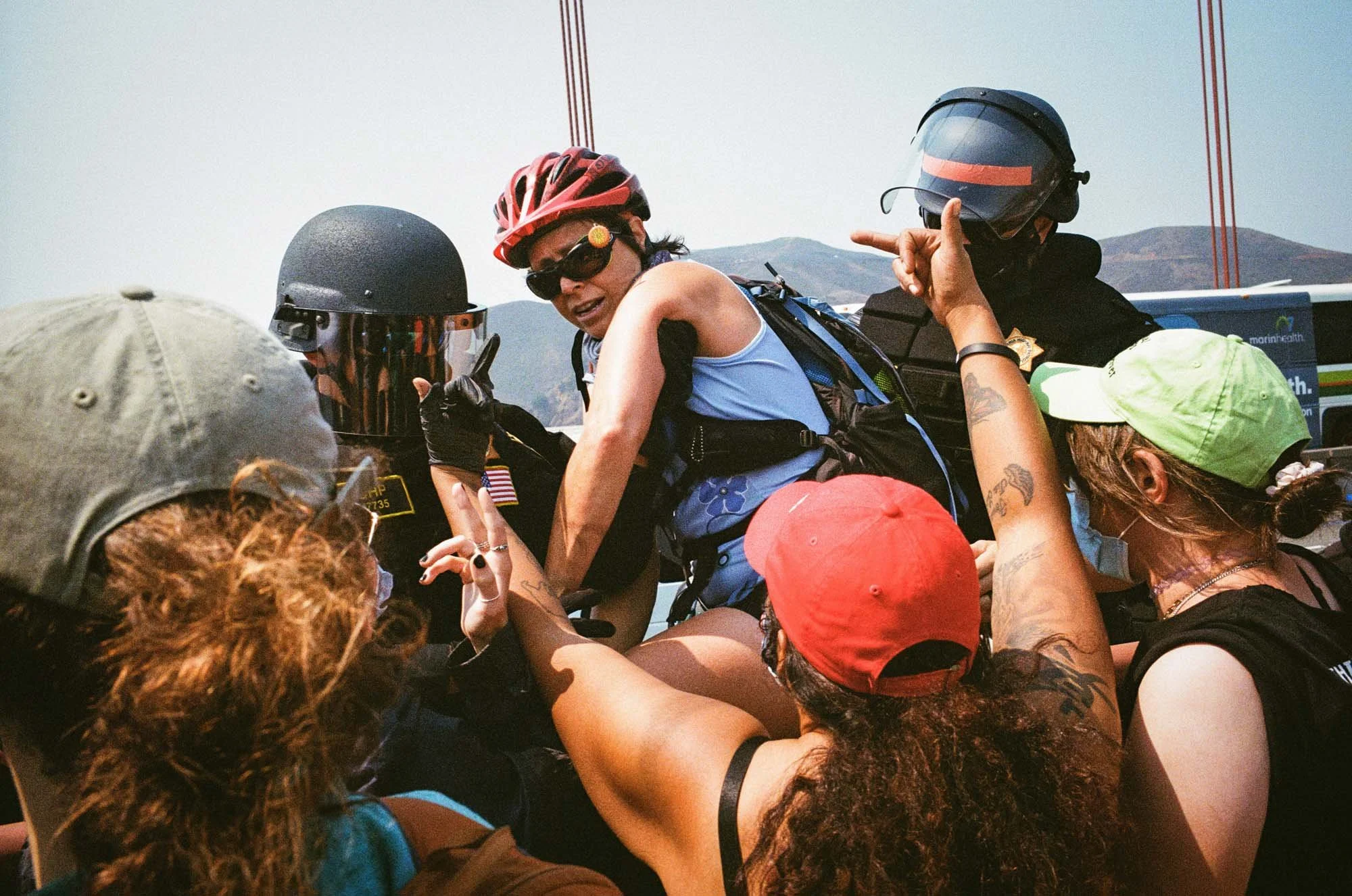
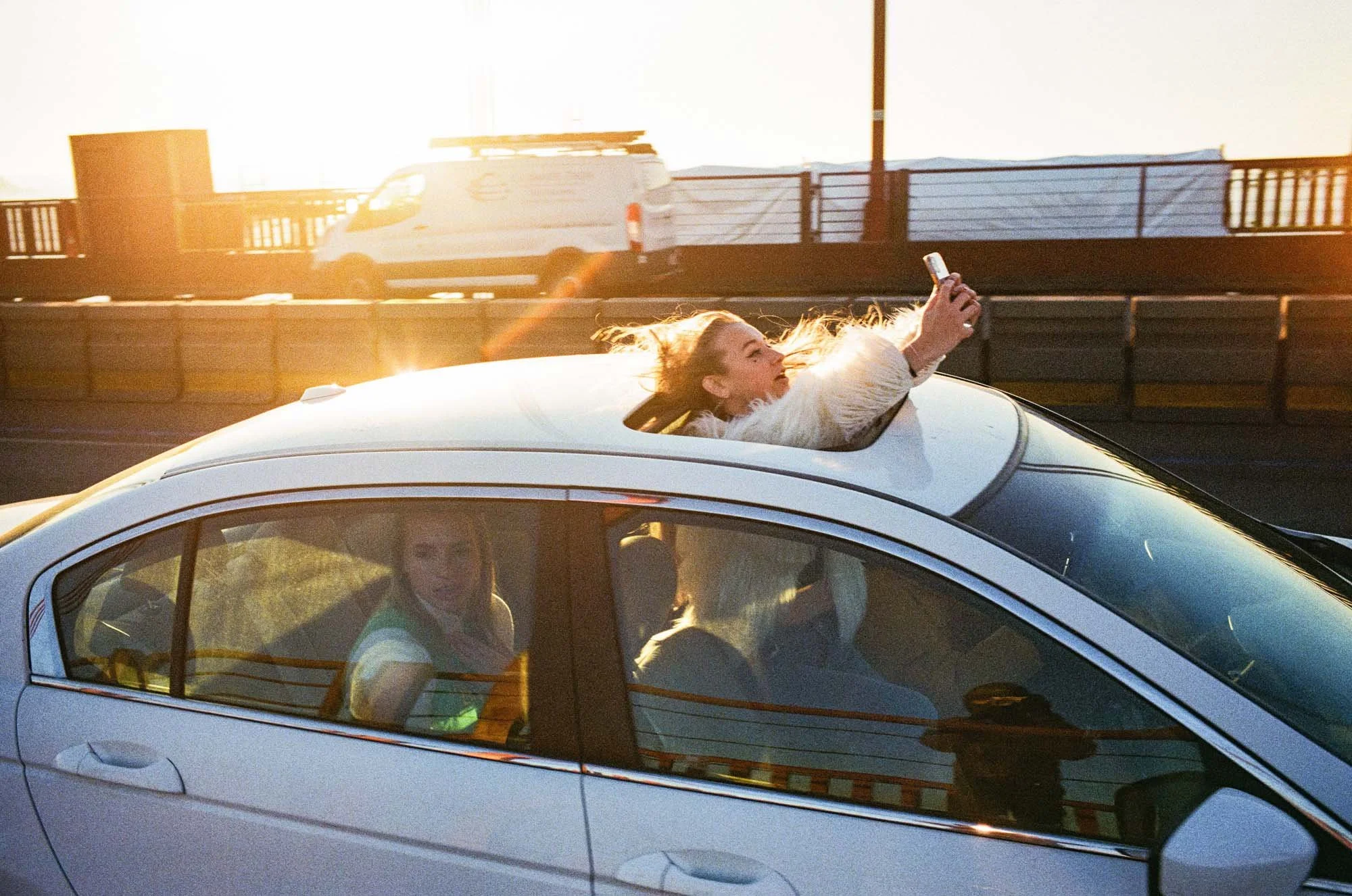
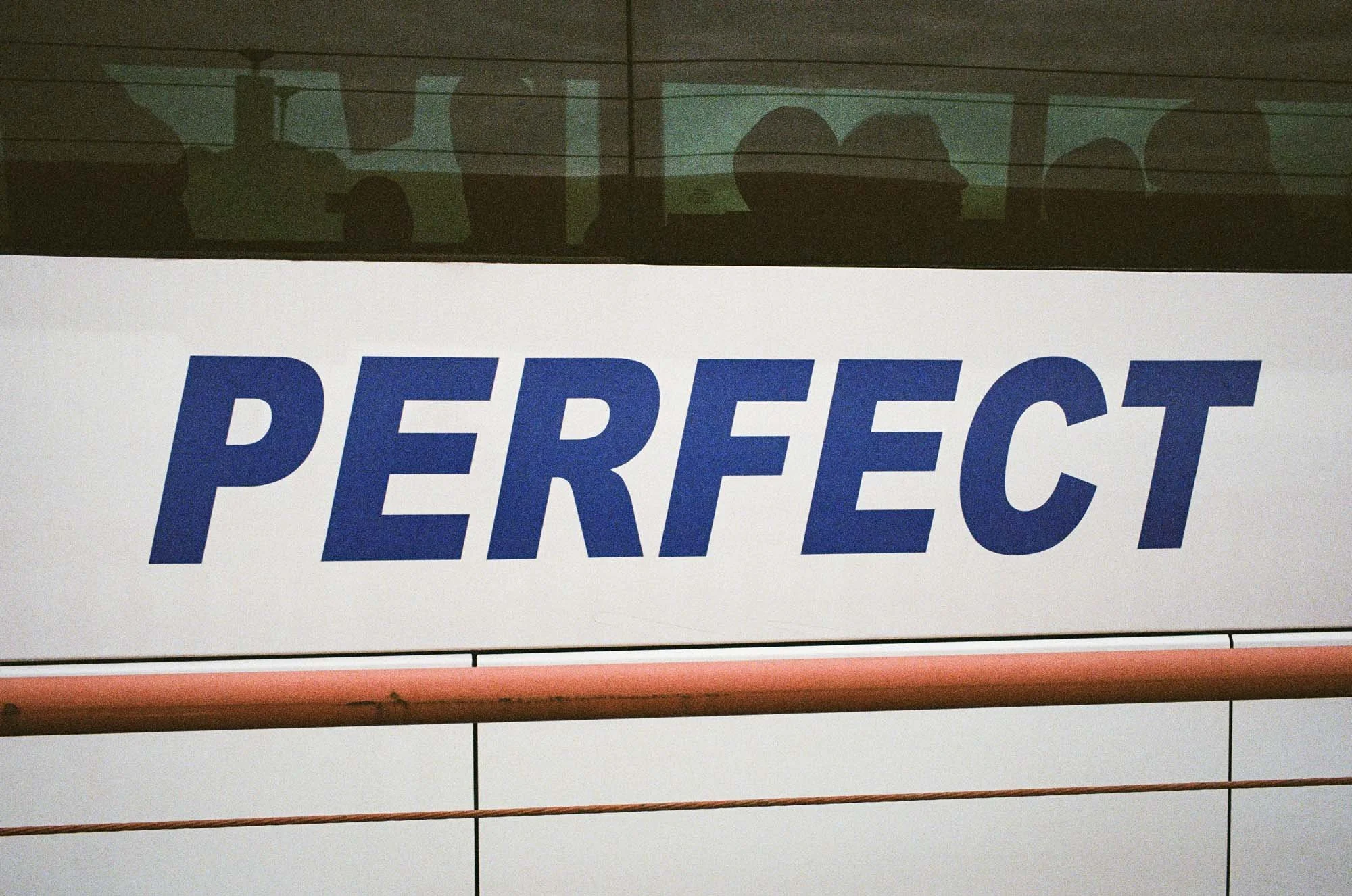
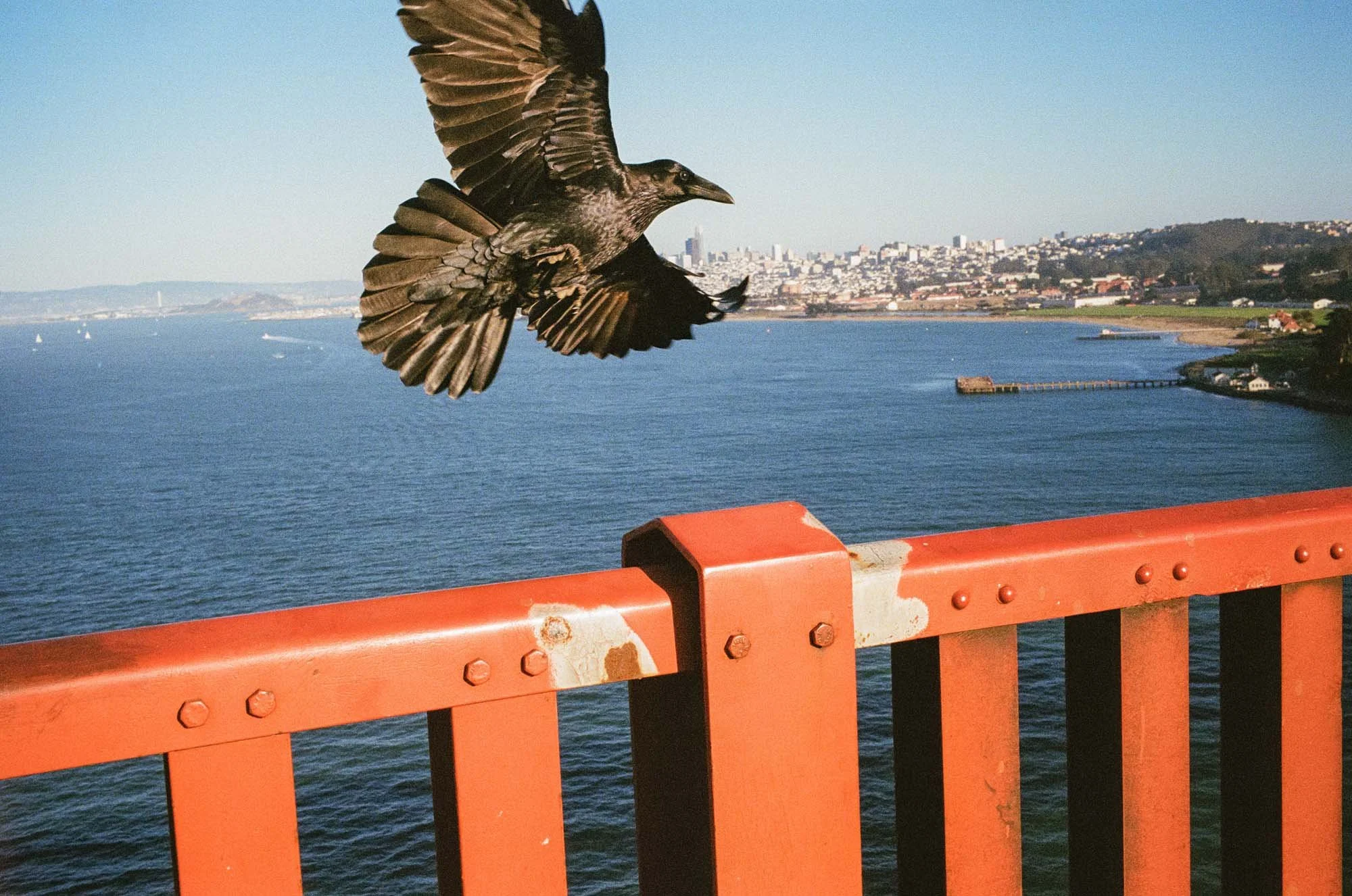
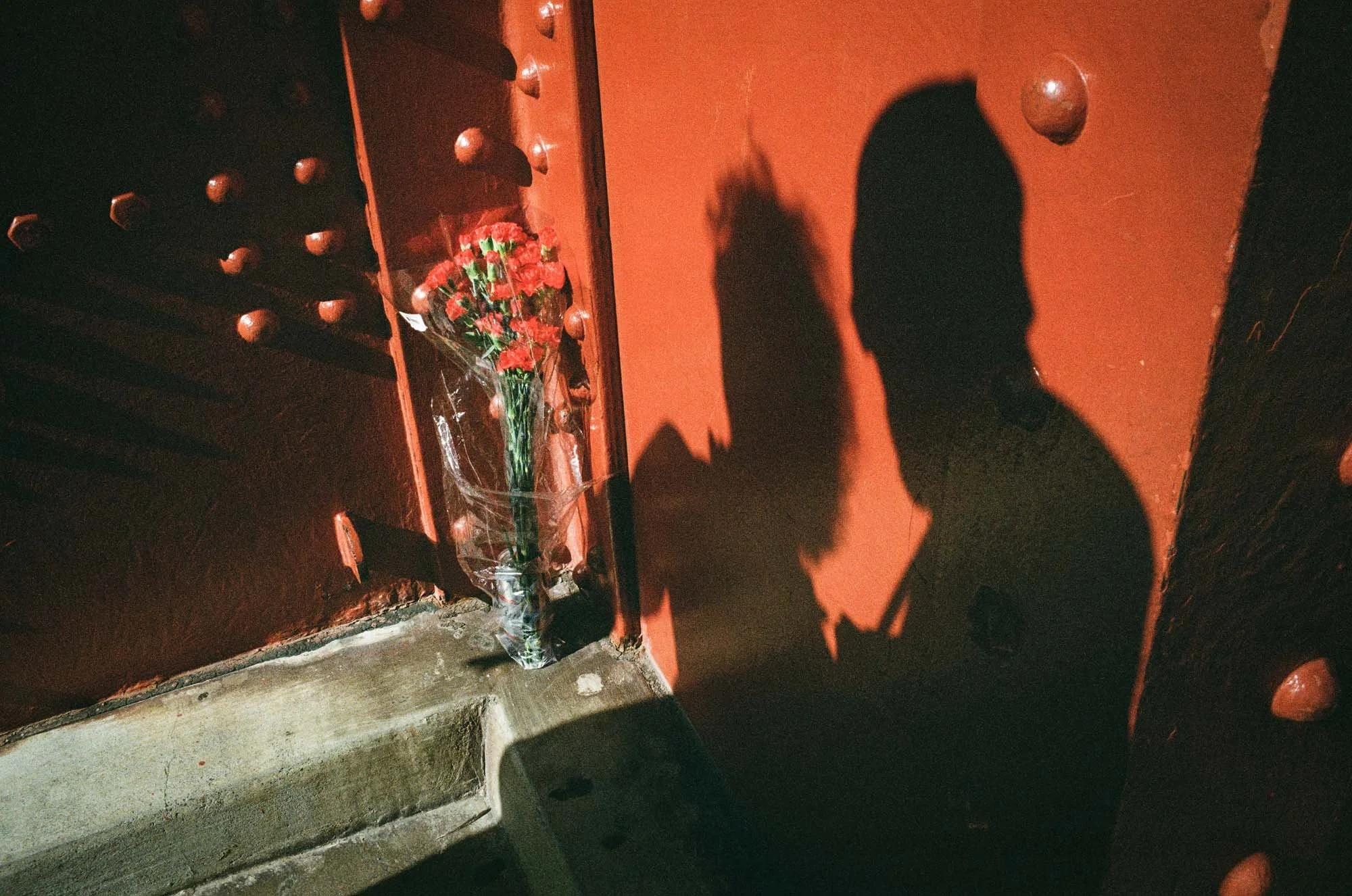
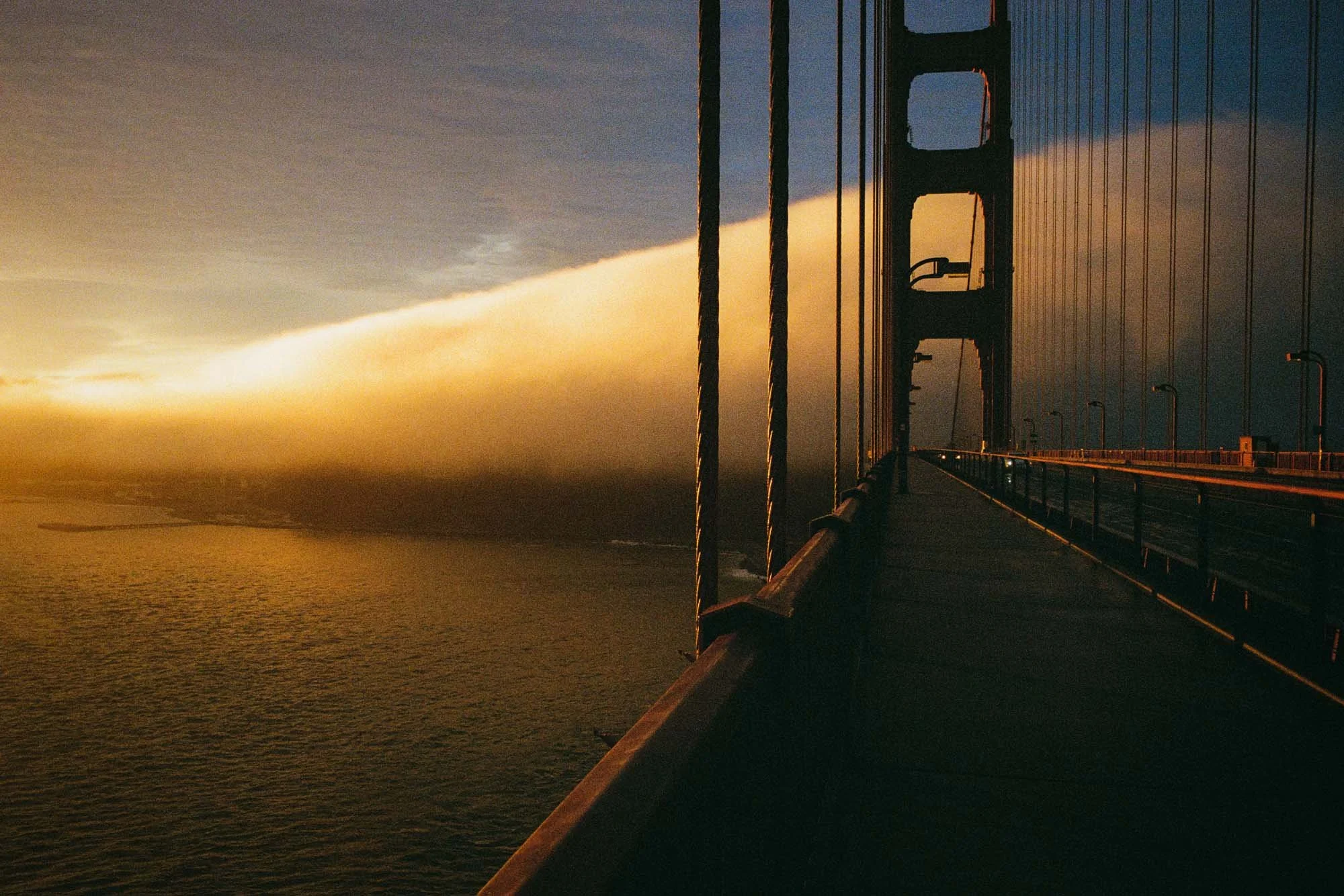
STATEMENT: After the lockdown on March 17, 2020 I lived off the federal stimulus checks after losing my job. I ended up shooting 856 rolls of film, walked over 2,500 miles and spending over 3,000 hours on the bridge. These are 10 from that large body of work all shot in that calendar year.
BIO: Jake Ricker is a San Francisco-based photographer renowned for his extensive documentation of the Golden Gate Bridge. Over a span of six years, he has visited the bridge almost daily, capturing candid moments on 35mm film that reflect the diverse human experiences associated with this iconic landmark. He is currently working on publishing a book of this body of work entitled Strange Paradise.
Jared Radin
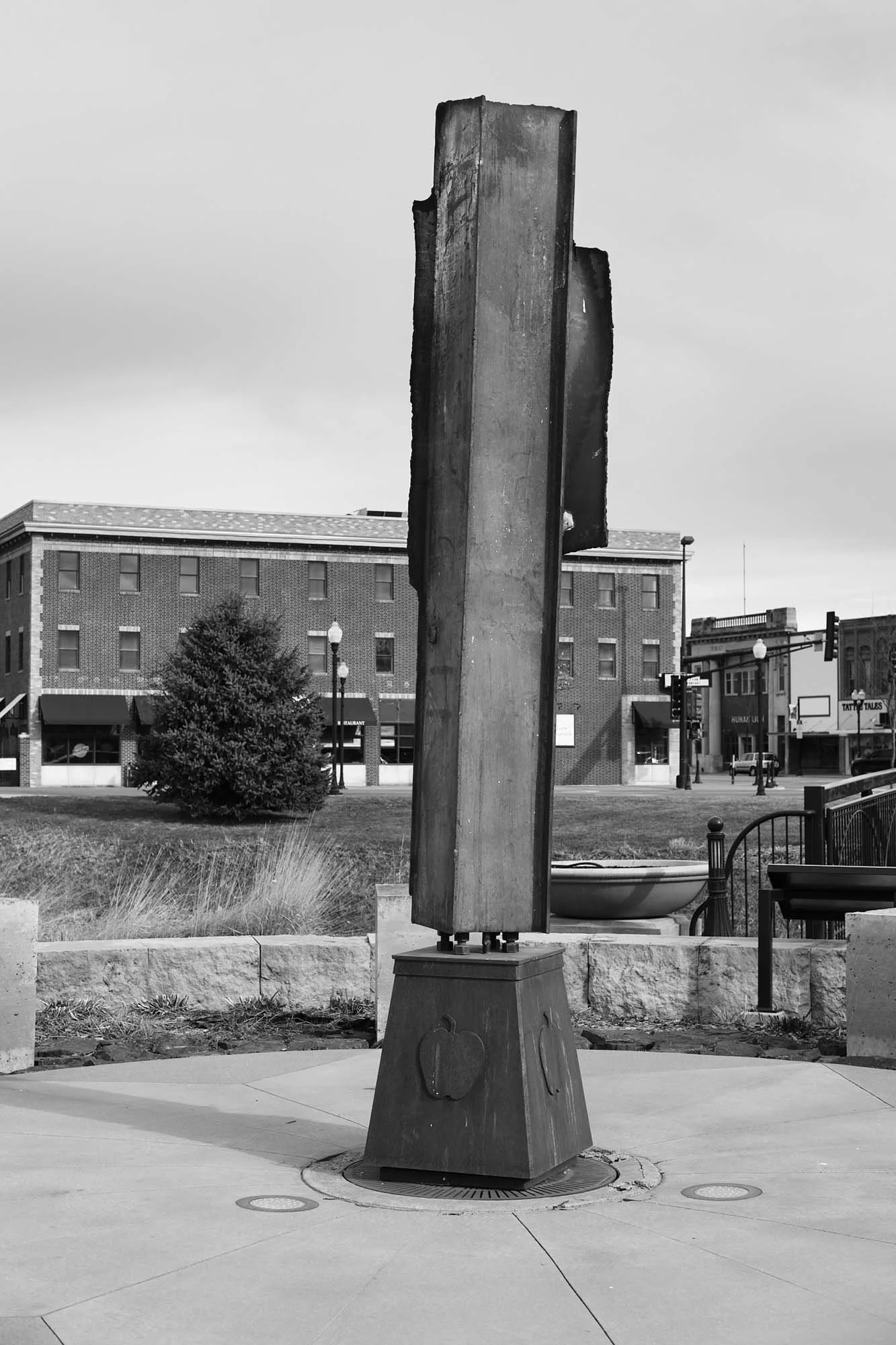
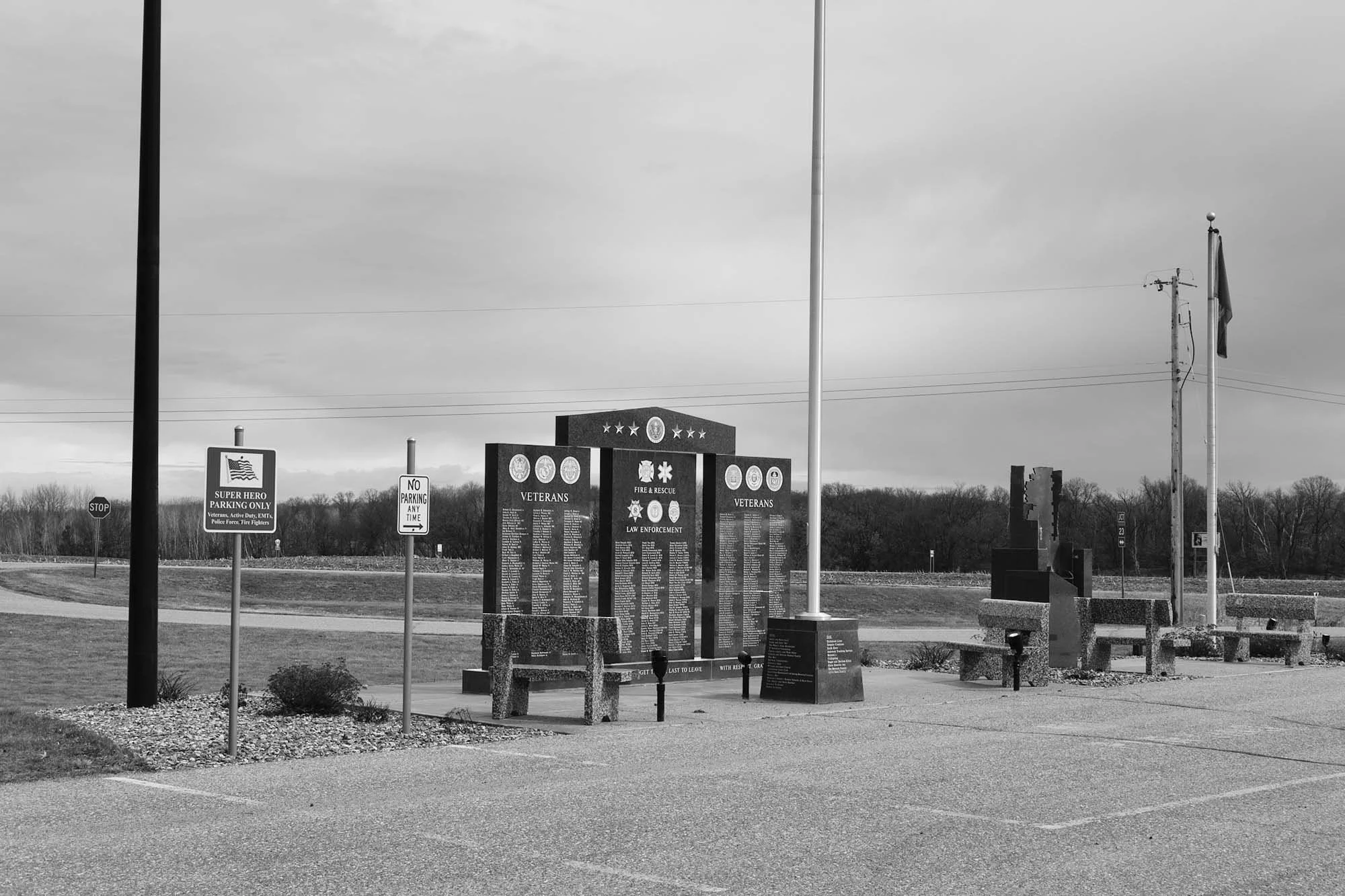
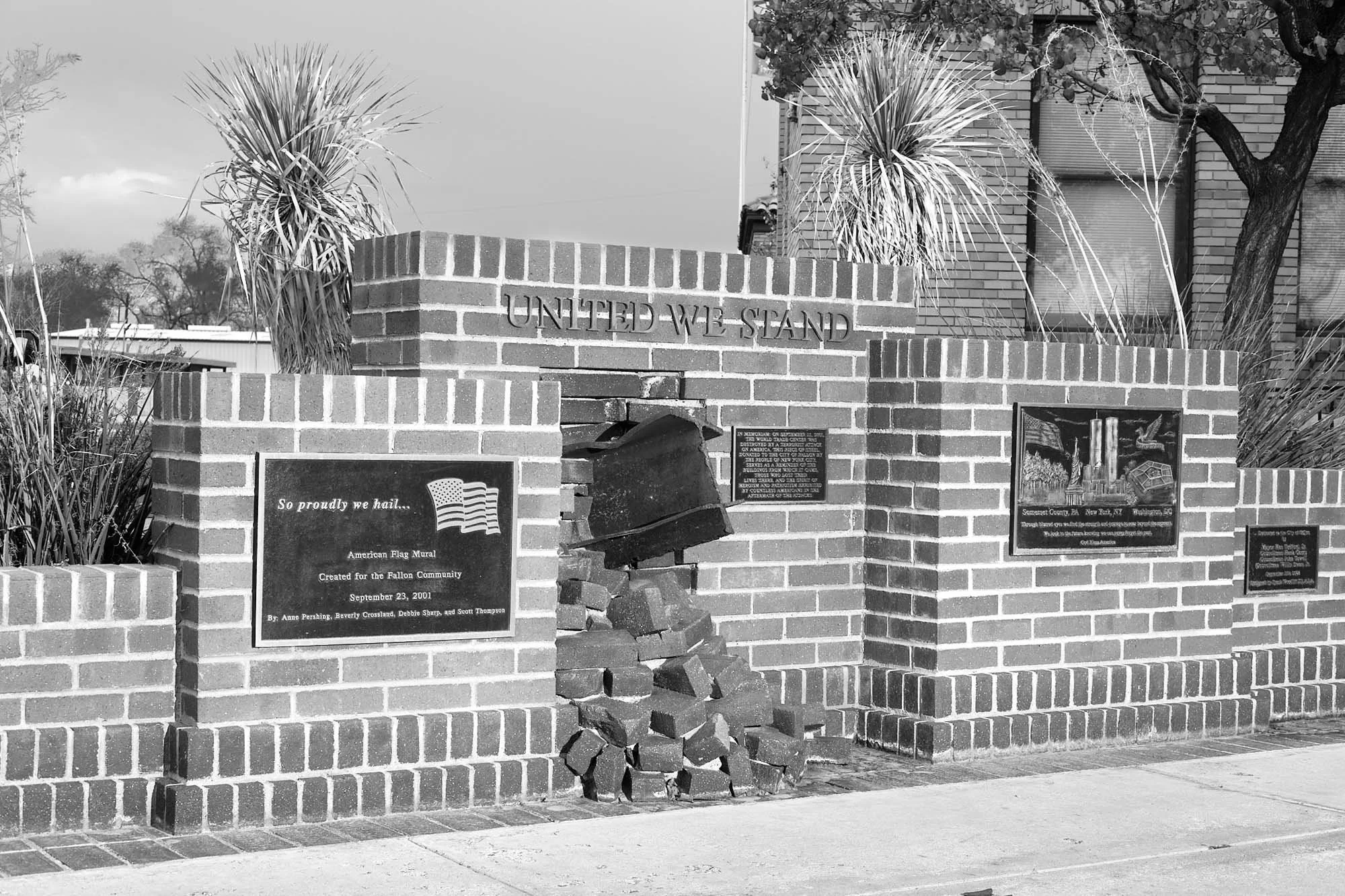
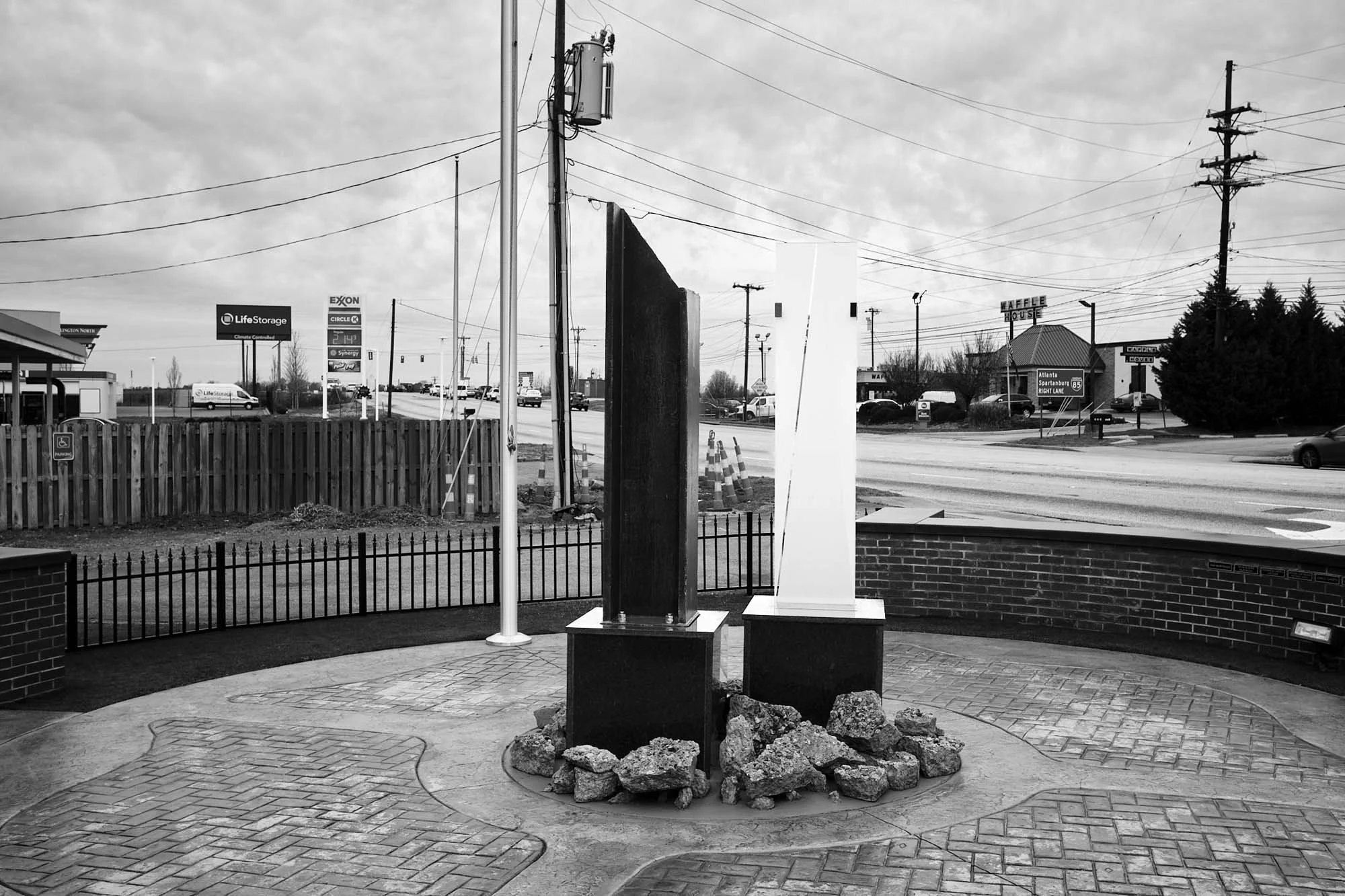
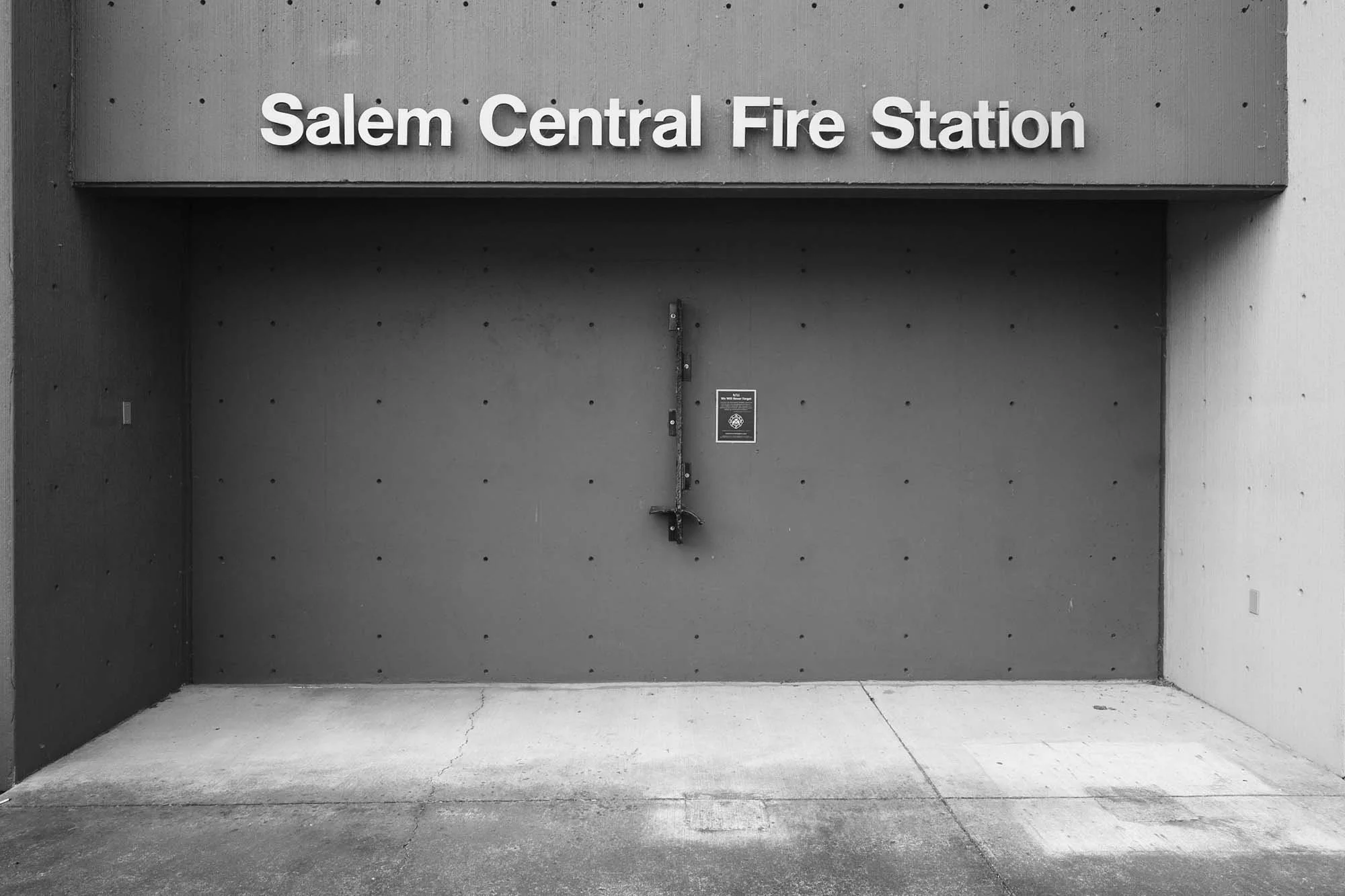
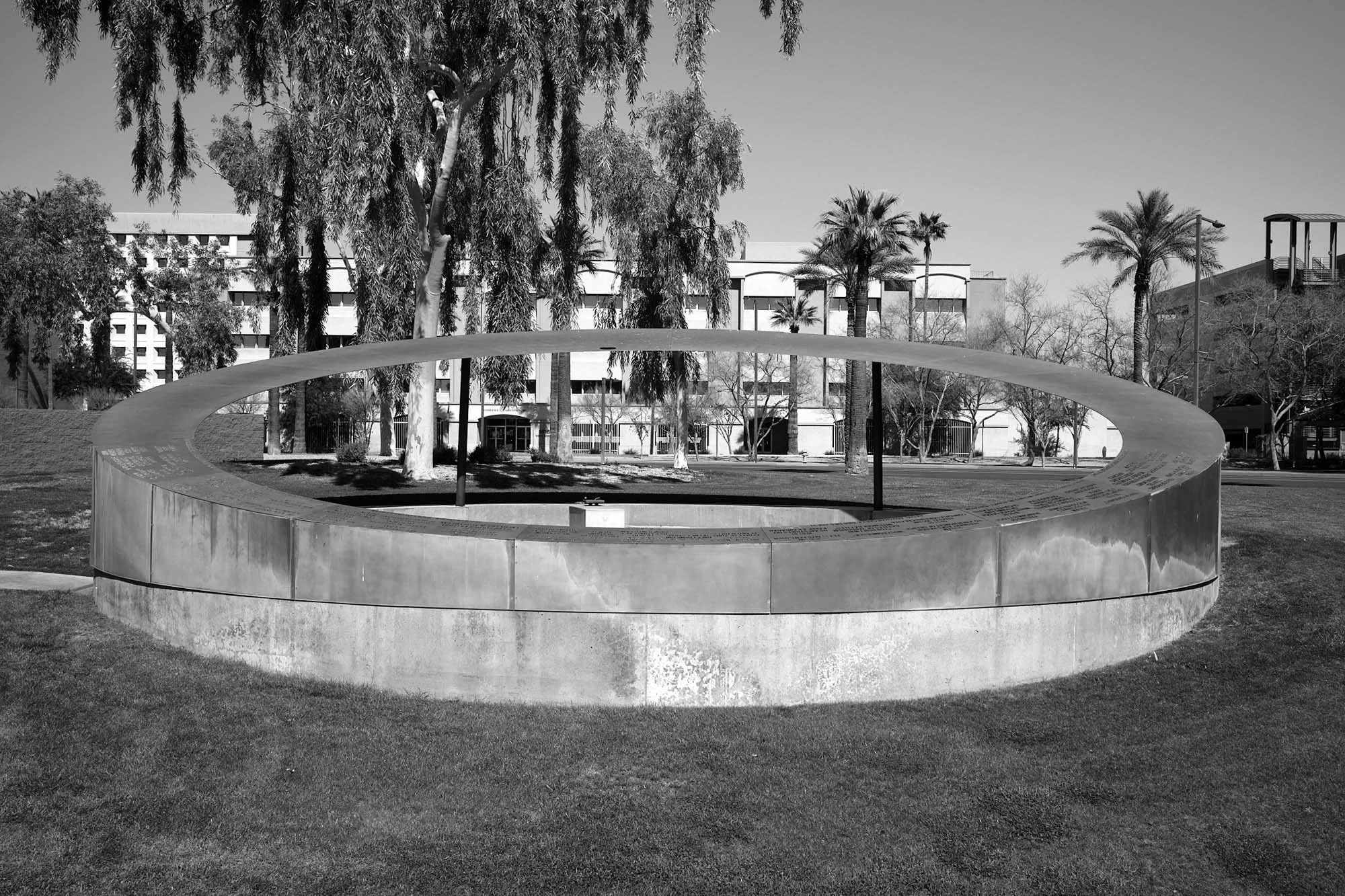
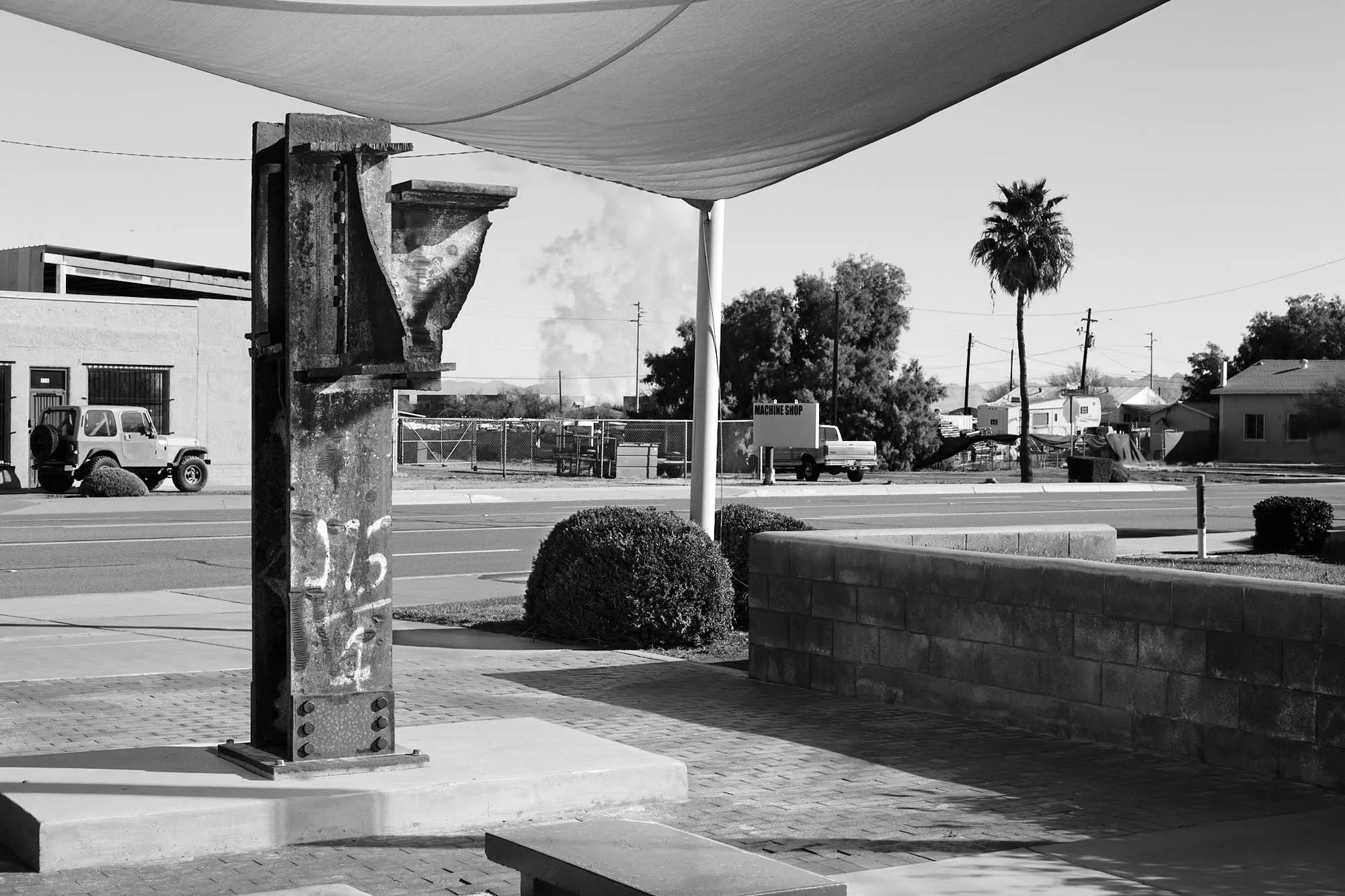
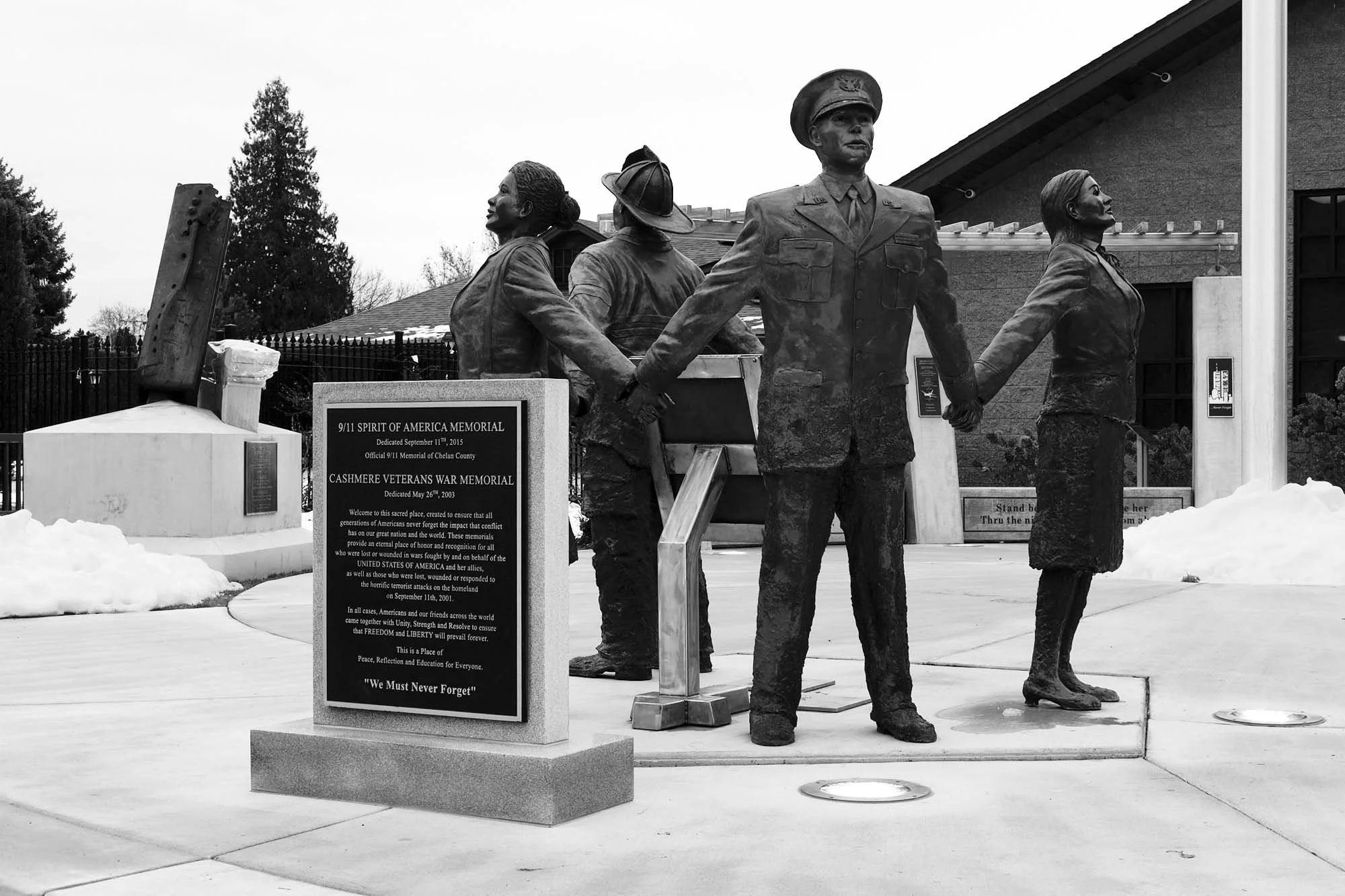
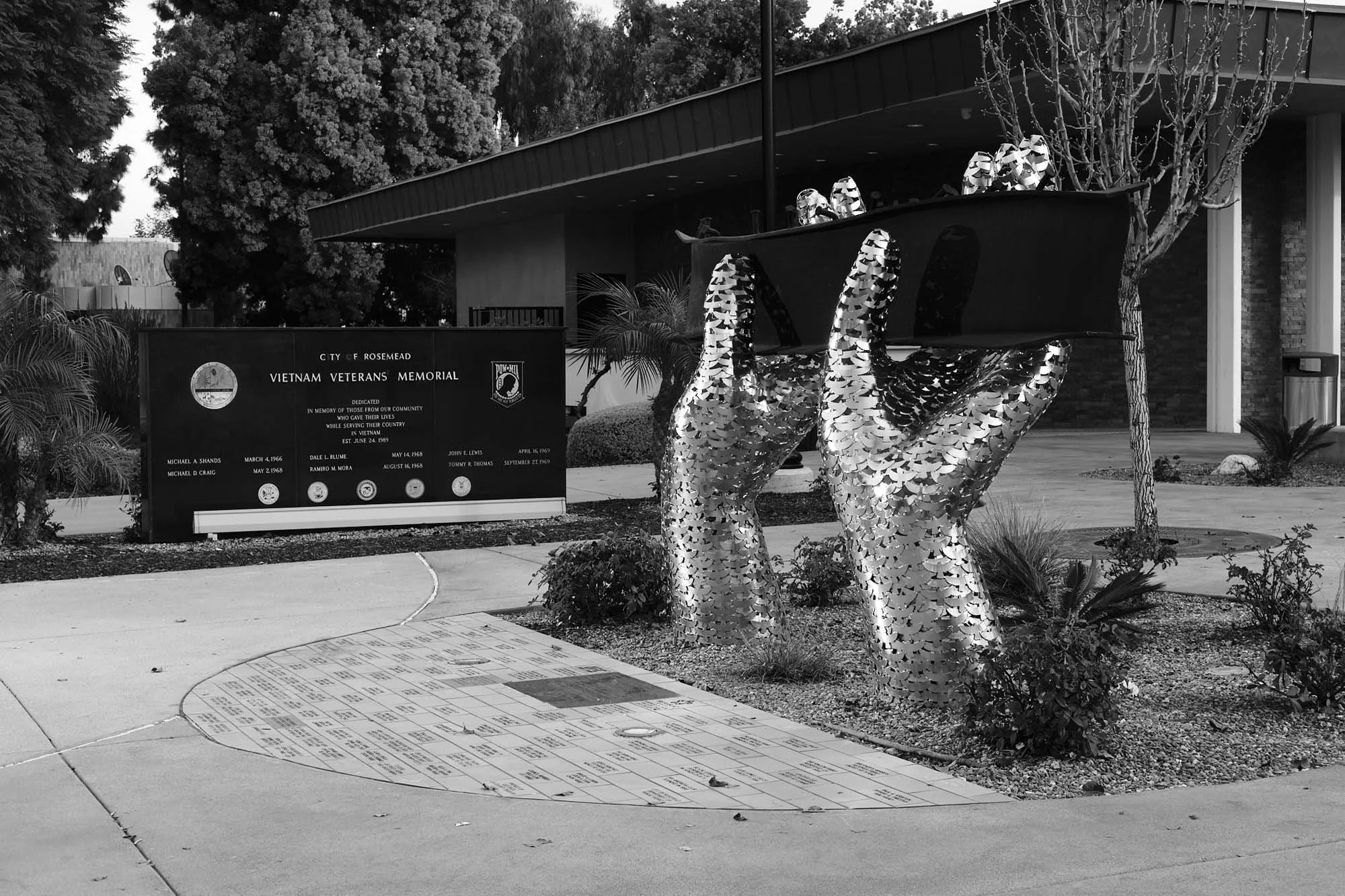
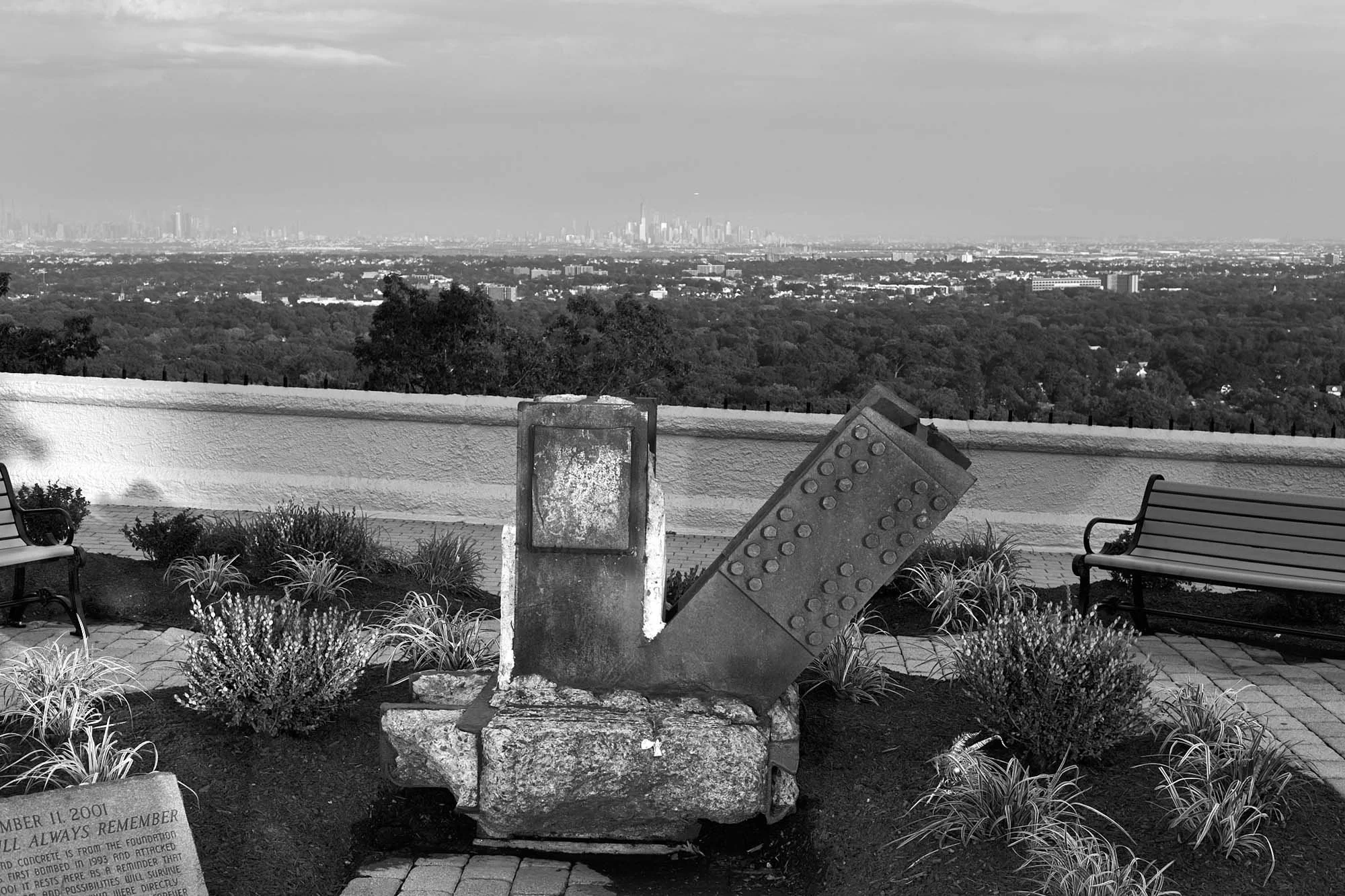
STATEMENT: Between 2018 and 2023 I visited 9/11 memorials constructed around the United States using pieces of steel from the World Trade Center. 9/11 was a central part of my adolescence, not only as a historic event that happened just before I came of age, but as a family tragedy, due to the fact that my uncle was a passenger on the first airplane that was flown into the Twin Towers. By traveling to these sites to photograph them, I sought to channel the rage and sorrow I felt about my uncle’s death and the disastrous national response into a productive project, but I was left with ambivalent disappointment: memories of the void between what this nation claims to be and what it is.
BIO: Jared Radin uses cameras as instruments for orientation in space and time. He creates personal photographic and video works that contemplate intimate memories and collective histories in an attempt at comprehending the befuddling hope and terror that permeate everyday life in the twenty-first century. He has a B.A. in American Studies from Wesleyan University and is a current MFA candidate in Image Text at Cornell University. He lives in Oakland, California.
Jude Mooney
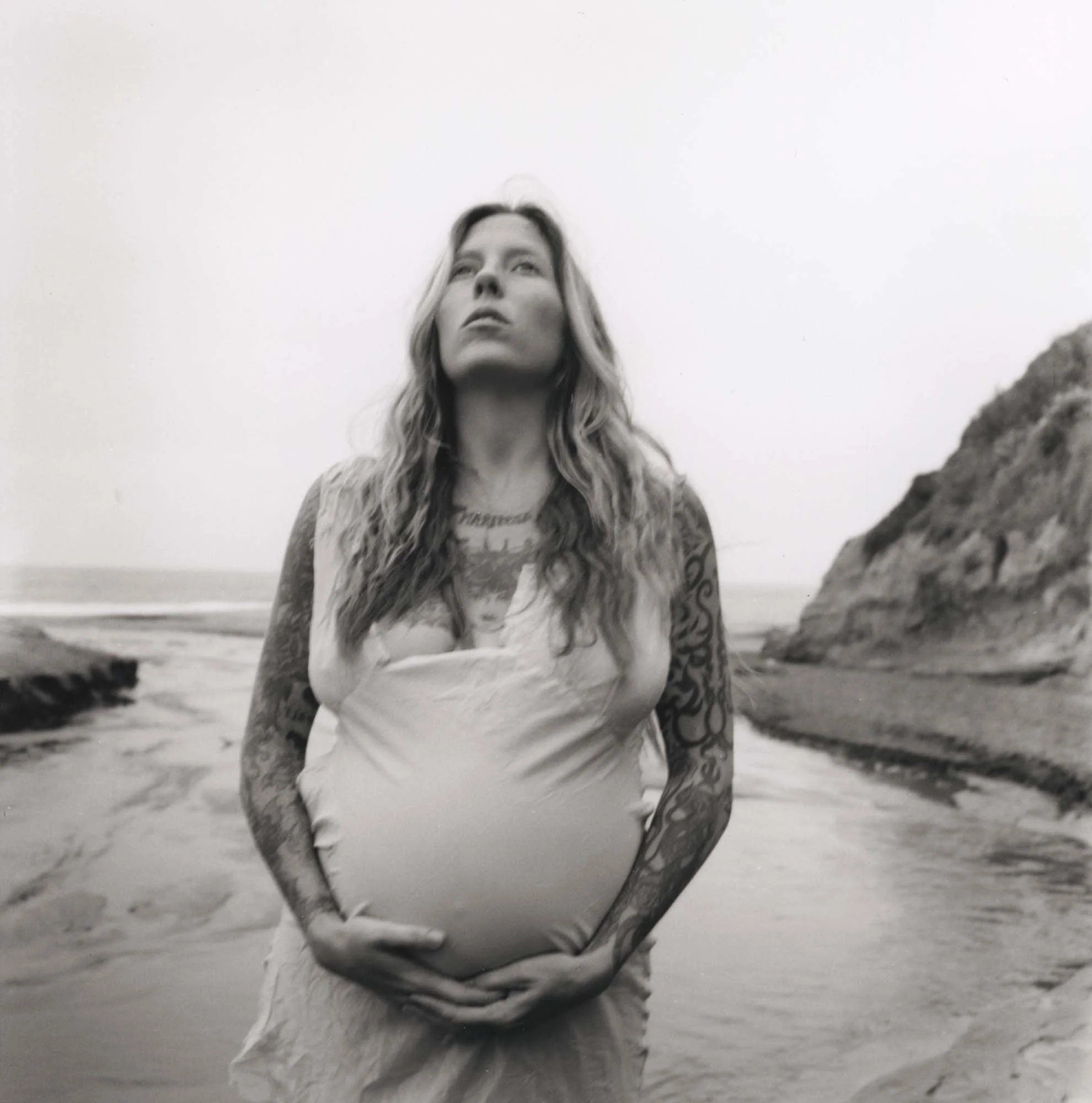
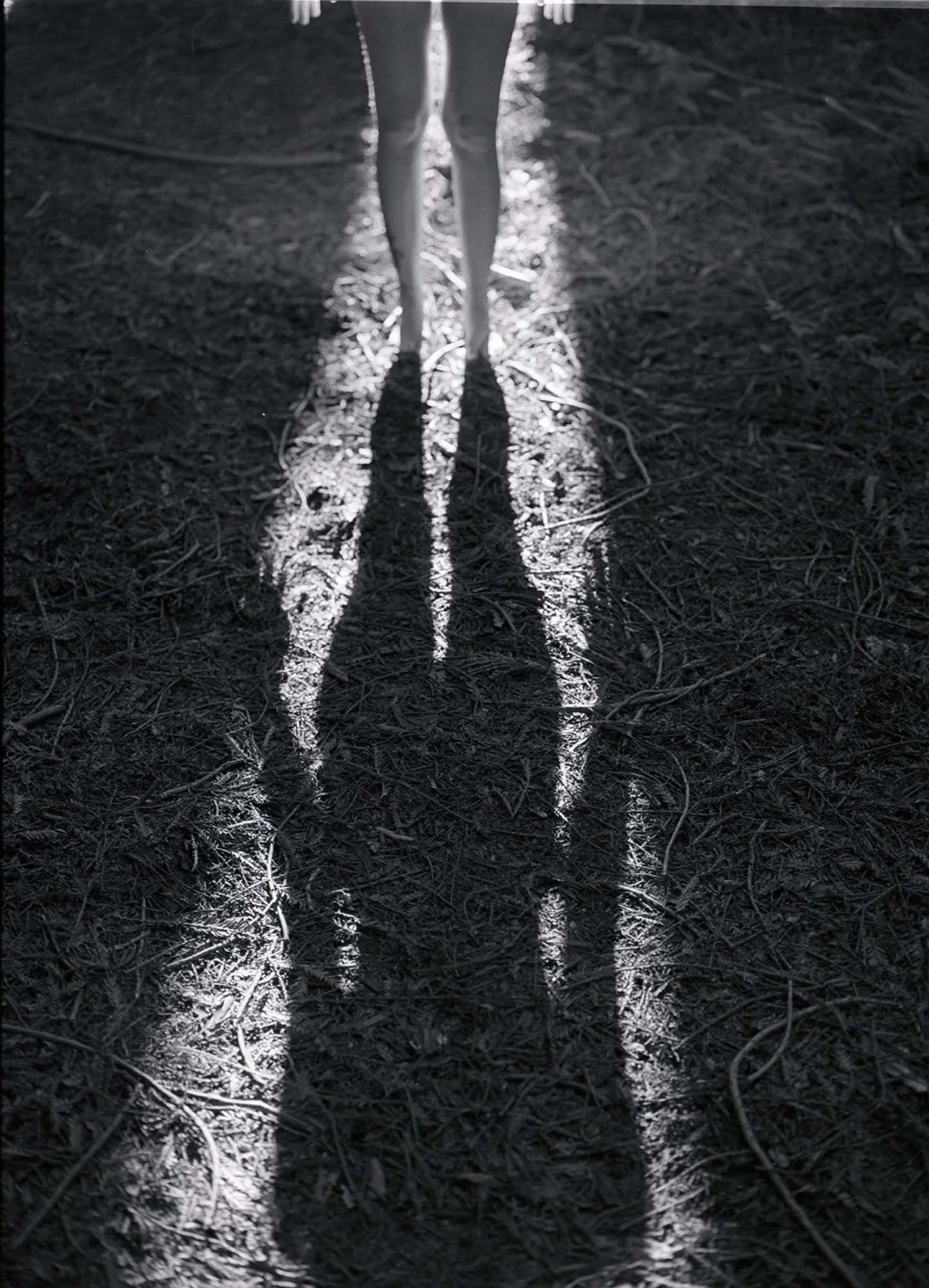
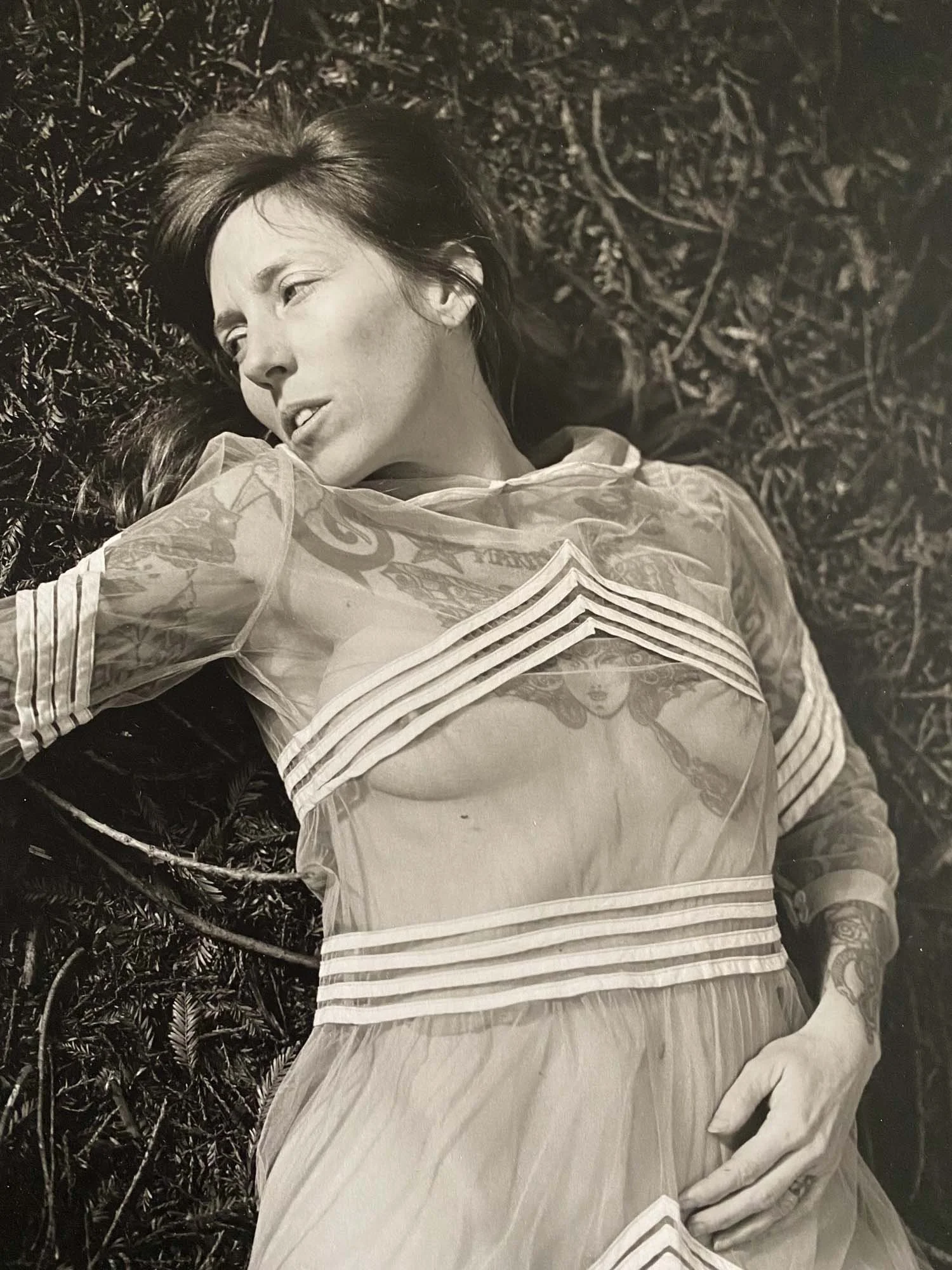
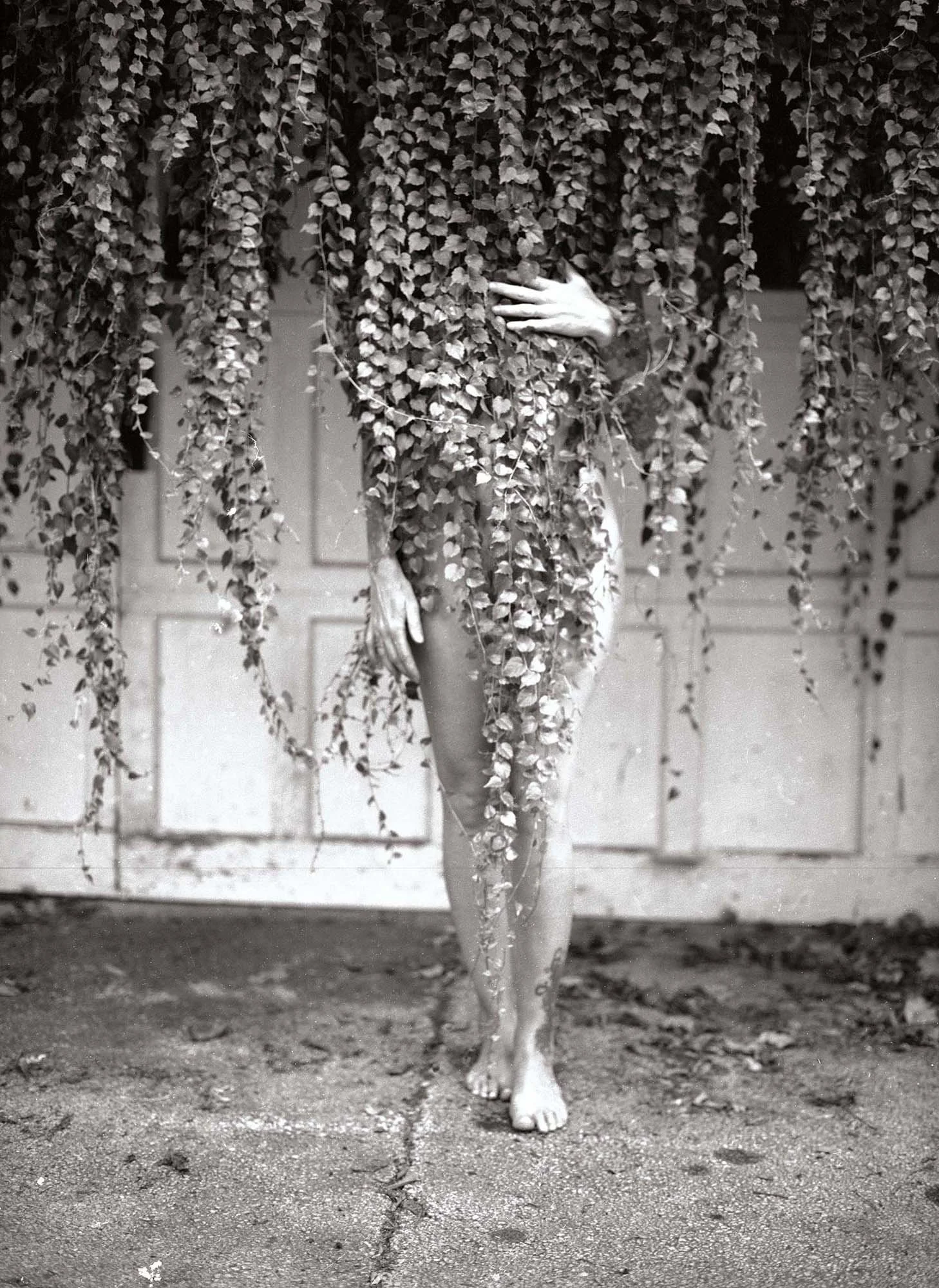
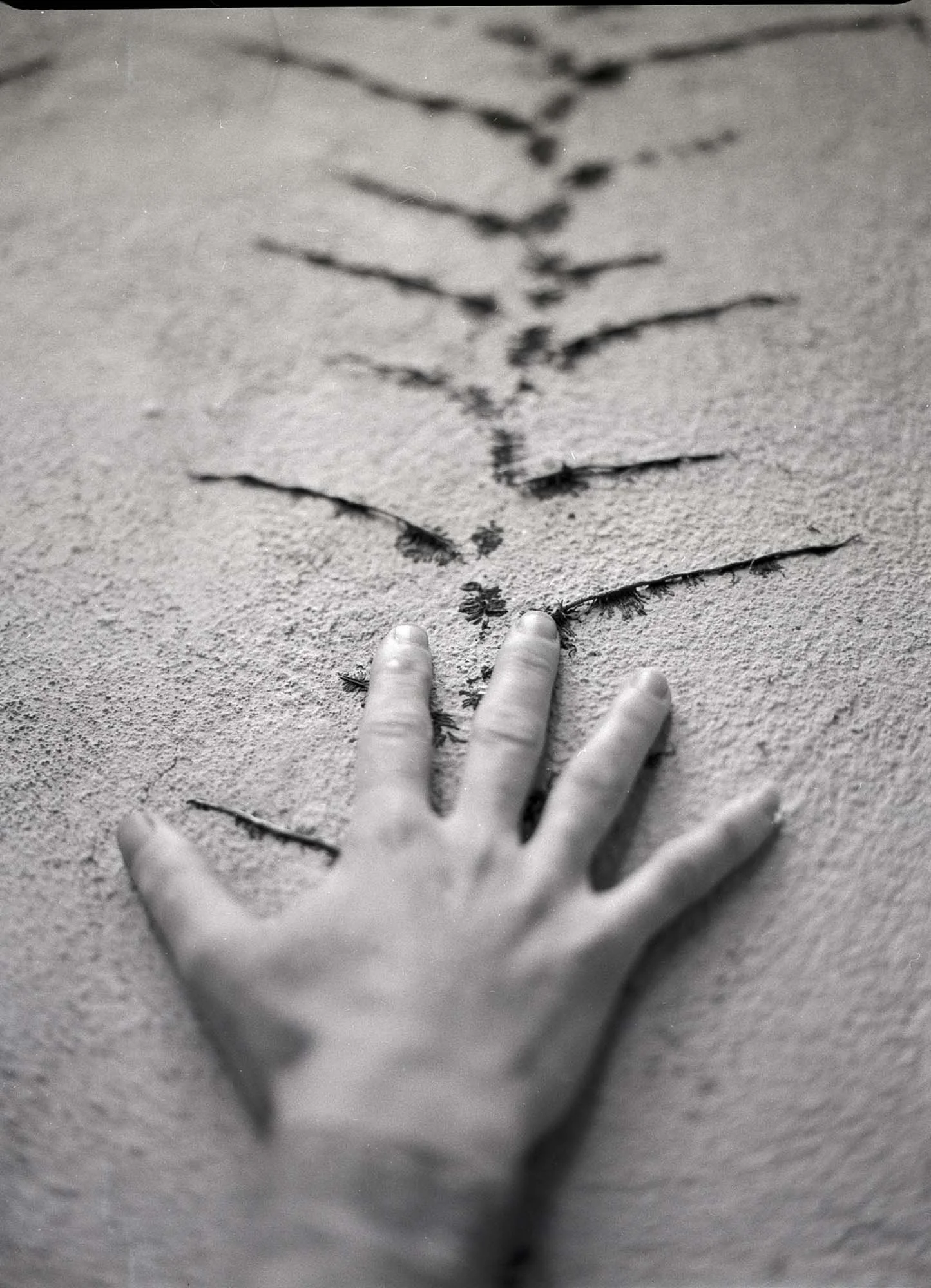
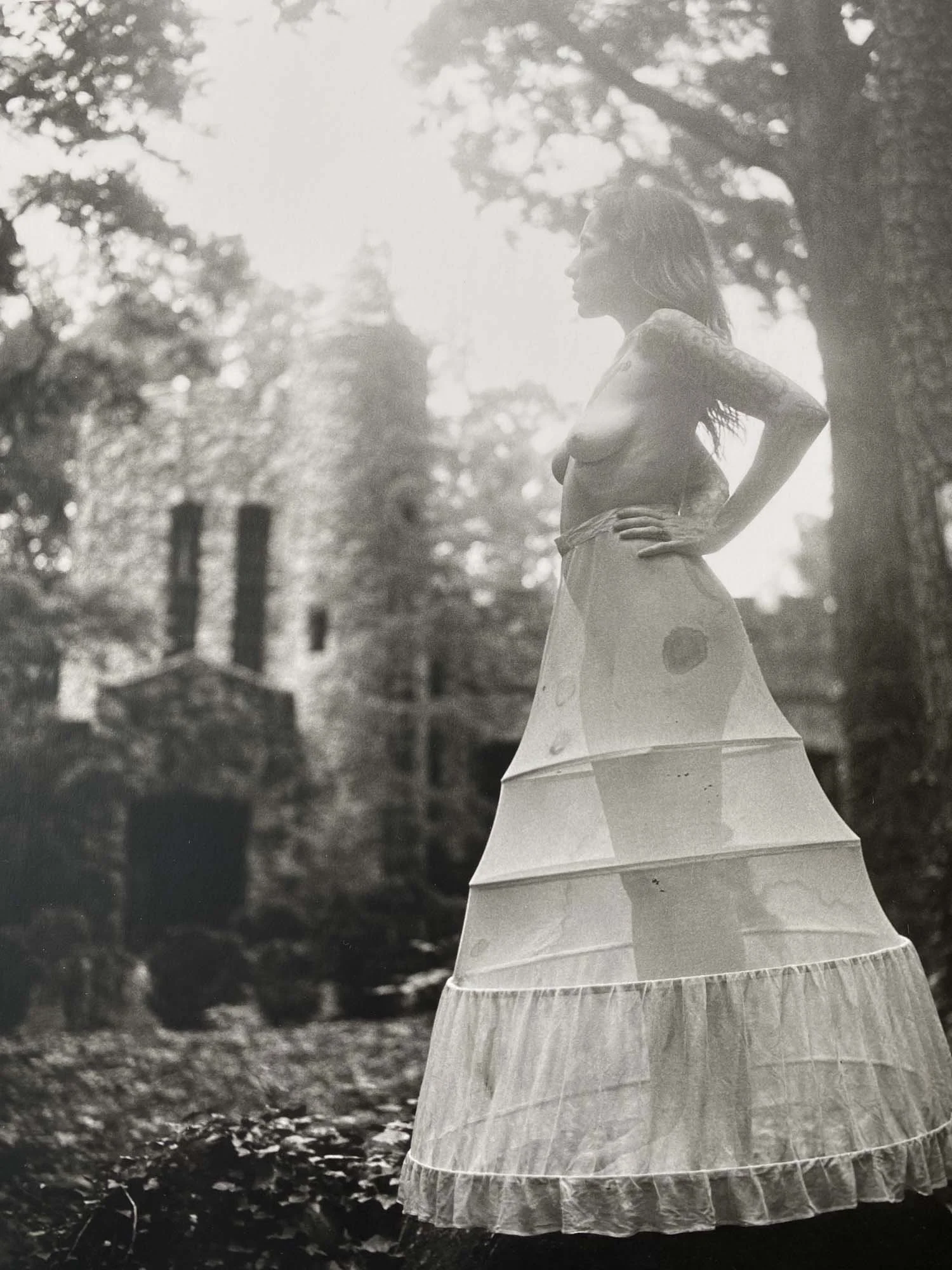
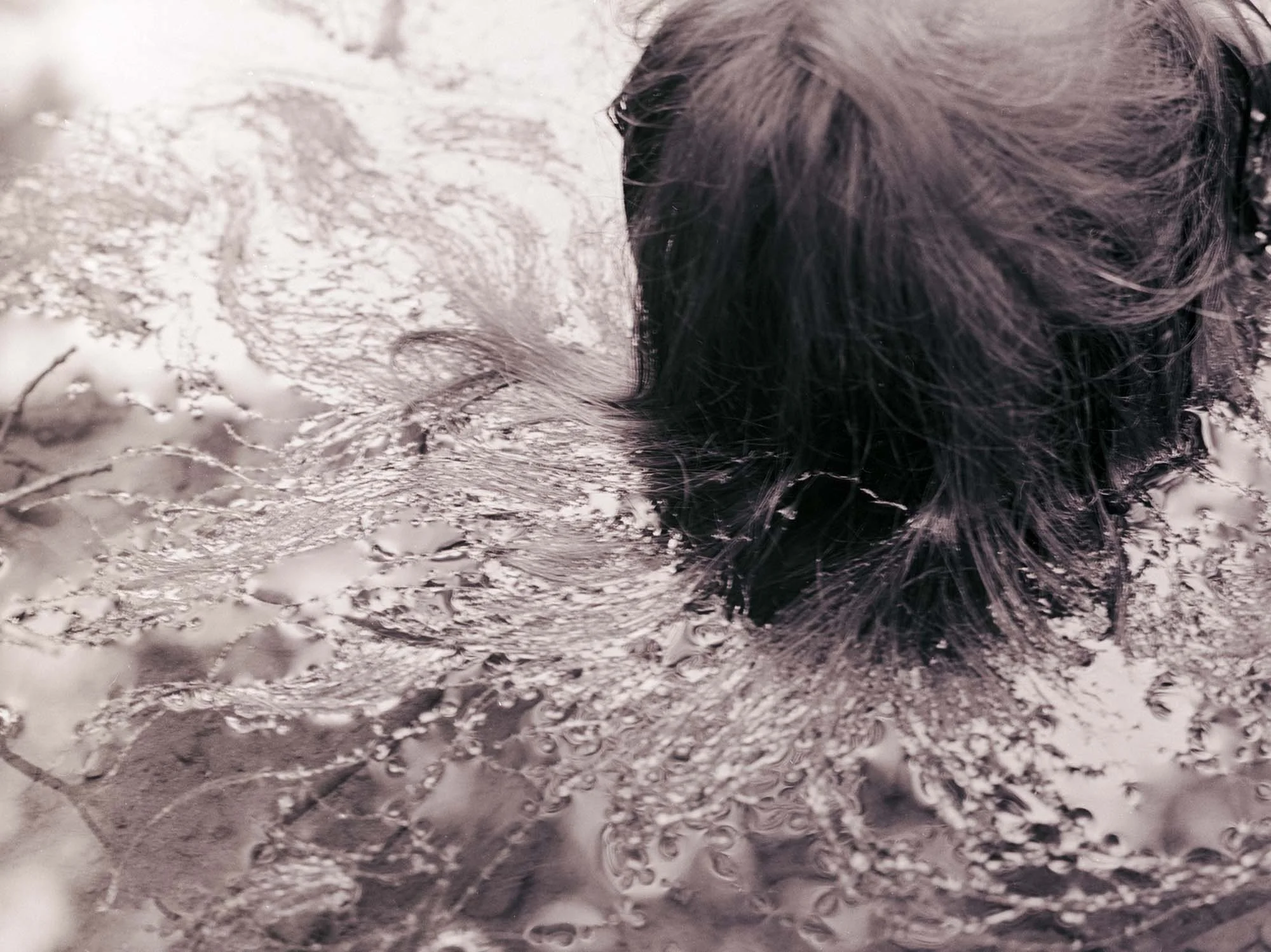
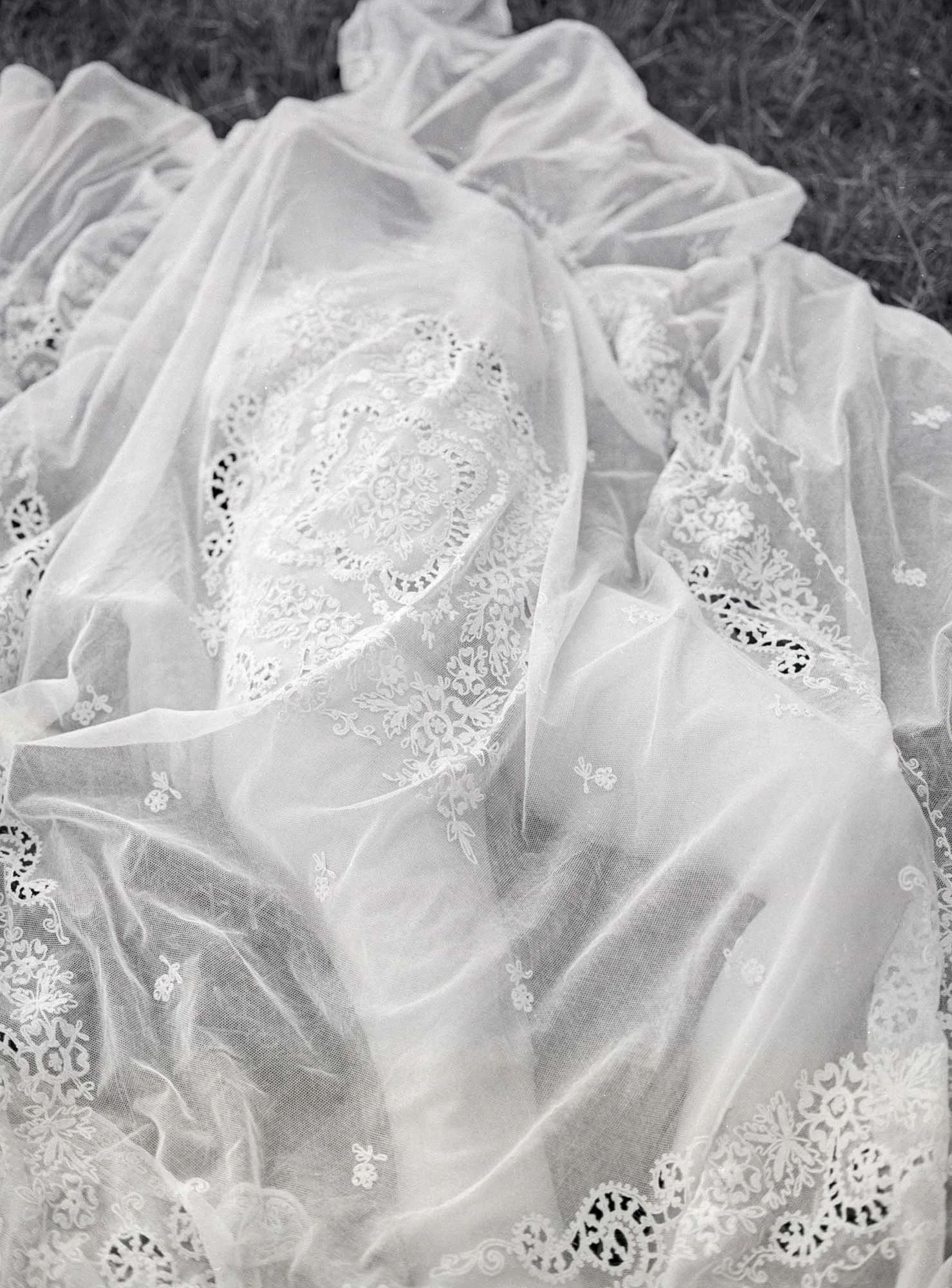
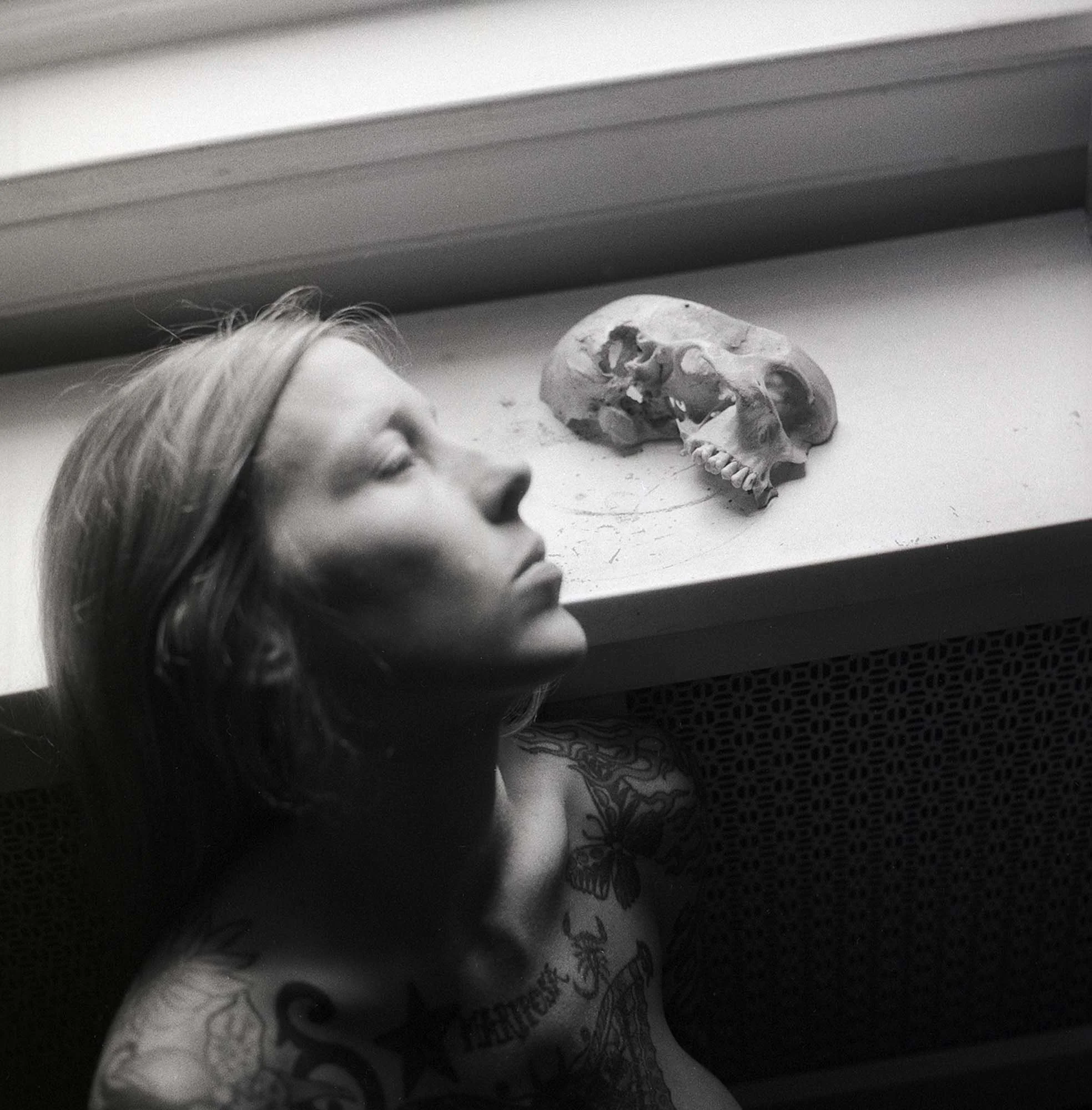
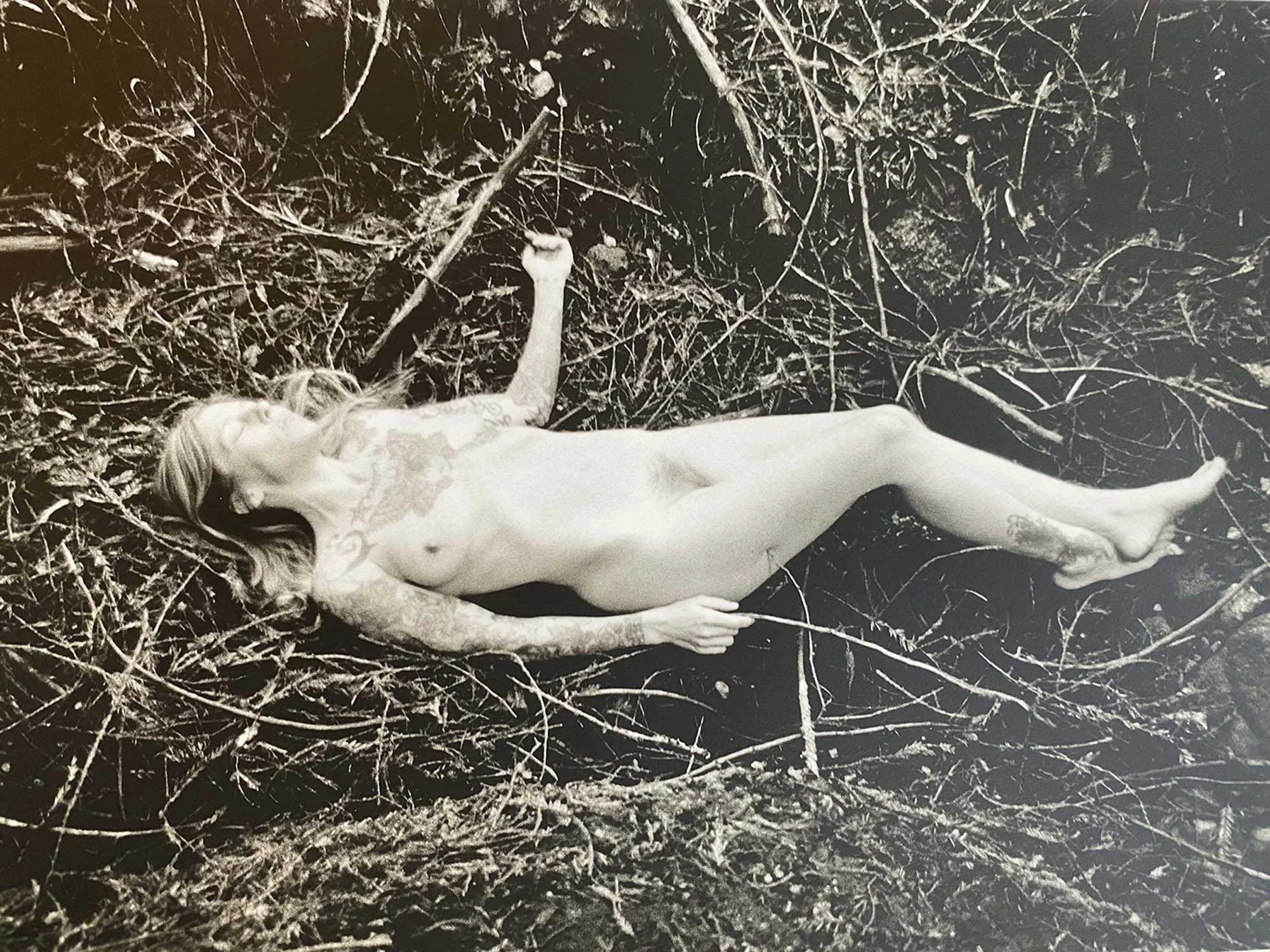
STATEMENT: Leah and Jude met in the 90’s at SFAI and started photographing each other when they were both pregnant in 1999. Over the next 20+ years they continued to photograph each other in different places: forests, streams, meadows, old houses; sometimes with props and vintage ephemera, but always black and white film in natural light. Francesca Woodman and Diane Arbus were deeply influential to both Leah and Jude. They shared a love for female artists who used their bodies in their work. Judy Dater and Ana Maria Mendieta were there in the subconscious too, and echoes of Anne Brigman, Ralph Eugene Meatyard, and Bellocq. Their entire friendship was based on making these photos together over a period of many years, and the images became the language, the method of communication between them. The collaboration was an expression of where Leah and Jude at- utterly exhausted, both raising families and shooting weddings every weekend to get by. This collaboration gave them a purely selfish place to escape to; the photographic adventures provided an outlet for them to freely explore an emotional, sensual, and playful realm. They were equals, in front of and behind the camera. After all these years Jude and Leah are in the throes of weaving the images together into a book. The images Jude is sharing today are a small selection of her Leah portraits.
BIO: Jude Mooney is a Sonoma County photographer and curator who is currently working on several book projects. Her most recent curatorial project, "UNRULY", a San Francisco Art Institute alumni exhibition, created in collaboration with the SFAA for the Museum of Sonoma County. She also spends lots of time with her grandchildren in Sonoma County.
Matt Mimiaga
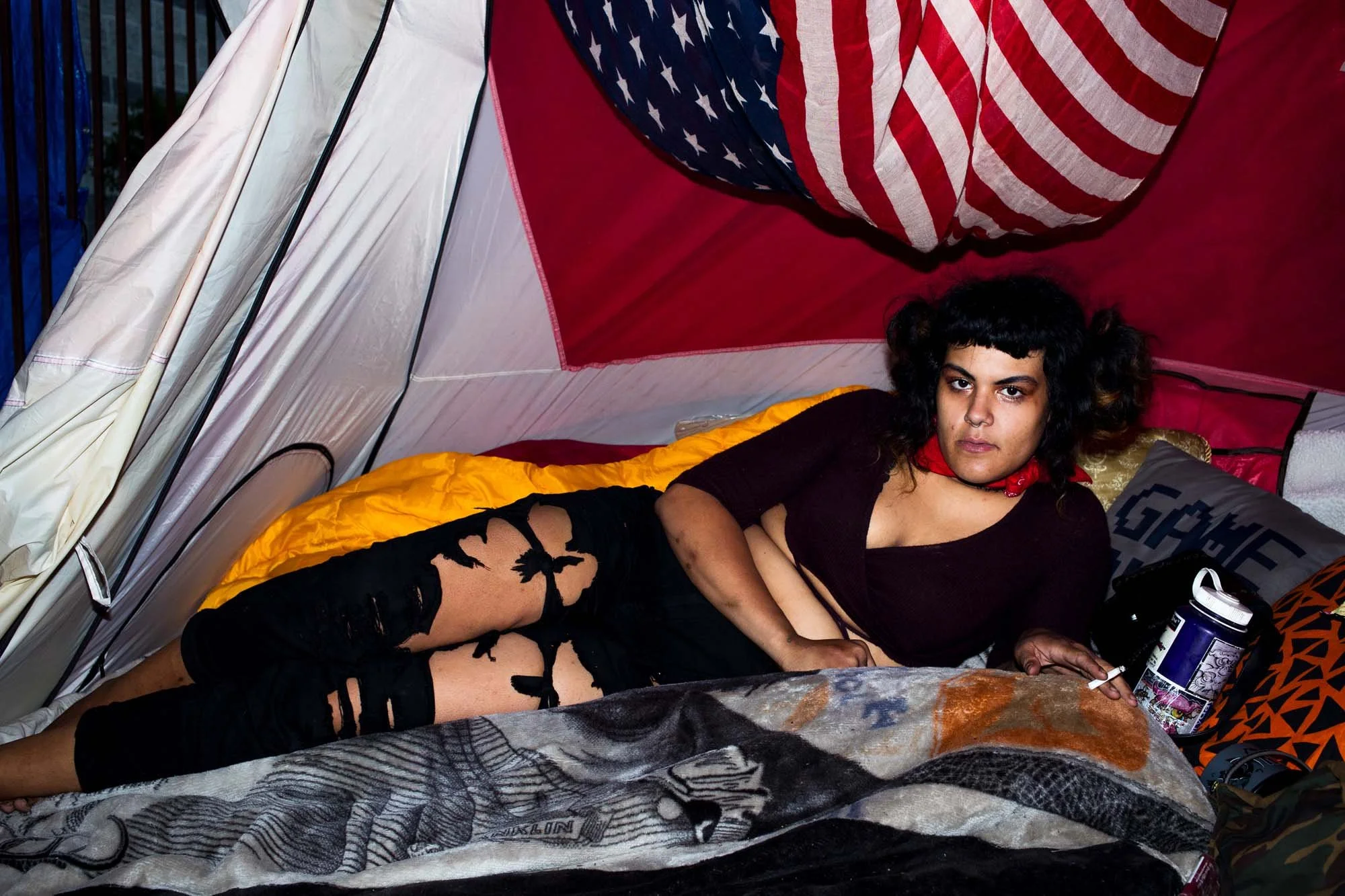
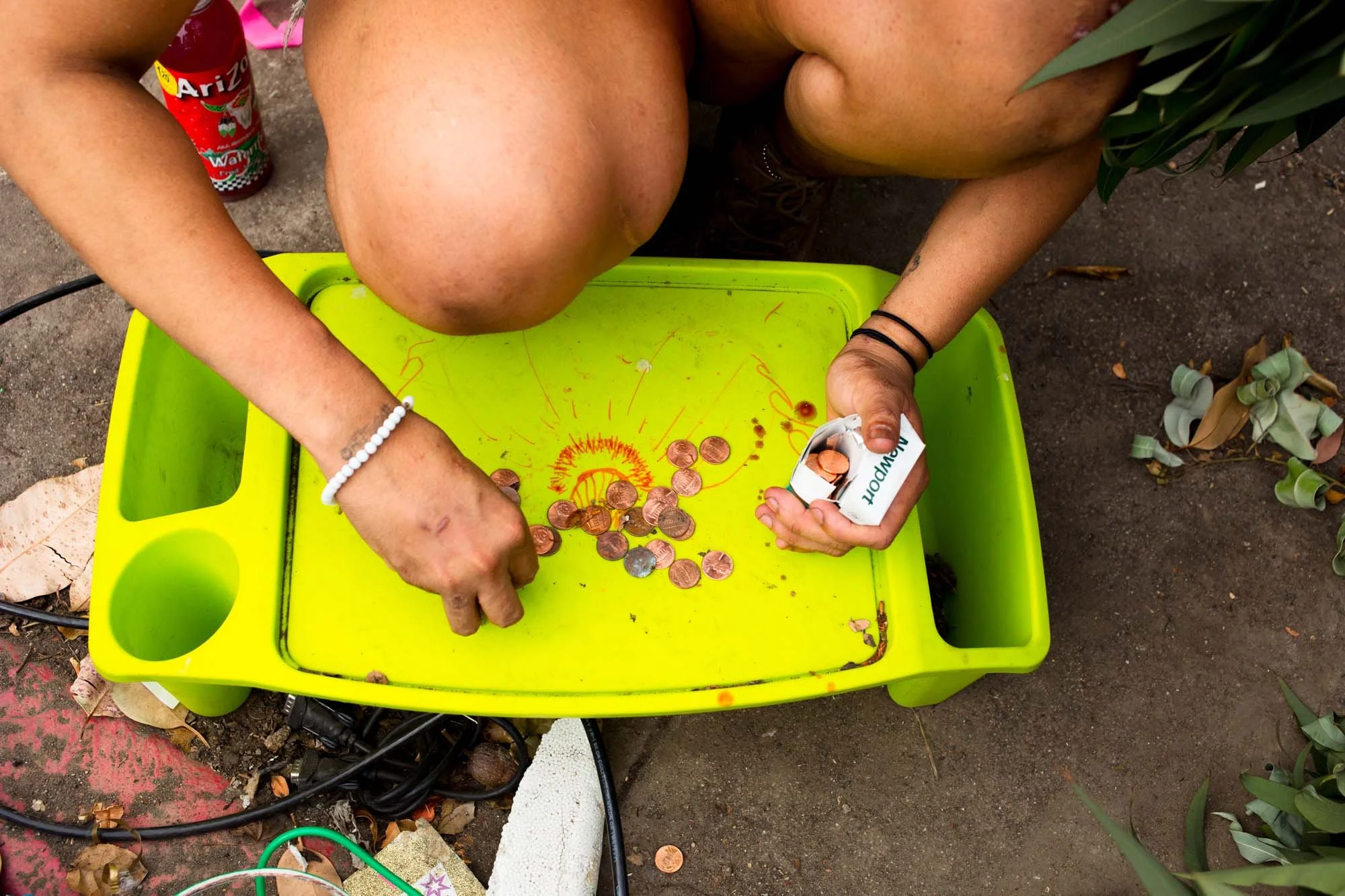
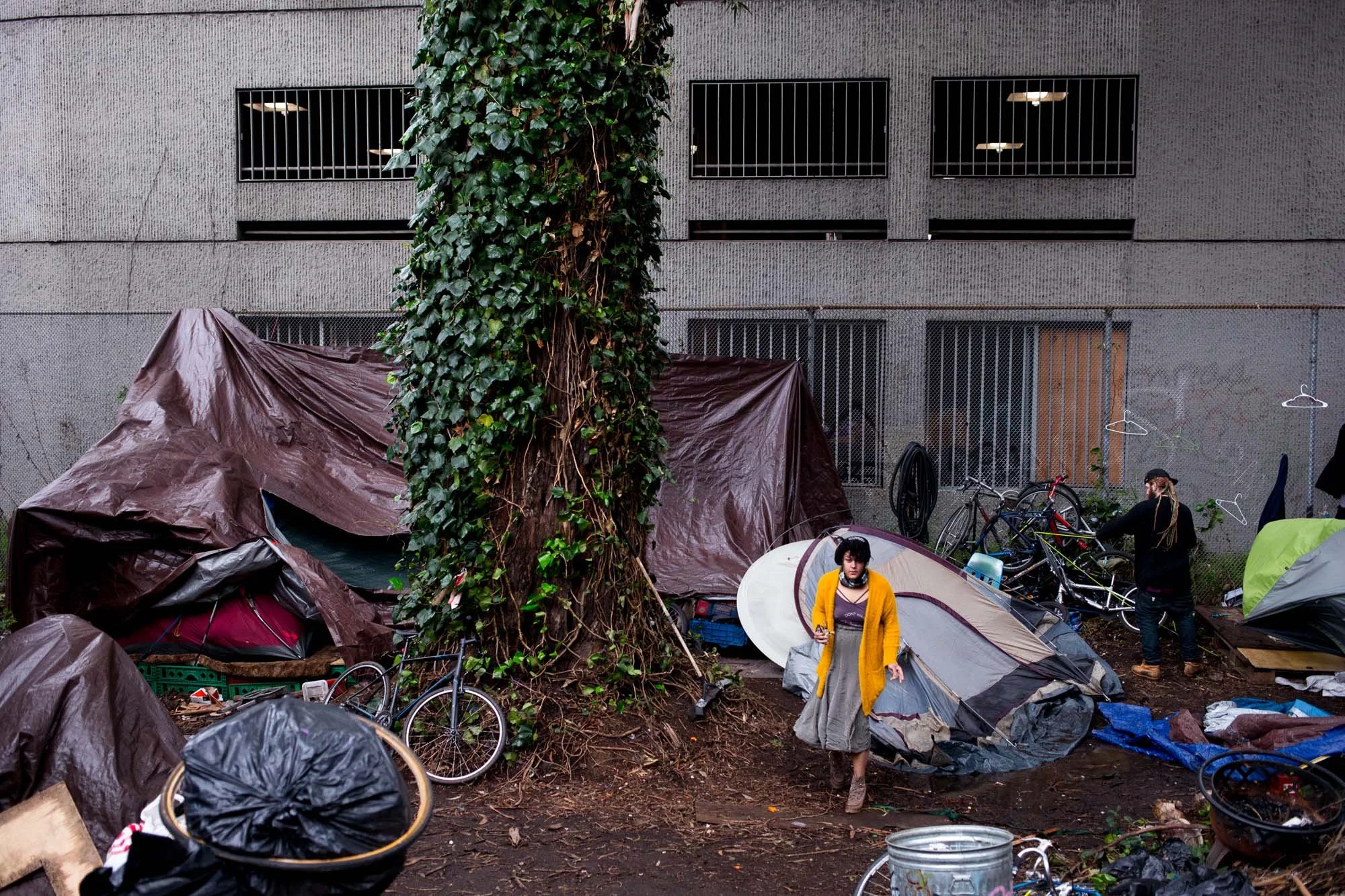
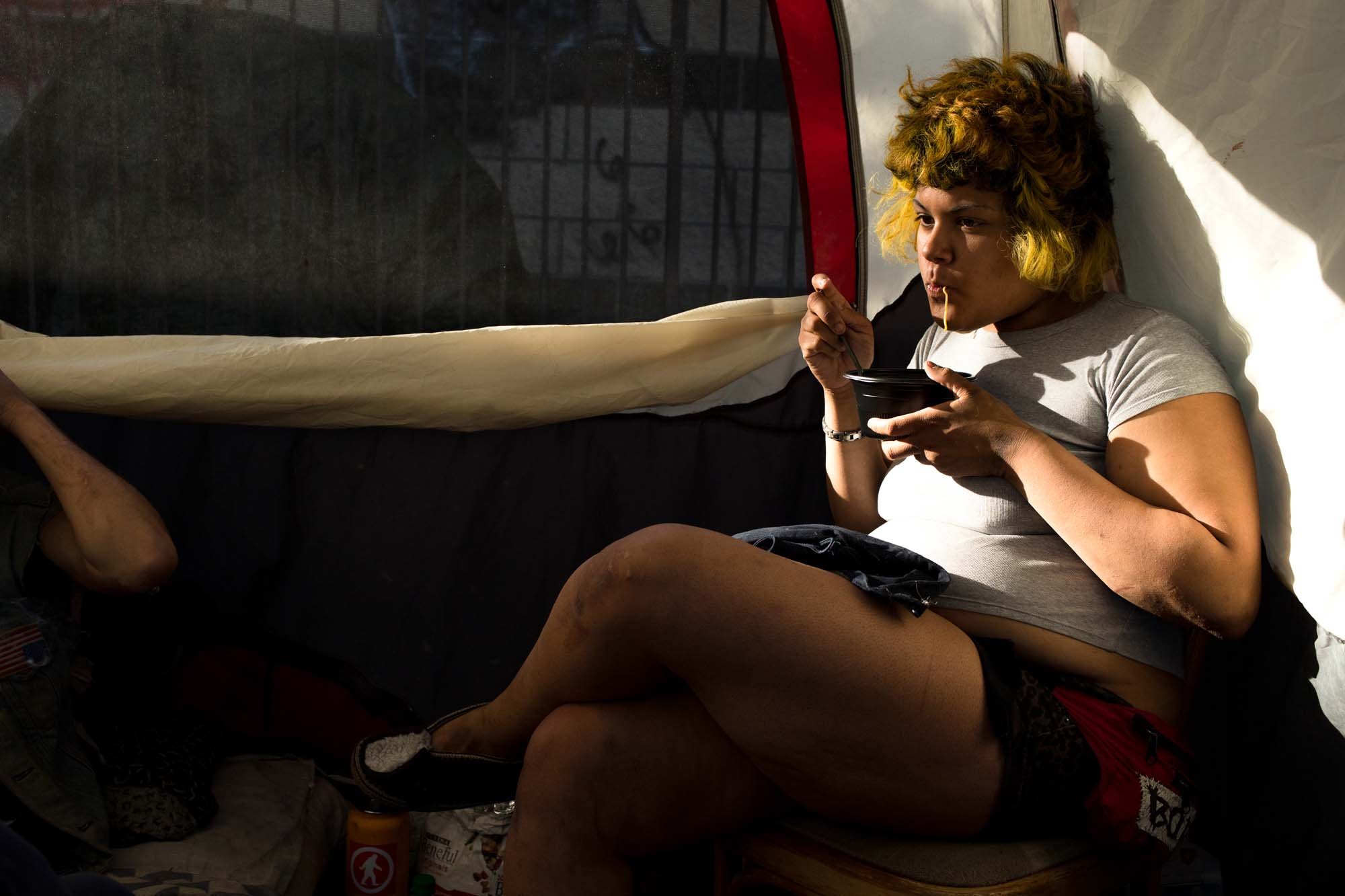
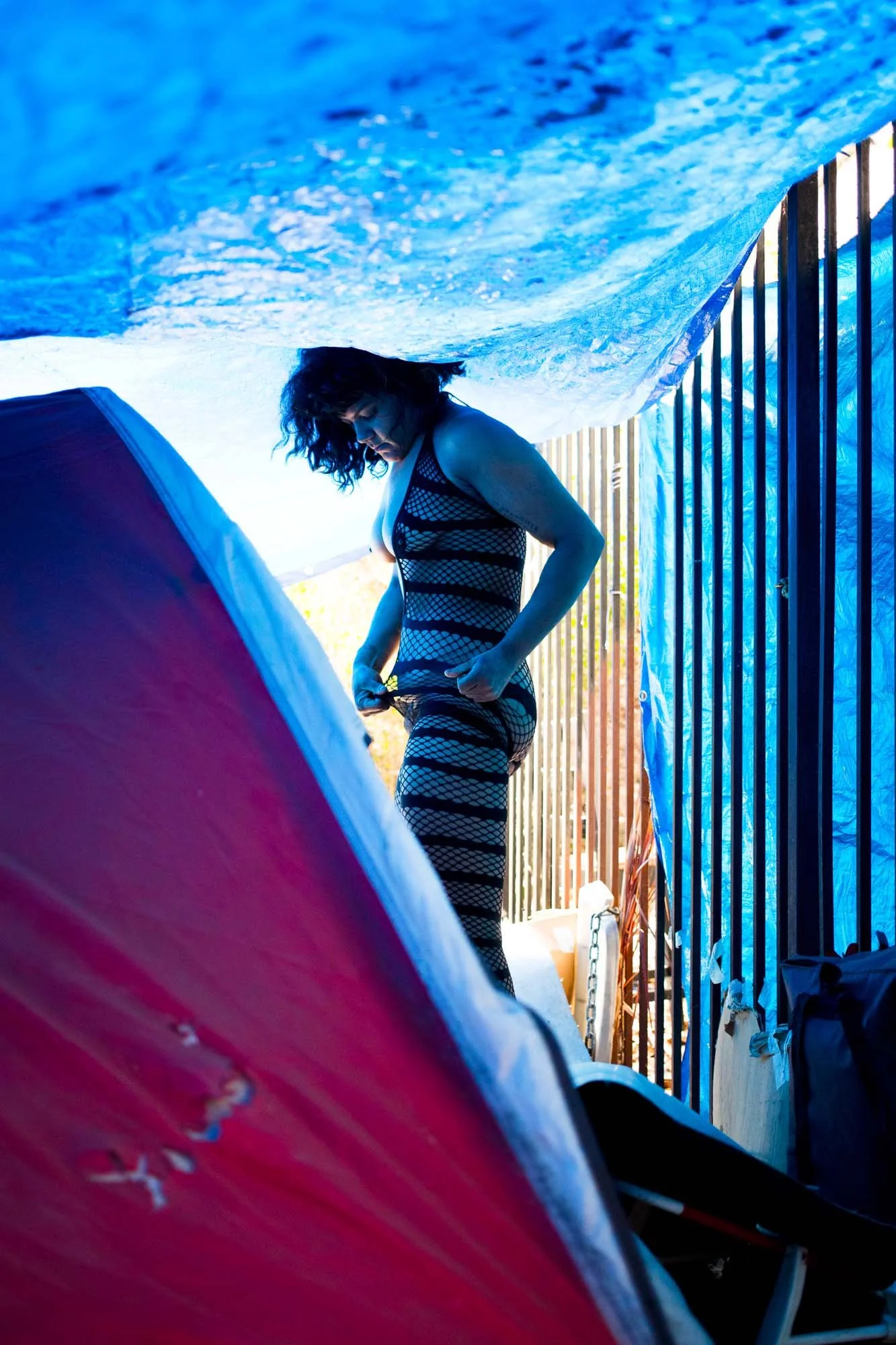
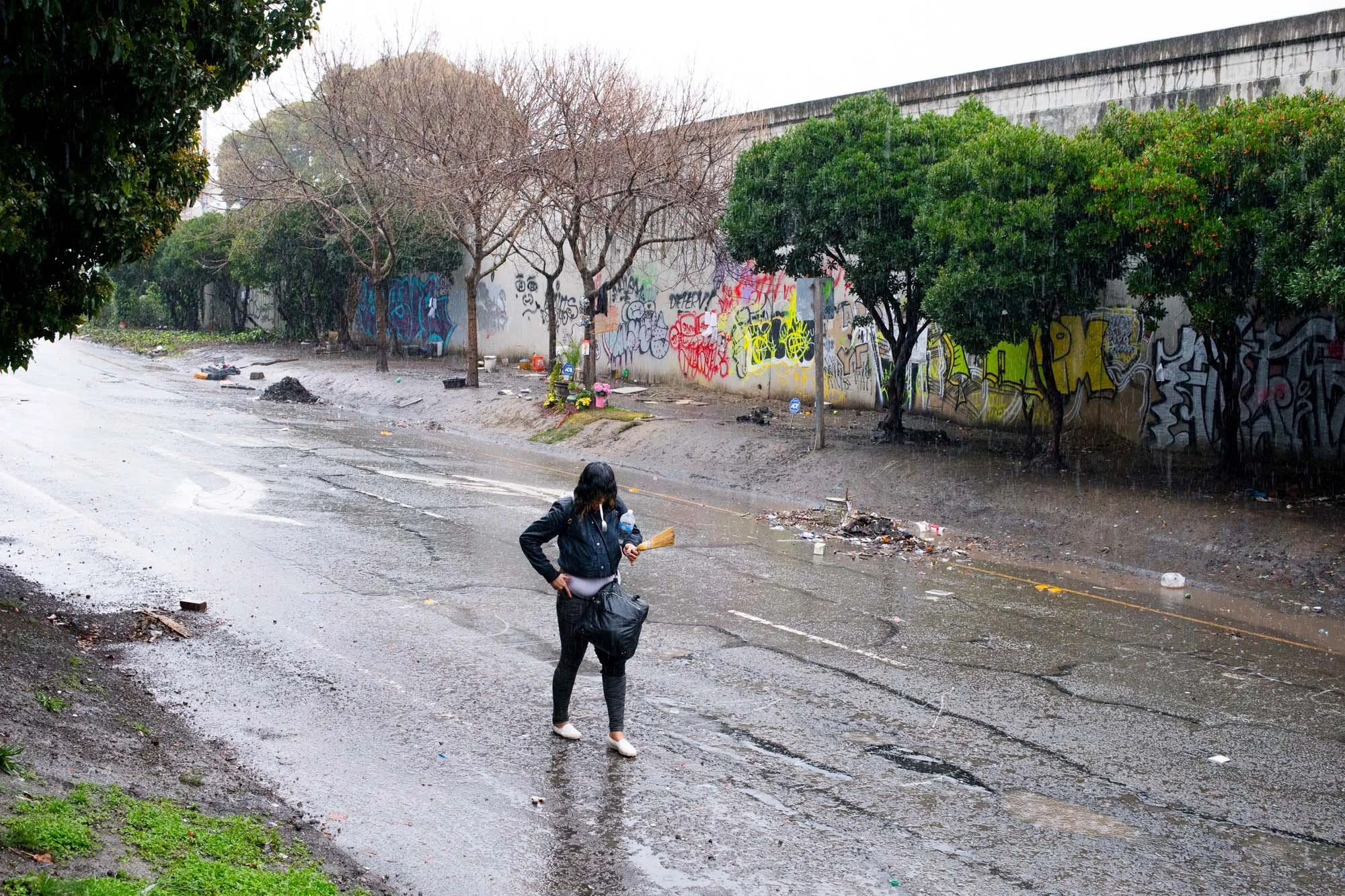
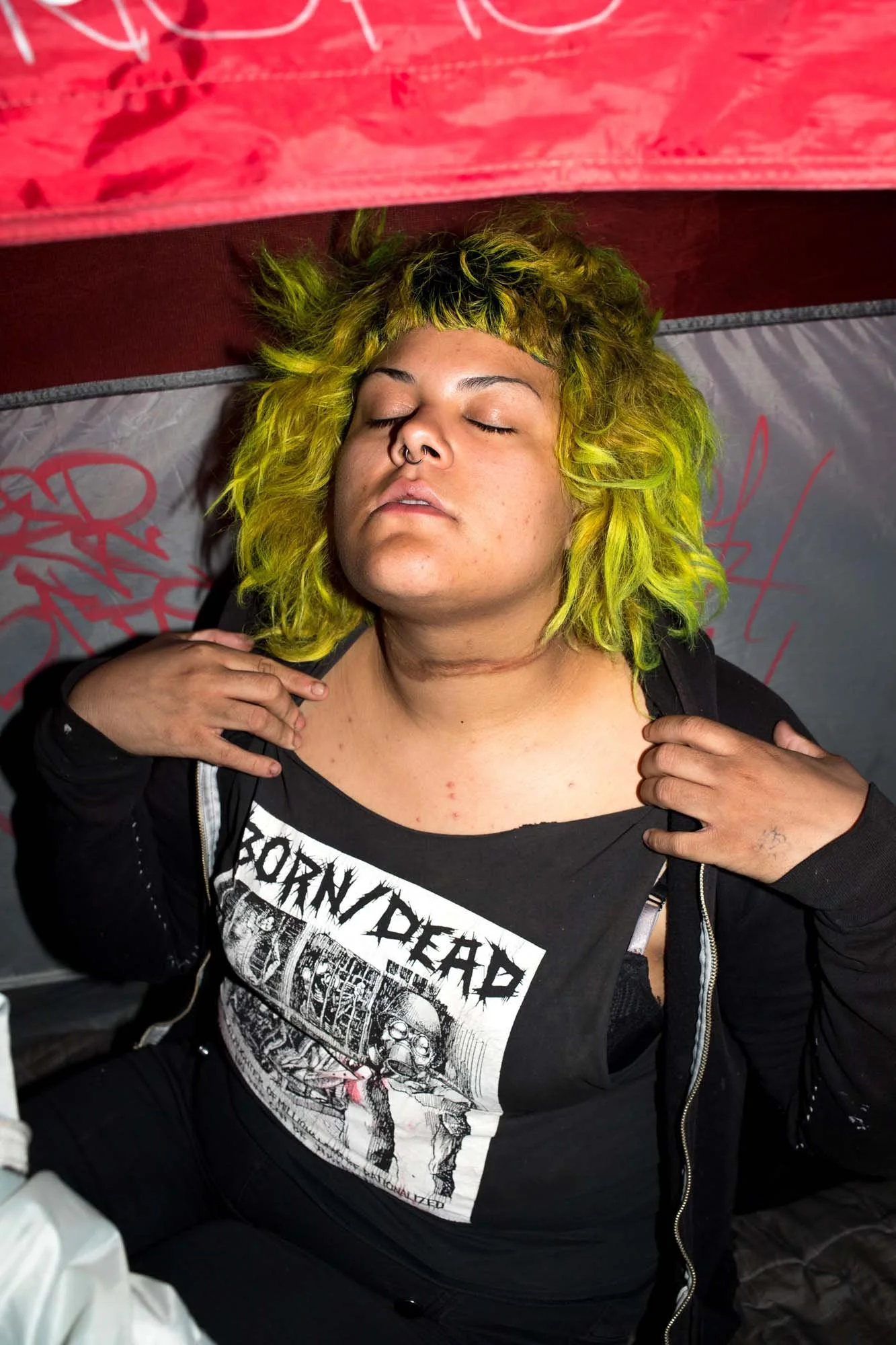
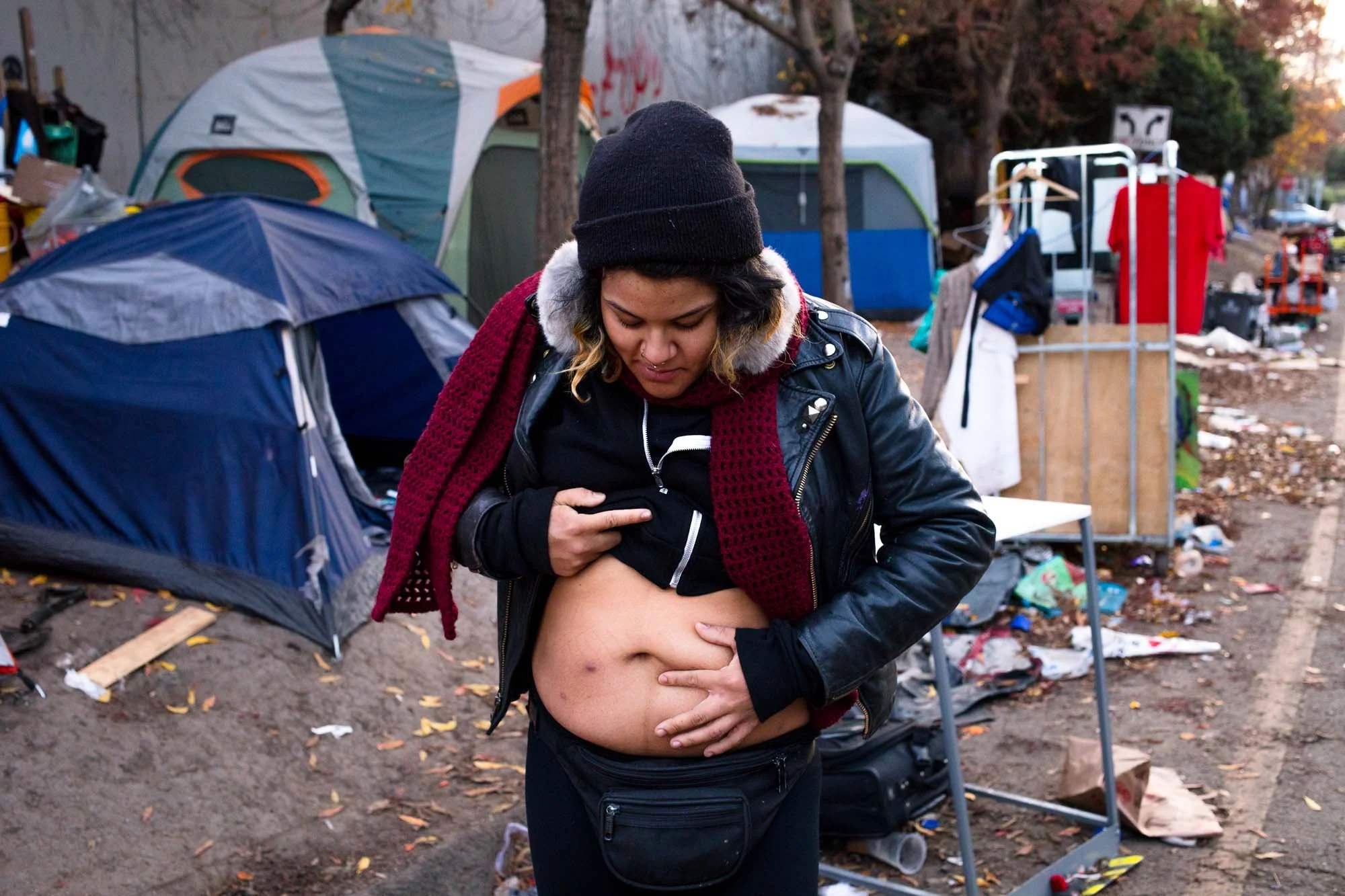
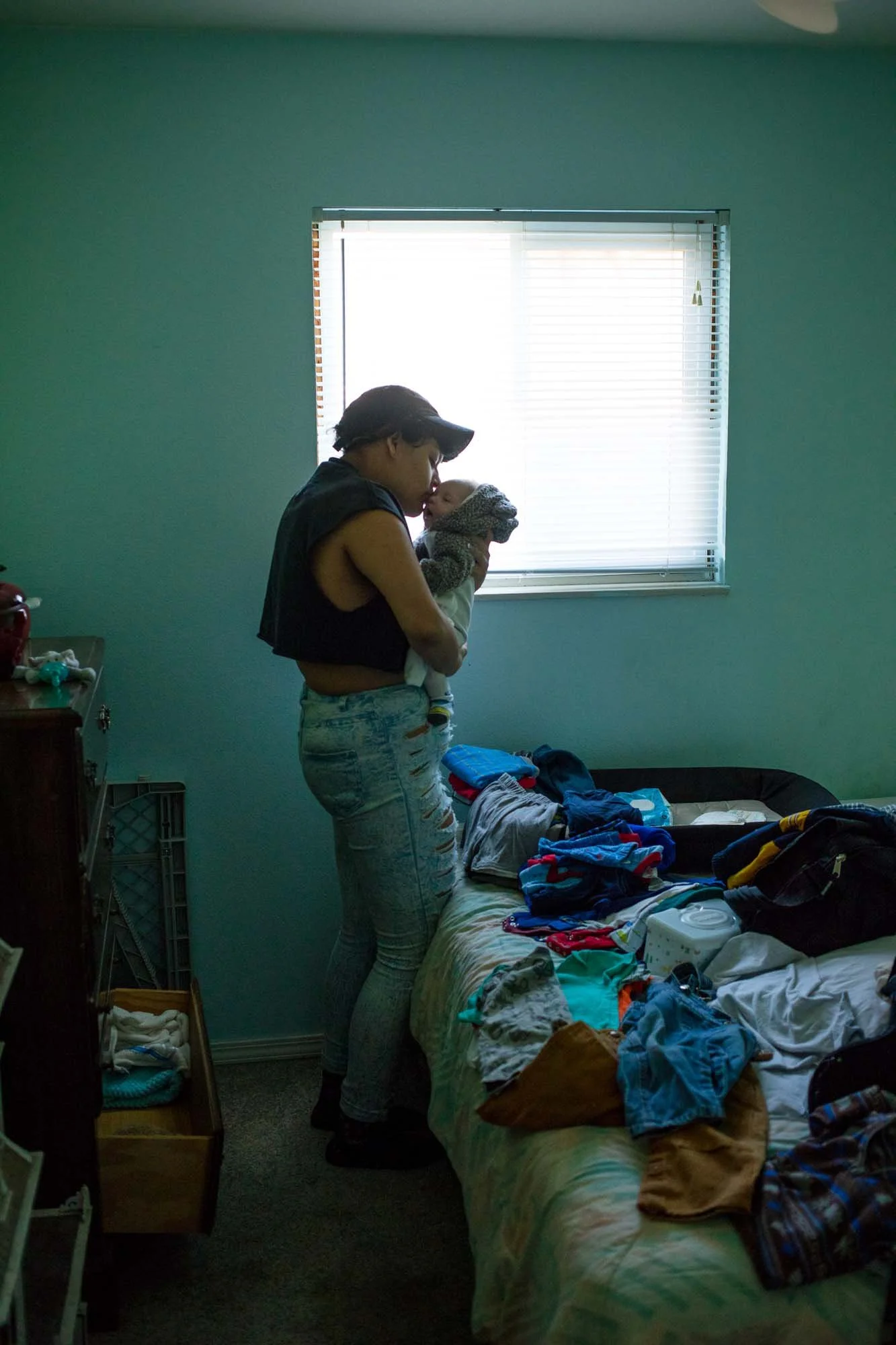
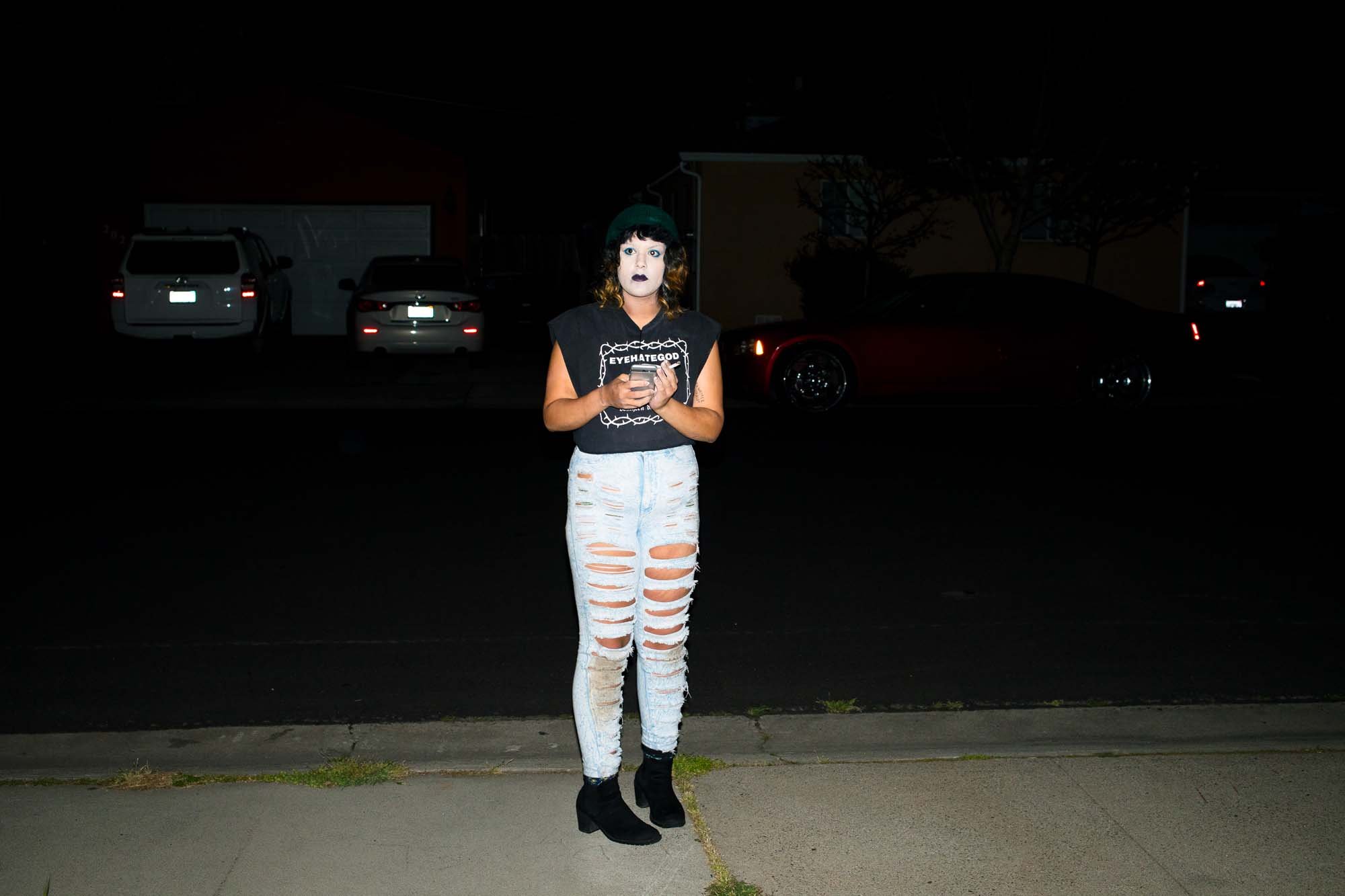
STATEMENT: My friend Mess was one of the hundred thousand Americans to die from a drug overdose in 2021. I met her in an Oakland tent city known as The One Way. Growing up, she spent time in foster care, where she experienced neglect and abuse, until her grandmother gained custody and brought Mess and her sister to Modesto. Back then, people called Mess, Delay, a spinoff of her birth name, Delena. She took the moniker Mess when she started hopping freight trains and living in squats. In 2016 she attempted suicide in a West Oakland squat. Her roommate found her hanging and resuscitated her. Mess moved to The One Way after that, joining the over 4000 people living on the streets of Oakland. She was self-conscious of the scar the noose left around her neck, and wore chokers to hide it. Mess had impeccable style. Almost everything she wore was traded for or found in the trash. She had lots of friends and lovers, but living on the street took its toll. She struggled with depression and addiction. In 2017, Mess went to the hospital to treat an infection, and found out she was pregnant. When her son was born, CPS intervened, and she was forced to give up custody. Glenna, the mother of a close friend from high school, was able to adopt the child. He was three years old when fentanyl took Mess’ life.
BIO: Matt Mimiaga was born in San Francisco, California in 1984. In 2006, he received a B.A. from the Gallatin School of Individualized Study at NYU. Mimiaga’s self-assigned projects document the contemporary American social landscape. He currently resides in Oakland, California with his wife and two sons.
Nathan Cordova
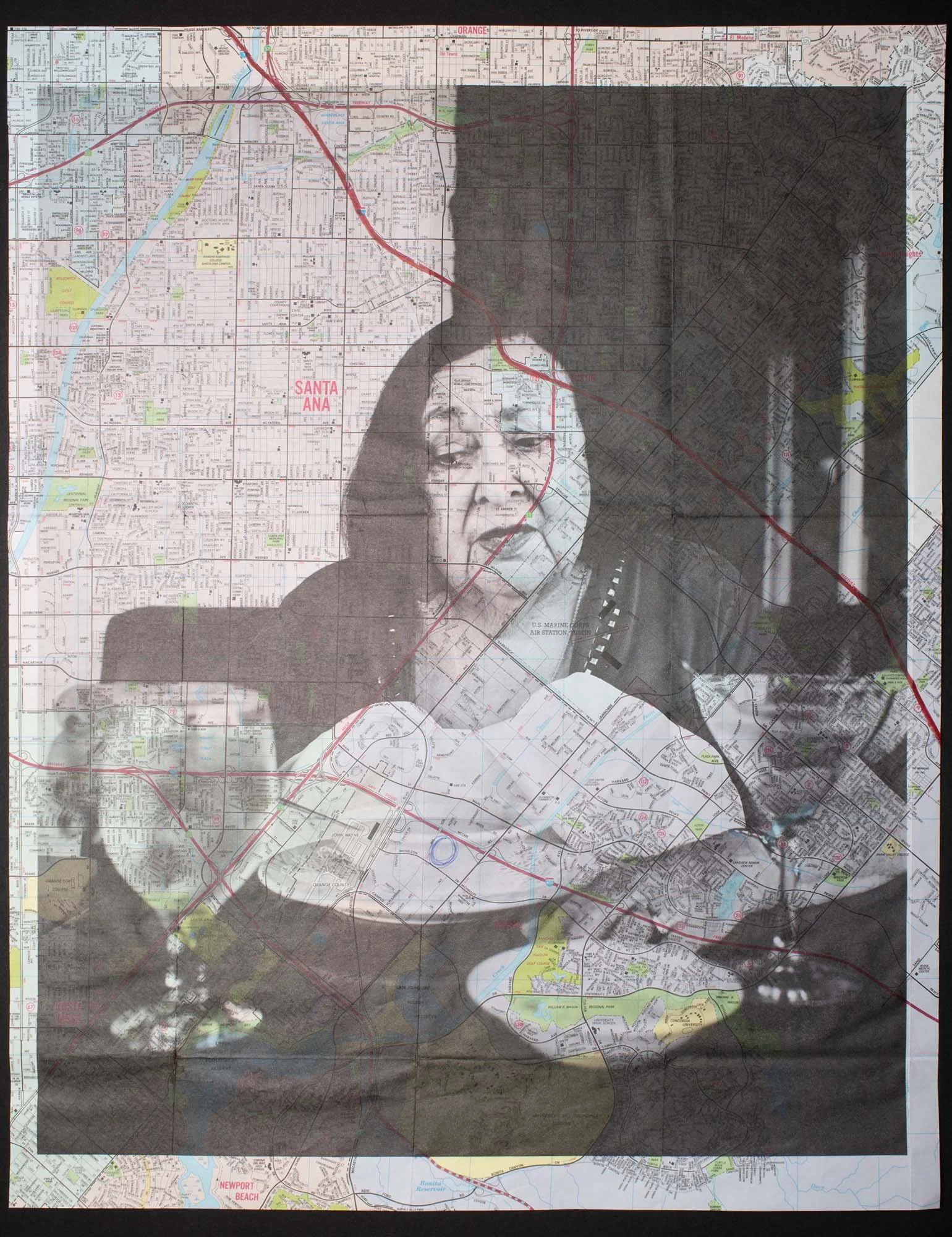
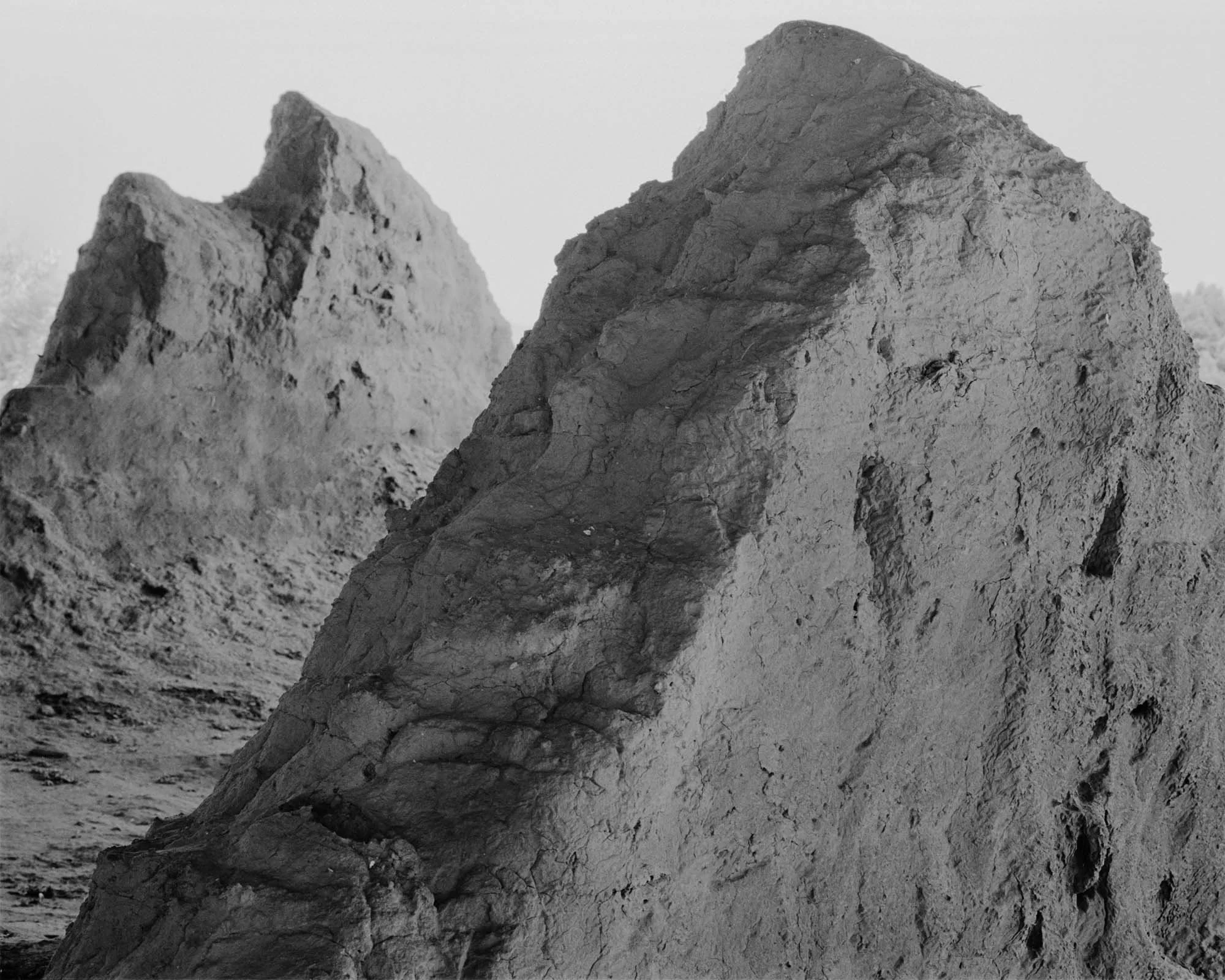
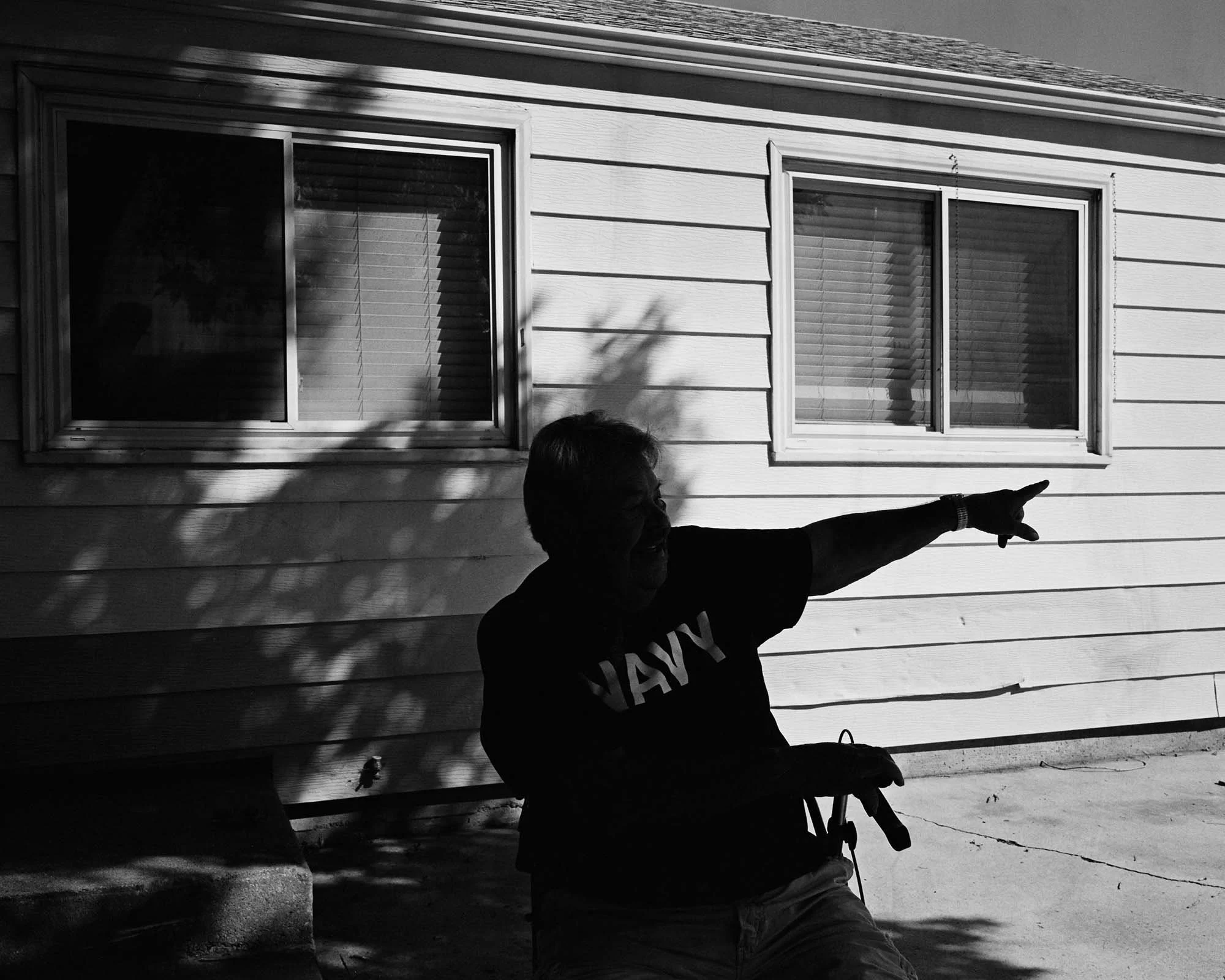
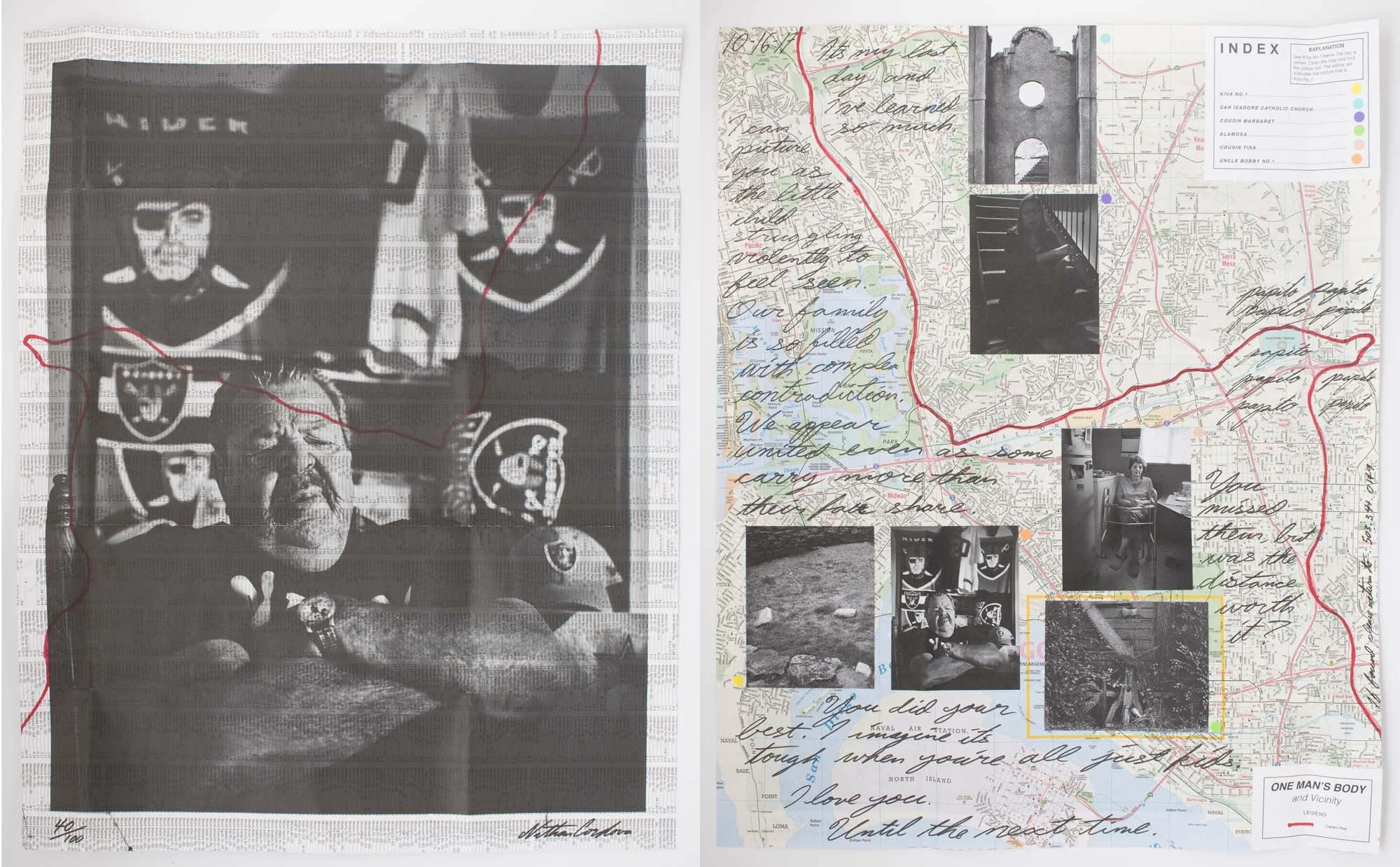
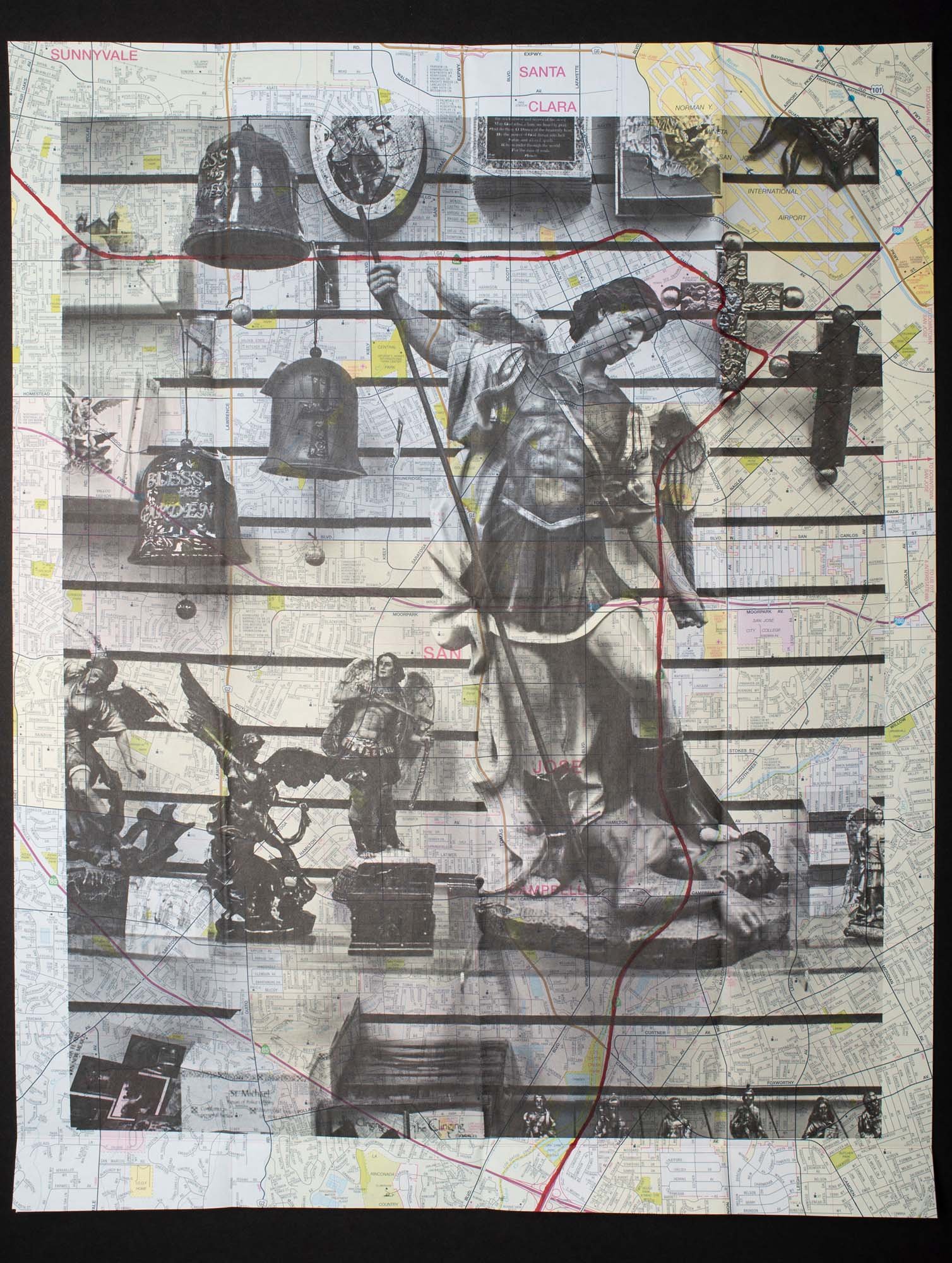
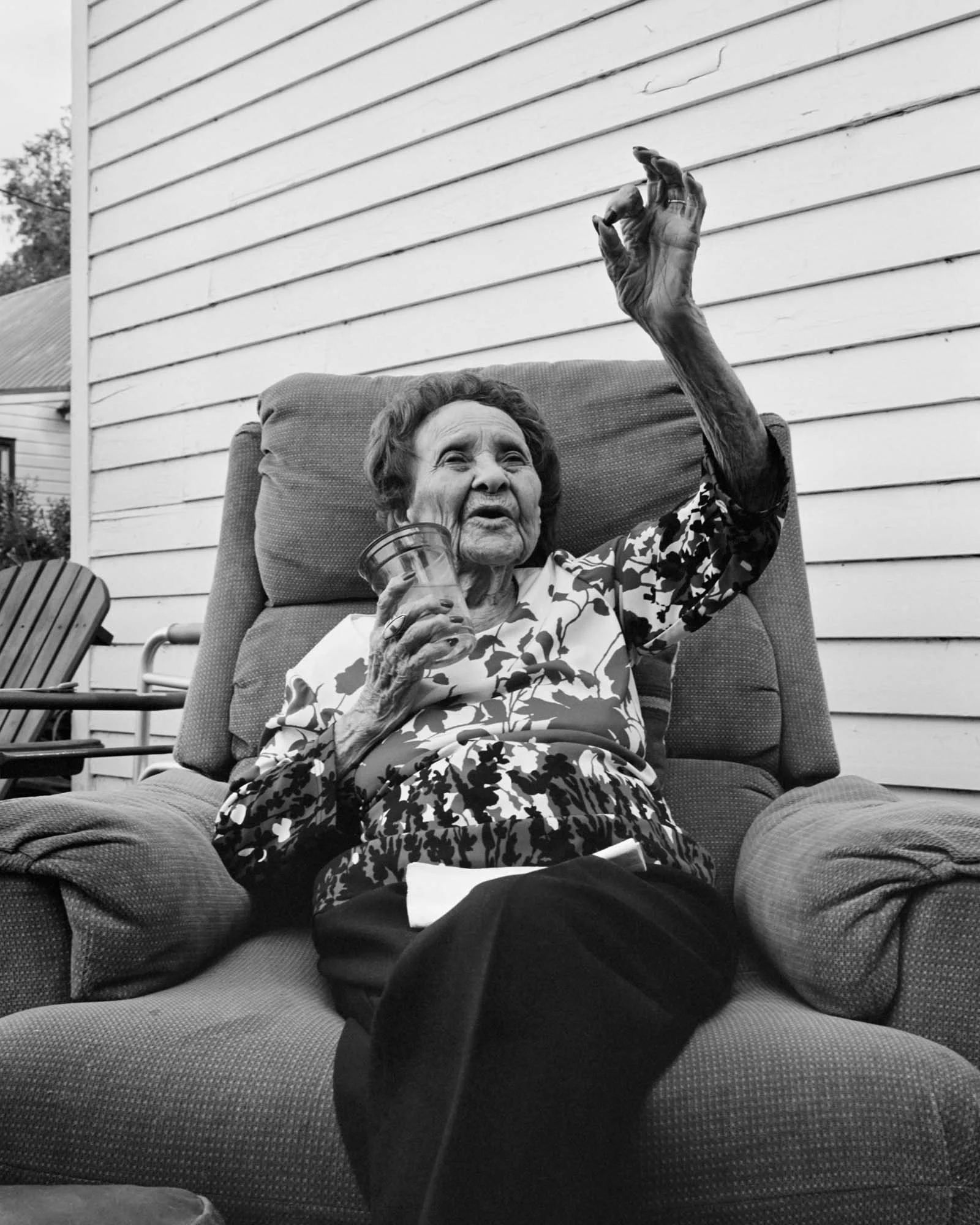
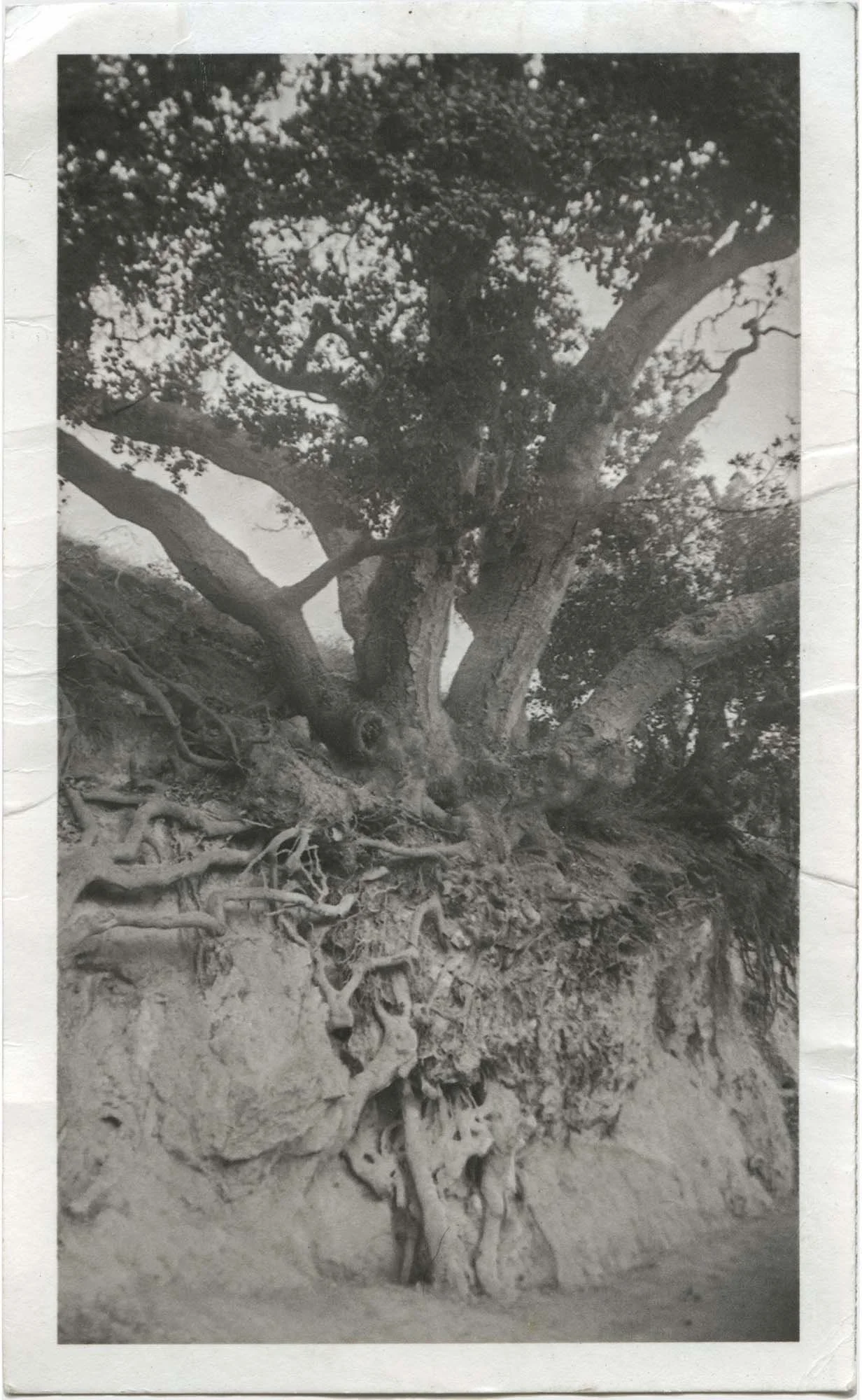
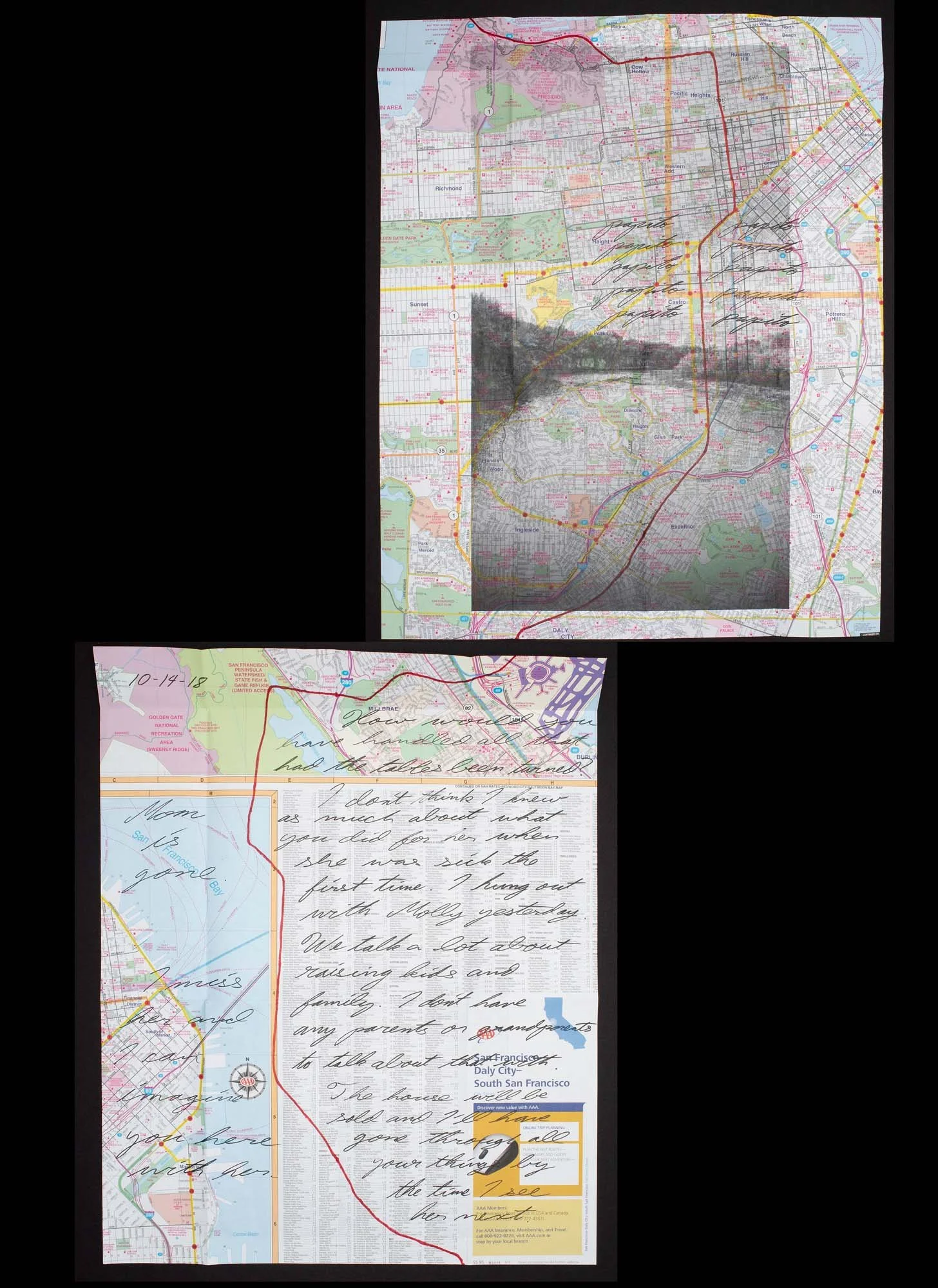
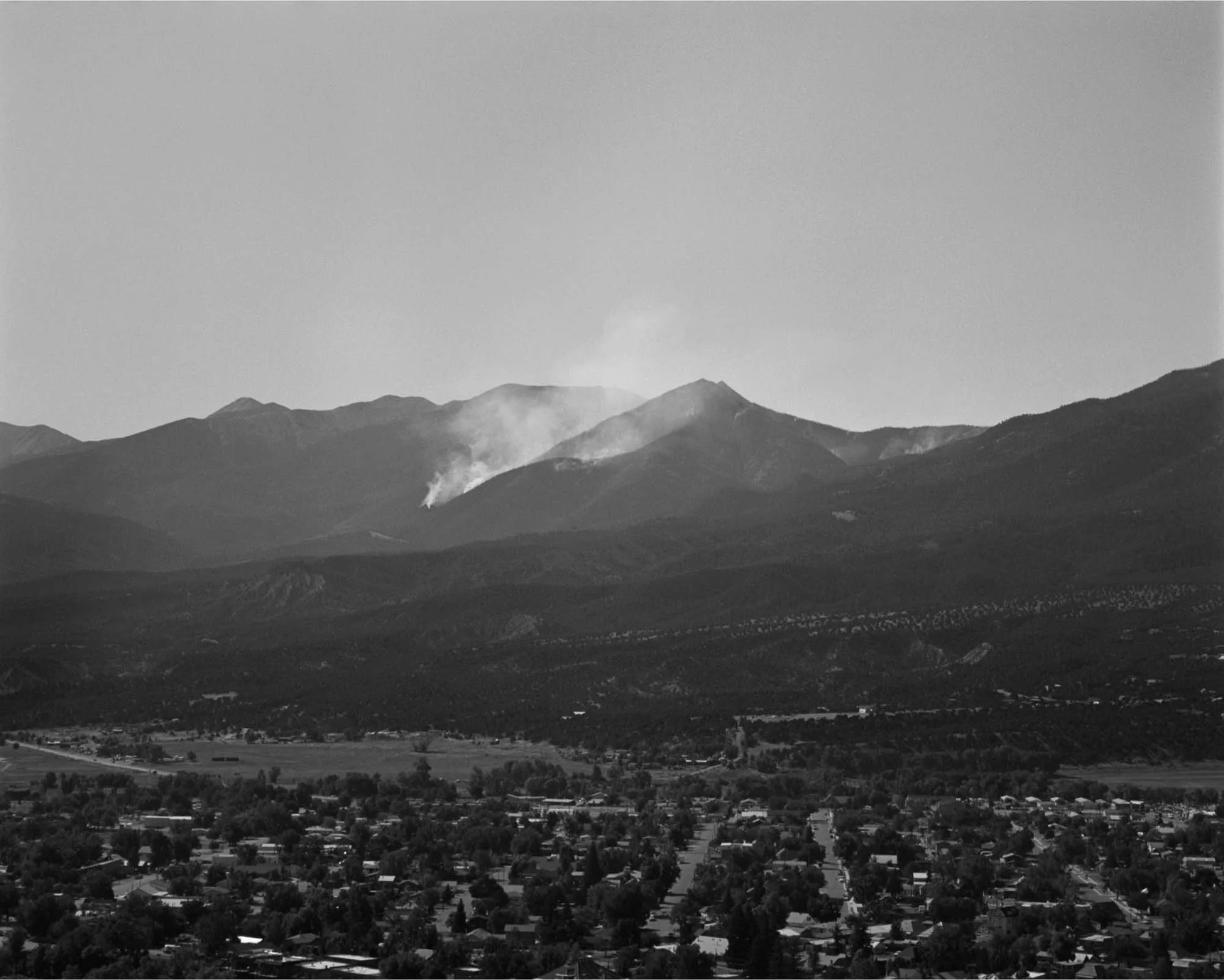
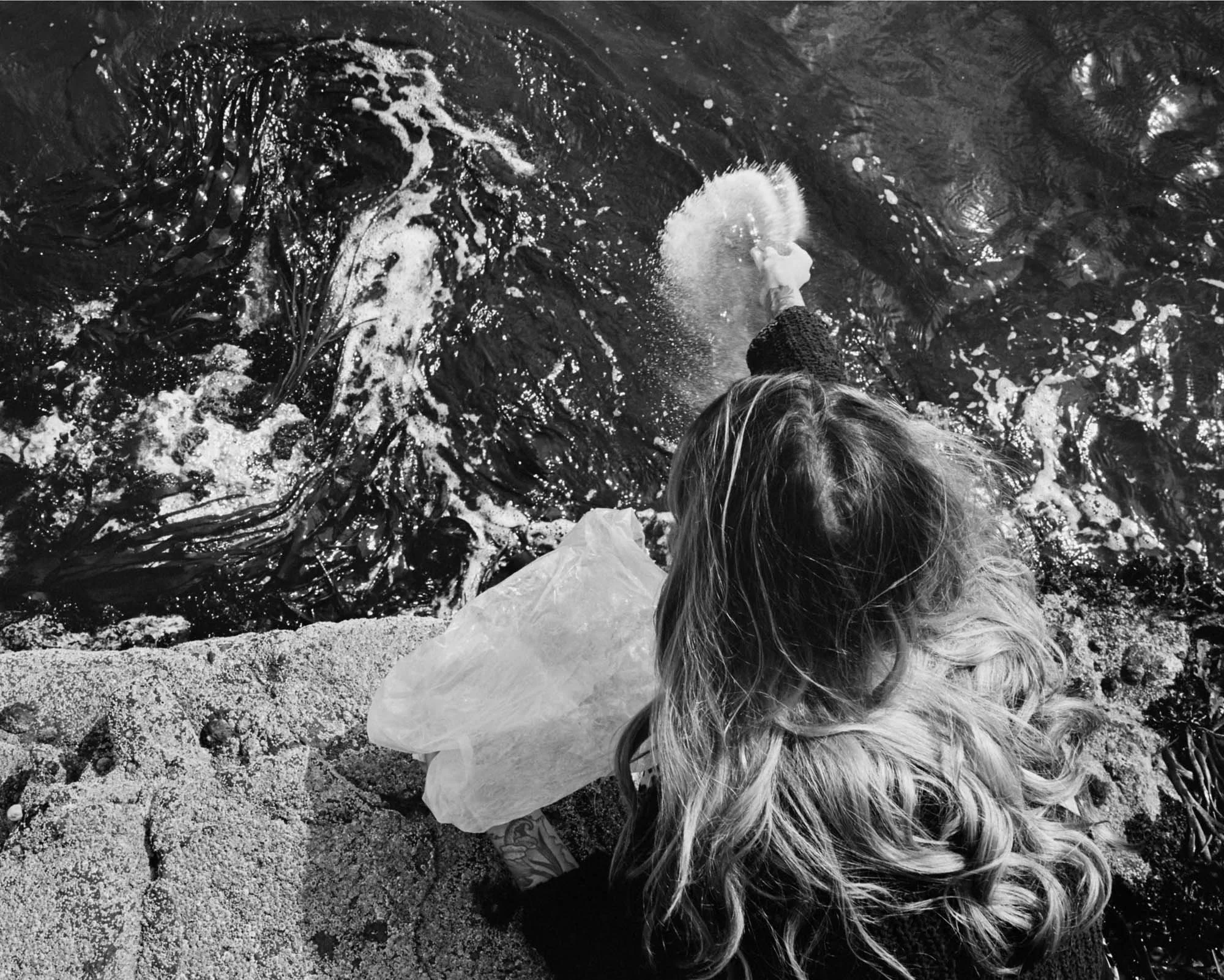
STATEMENT: My dad’s family is of Mexican descent with deep roots in the SW. Reckoning with familial violence, I photograph the relatives and places that shape my identity. The Camino Real is a marketing ploy that romanticizes Spanish colonialism, obscures historical trauma and negates accountability. Onto AAA road maps, I print or affix my images. I mark the Camino in red sharpie, journal to my deceased father, and with old family cameras I create new “archival” photographs, wearing them down on my skin.
BIO: Nathan Cordova is a queer artist and educator based in San Francisco. His work explores the mobilizing potential of somatics in connecting shared desires to political practice, weaving together theories of the glitch, emergence, the abject, the erotic and others. He completed his MFA in Photography, Video and Imaging at the University of Arizona in 2024 and teaches undergraduate darkroom photography at Stanford University.
Nicolo Sertorio
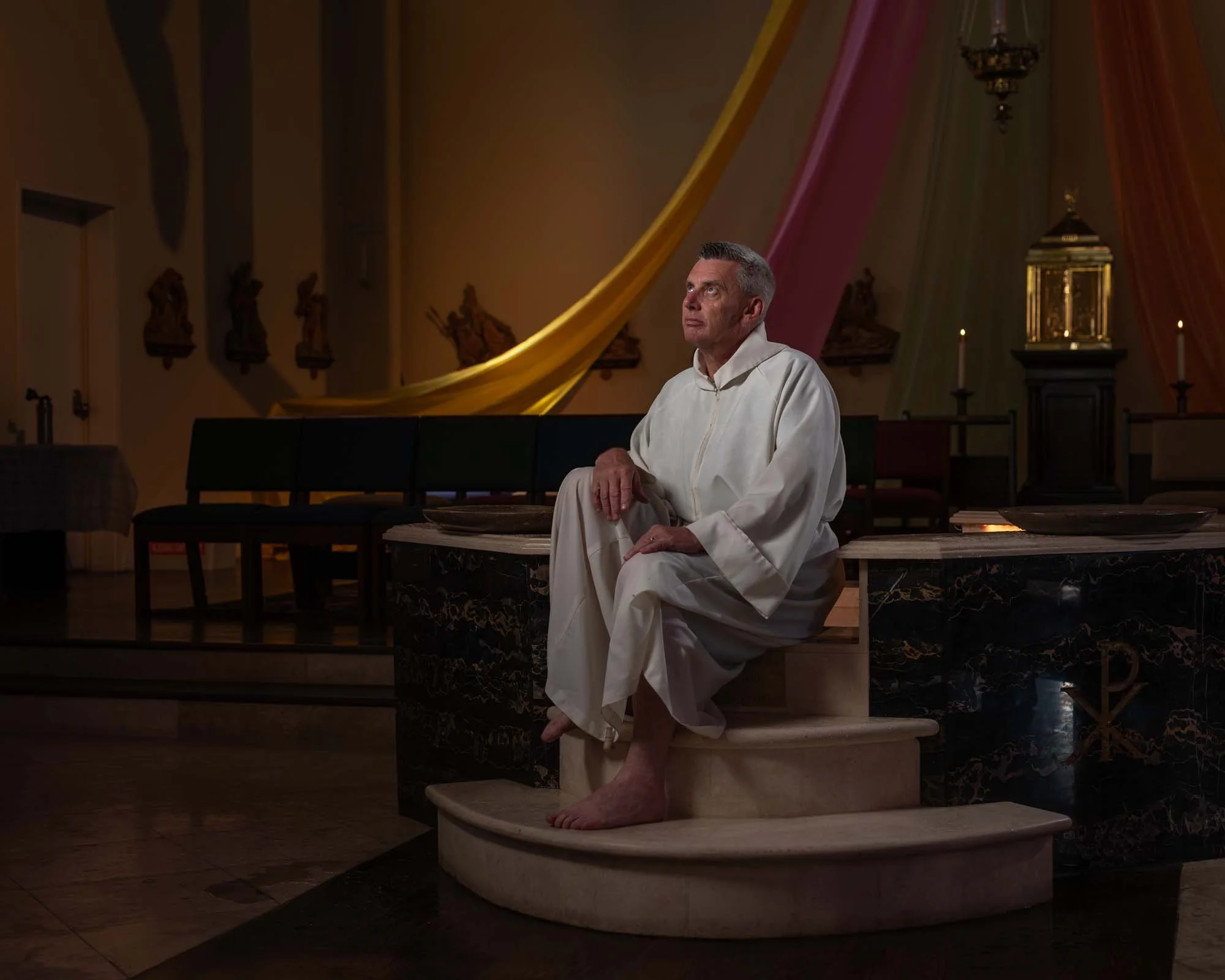
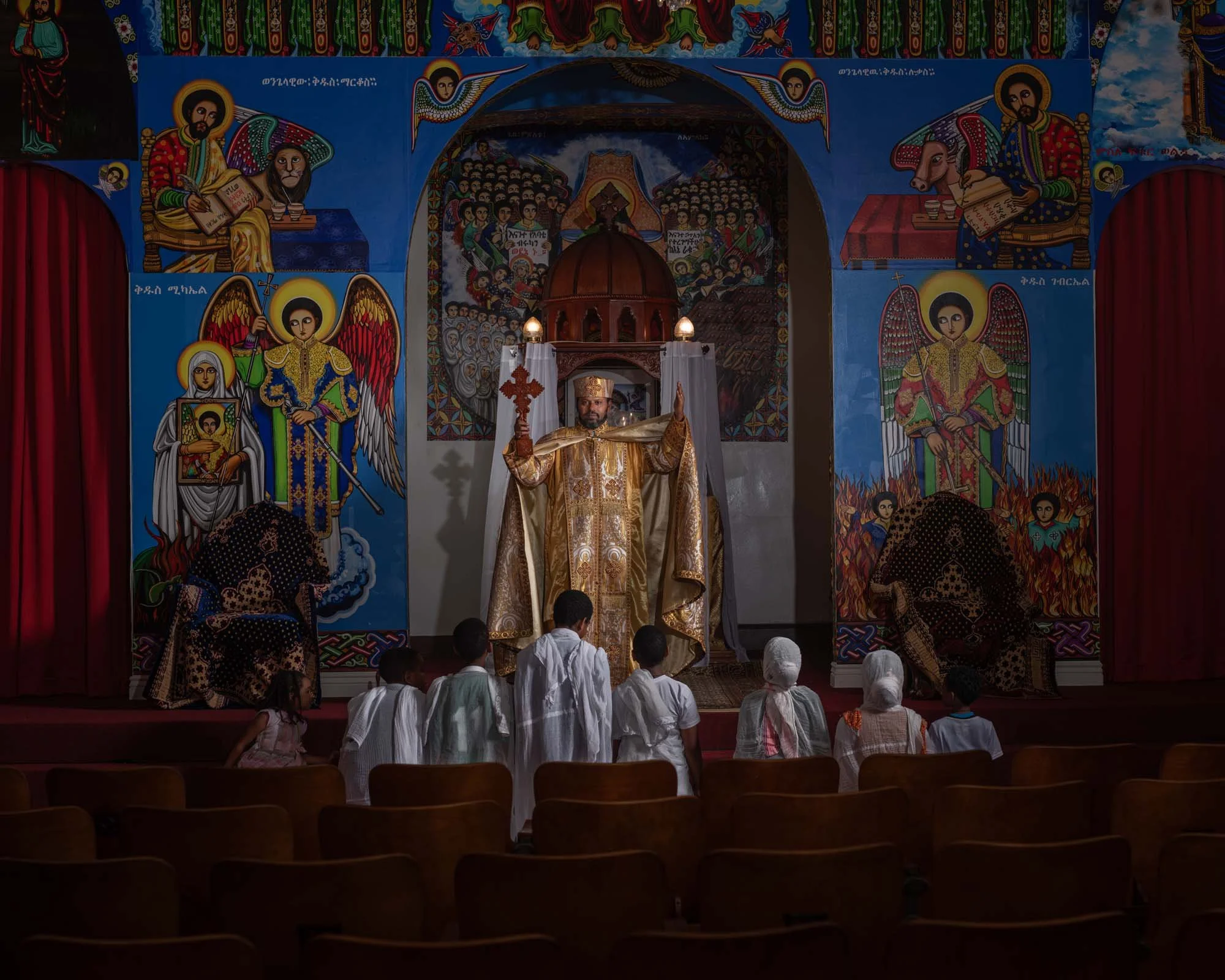
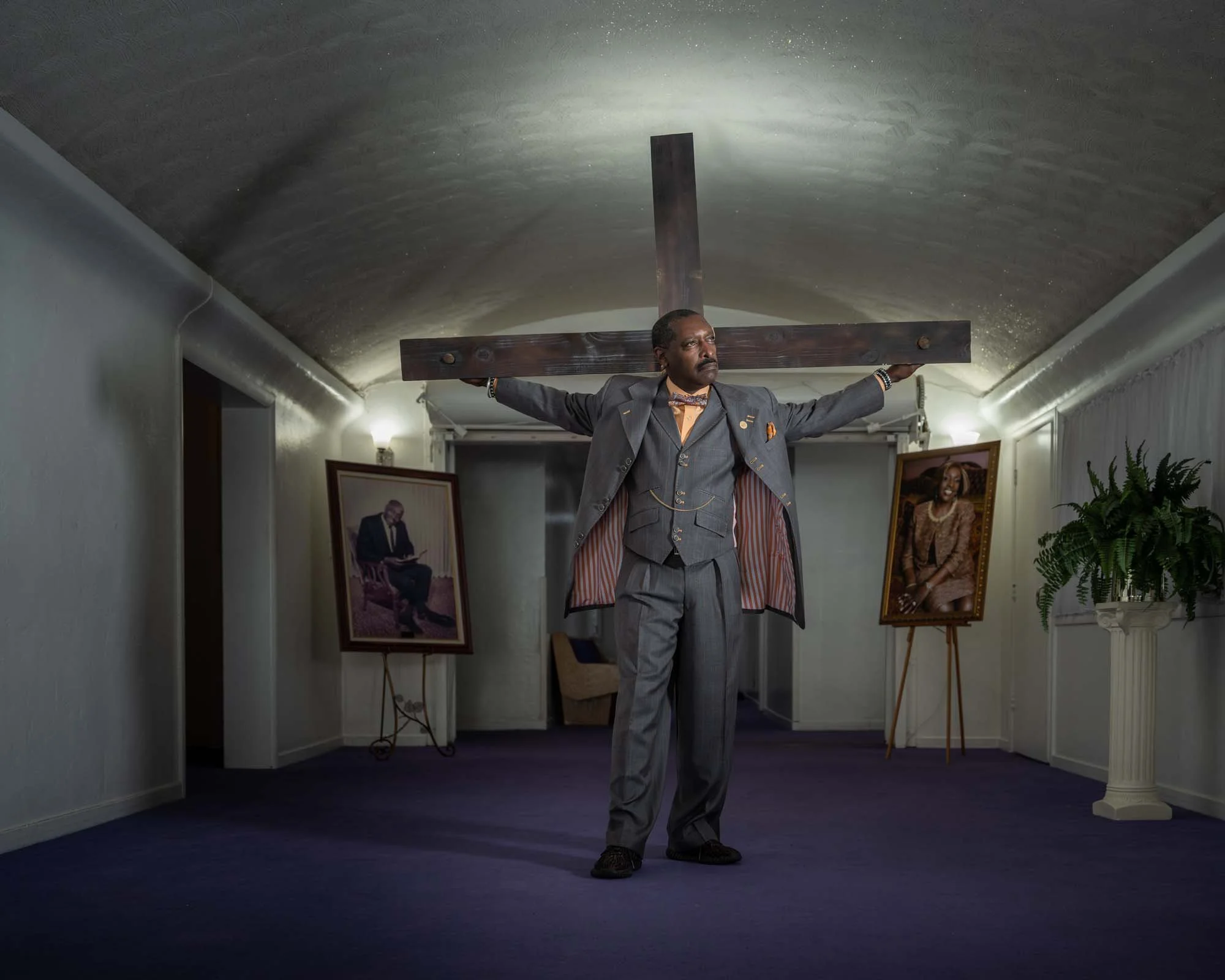
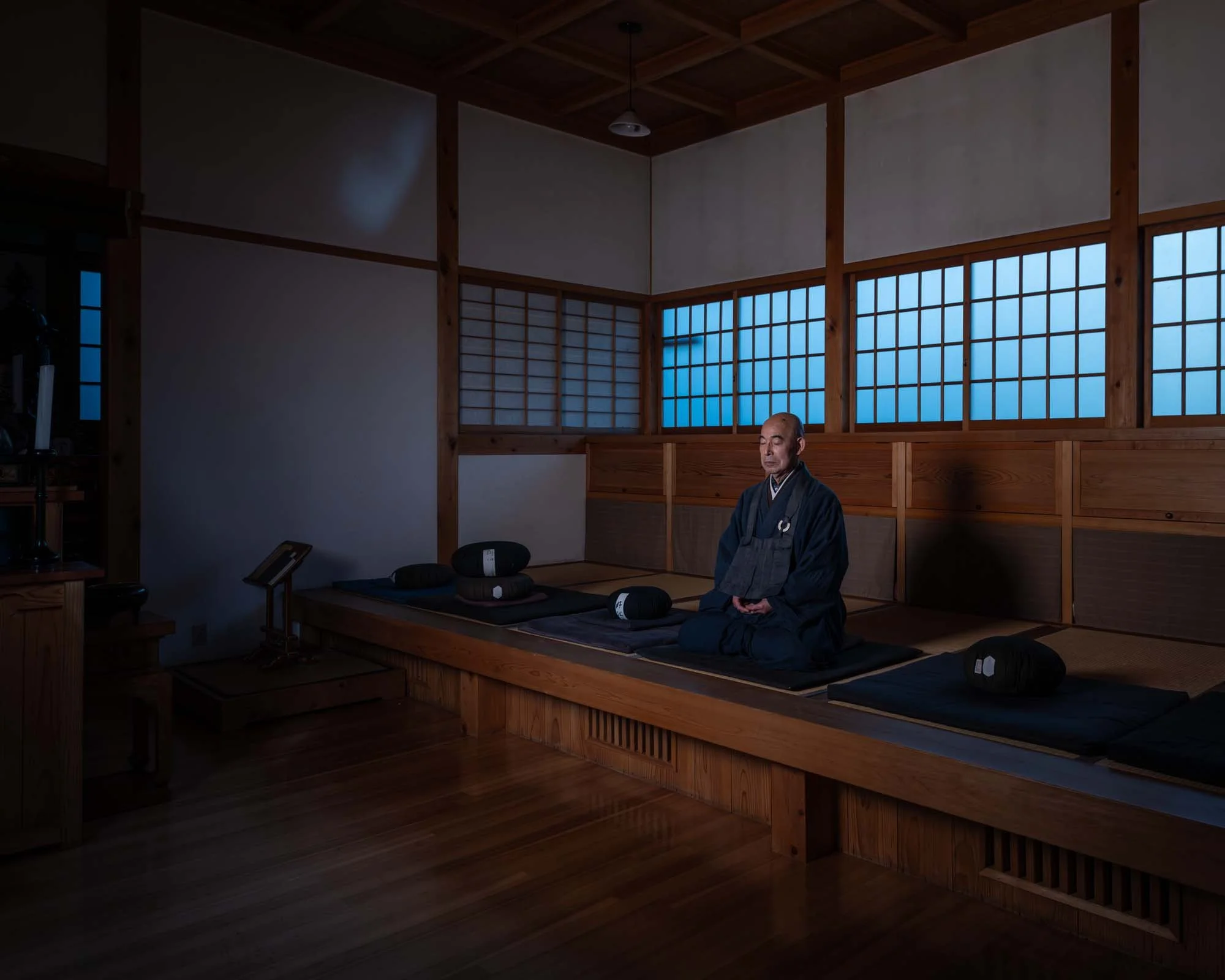
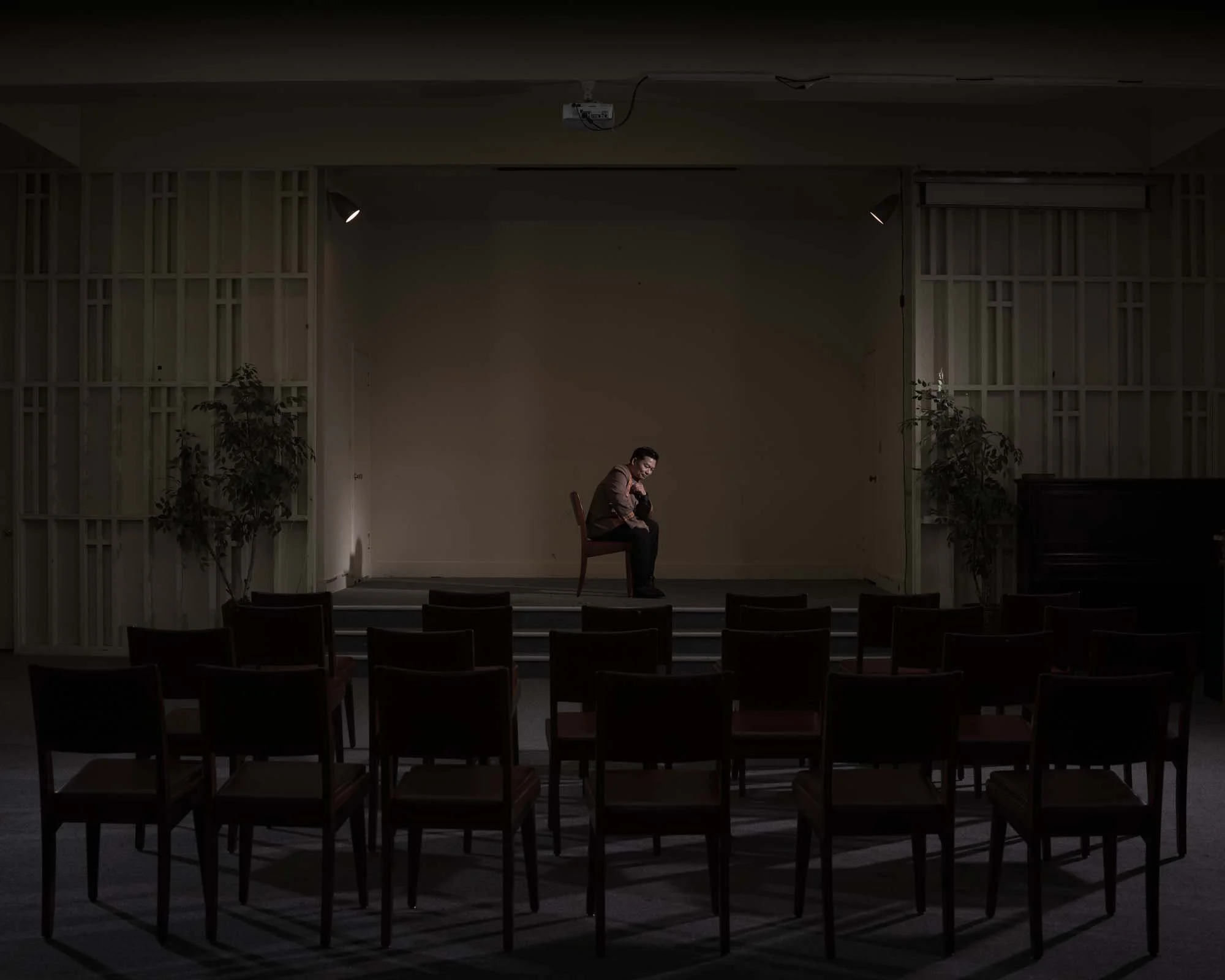
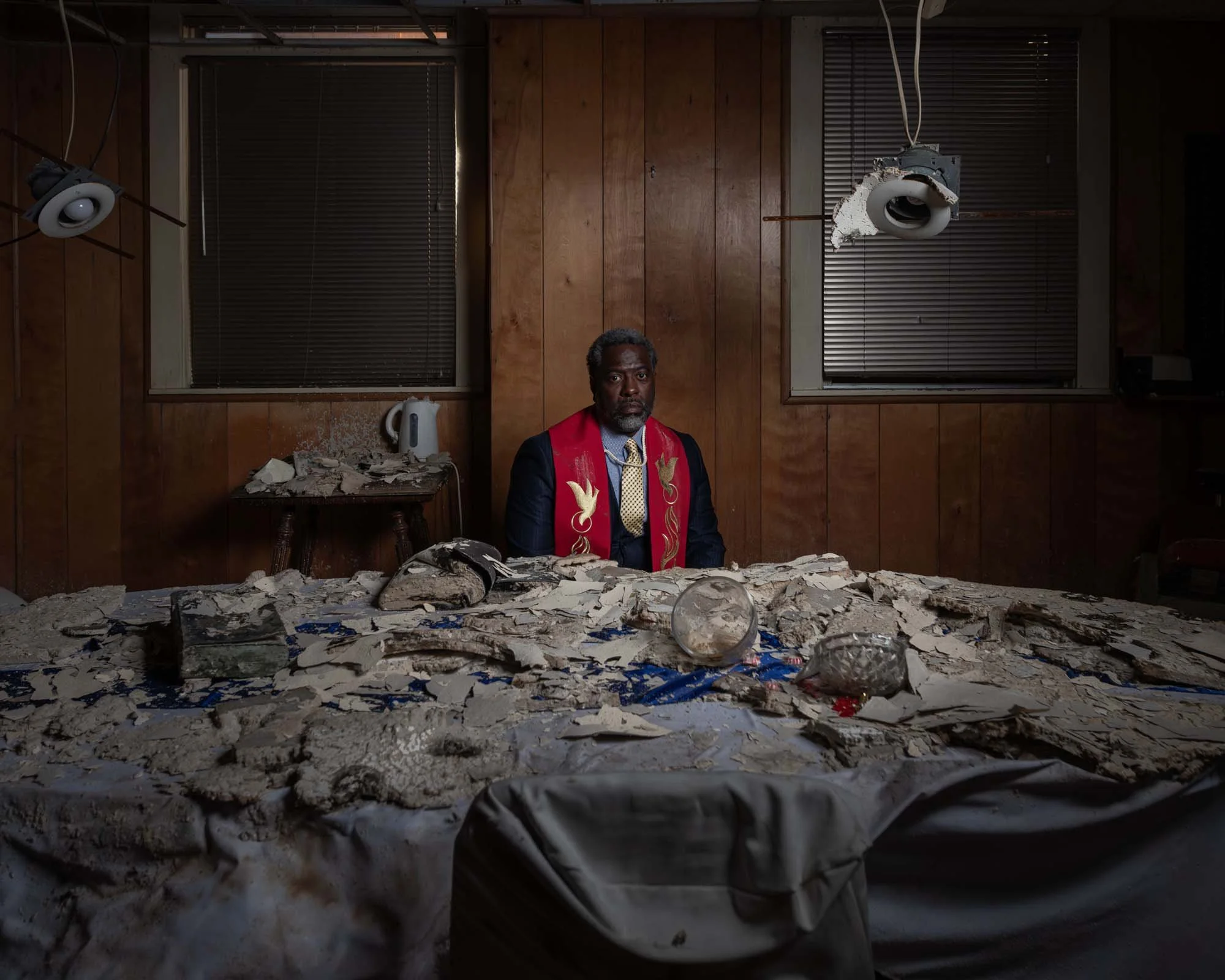
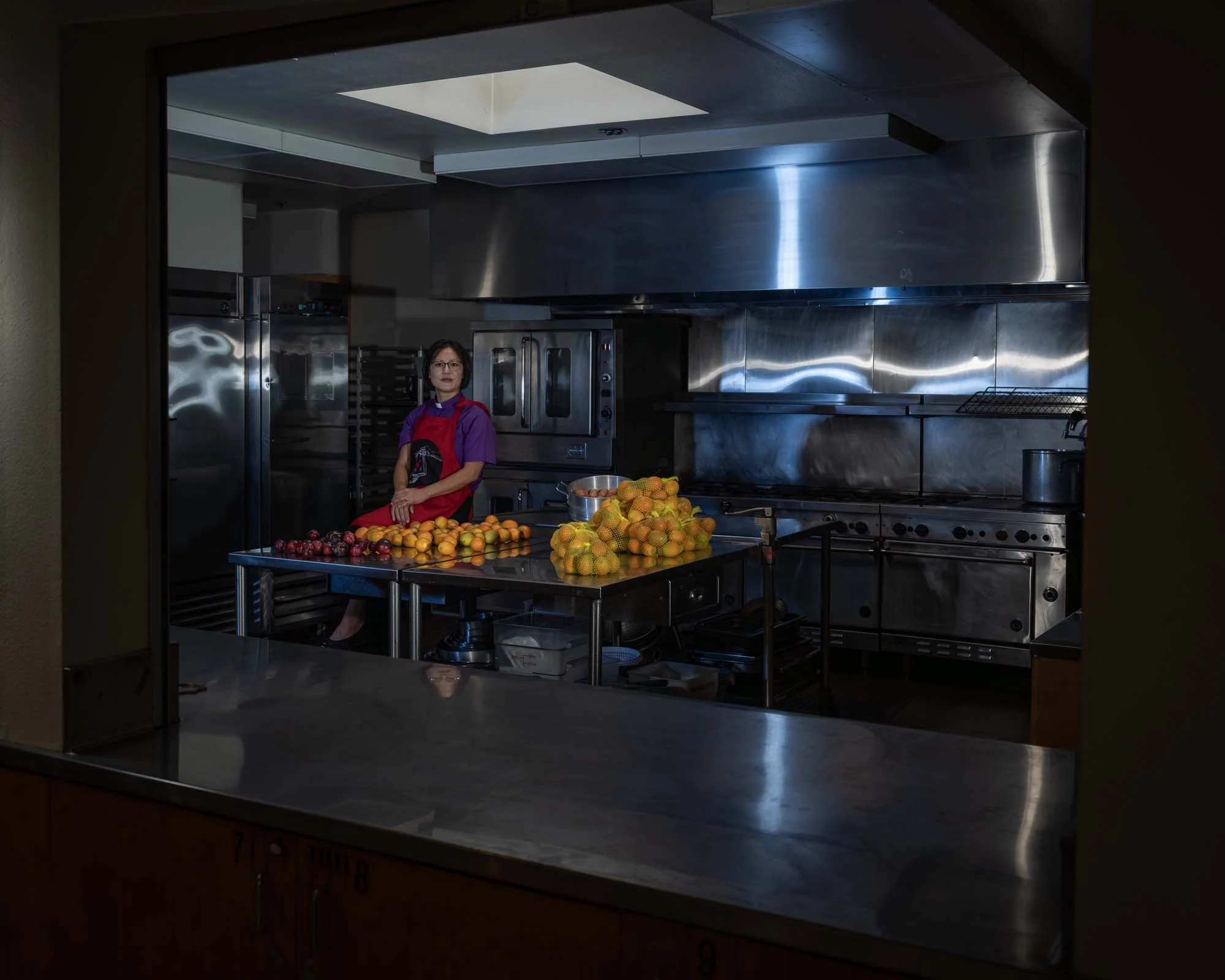
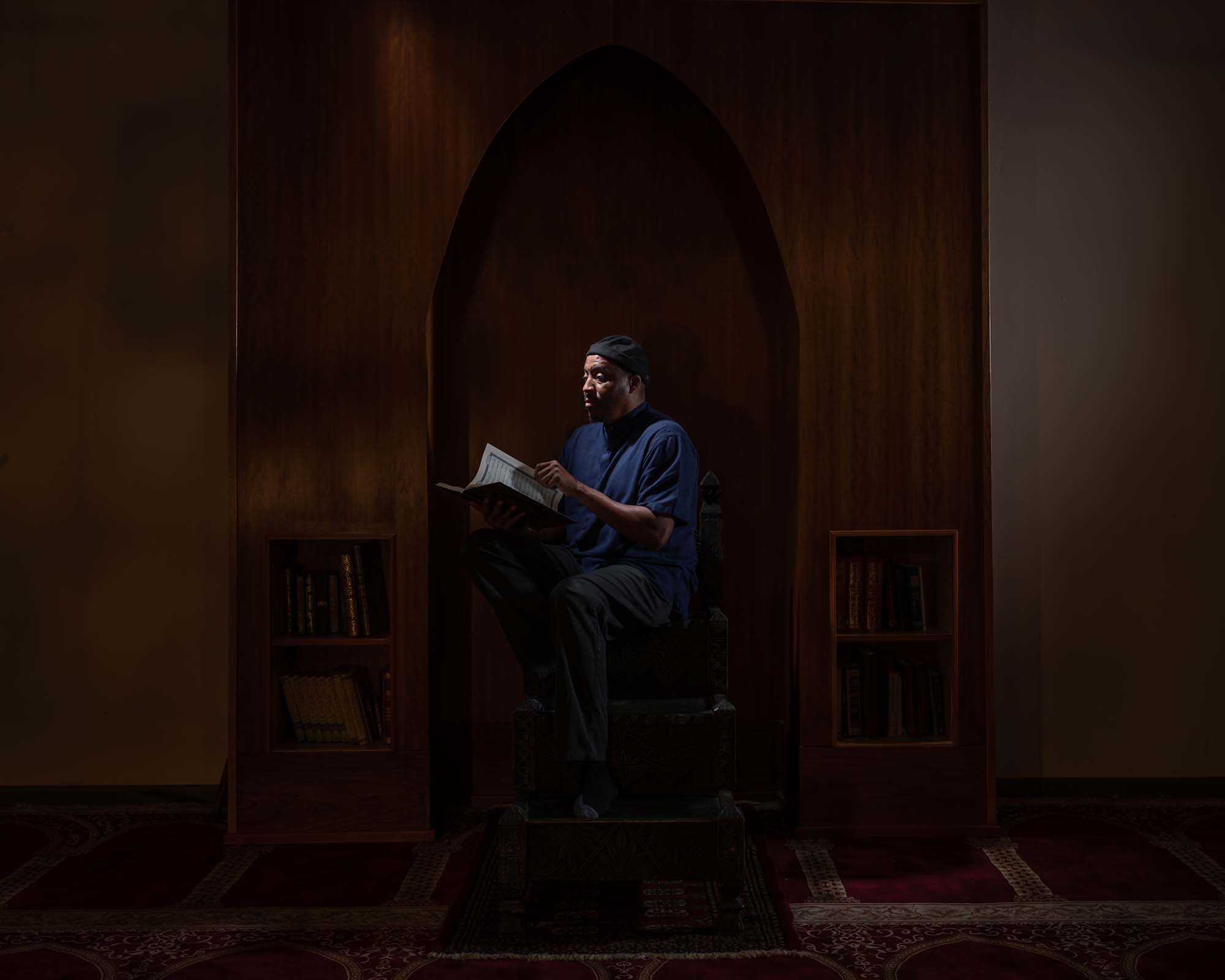
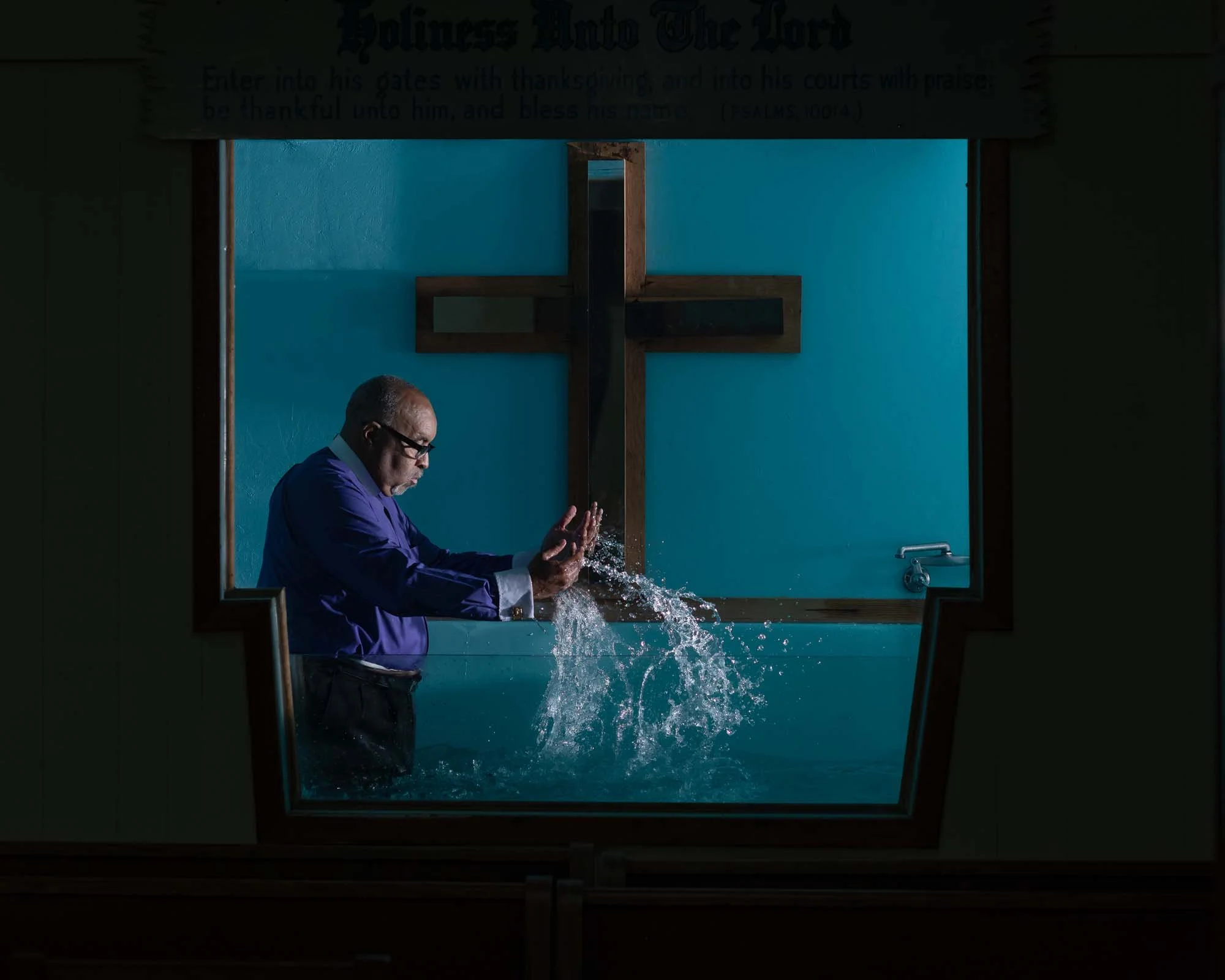
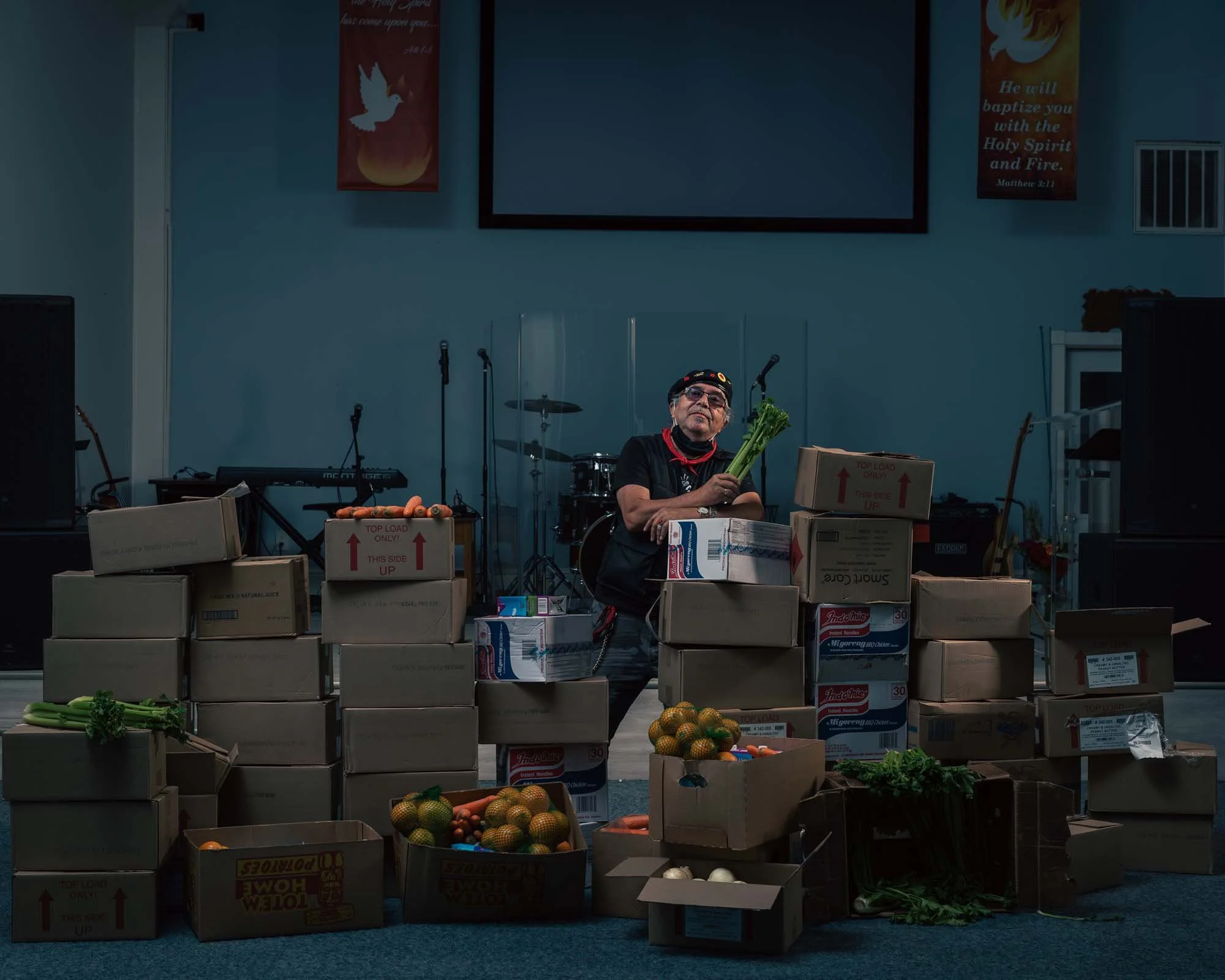
STATEMENT: Oakland is a city of contrasts—resilient yet vulnerable, fractured yet connected. Amidst its shifting landscape, faith leaders stand as both anchors and mirrors of their communities, reflecting the struggles, hopes, and transformations taking place around them. ‘People of Faith’ is a photographic exploration of these individuals, capturing them in the spaces where they serve. Through environmental portraits, this series reveals the humanity of spiritual leadership—its burdens and its grace. Each image is a dialogue between subject and setting. From grand sanctuaries to modest storefront churches, from mosques to temples, each space holds stories of devotion, perseverance, and change. These portraits invite viewers to consider the evolving nature of faith in an urban landscape marked by gentrification, inequality, and cultural flux. They also serve as a testament to the enduring power of belief—not just in the divine, but in the possibility of healing, justice, and collective renewal. By centering those who guide others, ‘People of Faith’ aims to question what it means to be a spiritual leader today, and spark conversations about the intersections of faith, identity, and belonging in contemporary Oakland.
BIO: Nicolò Sertorio is an Oakland-based artist who works primarily in photography. His practice is focused on the nature of co-existence, global and individual responsibility, while creating conversations around our best path forward. His projects engage socio-anthropological ideas by examining social behavior and environmental impact through image-making. His art spotlights the hidden costs of contemporary life, including economic disparity, environmental issues, and loss of identity. His multicultural background informs his pluralist sensibility and approach: he was born in Princeton, New Jersey (USA), raised in a multicultural family of artists, scientists and academics in Italy, and has also lived in Switzerland, Ireland, Belgium, India, and Germany. Nicolò has developed from an early age an affinity for the ‘other’. Sertorio's work has been the subject of solo exhibitions at galleries and institutions worldwide, including Diocletian's Palace, in Split, Croatia, the University of the Arts in Philadelphia, Pennsylvania and the FORMAT festival in Derby, United Kingdom. Still recognizing the value of multicultural experience, Sertorio has created work during numerous international residencies, including the Tao Hua Tan Artist Residency in Xuancheng, Anhui, China and Kala Art Institute residency in West Berkeley, California. He is also an engaged community member in Oakland who has served as the president of the Northern California chapter of the American Society of Media Photographers (ASMP), and sits on the industry advisory board at the City College of San Francisco, sharing decades of commercial photography experience. Sertorio is an award-winning photographer, recognized six times by American Photography. He is also a three-time finalist of Critical Mass and won First Prize from the PDN Photo Annual. His visual stories have been featured in numerous magazines and online periodicals, including Wired Magazine, LensCulture, AD, Domus, Elle, Getty, Marie Claire, and Black Enterprise, and he has created public, corporate, and privately commissioned artwork. Sertorio holds an MA and part-time faculty at CCSF. His work is represented by Scott Nichols gallery.
Oliver Klink
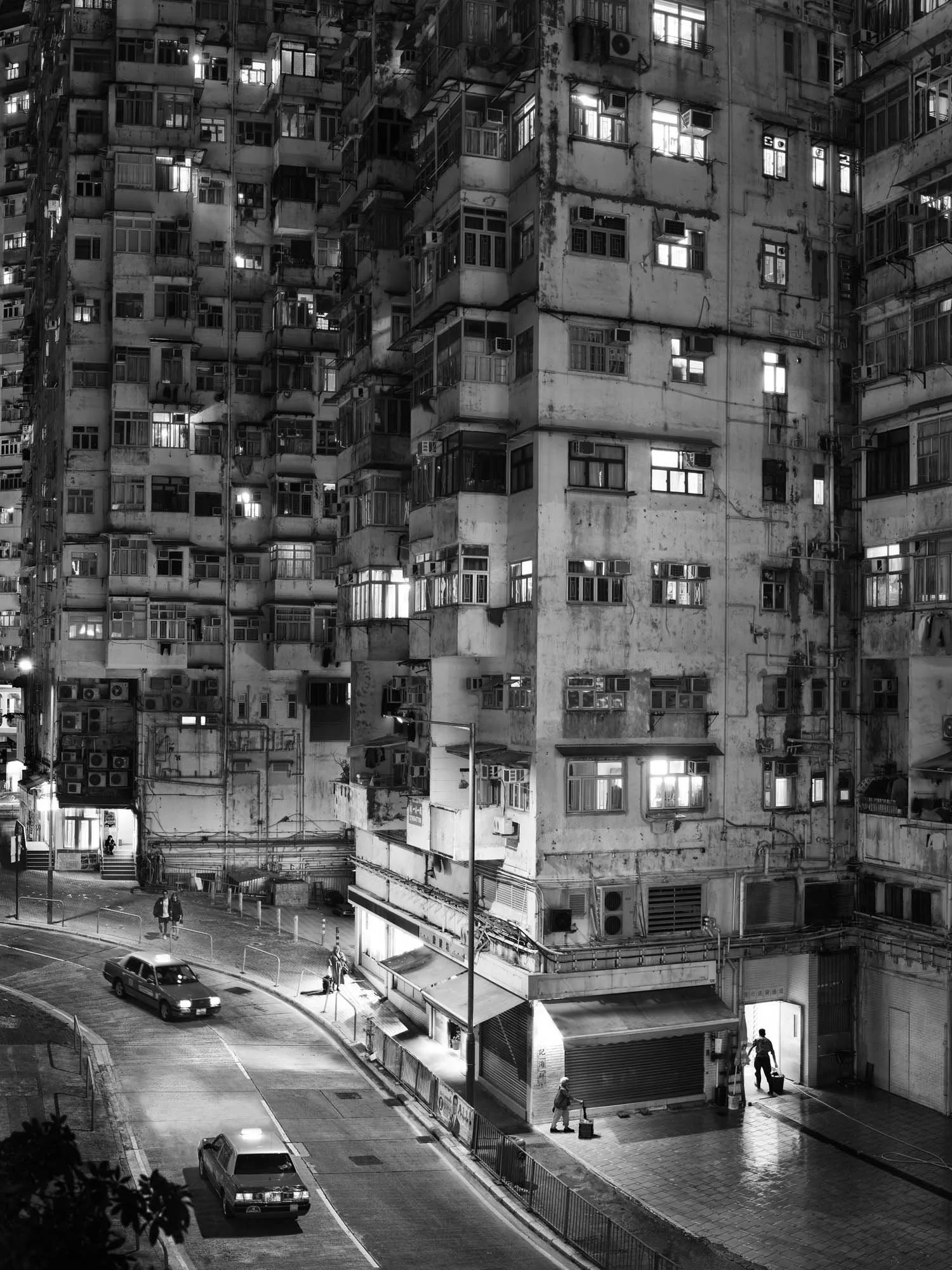
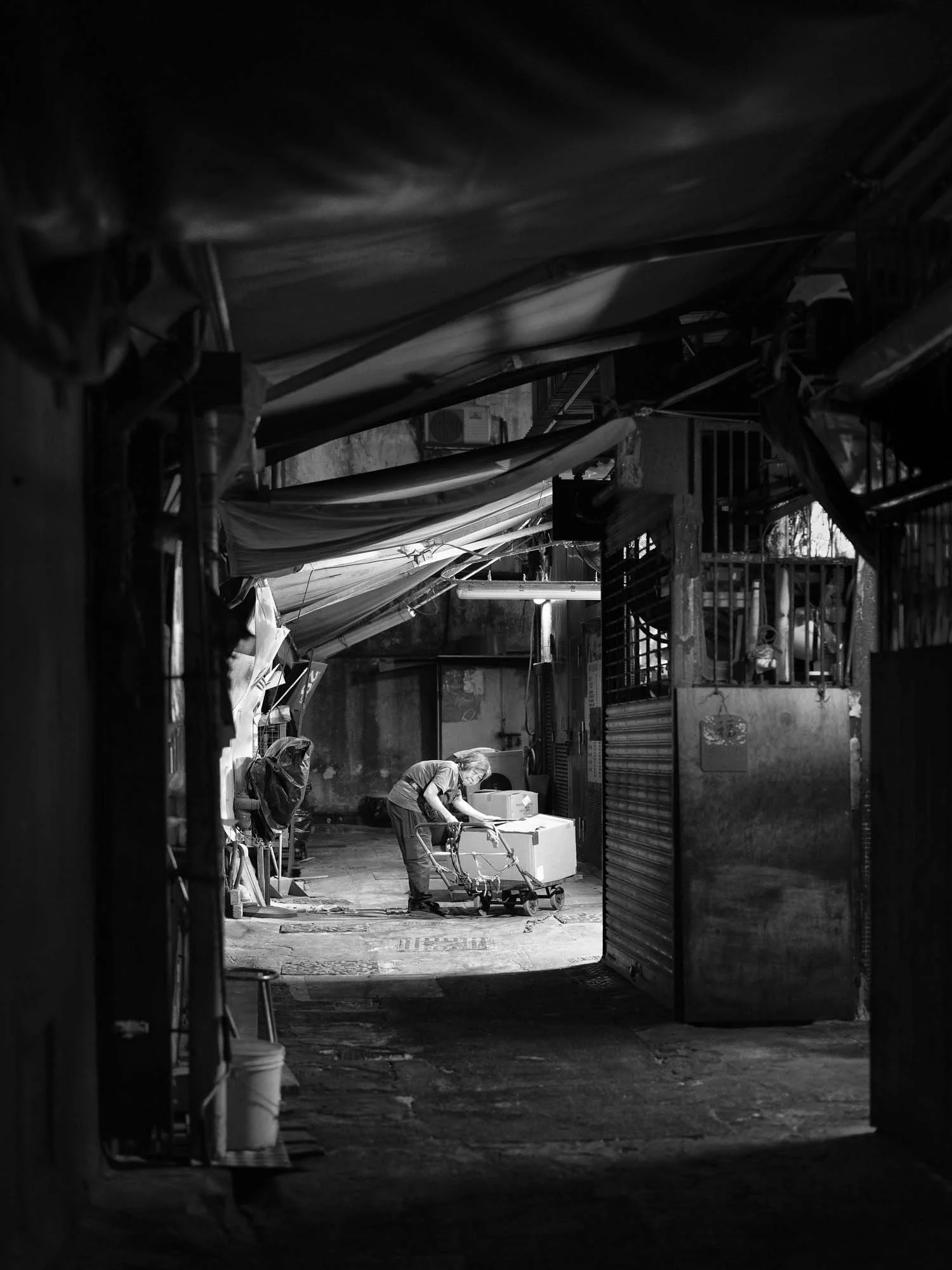
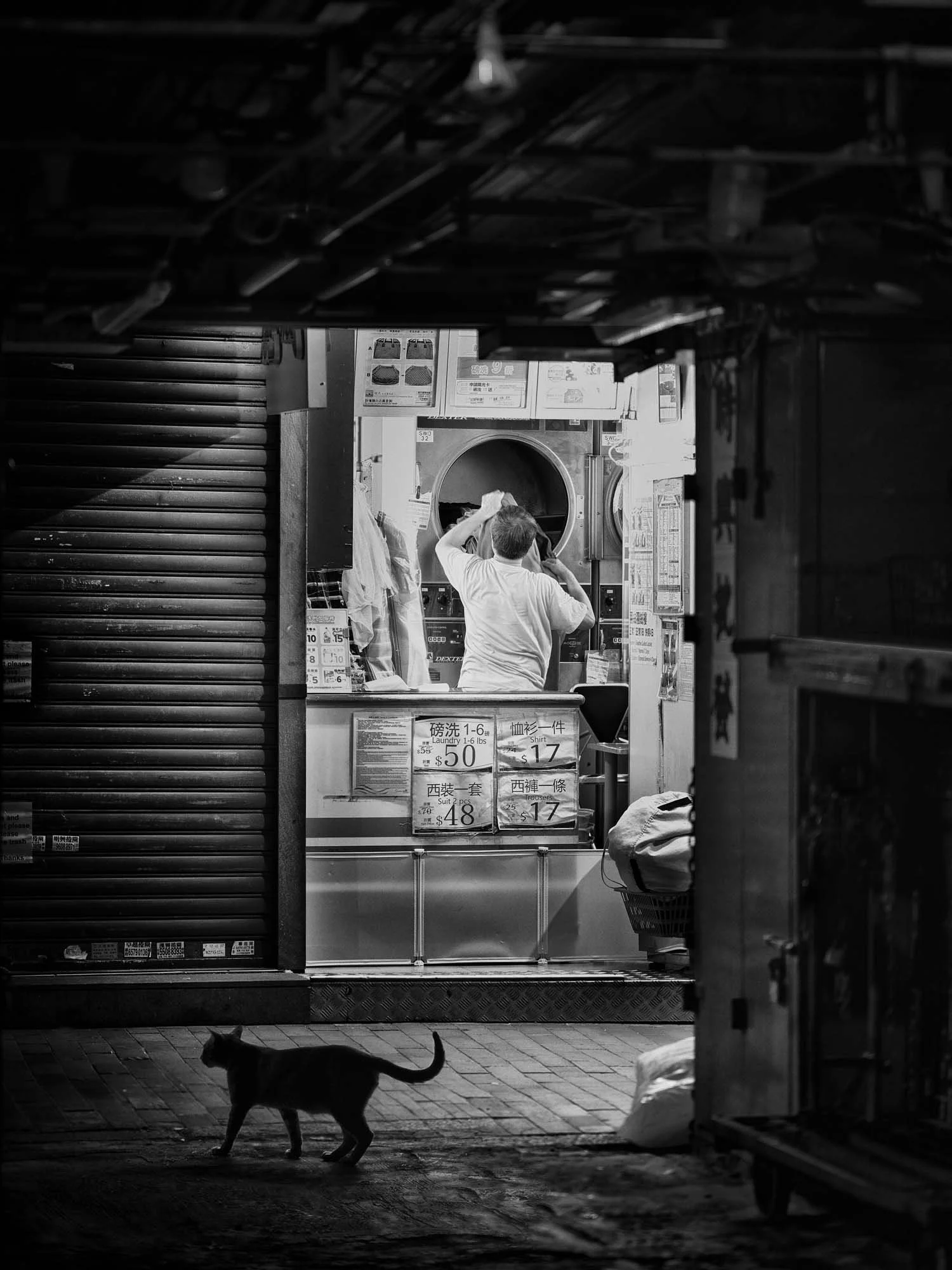
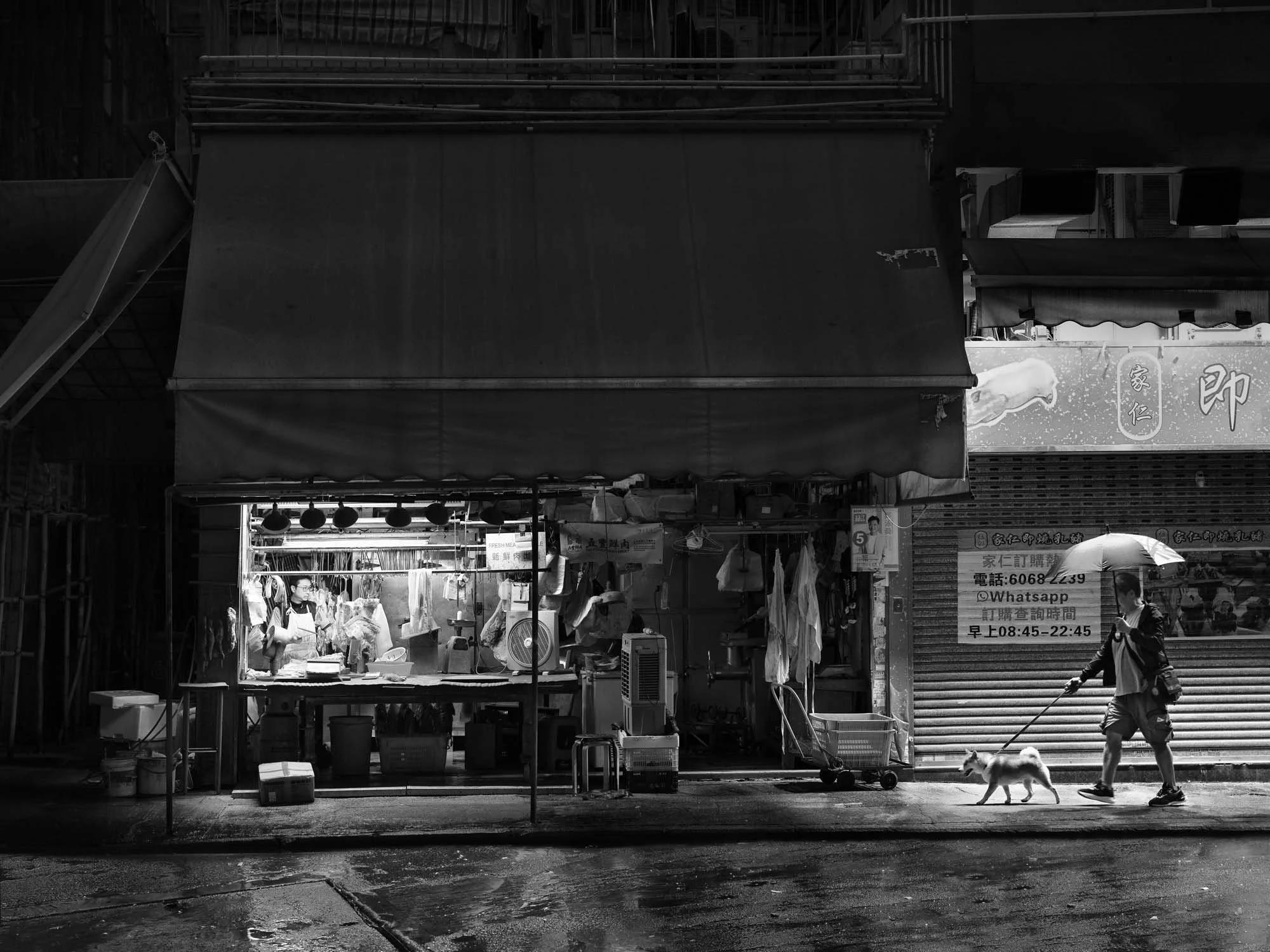
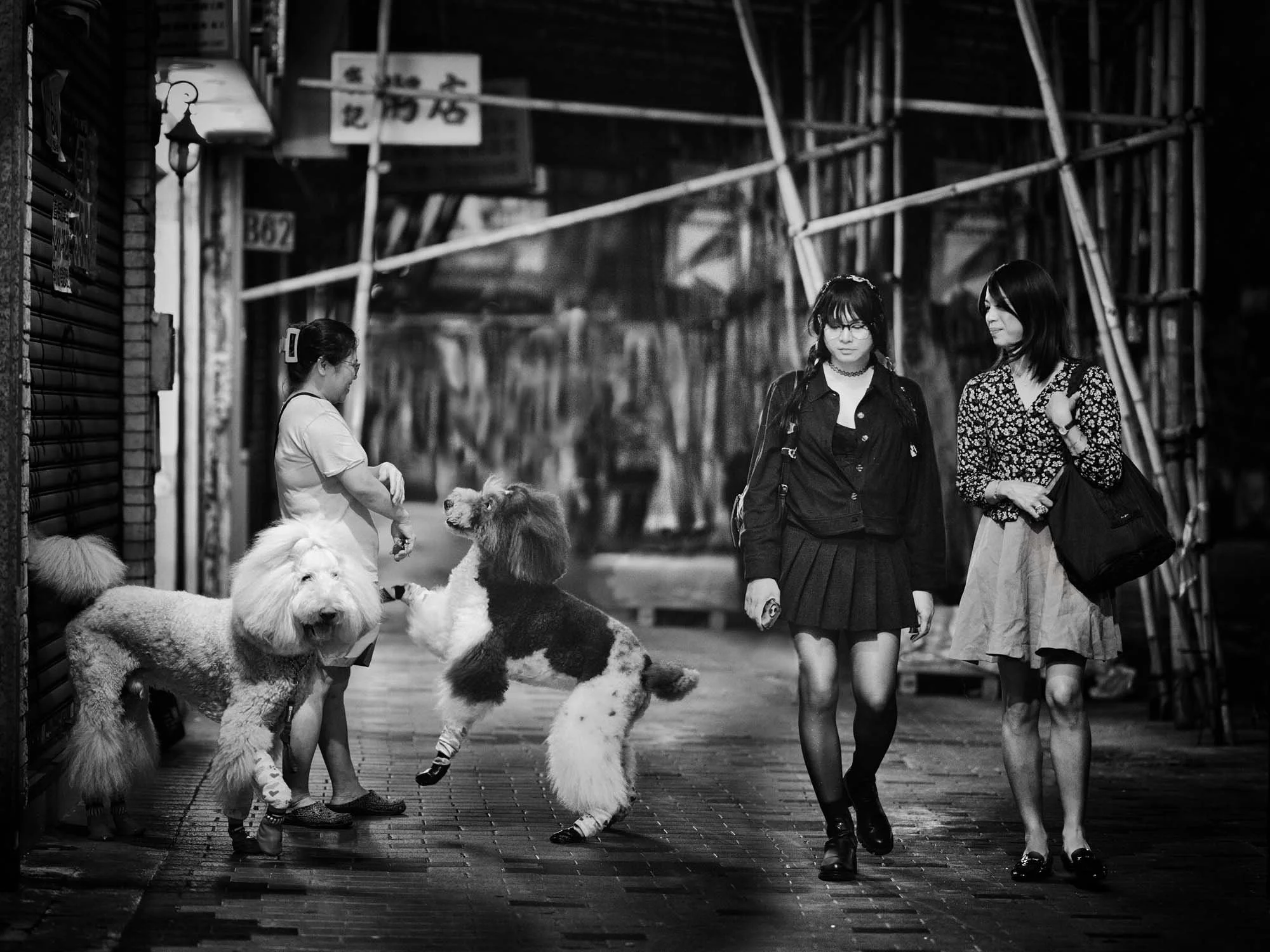
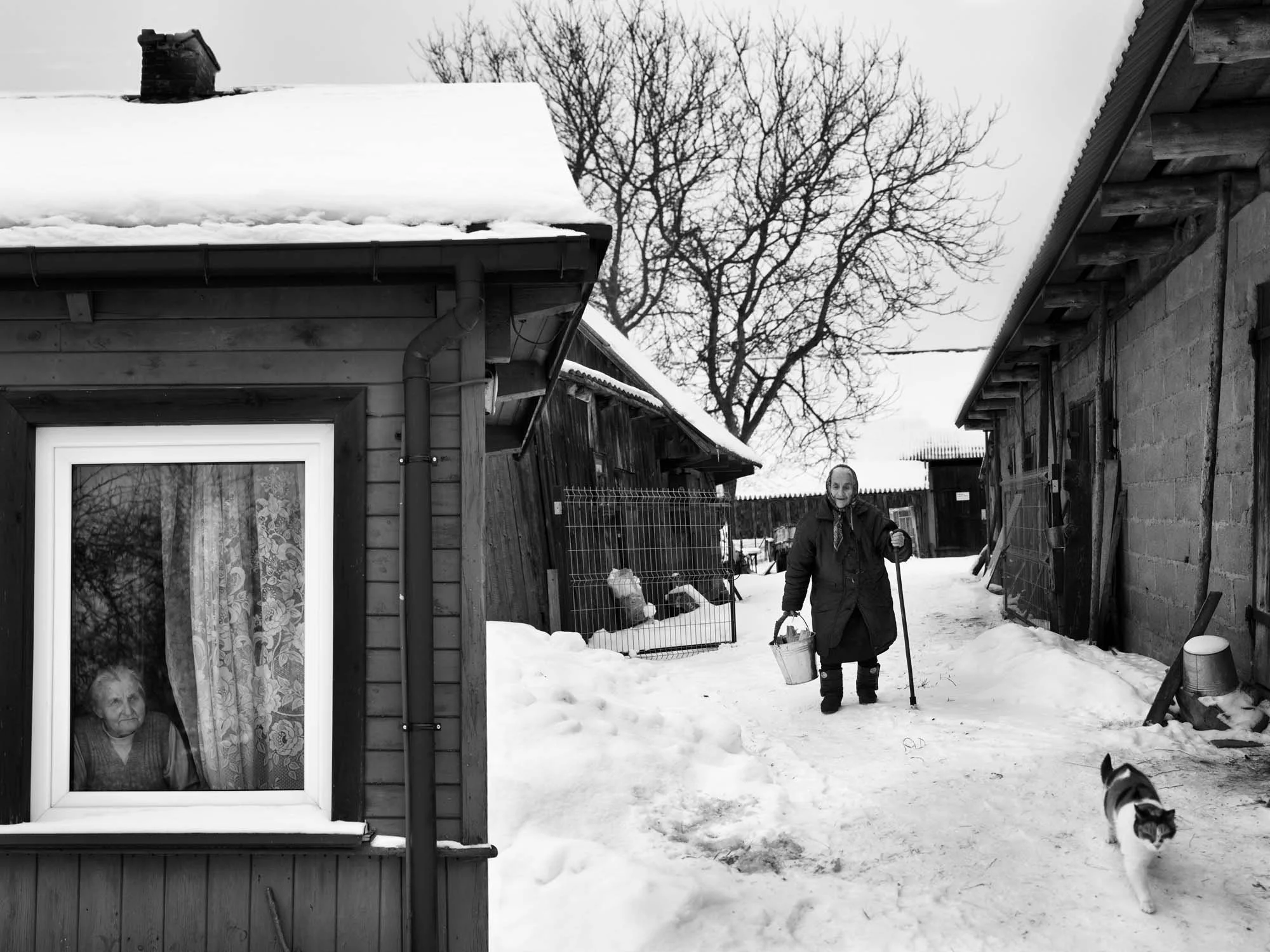
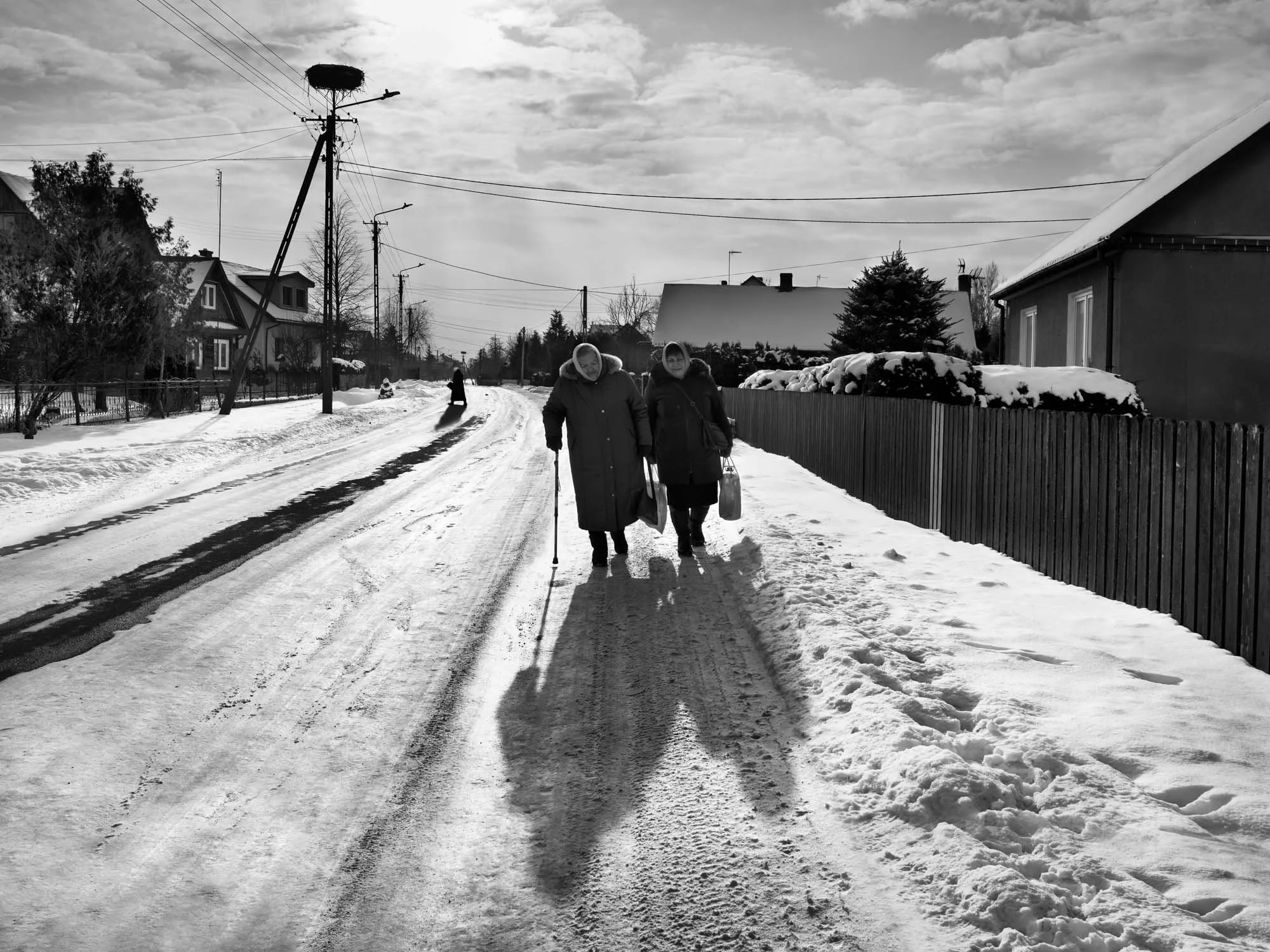
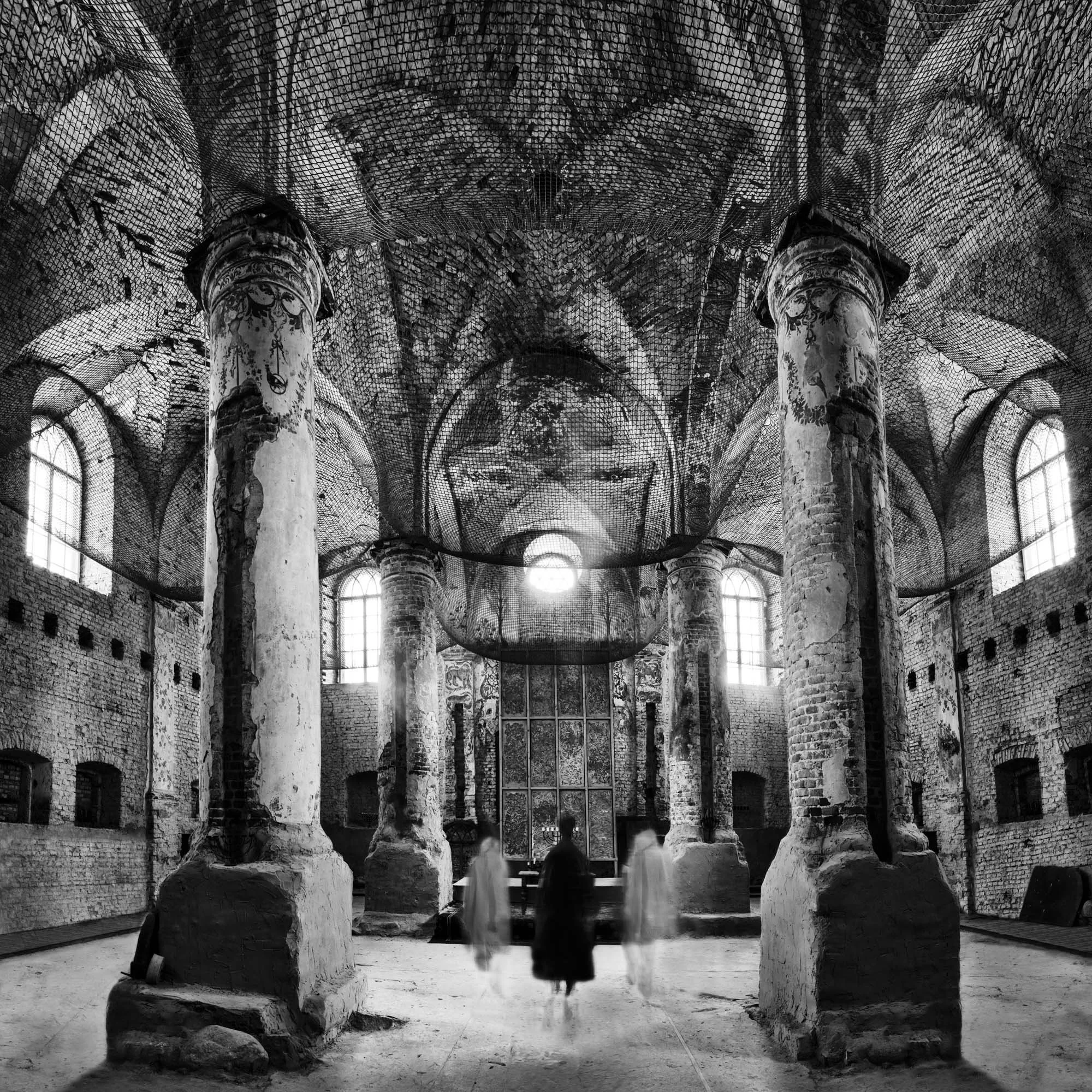
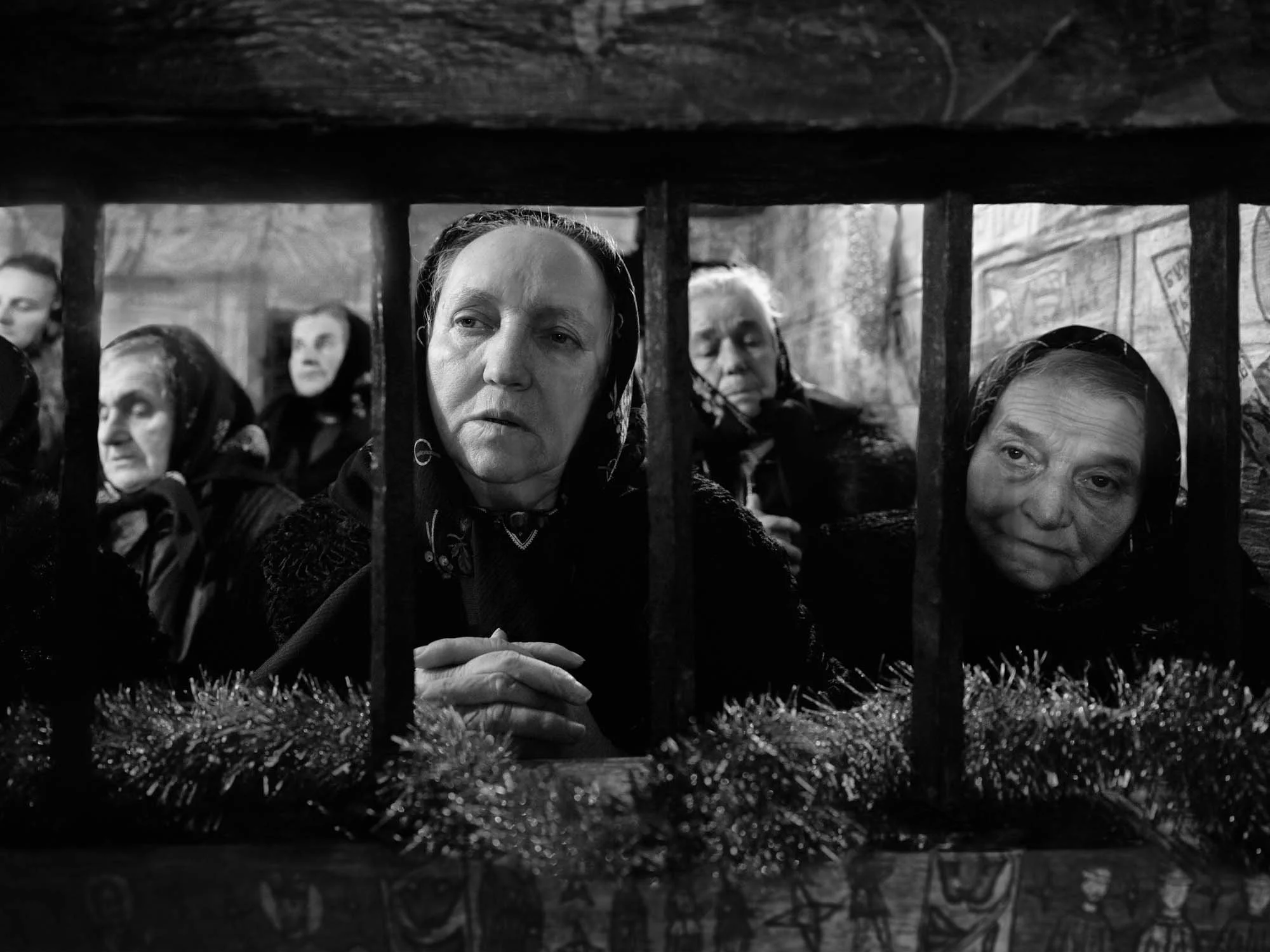
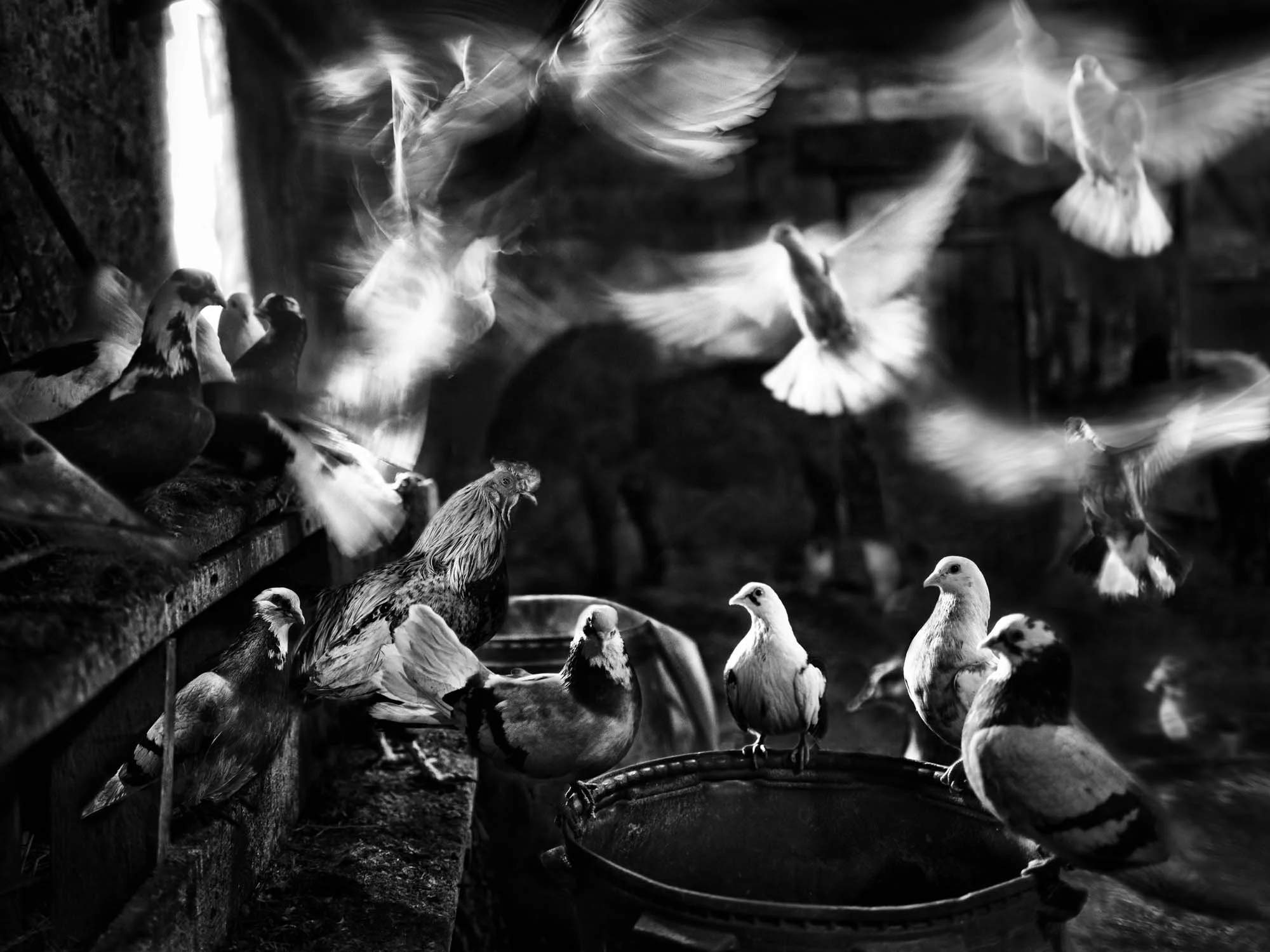
STATEMENT: Alone Together: In dense streets and quiet towns, lives unfold side by side yet rarely touch. Faces pass, bodies age, routines repeat. Weathered lives move through enduring land, carrying echoes of history and time. Days gather into habit, years into memory. Belief draws people together—in churches, in rituals, in the rhythm of days—offering brief moments of connection. Yet in the press of the crowd, solitude persists: humanity distilled into presence and distance, drifting toward an unseen end, with spirits set free, together in space, yet quietly, undeniably alone.
BIO: Oliver Klink is a fine art photographer whose work explores light, culture, and the human condition. His projects, developed through extensive travel, examine the relationship between people and their environments. He has published Cultures in Transition (2019) and Poetry in Motion (2024), earning 12 awards for best photography books. Known for his mastery of Piezography printing, he produces images with exceptional tonal range and depth. Originally from Switzerland, he lives in Los Gatos with his wife.
Stuart Goldstein
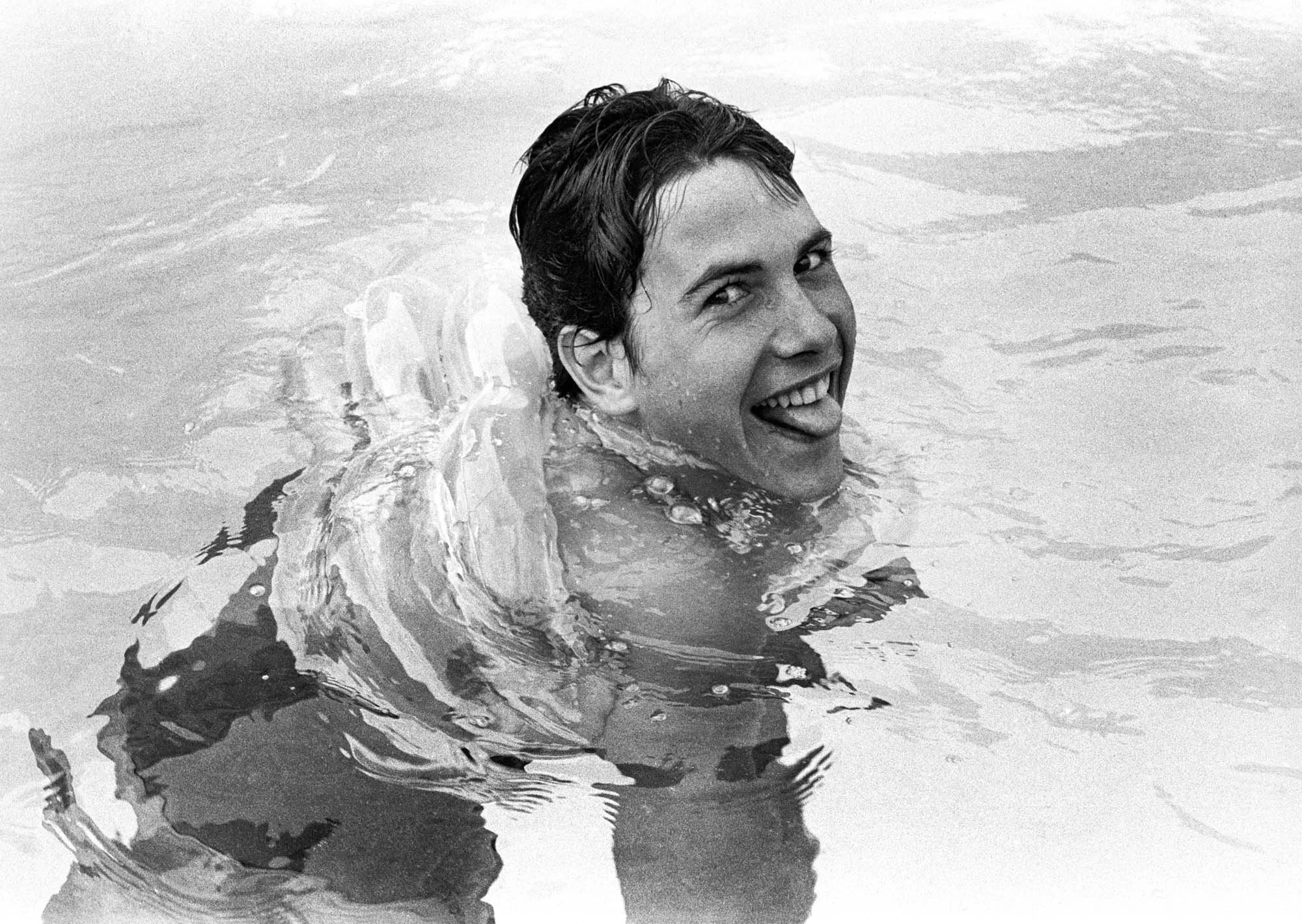
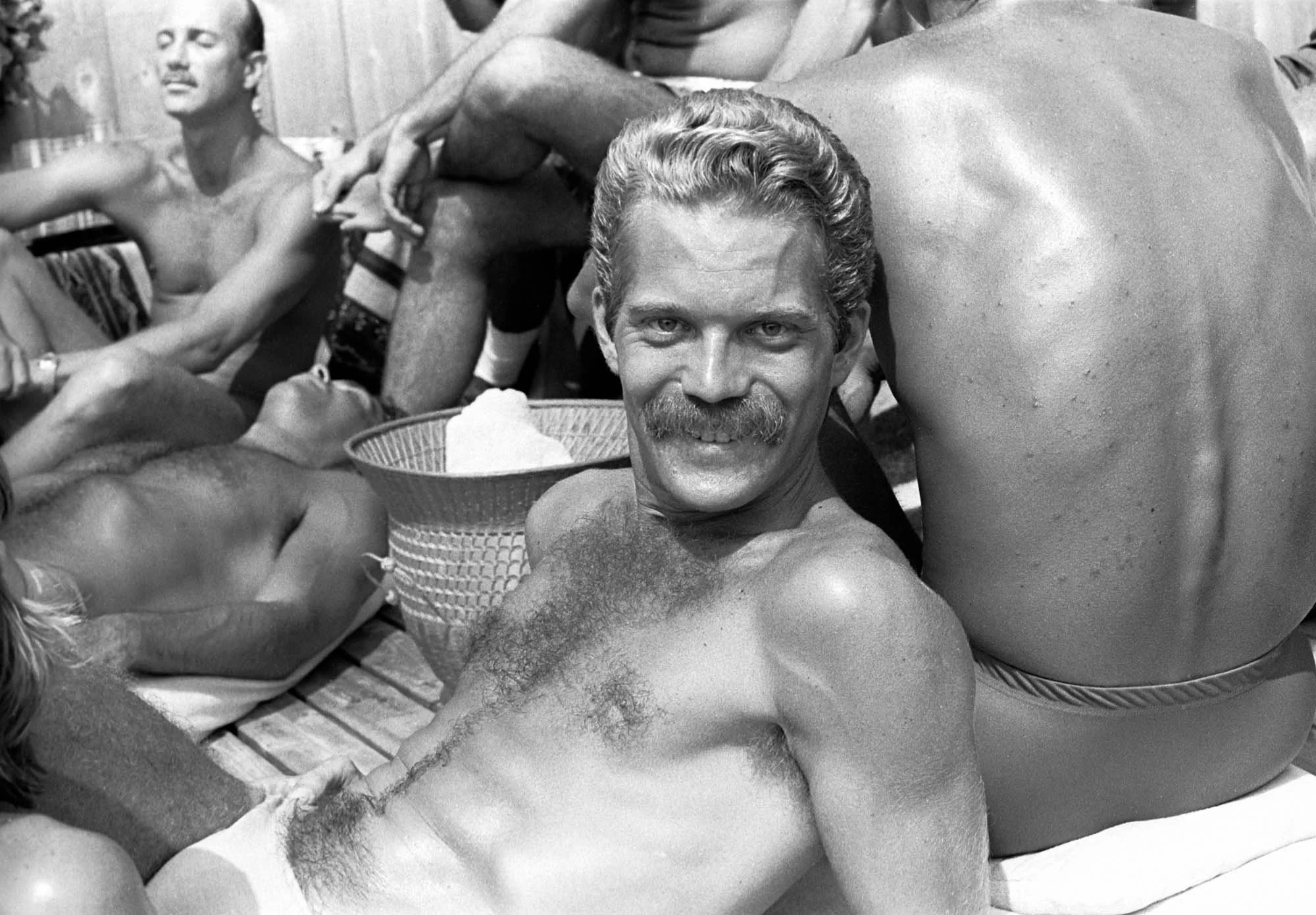
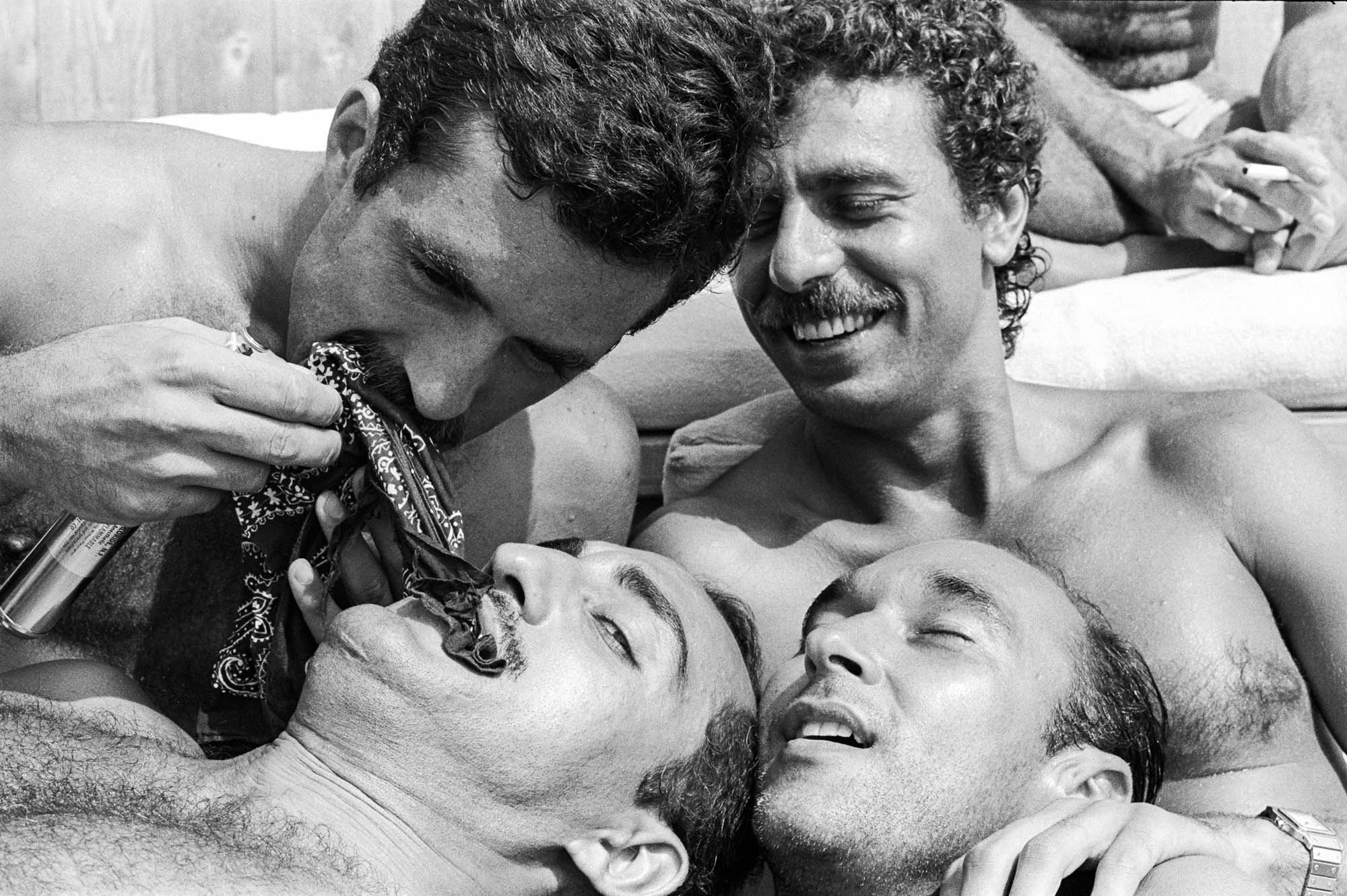
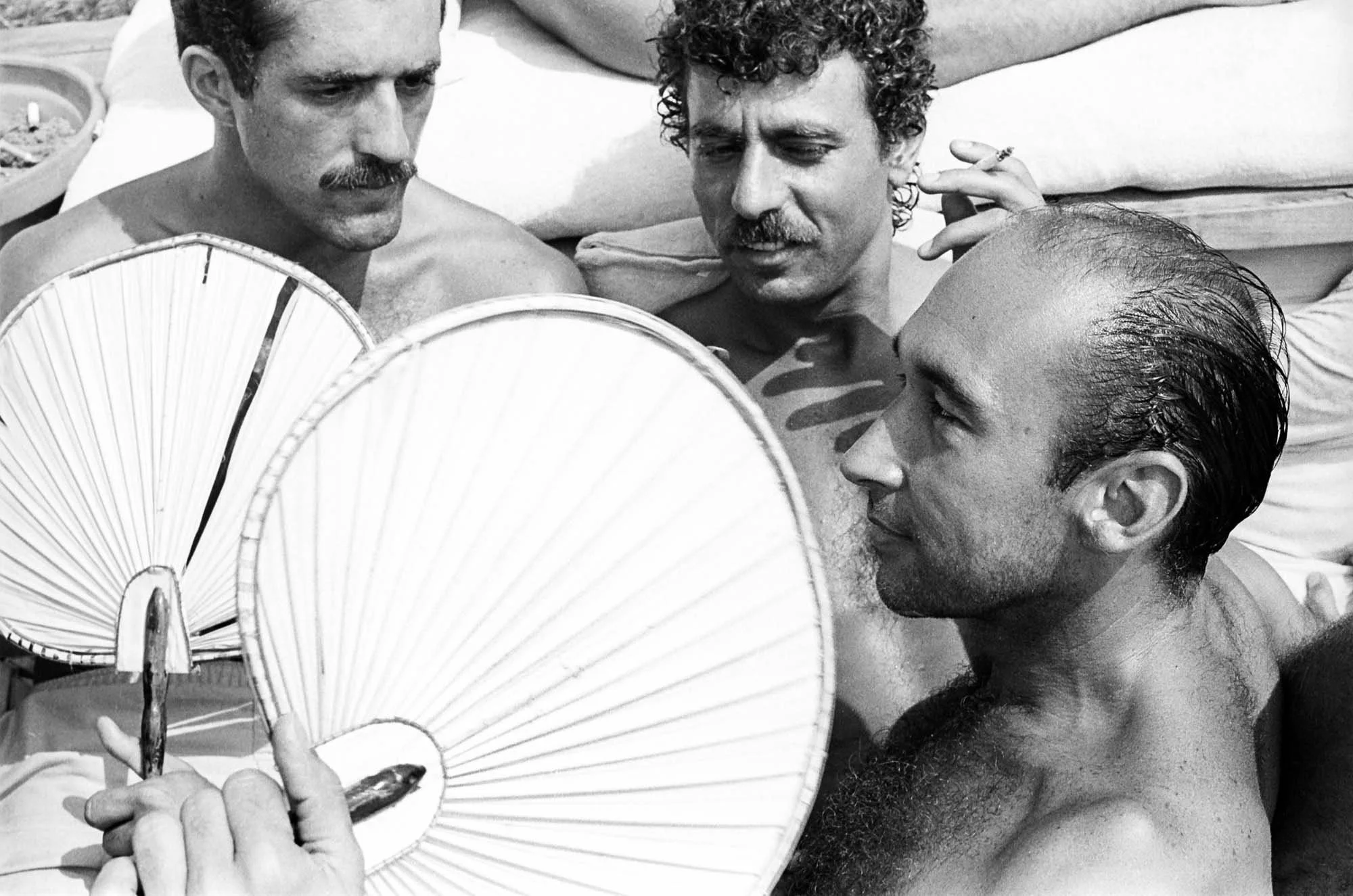
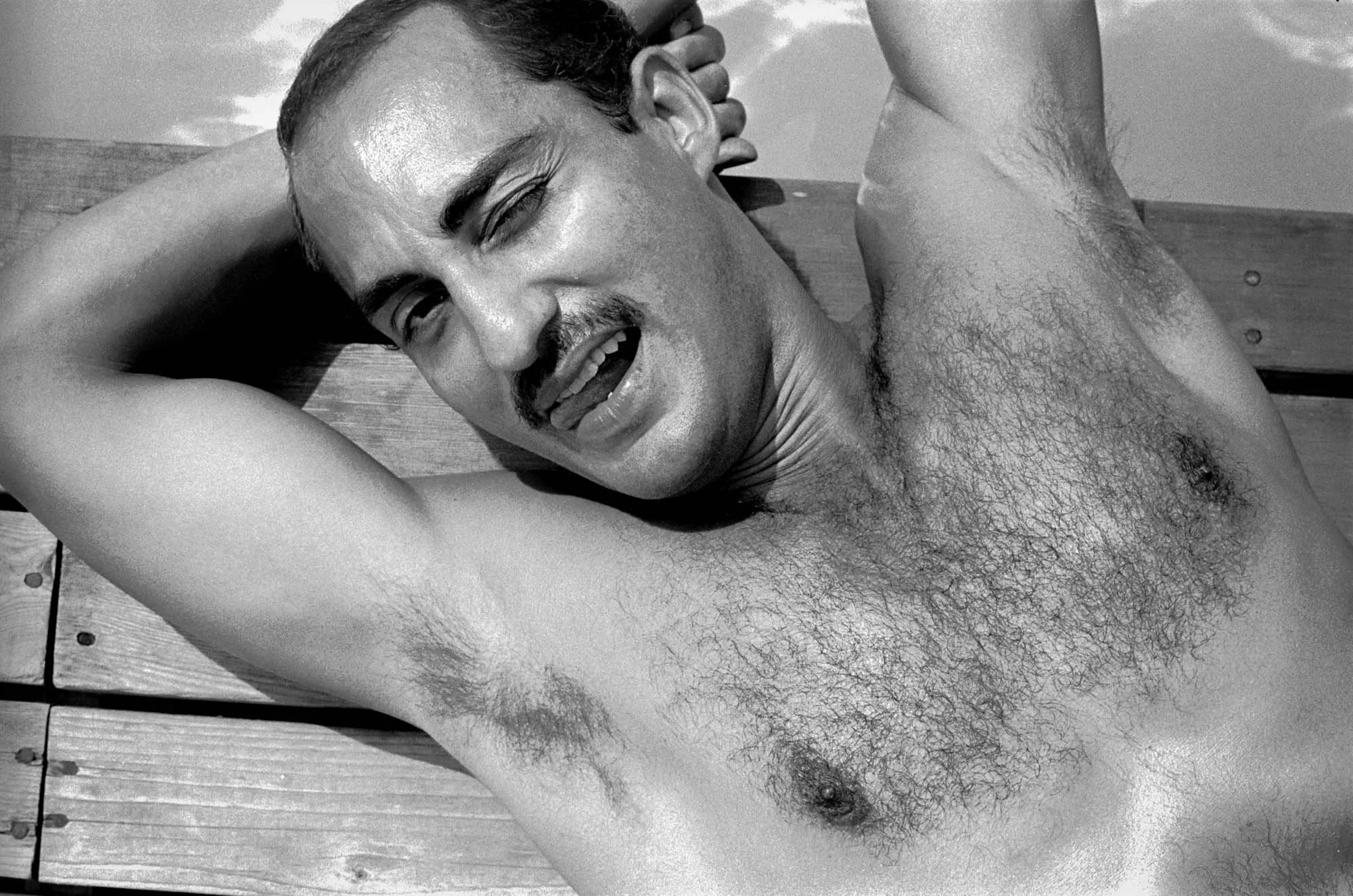
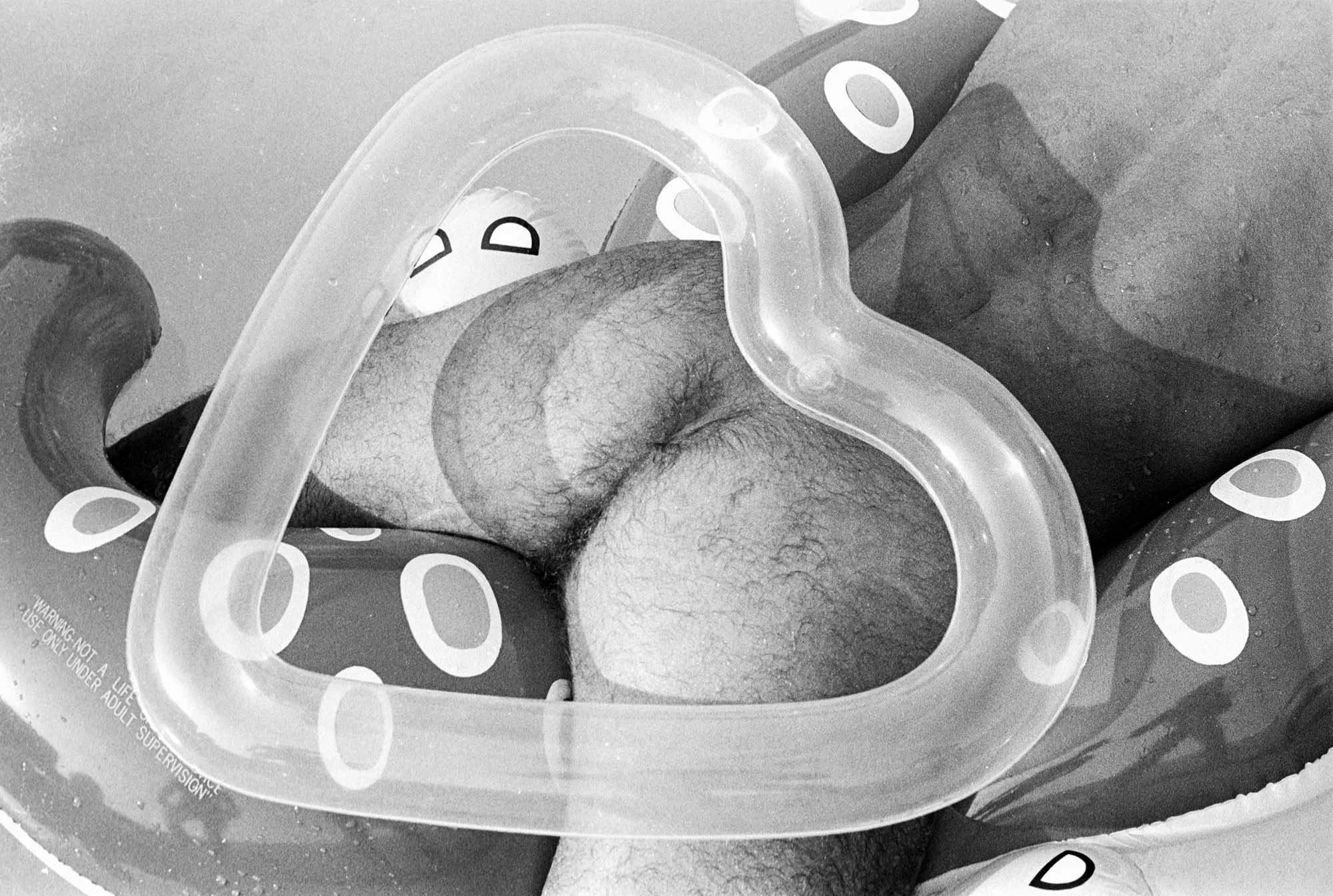
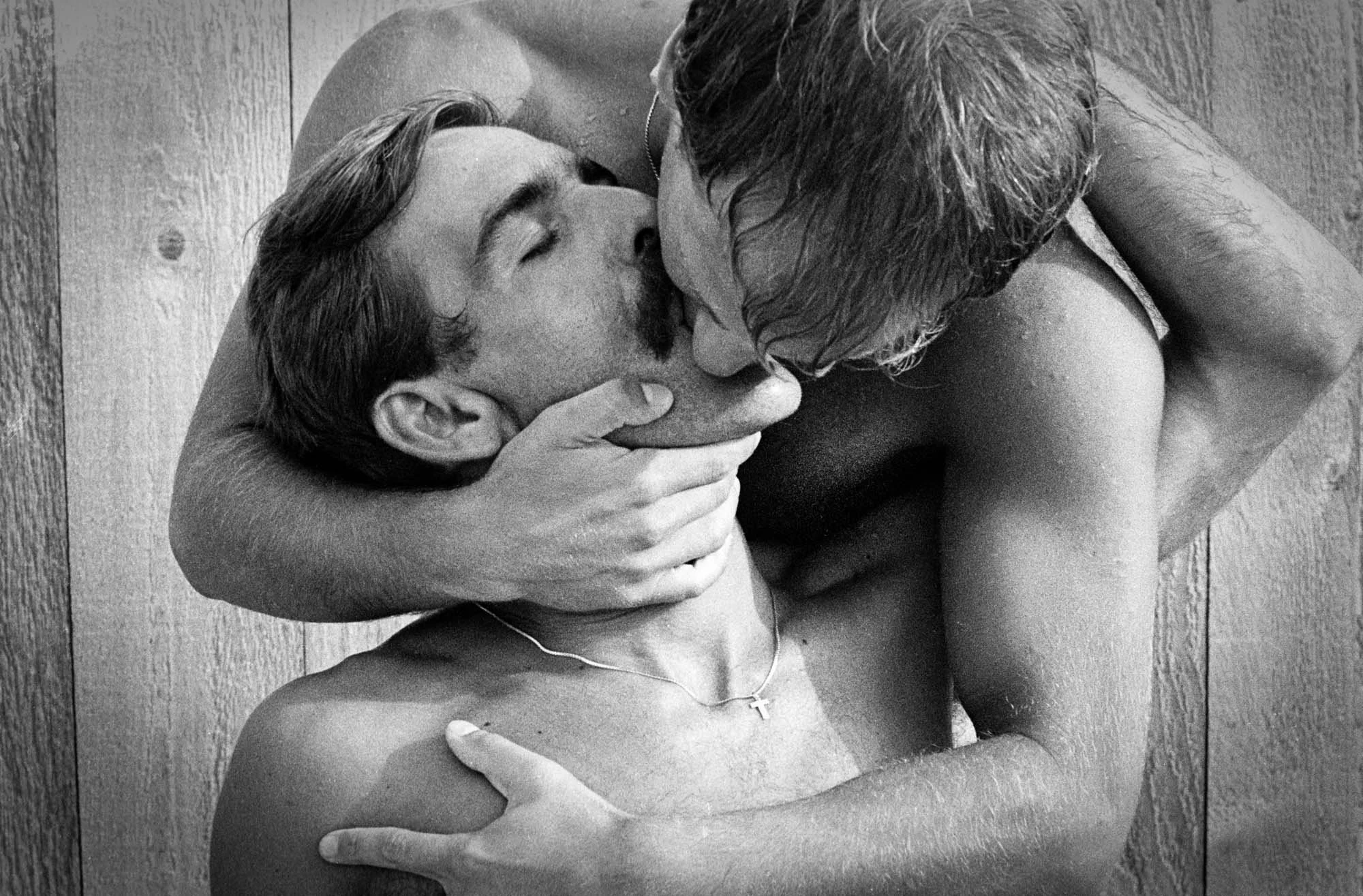
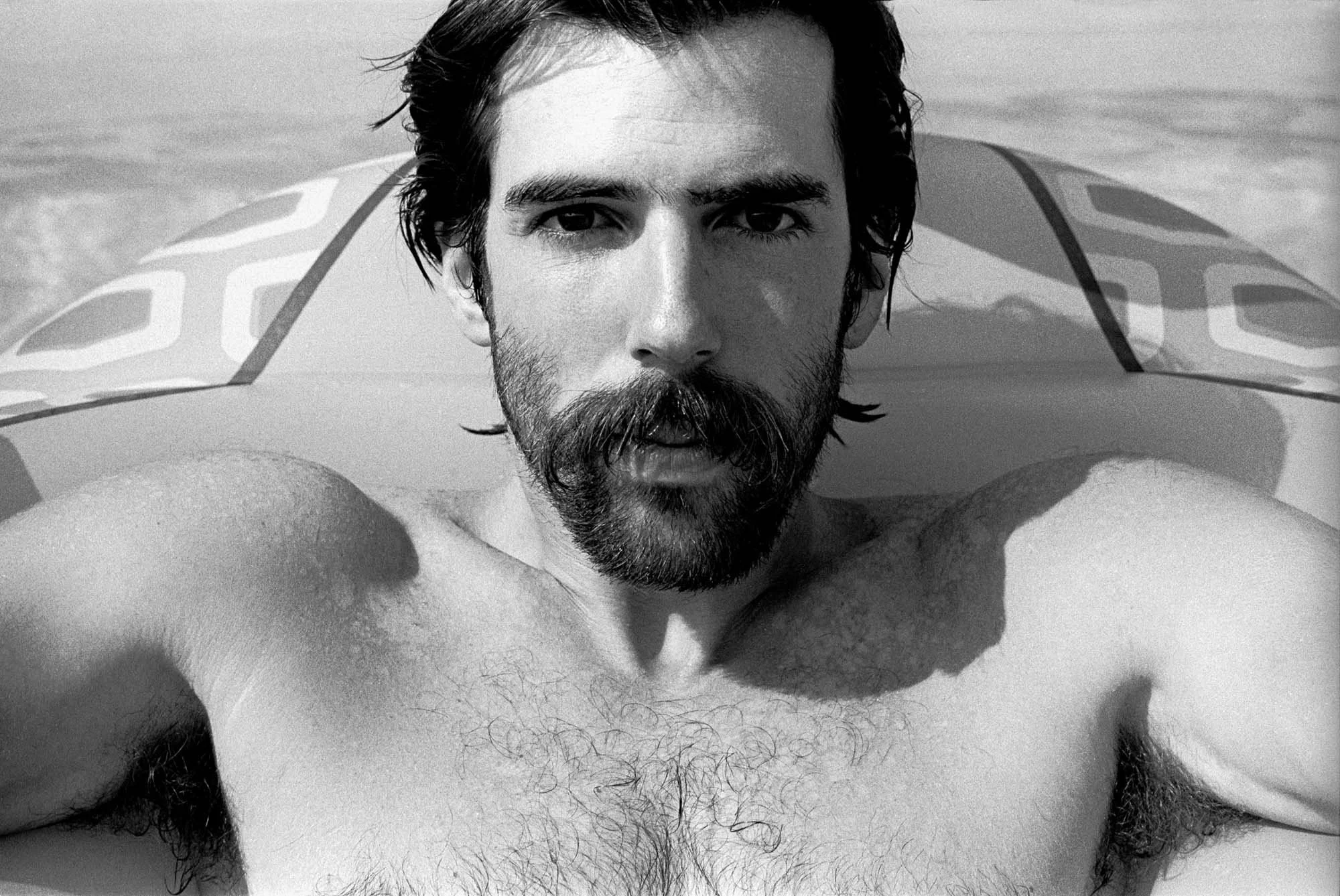
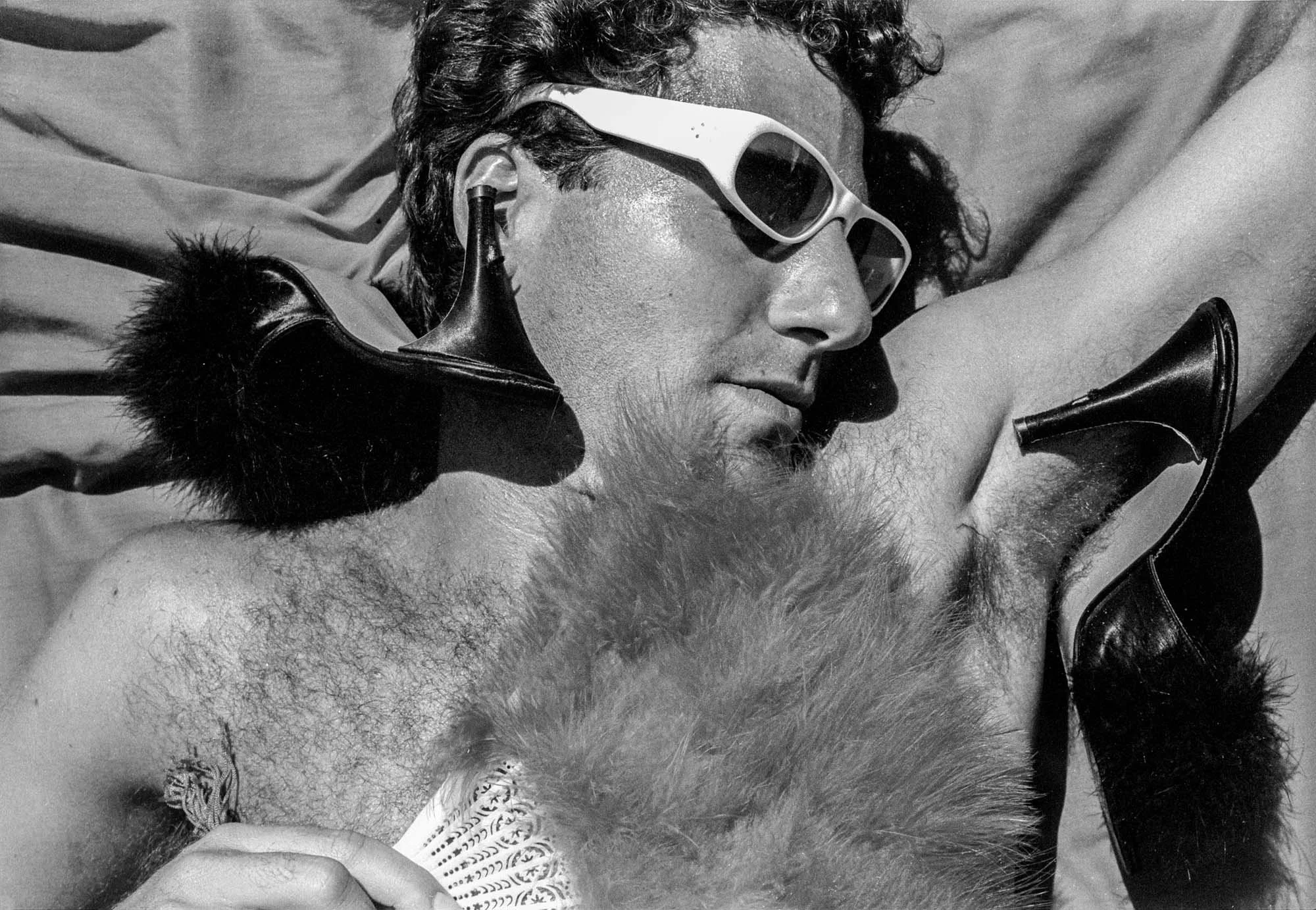
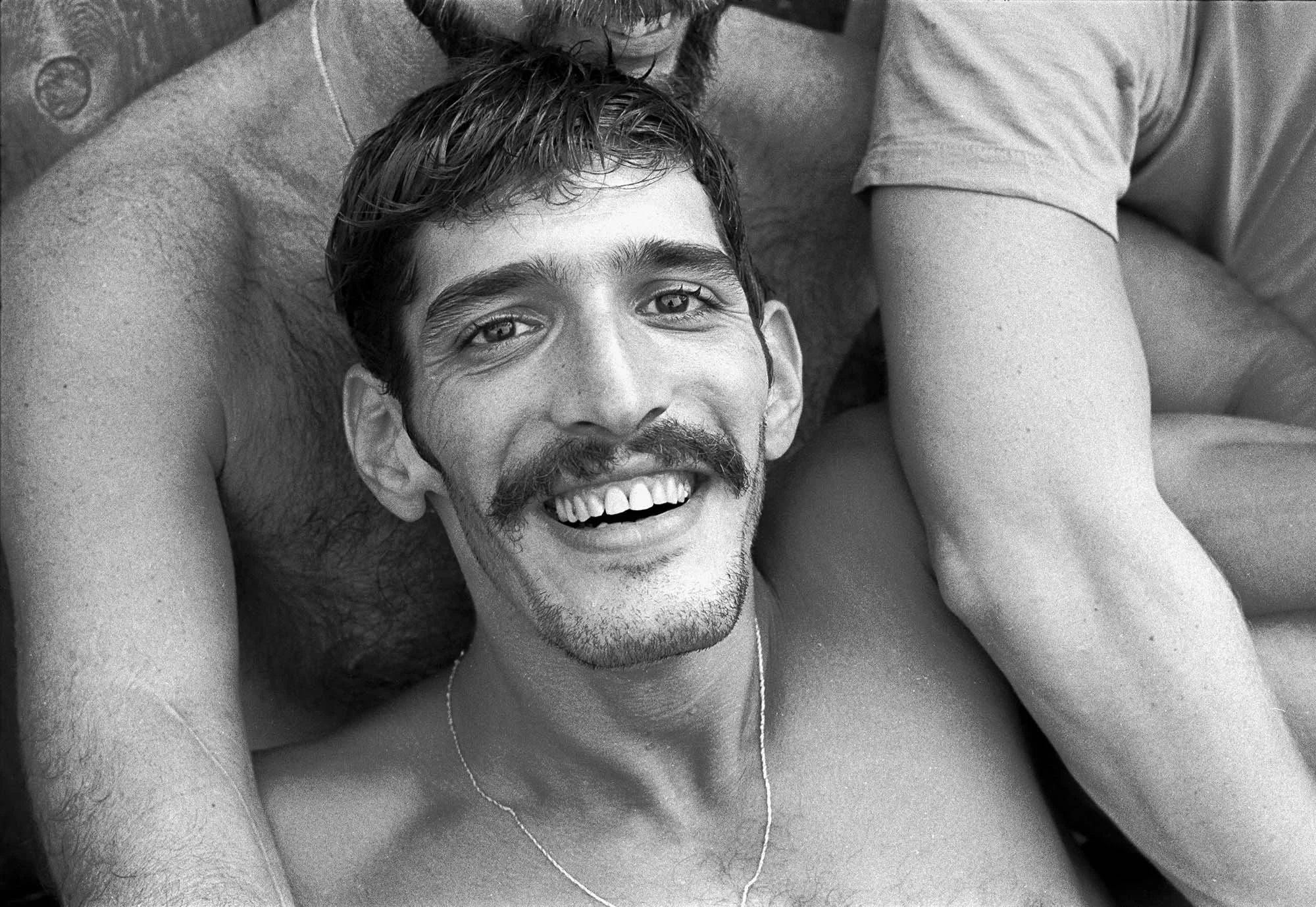
STATEMENT: As an HIV survivor who has lost a partner to AIDS, I find myself reflecting on a past filled with both joy and tragedy. The faces in the photographs are a poignant reminder of a time when we were not entirely aware of the shadow looming on the horizon—a disease that would devastate our community. Most of those in these pictures have passed, and I have no way to reconnect with them. Yet, these images hold powerful memories, evoking both sorrow and a bittersweet nostalgia for a world that no longer exists. These "Morning Party Memories" capture a time when life felt boundless, filled with endless summers, joyous connections, and the vibrant energy of youth. Drug-fueled mornings often turned into reflective gatherings, a space where we shared laughter, stories, and a deep sense of community. This series stands as both a personal testament and a collective memorial—a window into a fleeting moment of exuberance and connection, now viewed through the lens of loss and resilience. They are open to interpretation, offering viewers a glimpse into my dual role as both participant and observer, and inviting reflection on the fragility and beauty of life.
BIO: Stuart Goldstein is a San Francisco–based photographer, born in Brooklyn and raised on Long Island. After spending 30 years living in Manhattan—25 of those with weekends on Fire Island Pines—he has built a life rooted in art, connection, and observation. A graduate of the University at Buffalo with a BFA, Stuart has traveled the world, yet finds his greatest inspiration in the intimacy of photographing people. Whether capturing a headshot, portrait, or candid moment on the street, the personal connection with his subject is vital to a successful image. When a story begins to unfold within a frame—that’s when the photograph becomes magic.
Tom Zimberoff
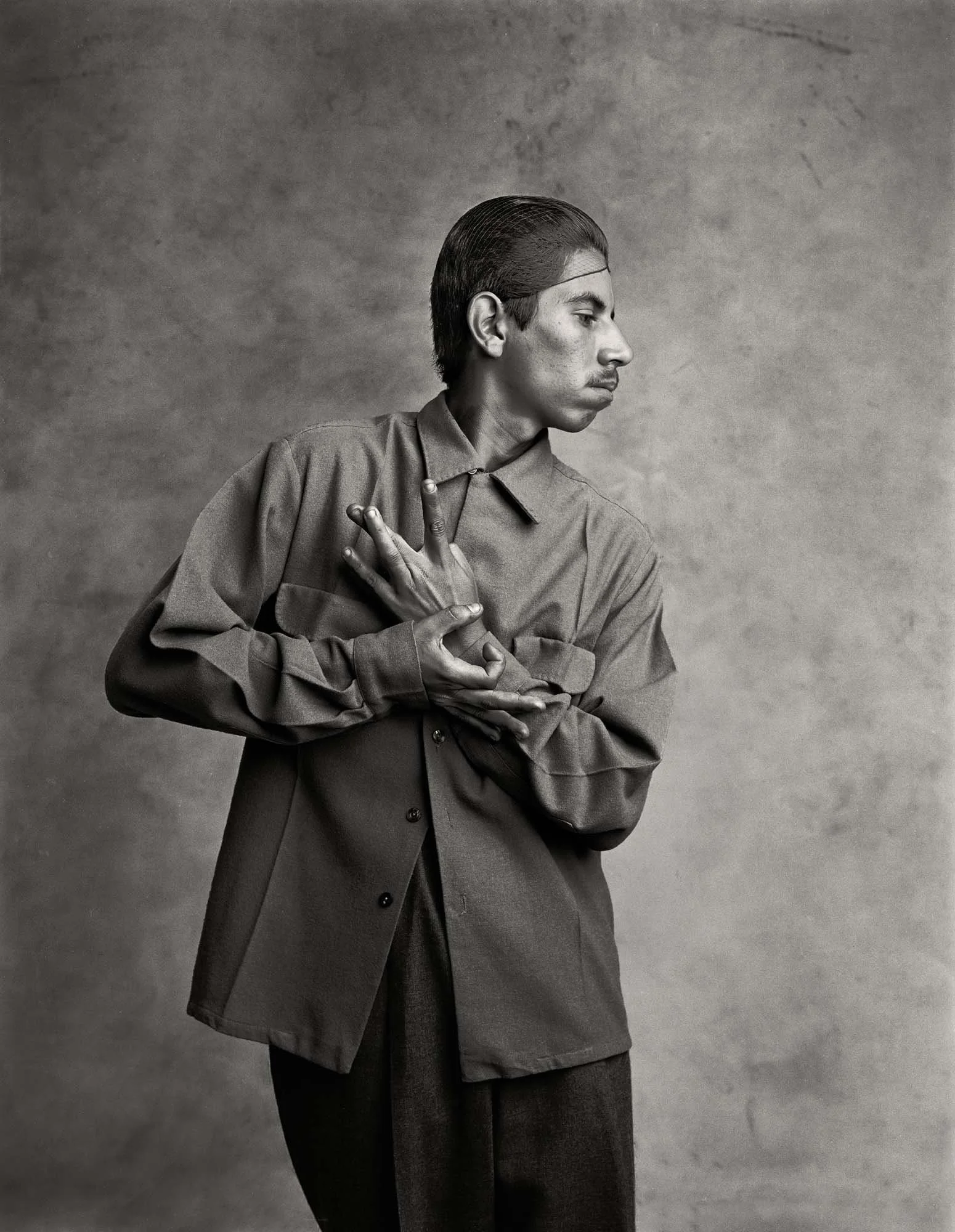
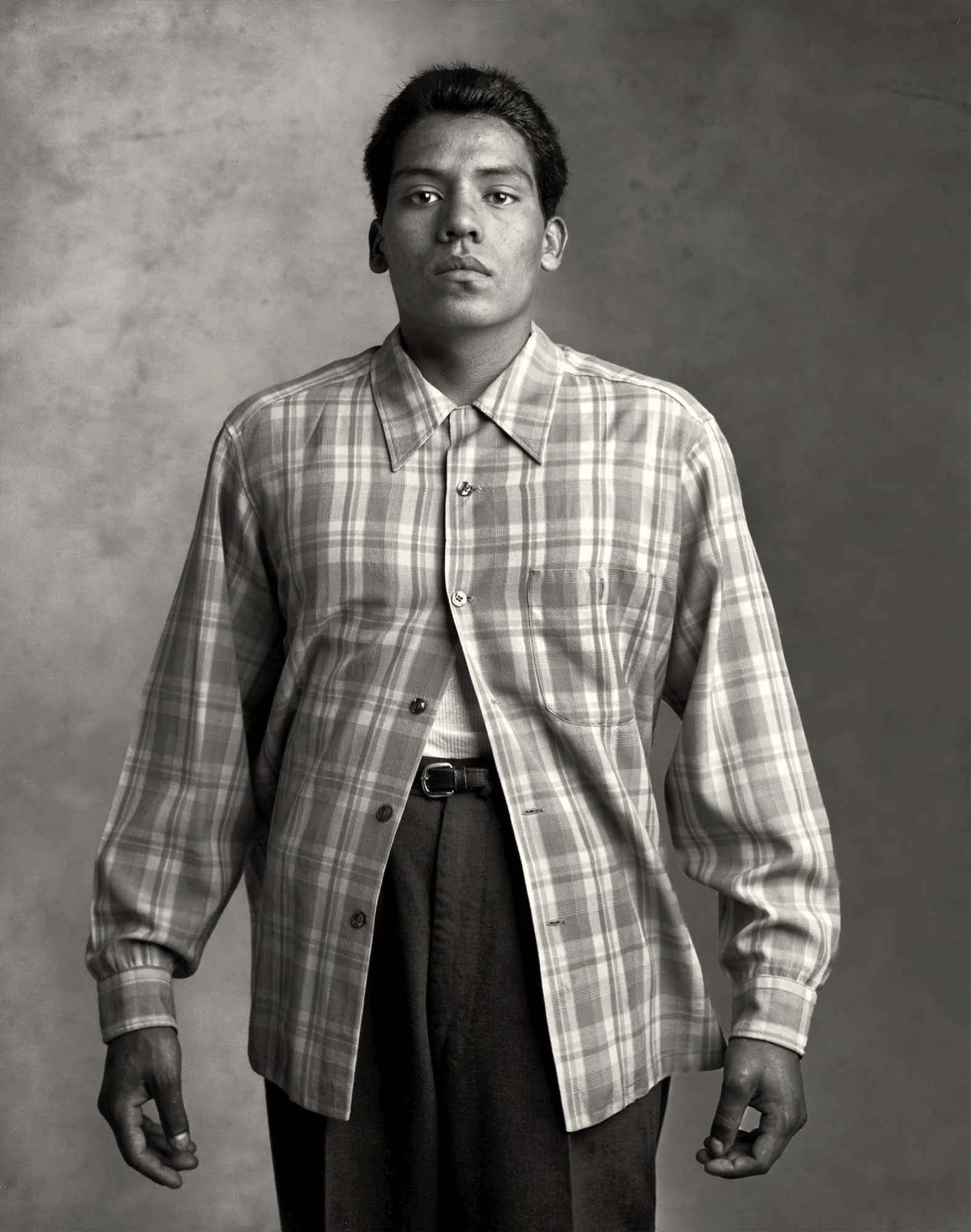
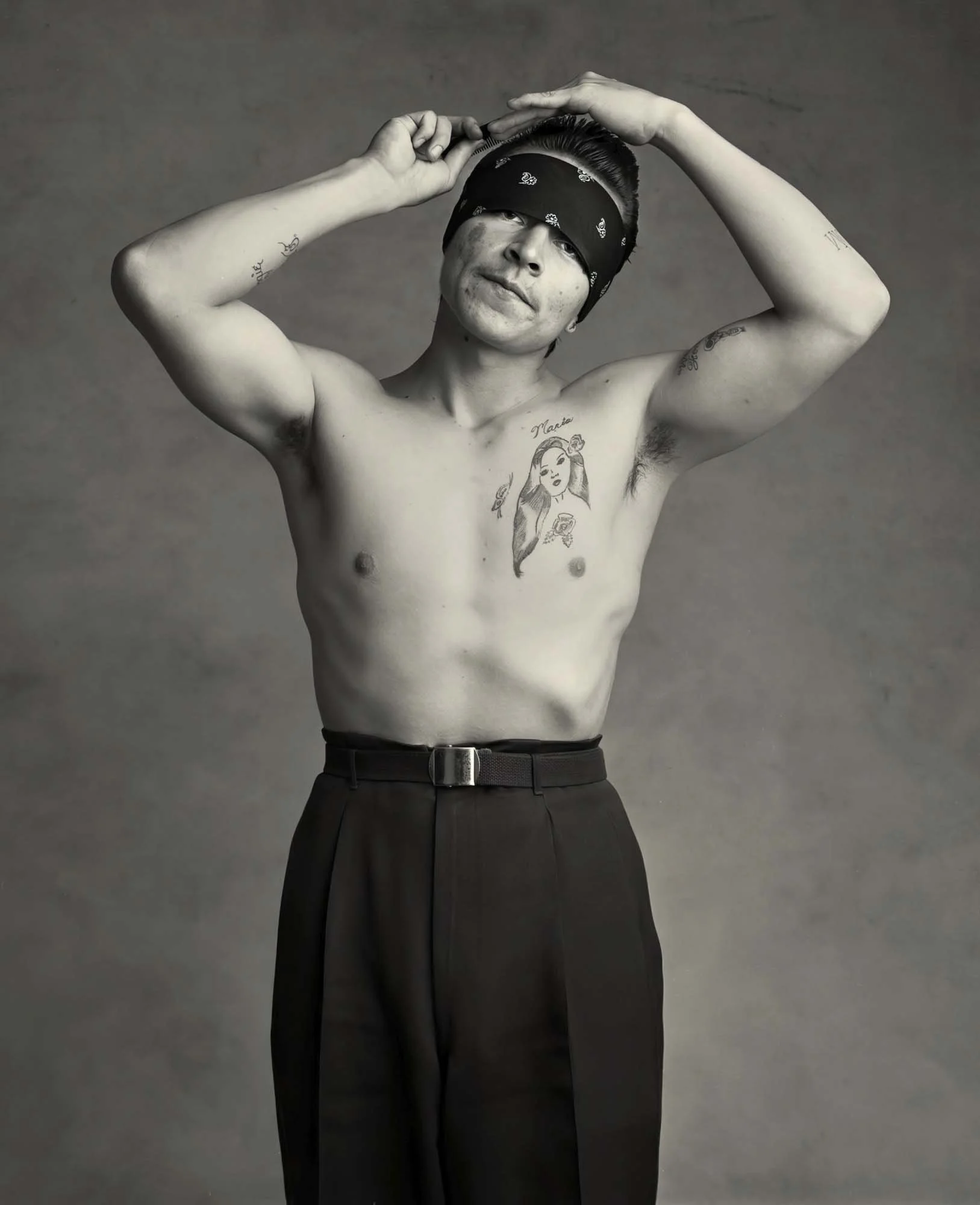
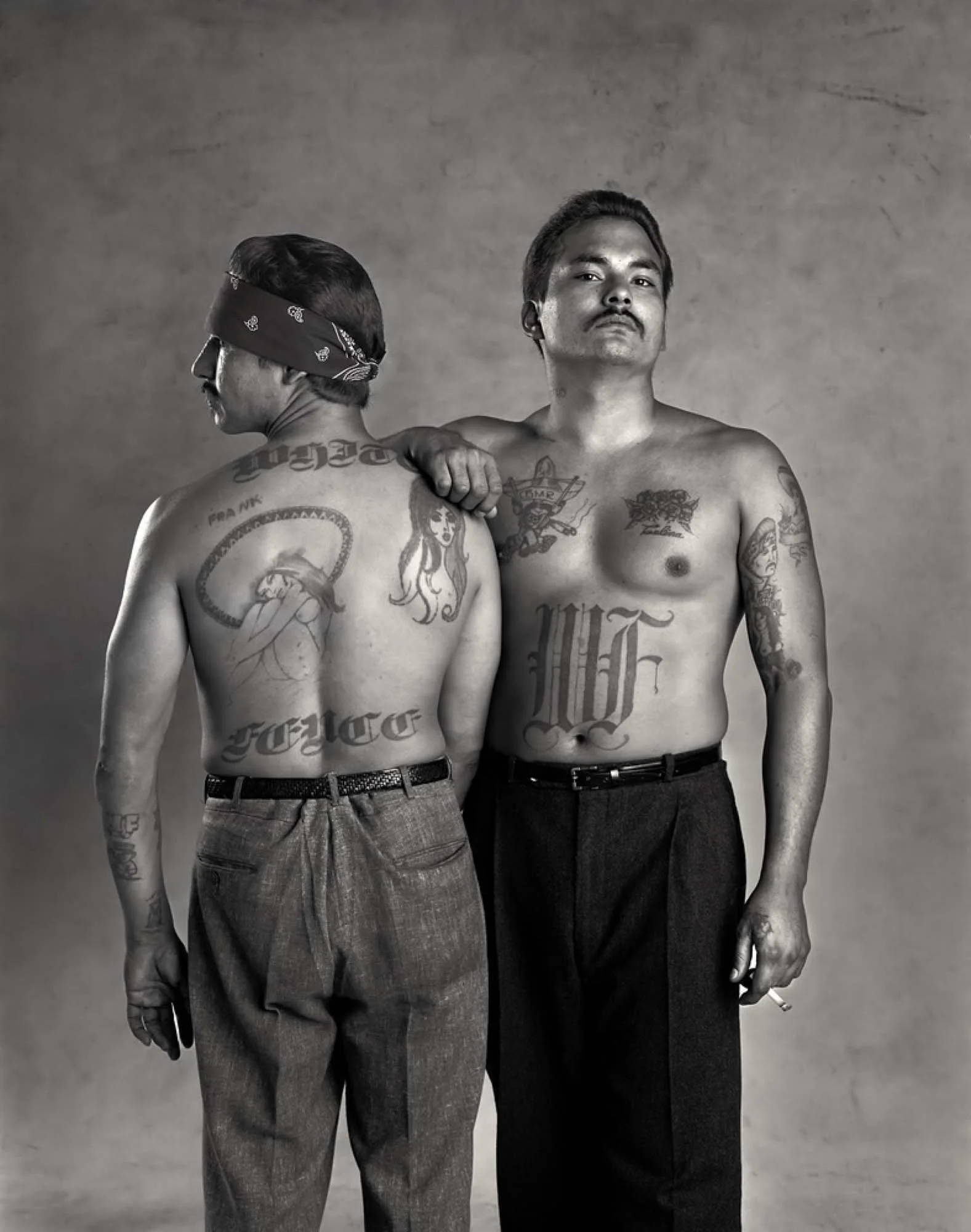
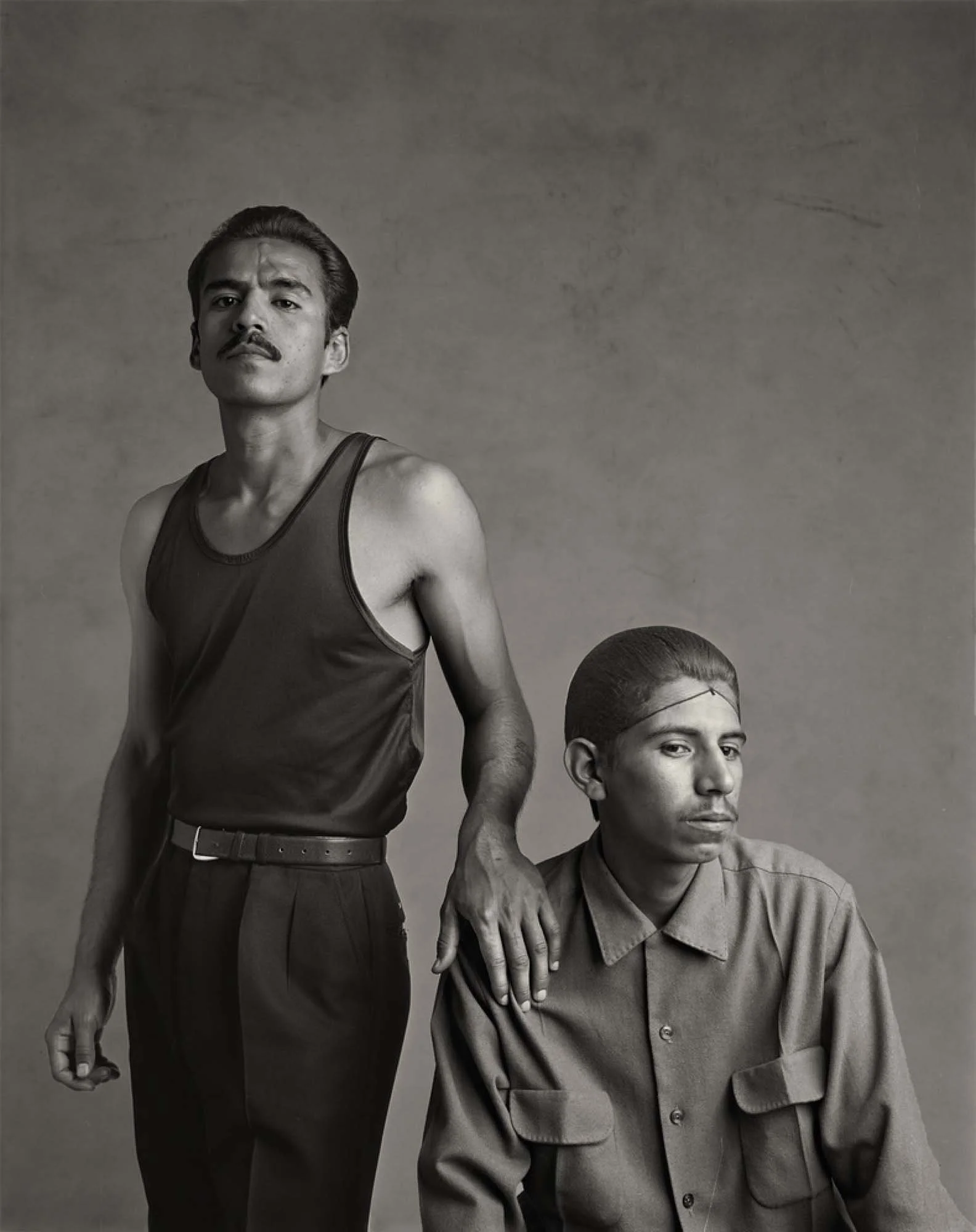
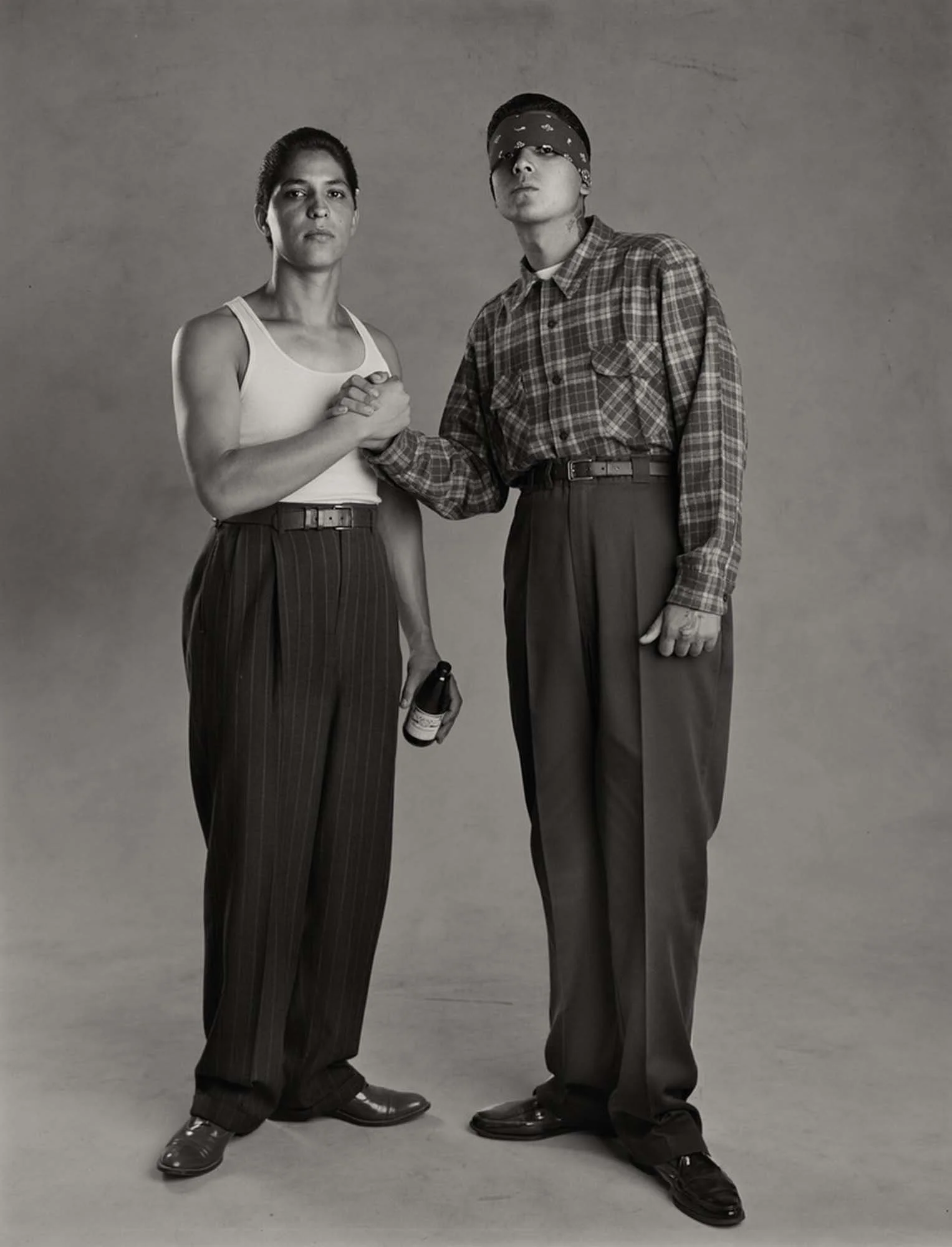
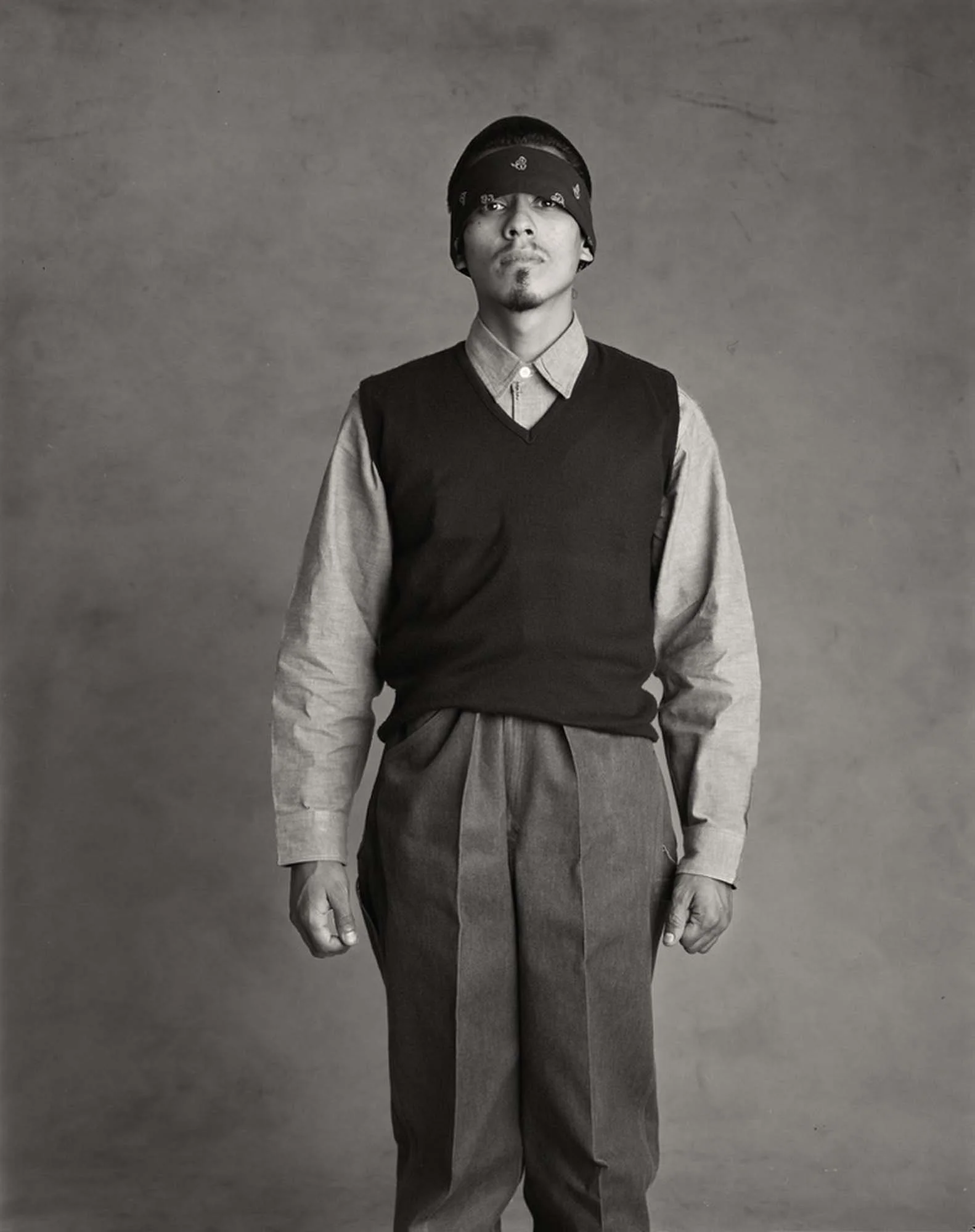
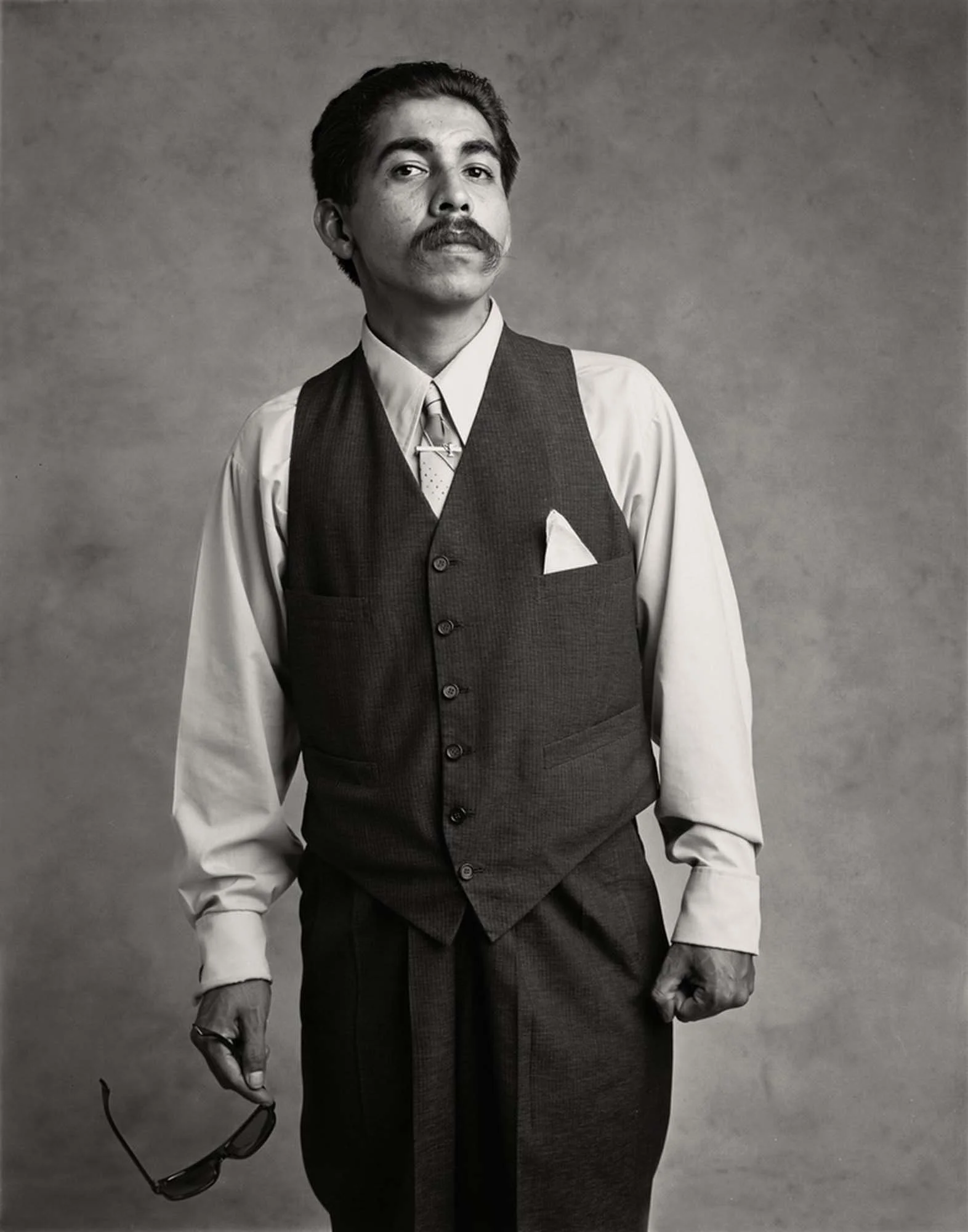
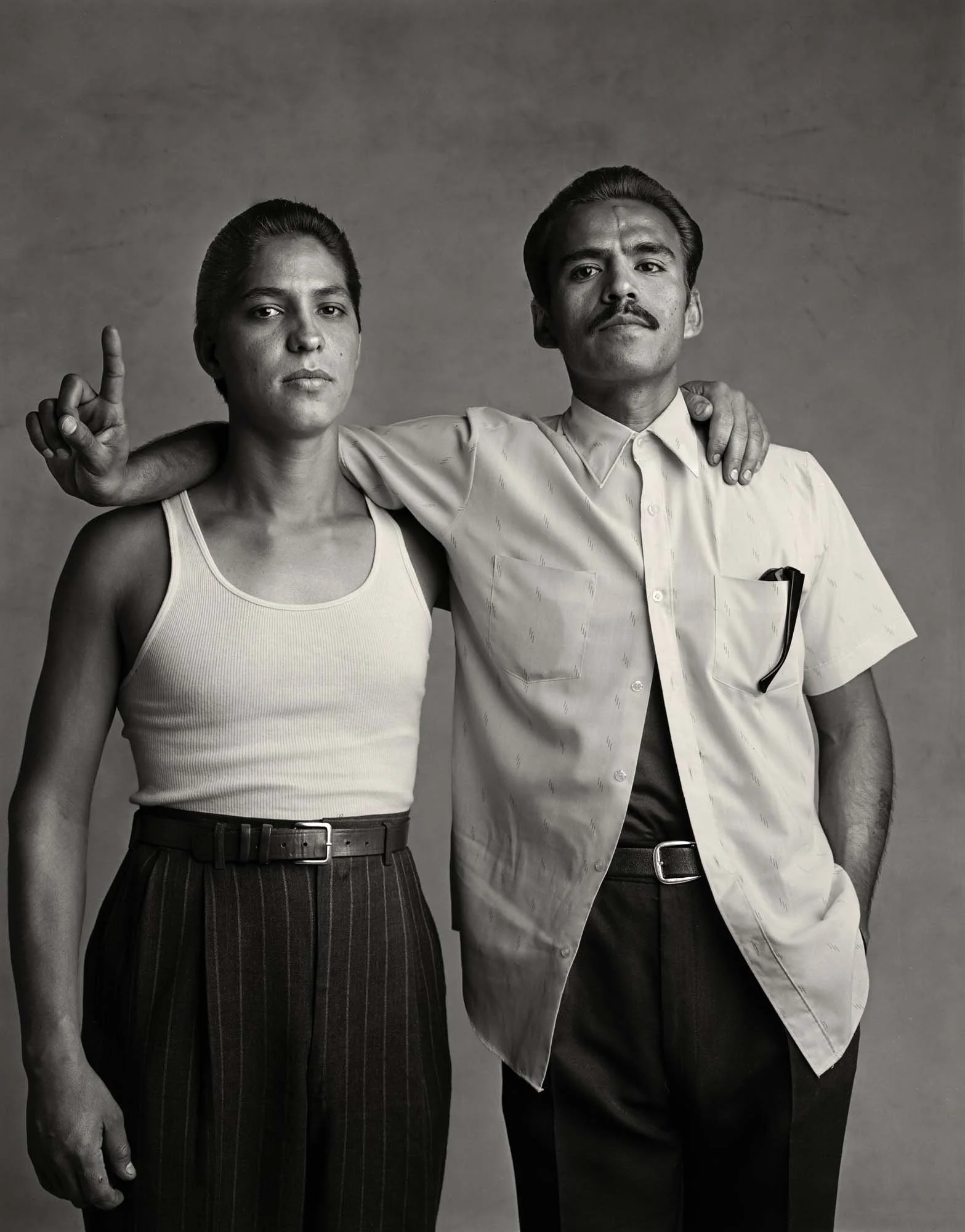
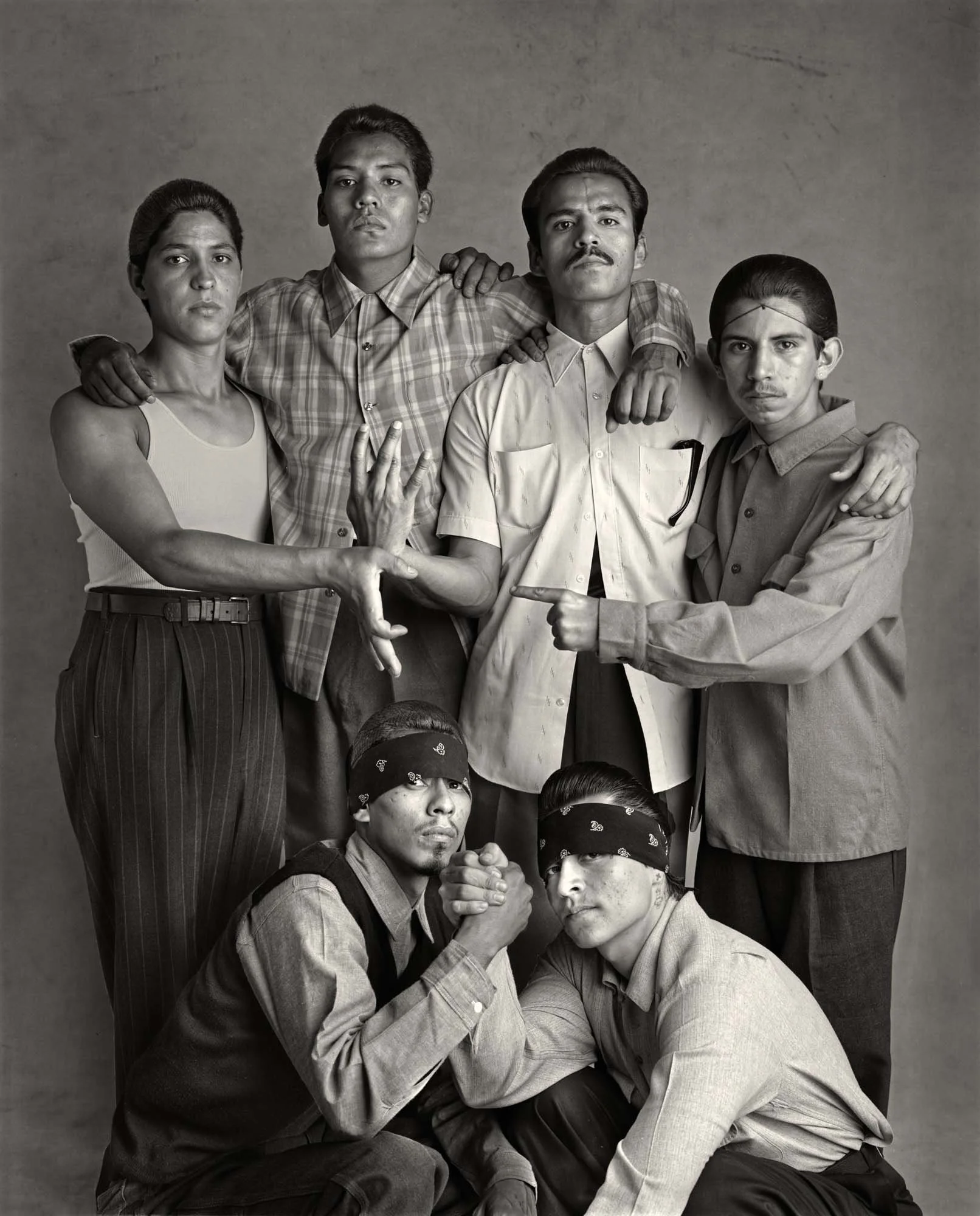
STATEMENT: White Fence—L.A.’s oldest and most violent gang, dating back to 1900—has a history as unforgiving as the streets they rule. But what struck me wasn’t menace; it was their pride—and style: theatrical, self-curated, and precise, a visual assertion of identity and status, a razor-sharp grammar of visual identity: wardrobe as semiotics.
BIO: Tom Zimberoff began with a clarinet, not a camera, studying orchestral music on scholarship at USC. But photography, as he says, “grabbed him by the eyeballs and wouldn't let go.” The first time Tom looked through a viewfinder with the serious intention of making a portrait, John Lennon was looking back. That photograph became his first magazine cover. He was twenty-one. His second portrait was Groucho Marx. Marx and Lennon: an improbable pairing for a young photographer’s first two portraits set the tone for a career navigating the intersections of art, history, and serendipity. Tom came up in the crucible of photo assignments, when magazines ruled the media. His prints have found homes in a number of museums and private collections. In 2016, his archive of film was accessioned by the Dolph Briscoe Center for American History at the University of Texas at Austin. Tom is probably the only photographer to have shorted out a Los Angeles-class fast-attack nuclear submarine by plugging in his strobe lights.
Venue:
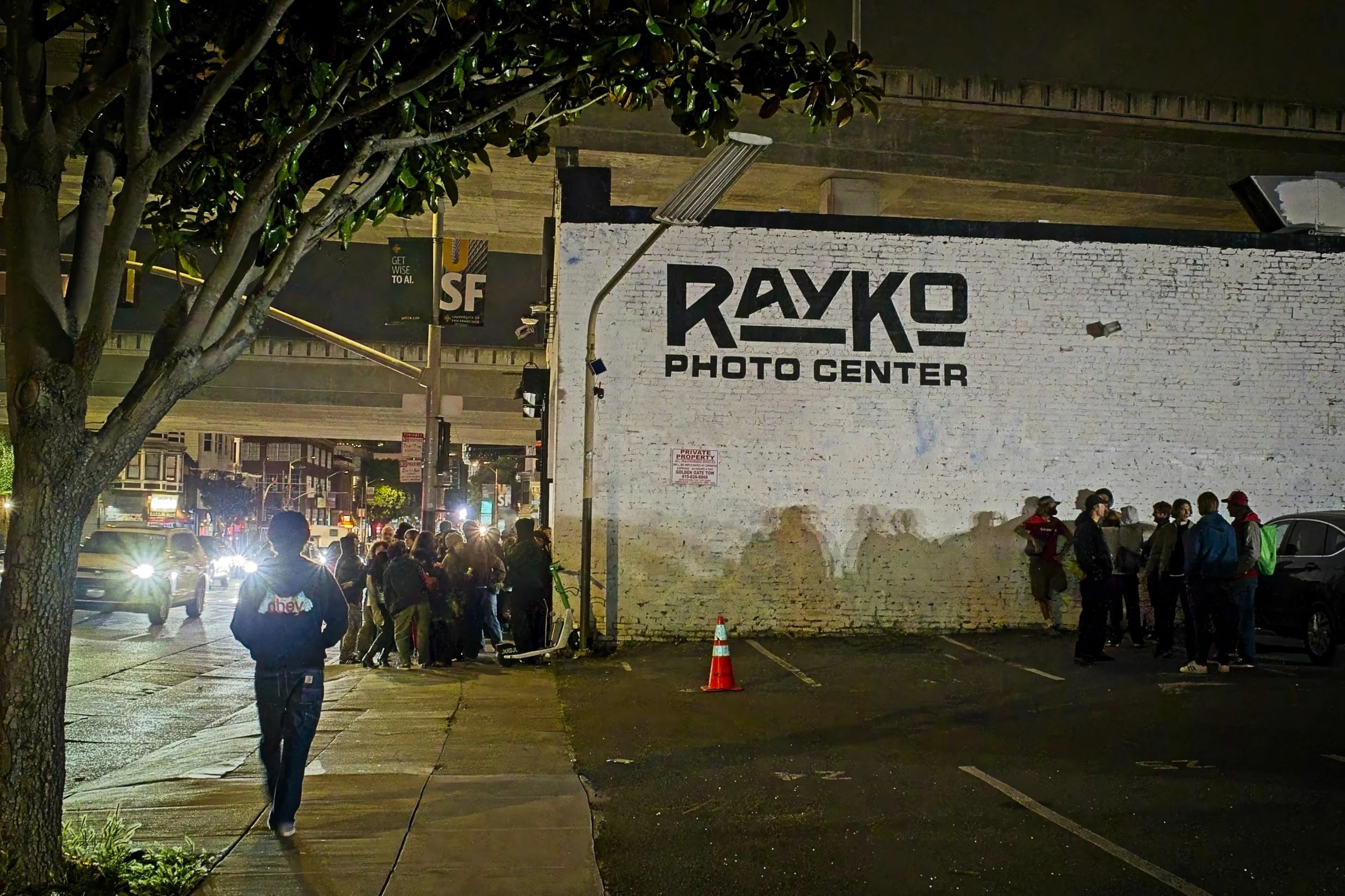
Pretty Gritty (former Rayko Photo Center, 428 3rd St, San Francisco, CA):
EVENT LINEUP:
Saturday, April 25
Donation-based sliding scale of $10-25, NOTAFLOF (No One Turned Away for Lack of Funds).
Gallery open — Noon
Reception — 6:00 PM
So Slammed — 7:00 - 9:00 PM
Live Musical performance by Trona — 9:00 PM onward
GALLERY EXHIBITION:
There will also be photos on exhibition at the gallery, including a wall of physical work from Slide Slam presenters, a wall curated by John Longyear, and work curated by Cat Coppenrath of women, trans, nonbinary, and gender expansive photographers from her group Photo Saloon.
ABOUT THE JURORS:
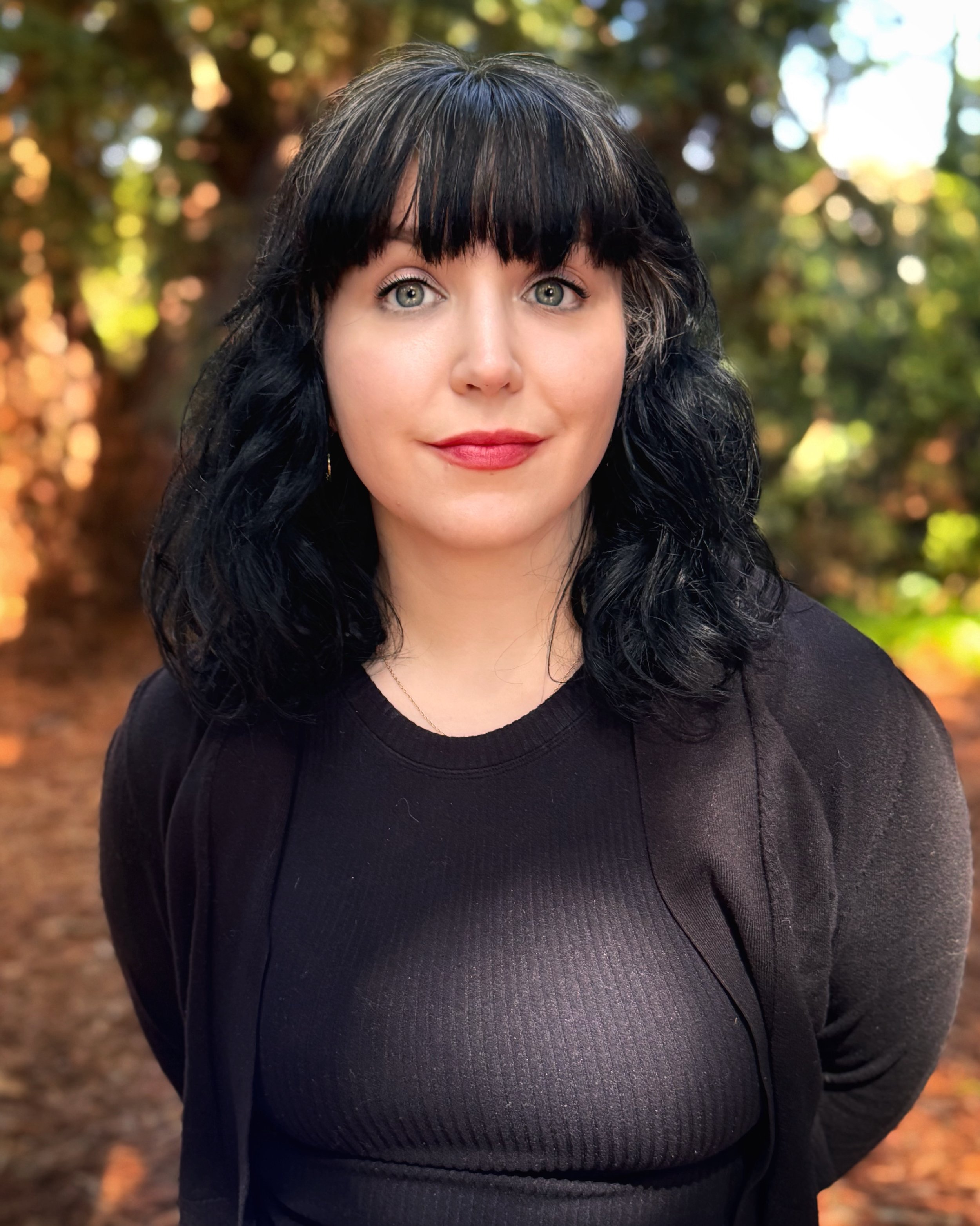
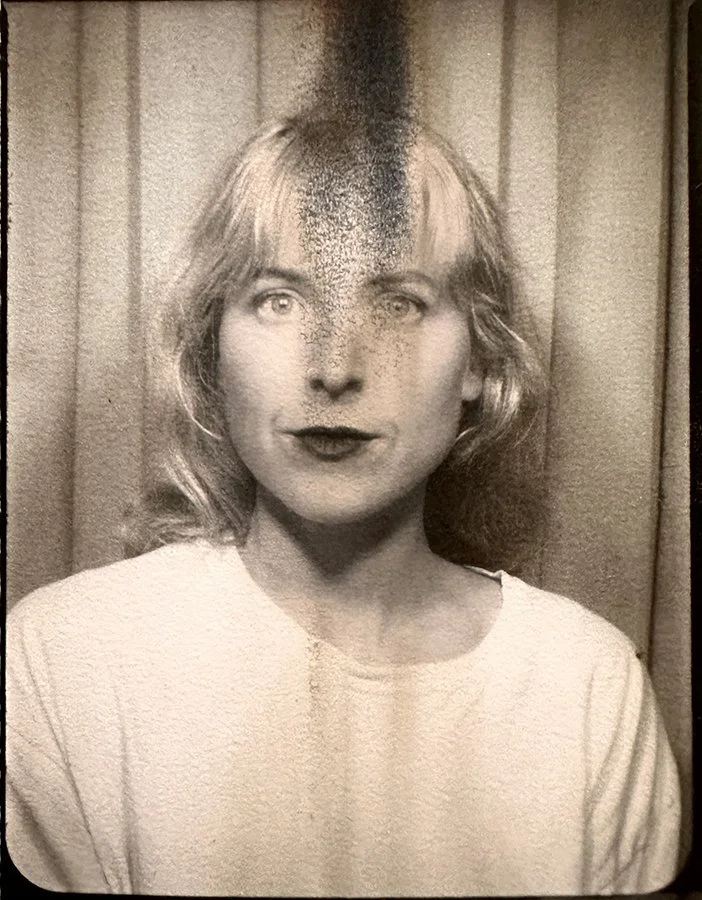
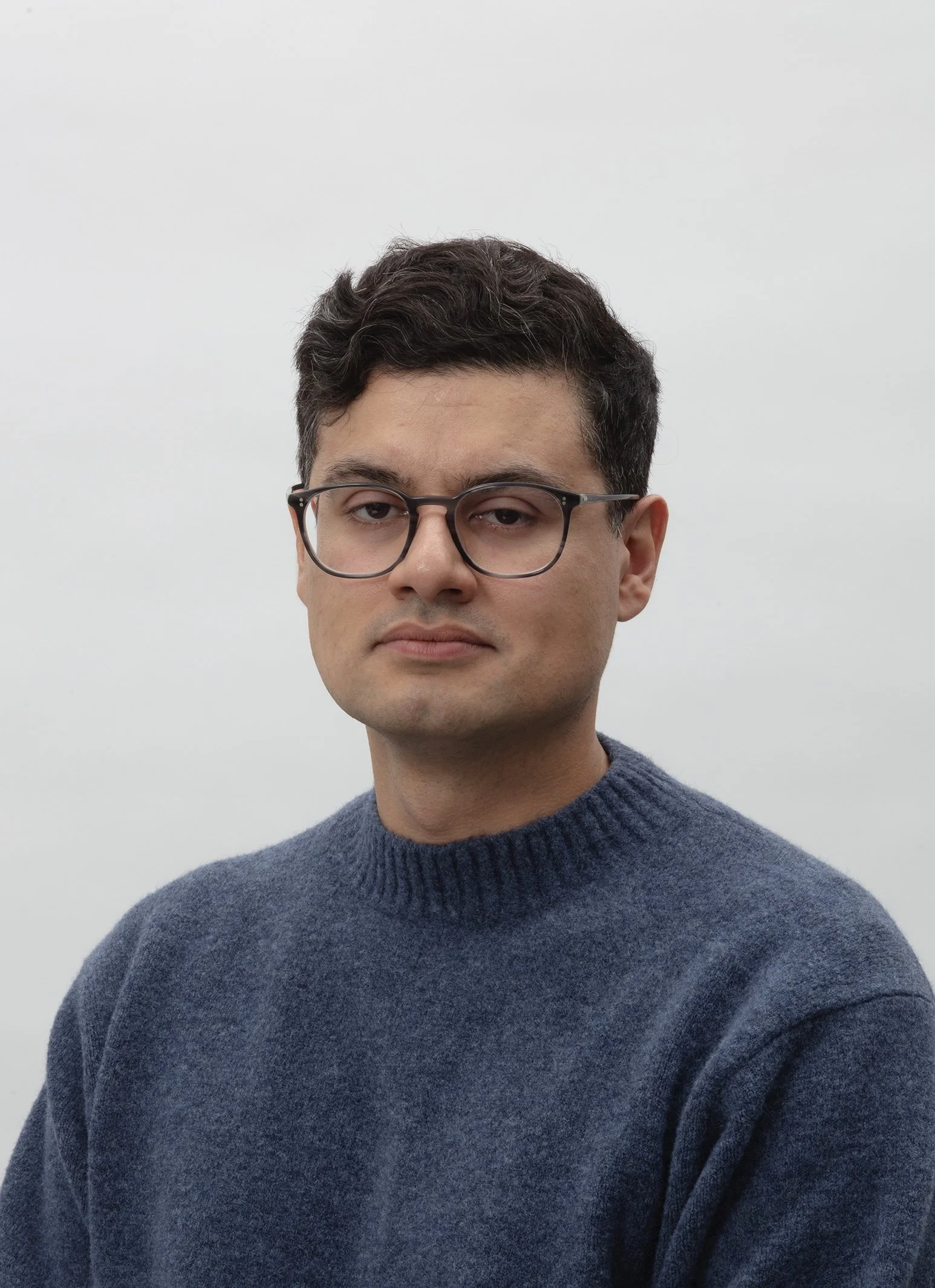
Kellye Eisworth is a San Francisco-based artist and consultant working with artists, institutions, and collectors. She specializes in archives, digital asset management, and writing. She has worked with numerous individuals and organizations across the country to develop exhibitions, publish photo books, and maintain physical and digital archives. Current and past clients include Lynn Hershman Leeson, Klea McKenna, the LA Art Show, and Scott Nichols Gallery. A Louisiana native, Eisworth received her BFA in photography from Louisiana State University in 2012 and an MFA in interdisciplinary media arts at the University of Colorado in 2016. Eisworth also serves as an editor and managing director of LENSCRATCH.
Nikki Greene is an artist based in San Francisco, California, with a concentration in analog photography, written word and installation. Her interests are in non-linear storytelling informed by personal and collective histories, memory and perception. Her projects range from documentary to deeply personal reflections and narratives. Her recent show ALTARS, exhibited at Untitled Gallery Vol 2 in Oakland (2026), is a collection of photographic transfers on materials like glass, plexiglass and aluminum. The work explores isolation, intimacy and the internet.
Adrian Martinez is a photographer and independent publisher based out of San Francisco, California. His work has been featured in Open Space (SFMOMA) and the British Journal of Photography, and has been exhibited in various group presentations including Around Group f.64: Legacies and Counterhistories in Bay Area Photography at SFMOMA. In early 2023, he presented a body of work alongside Austin Leong and Henry Wessel in an exhibition titled With Soft Eyes at the Center for Photographic Art in Carmel, CA. A companion publication titled Soft Eyes was released in late 2024 by Deadbeat Club. In 2016 Martinez founded illetante books, an independent publishing imprint, as a vehicle through which to collaborate with local artists and colleagues. He also co-directs Book & Job Gallery, a photographer-run studio, darkroom, and gallery space in San Francisco’s Tenderloin neighborhood.
ABOUT THE VENUE
Pretty Gritty is a gallery/show space project operated and curated by Bill Daniel, currently housed in the former Rayko Photo Center in San Francisco. Since March 2025, Pretty Gritty has produced 10 large scale exhibitions — hosting over 200 artists, 40 bands and performers, and several film programs.
Instagram: @prettygritty_sf
EVENT SUPPORT
This event is generously supported by Fort Point Beer Company.
Fort Point was inspired by a love for San Francisco and a desire to make craft beer more accessible. Over the years, it has grown to become one of the city’s best-known independent producers, creating a wide range of new beers and even a line of ciders along the way. No matter the favorite Fort Point brew, one thing remains true — every can hits that sweet spot between interesting and easy to love.
75% of the proceeds from event admission for Saturday’s program benefit PhotoAlliance.
ABOUT OUR SLIDE SLAMS
The Slide Slam format celebrates the voice of the photographer, combining visual storytelling with live presentation. It creates a dynamic environment where artists share work directly with audiences, collectors, curators, and peers, getting immediate feedback and recognition. We embrace this format as a way to showcase more of our local emerging photographers, and share their work with our community.
This Slide Slam encourages submissions from photographers working across styles, processes, and approaches—from documentary to conceptual, from analog to experimental to digital.